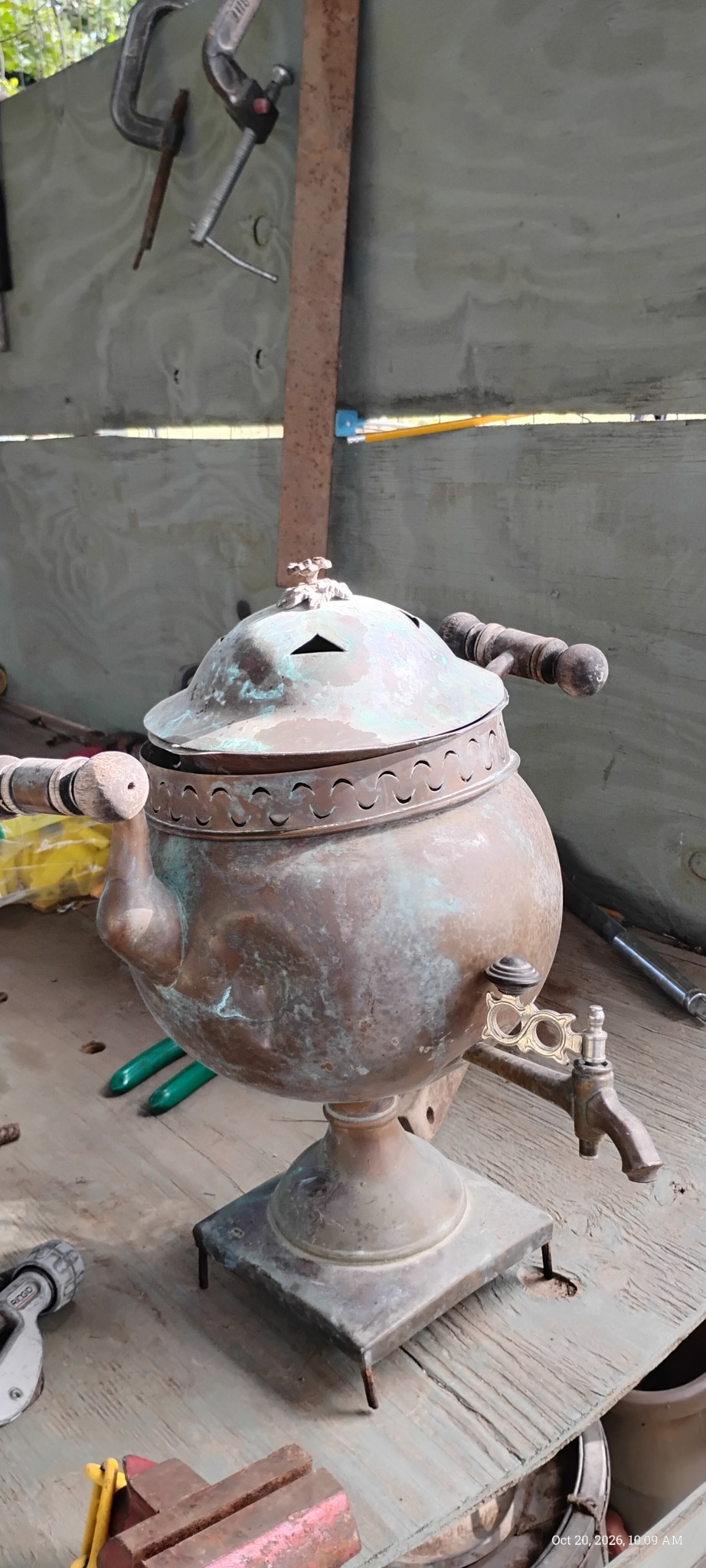
Antique brass samovar / tea urn
Estimated Value
$150-$500 USD
This appears to be a traditional samovar or tea urn, a vessel used for heating water and serving tea. It has a rounded body, domed lid with a small vent opening, decorative pierced band around the upper body, side handles, and a front spigot/tap for dispensing liquid. The form suggests a functional domestic or hospitality piece rather than a purely decorative object. The heavy patina and wear indicate age, though the exact maker and place of manufacture cannot be determined from the photograph. The design is consistent with antique samovars used in Russia and neighboring regions, as well as similar tea boilers made in the Ottoman, Persian, or Indian traditions.
Era
Late 19th century to early 20th century (Victorian/Edwardian period), exact date unknown
Origin
Likely Russia, the Middle East, or South Asia; exact origin unknown from image alone
Material
Brass or bronze alloy with possible copper/bronze patina; wooden or turned wooden side handles; metal tap and lid finial
Condition
Fair to Good overall condition with heavy surface oxidation, verdigris, tarnish, and age wear; appears structurally intact but likely needs cleaning and inspection for leaks or internal corrosion
Physical Details
Dimensions
Approximately 18-24 inches tall including lid and base; body roughly 10-14 inches in diameter
Weight
Heavy
Authentication
Authenticity Score
Medium - The construction, form, patina, and fittings are consistent with an antique samovar, but the exact age, origin, and authenticity cannot be verified from the image alone
Provenance
Likely from a household, tea service, or hospitality setting; no visible maker's mark or inscription is readable in the image, so provenance is unknown
Historical Significance
Samovars are historically significant as central objects in tea culture across Russia and parts of the Middle East and Asia. They were important household and social items in the 19th and early 20th centuries, often associated with hospitality, communal tea drinking, and domestic craftsmanship.
Restoration Notes
- •No obvious restoration is visible
- •Surface appears heavily oxidized and may have been polished or cleaned at some point, but this is not certain
- •Possible wear to handles, tap, and lid; internal condition unknown
This identification and value range are AI-generated research aids, not authentication, certification, or a formal appraisal. Learn about the limitations and when to consult a qualified professional appraiser.
Research this item further
Related Identifications
Browse all →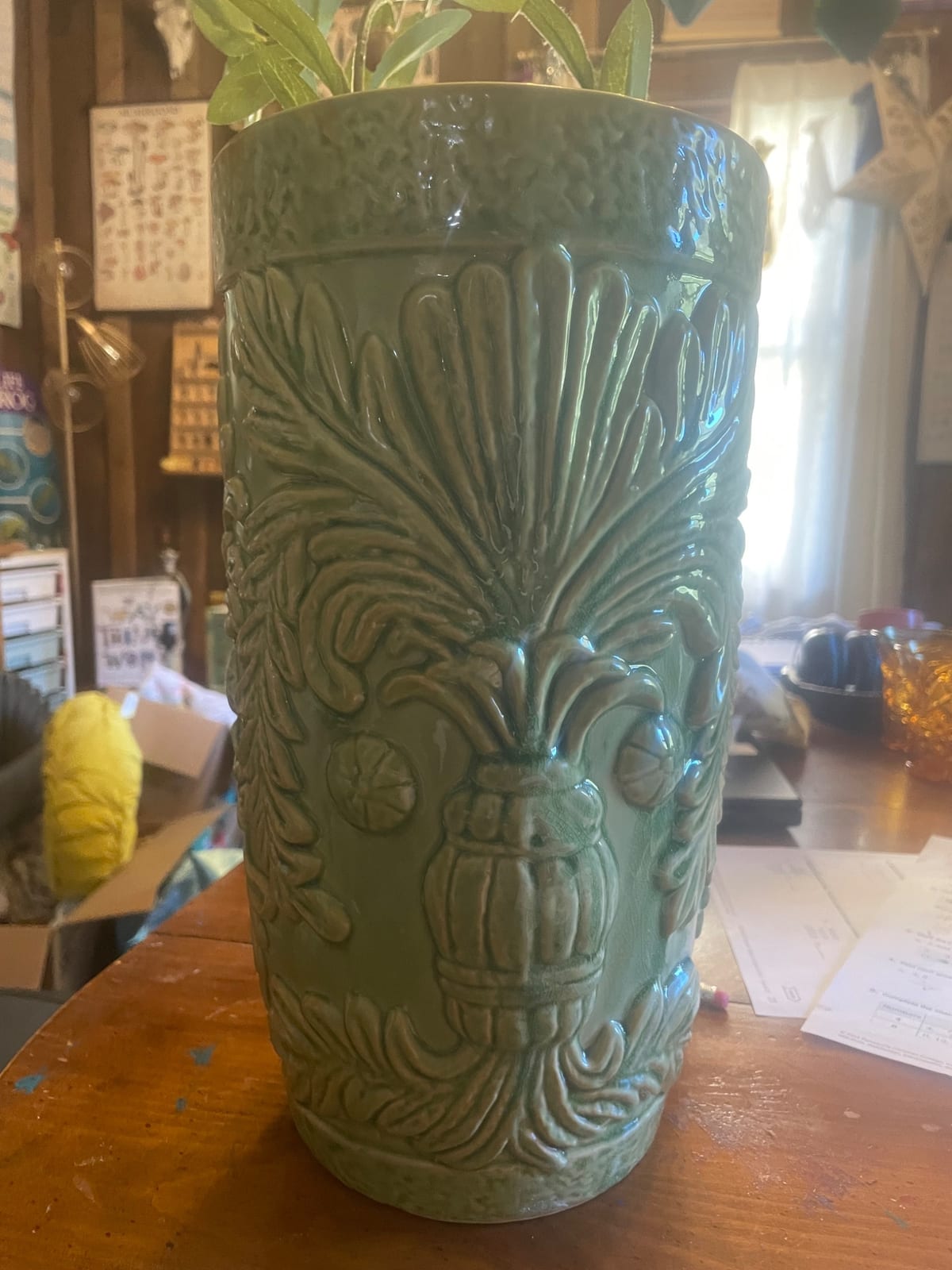
Green glazed ceramic planter or jardiniere with relief mask and foliate decoration
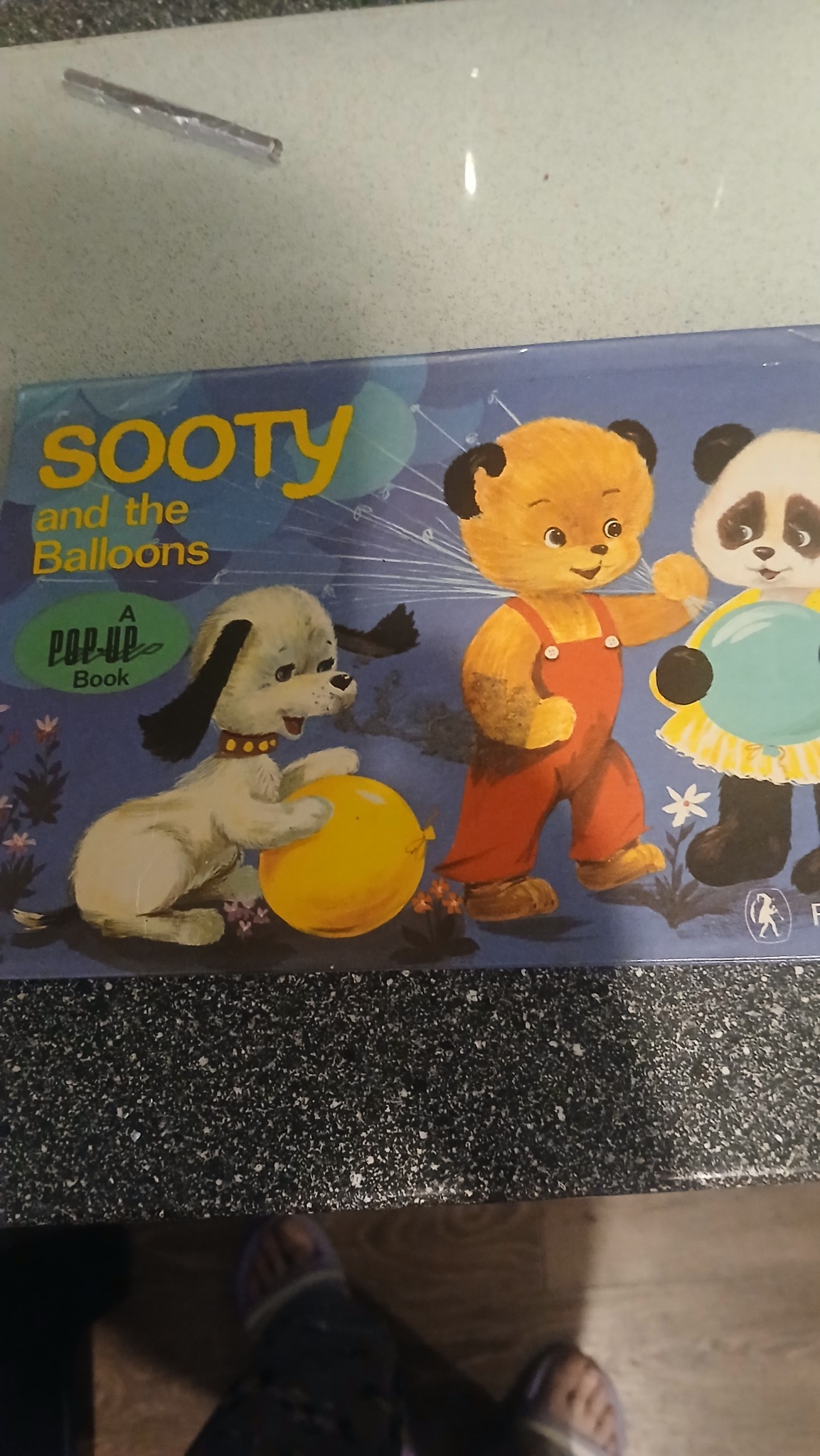
Children's pop-up picture book titled "Sooty and the Balloons"
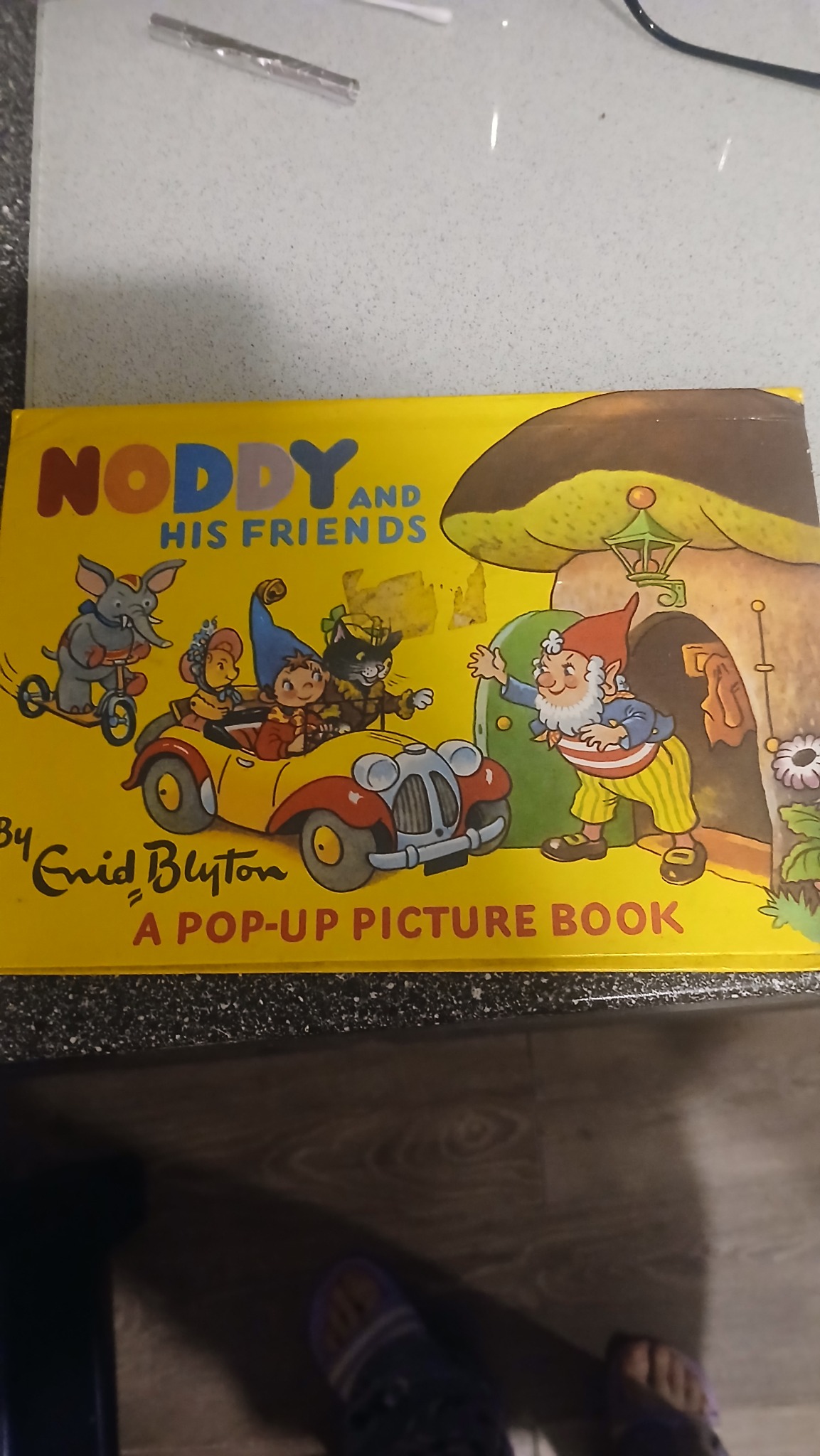
Children's pop-up picture book: "Noddy and His Friends" by Enid Blyton
Round coiled woven basket or tray
Marked cast metal vessel or lid (exact form unknown)
Unidentified maker's mark or hallmark stamp
Metal cylindrical vessel or container with stamped maker's mark