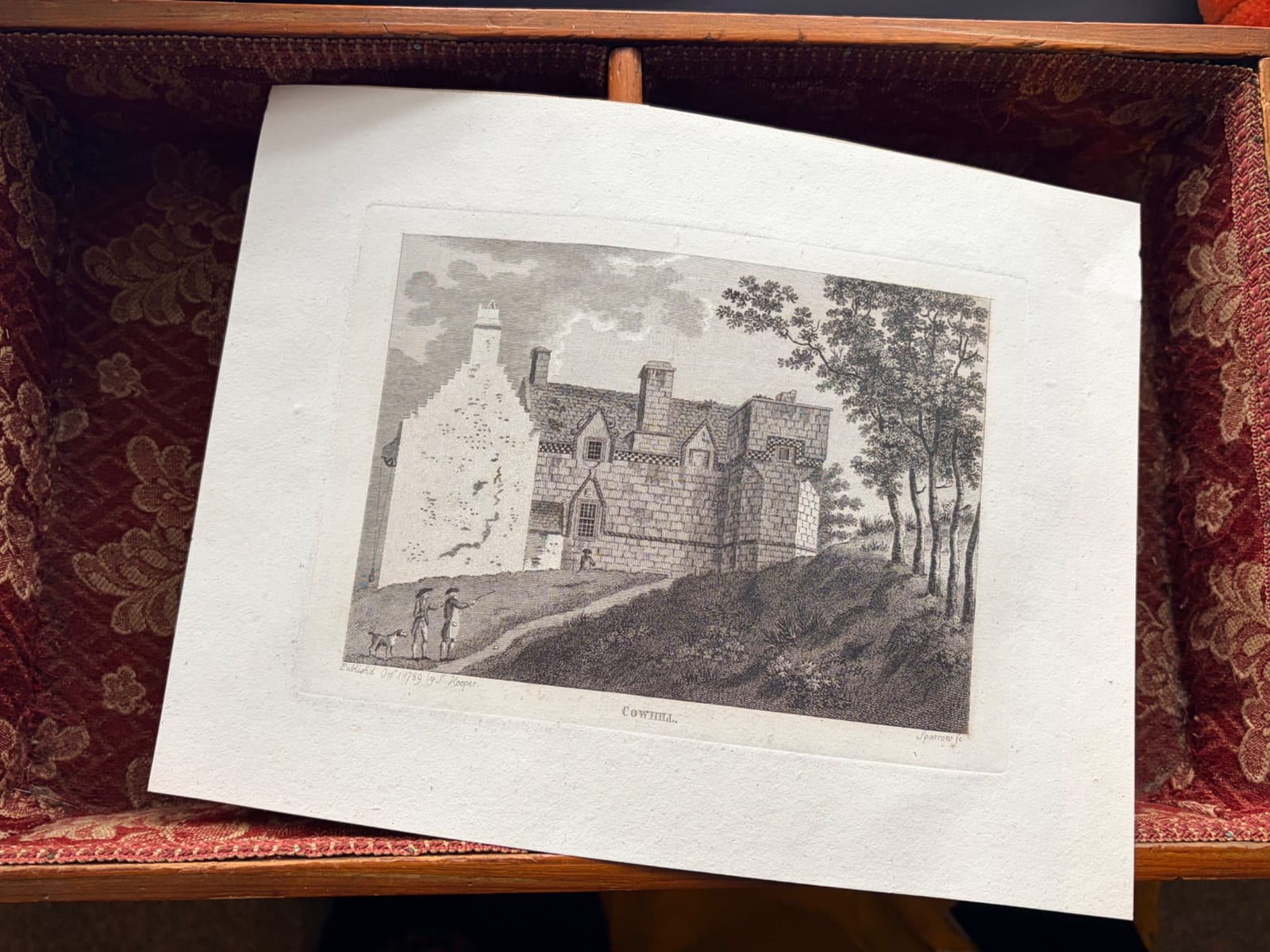
Antique engraved print of Cowhill (likely a topographical or architectural view)
Estimated Value
$75-$250
A monochrome engraved print depicting a rural stone house or estate building labeled 'COWHILL.' The image shows a detailed architectural scene with a steep-roofed stone structure, chimneys, trees, and small figures in the foreground. The style suggests a late 18th-century topographical or antiquarian print, likely produced for a book, atlas, or local history publication. The lower margin appears to include an inscription reading 'Published Oct. 1, 1789 by J. Hooper' and an artist/engraver credit that is partially legible, possibly 'Sparrow sc.' The print is finely detailed and typical of period line engraving or stipple engraving.
Era
Late 18th century, likely Georgian Era (c. 1780s-1790s)
Origin
United Kingdom, likely Scotland or England
Material
Paper with engraved/etched ink print
Condition
Good overall condition for age; visible toning, light foxing, and minor edge wear. The print appears mounted on a larger sheet, with no obvious major tears or heavy staining visible in the image.
Physical Details
Dimensions
Print image approximately 6-8 inches wide; sheet approximately 12-16 inches wide, based on visible proportions
Weight
Light
Authentication
Authenticity Score
Medium-High; the paper, engraving style, and period inscription are consistent with an original 18th-century print, though confirmation would require close inspection of paper, plate marks, and any watermarks or verso details.
Provenance
Likely from a late 18th-century British topographical publication or estate survey. The inscription suggests publication in 1789, possibly by a London or regional publisher/engraver named J. Hooper. Exact provenance is unknown from the image alone.
Historical Significance
Late 18th-century topographical prints are historically significant as visual records of architecture, estates, and landscapes before modern development. If original, this example may document a specific property or locality and reflect the era's interest in antiquarian and picturesque subjects.
This identification and value range are AI-generated research aids, not authentication, certification, or a formal appraisal. Learn about the limitations and when to consult a qualified professional appraiser.
Research this item further
Related Identifications
Browse all →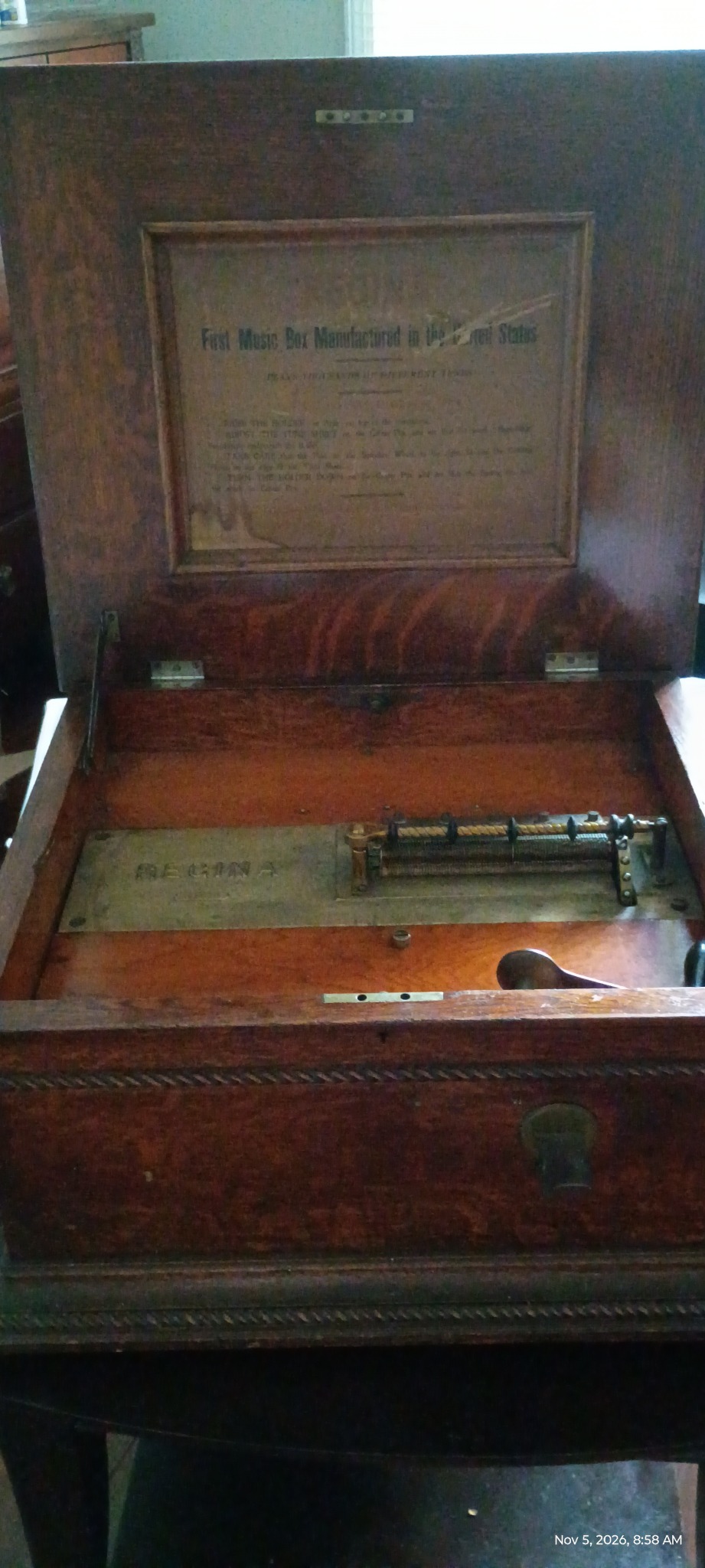
Cabinet-style cylinder music box / disc music box (likely Regina or similar)
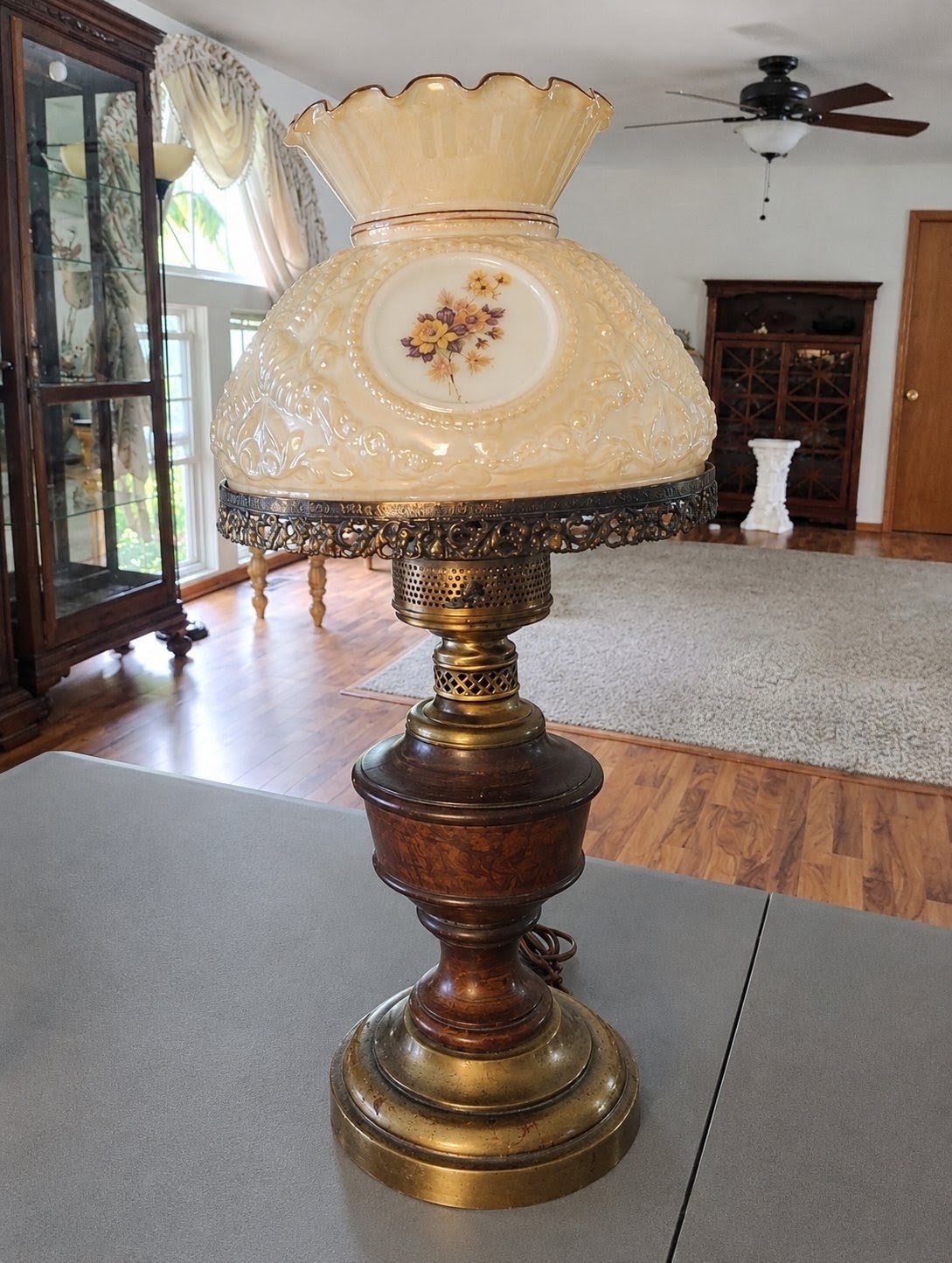
Victorian-era parlor lamp with ornate brass base and painted glass shade
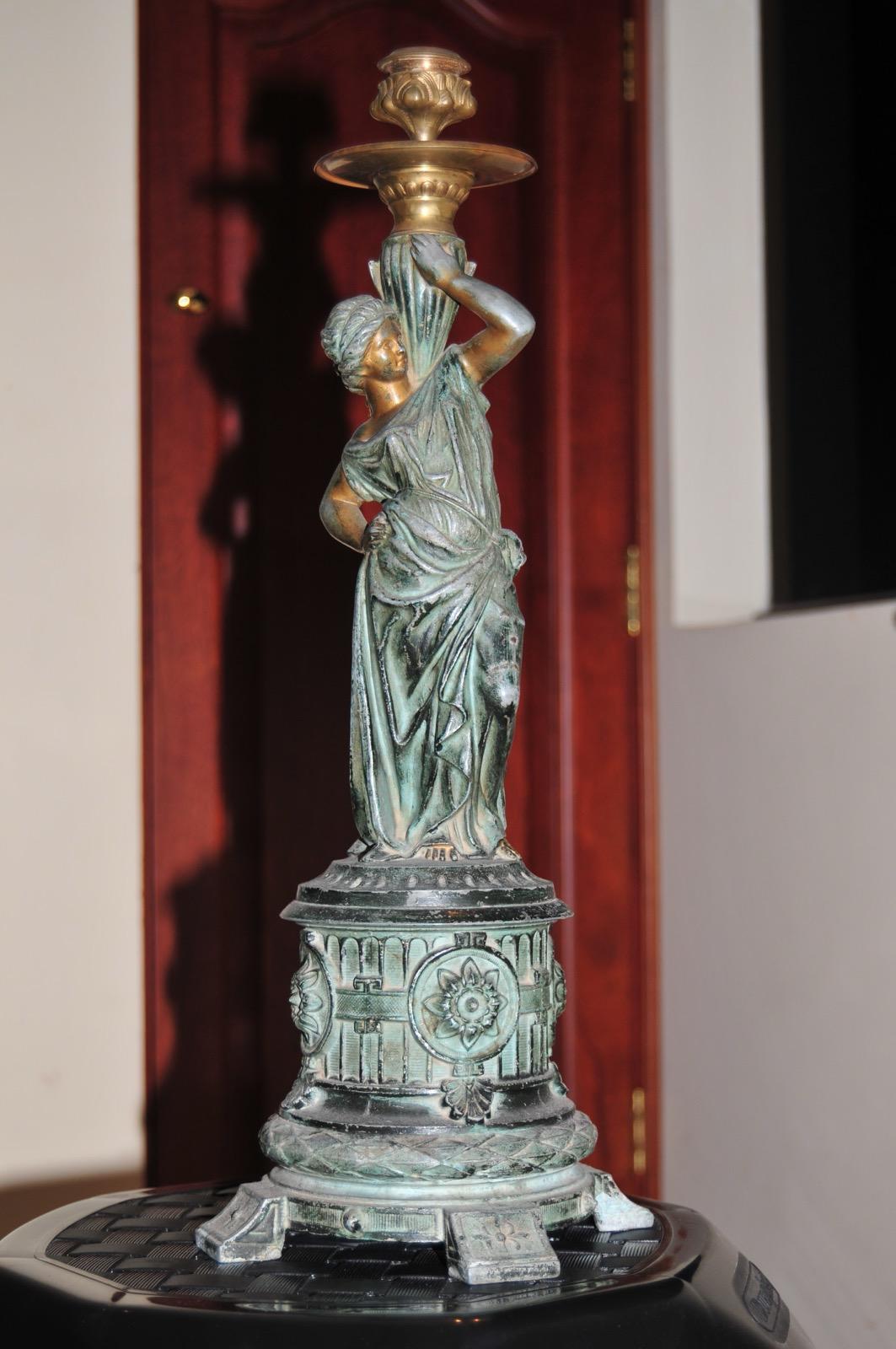
Figural bronze candlestick or lamp base with classical female figure
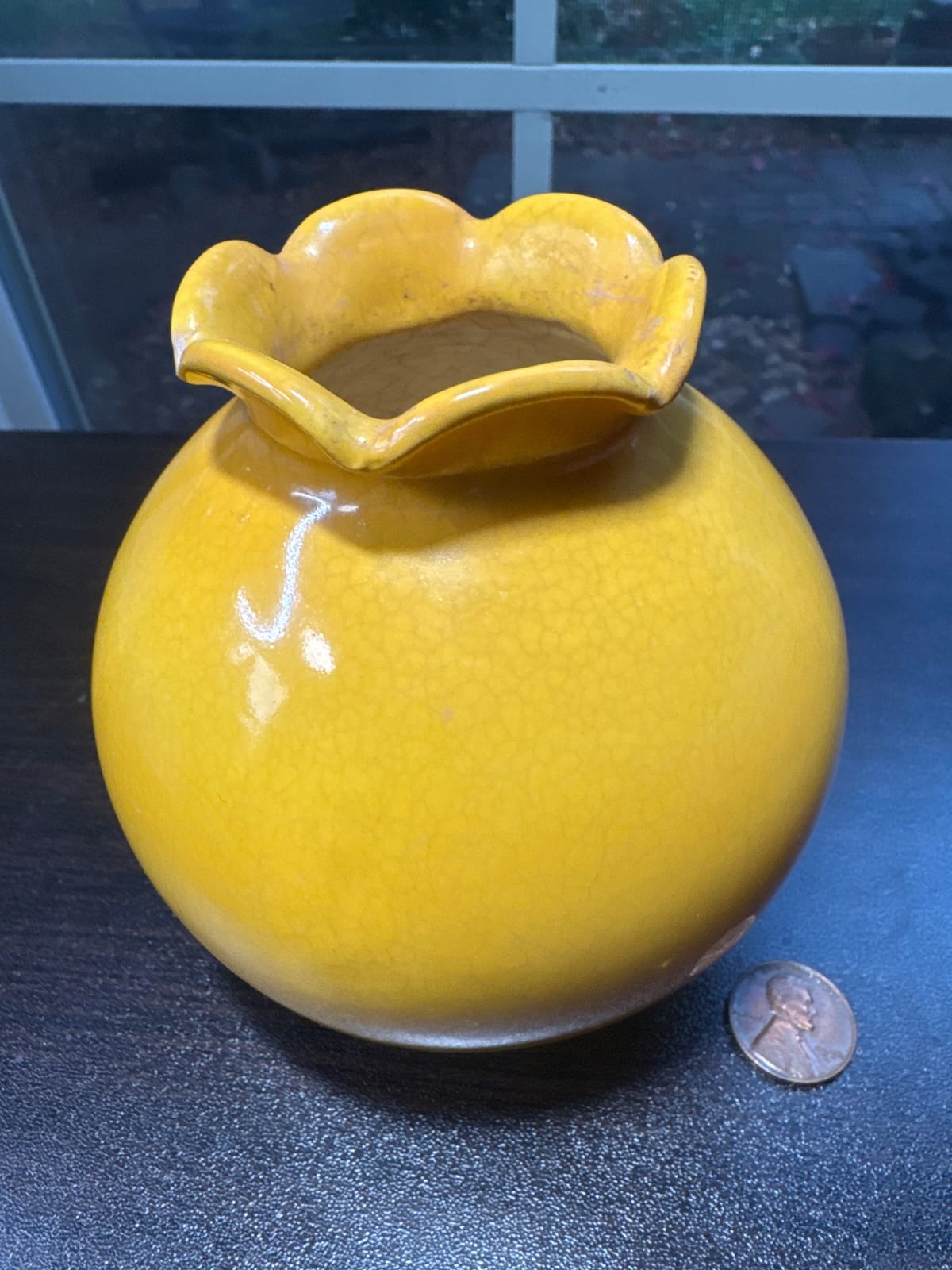
Yellow glazed ceramic bud vase / small decorative vase
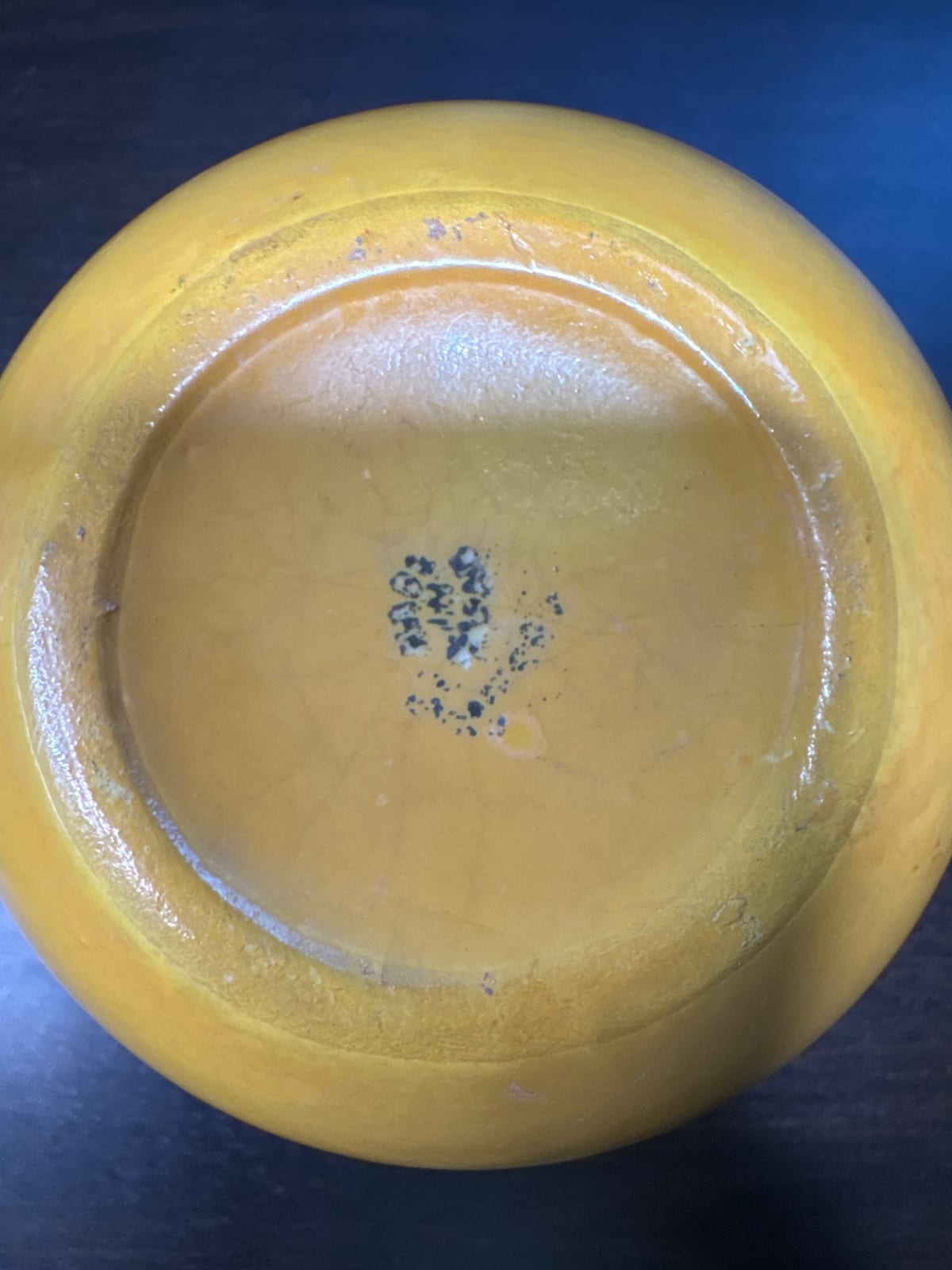
Yellow glazed ceramic vessel or bowl (base view)
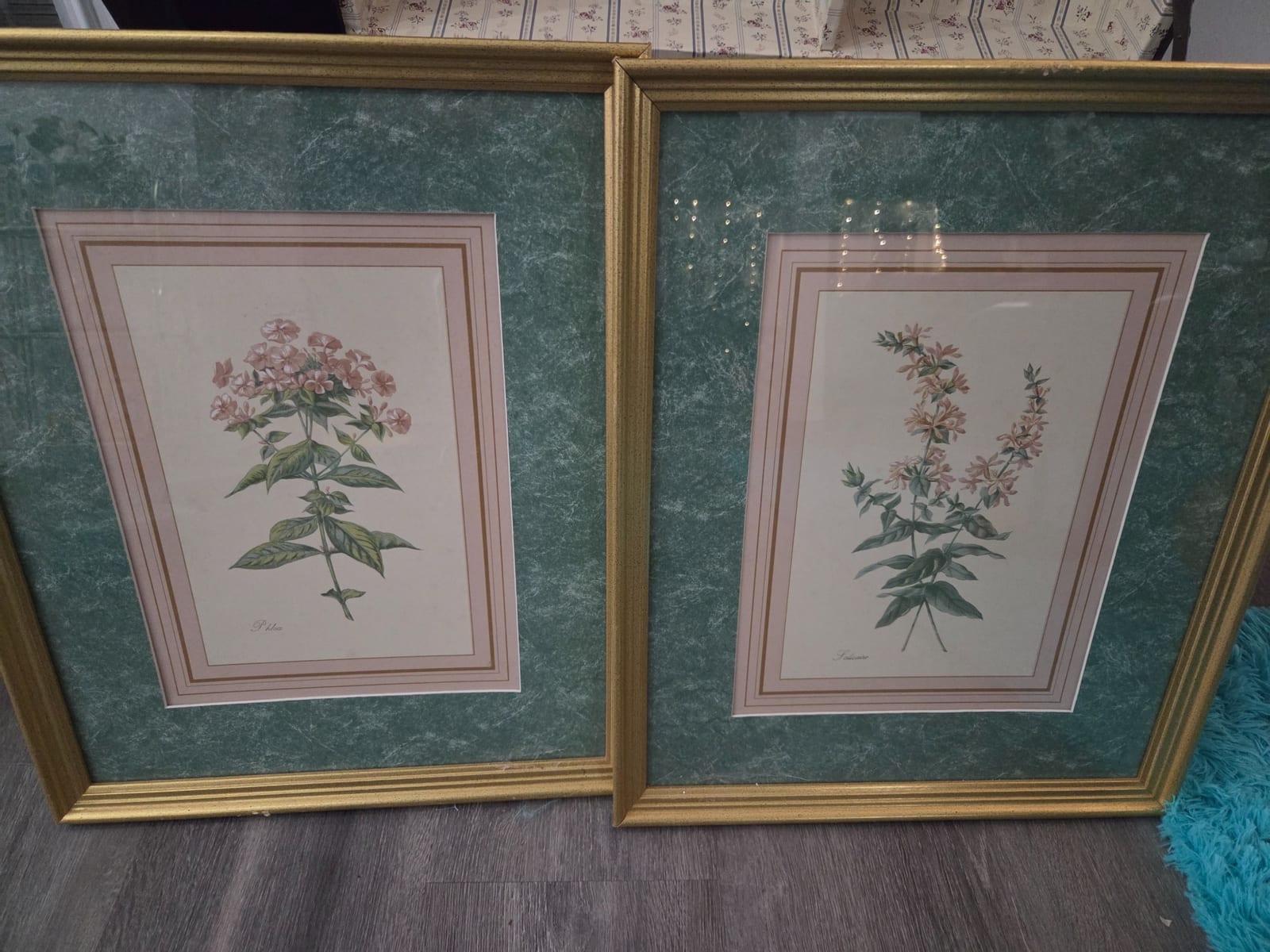
Pair of framed botanical flower prints
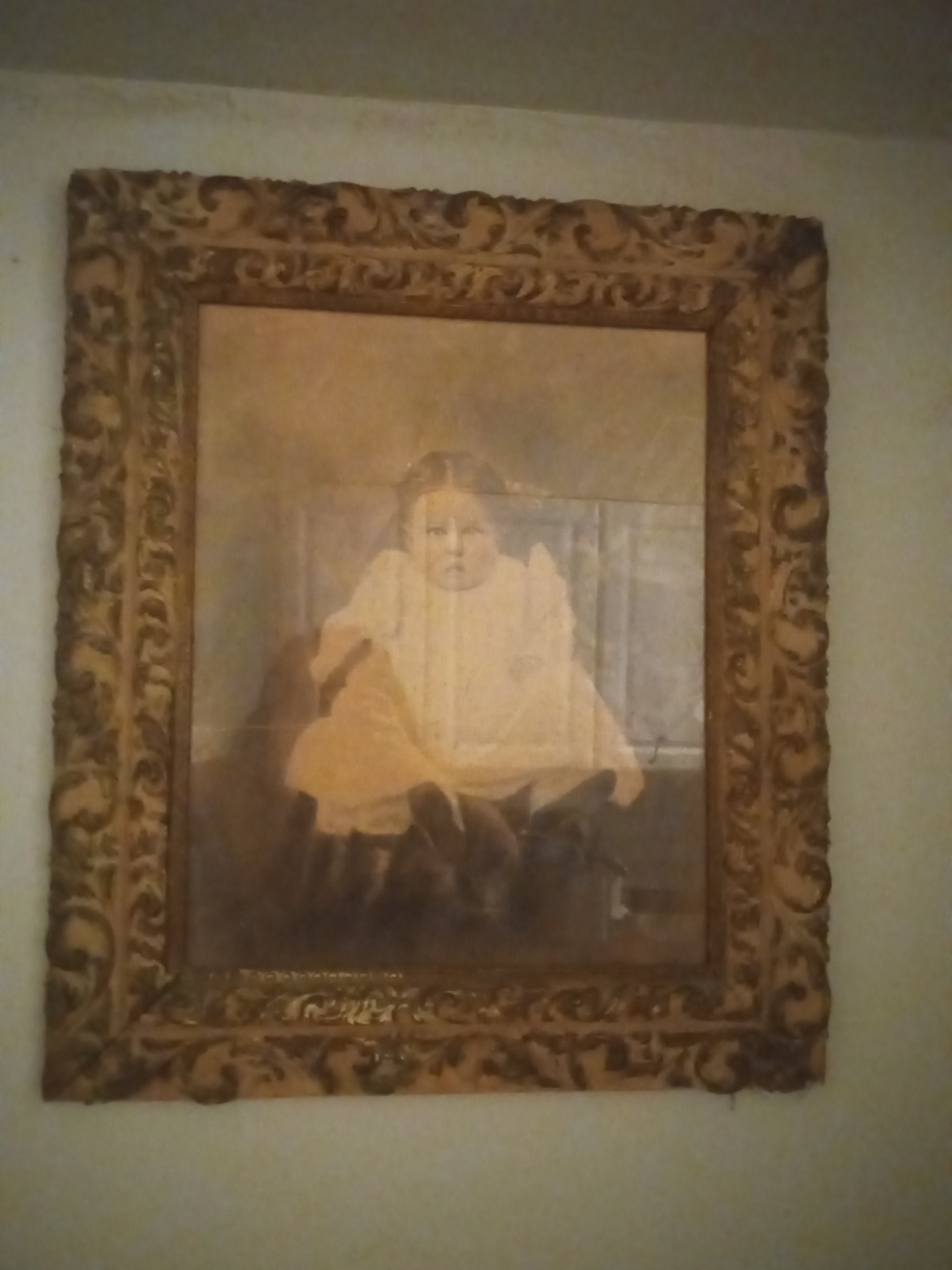
Framed portrait print or painting of a child in an ornate carved frame
Decorative fantasy art print featuring a phoenix or firebird