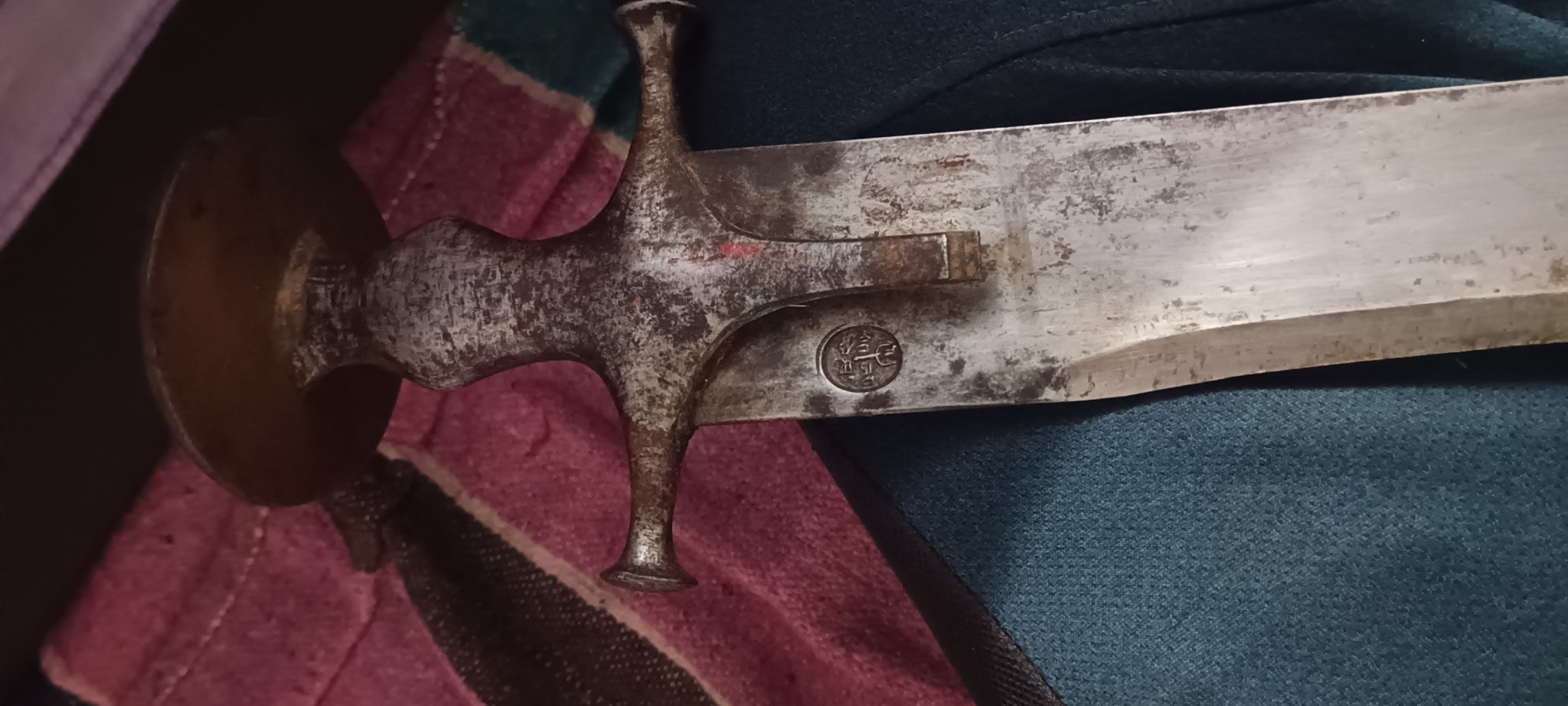
Antique sword or short saber with disc guard
Estimated Value
$150-$500
The image shows a large single-edged blade with a broad, straight-to-slightly curved profile and a substantial metal hilt. The hilt includes a prominent disc-shaped guard or pommel element and a central grip section with a utilitarian, hand-forged appearance. A circular maker's mark or stamp is visible on the blade near the hilt, but it is not legible enough to identify the maker with confidence. The overall construction suggests a functional weapon rather than a decorative replica, though the exact type is difficult to determine from the partial view. The piece may be a regional sword, saber, or short sword/knife form with traditional forging characteristics.
Era
Late 19th century to early 20th century (approximate; exact dating unknown)
Origin
Likely South Asian or Middle Eastern region, possibly Indian or Ottoman-influenced; exact origin unknown
Material
Steel blade and hilt, possibly iron or brass fittings
Condition
Fair to Poor; heavy surface oxidation, pitting, tarnish, and wear visible on the hilt and blade. Blade appears intact in the visible section, but overall preservation is poor and may affect value.
Physical Details
Dimensions
Estimated visible blade width approximately 2-3 inches; overall length unknown, likely 24-36 inches or more based on proportions
Weight
Medium
Authentication
Authenticity Score
Medium; the wear, patina, and construction appear consistent with an old forged blade, but the image is insufficient to confirm age, authenticity, or whether it is an antique versus a later-made traditional piece.
Provenance
Unknown; the visible style and construction suggest a traditional regional weapon, but there is insufficient information to confirm maker, workshop, or exact country of origin.
Historical Significance
Traditional edged weapons of this type can be historically significant as examples of regional metallurgy, martial culture, and craftsmanship. If authenticated, it may represent a locally made utilitarian or ceremonial blade from a period when such weapons were still in use or collected.
Restoration Notes
- •No clear evidence of restoration visible in the image
- •Surface corrosion and wear suggest long-term age or storage exposure
- •Possible cleaning or polishing on the blade surface, though not certain
This identification and value range are AI-generated research aids, not authentication, certification, or a formal appraisal. Learn about the limitations and when to consult a qualified professional appraiser.
Research this item further
Related Identifications
Browse all →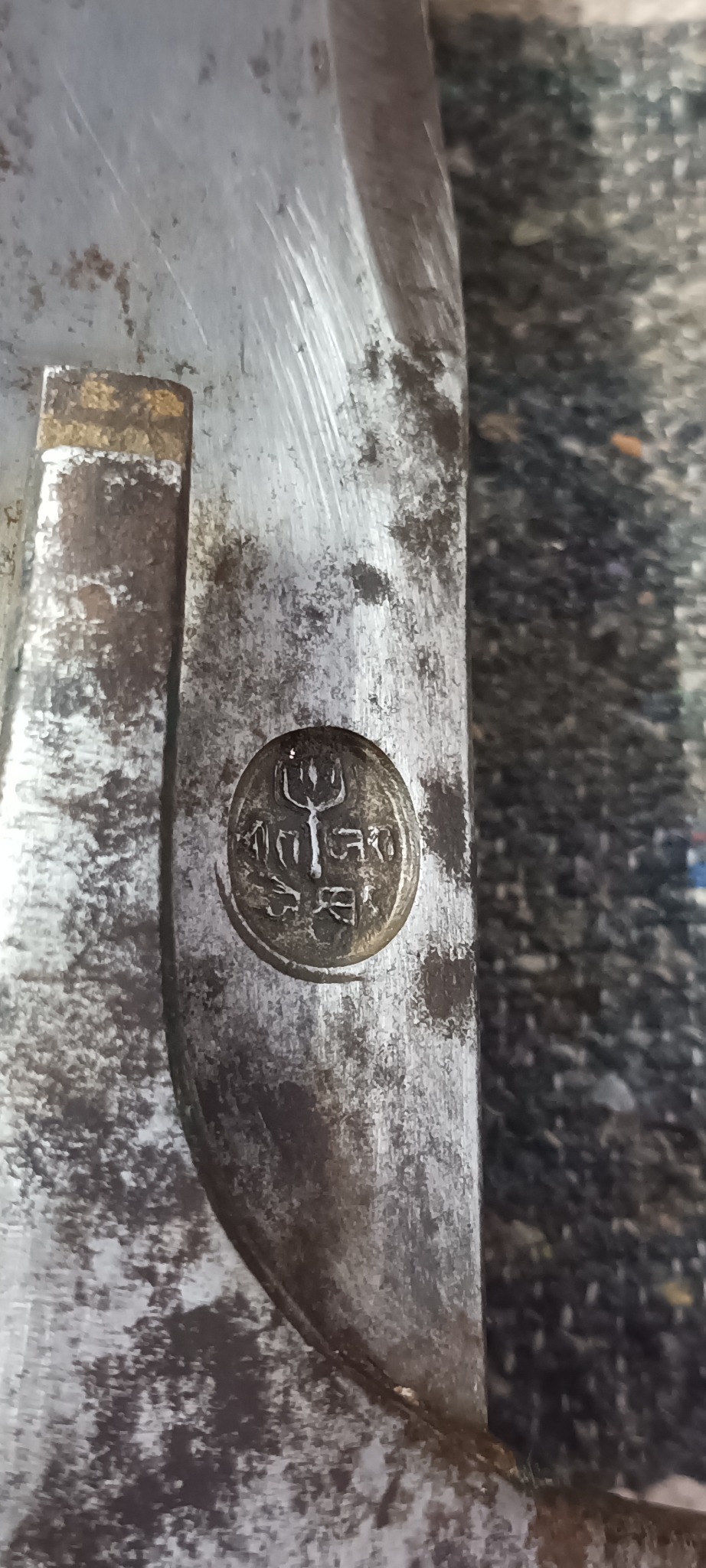
Antique firearm component with maker's proof mark (likely a military or sporting gun part)

Tall narrow chest of drawers / lingerie chest
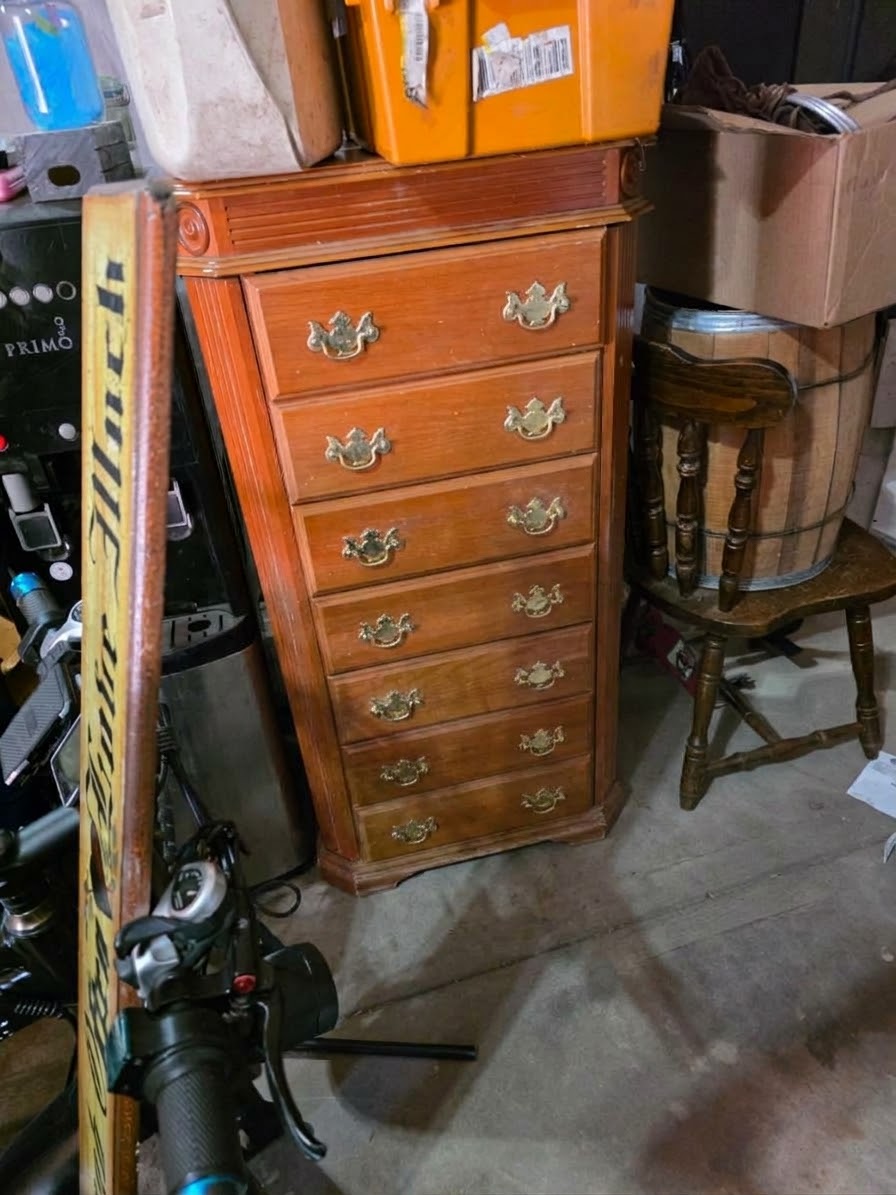
Tall narrow chest of drawers / lingerie chest
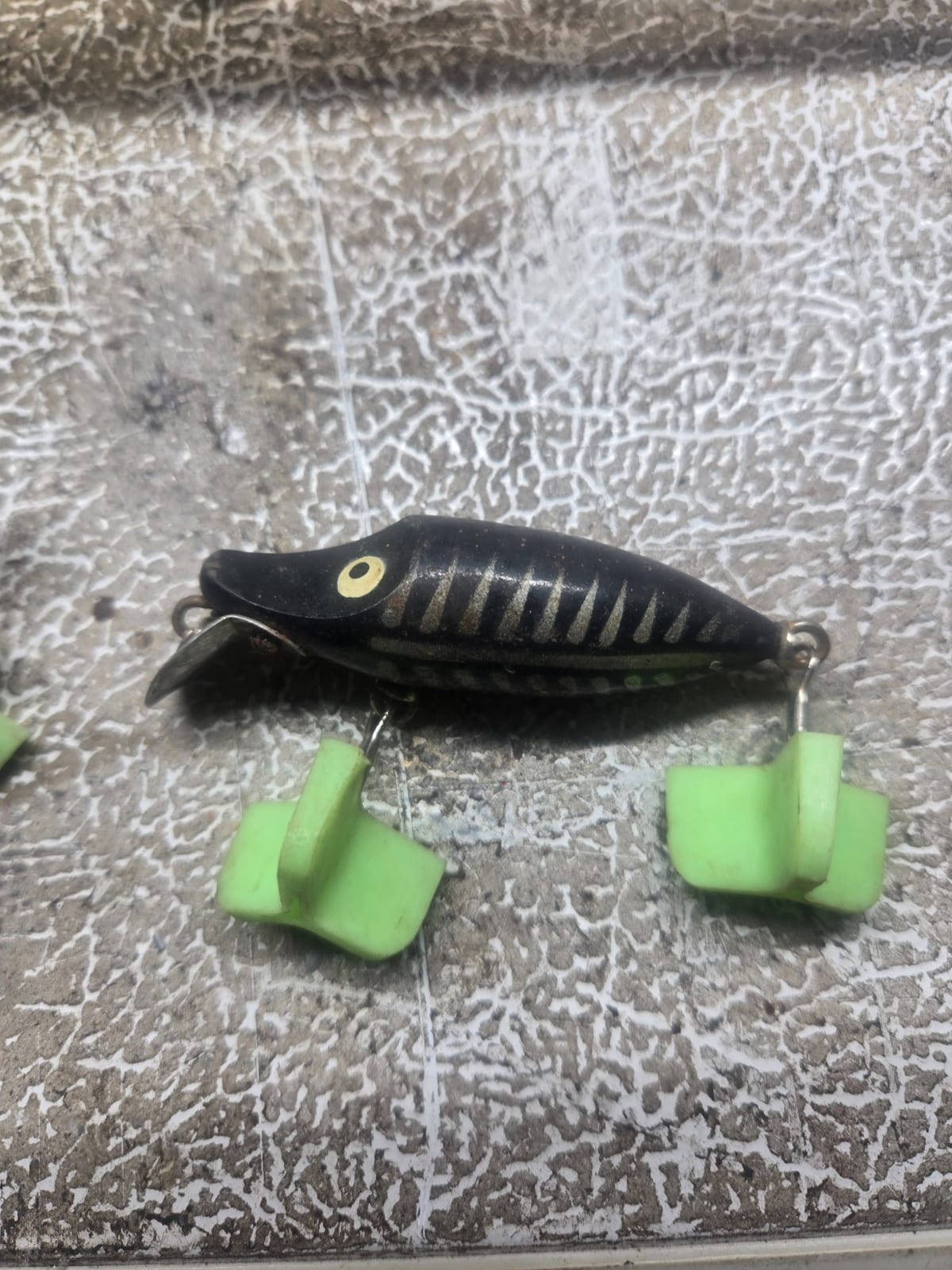
Vintage fishing lure (topwater plug with propeller and rubber tail fins)