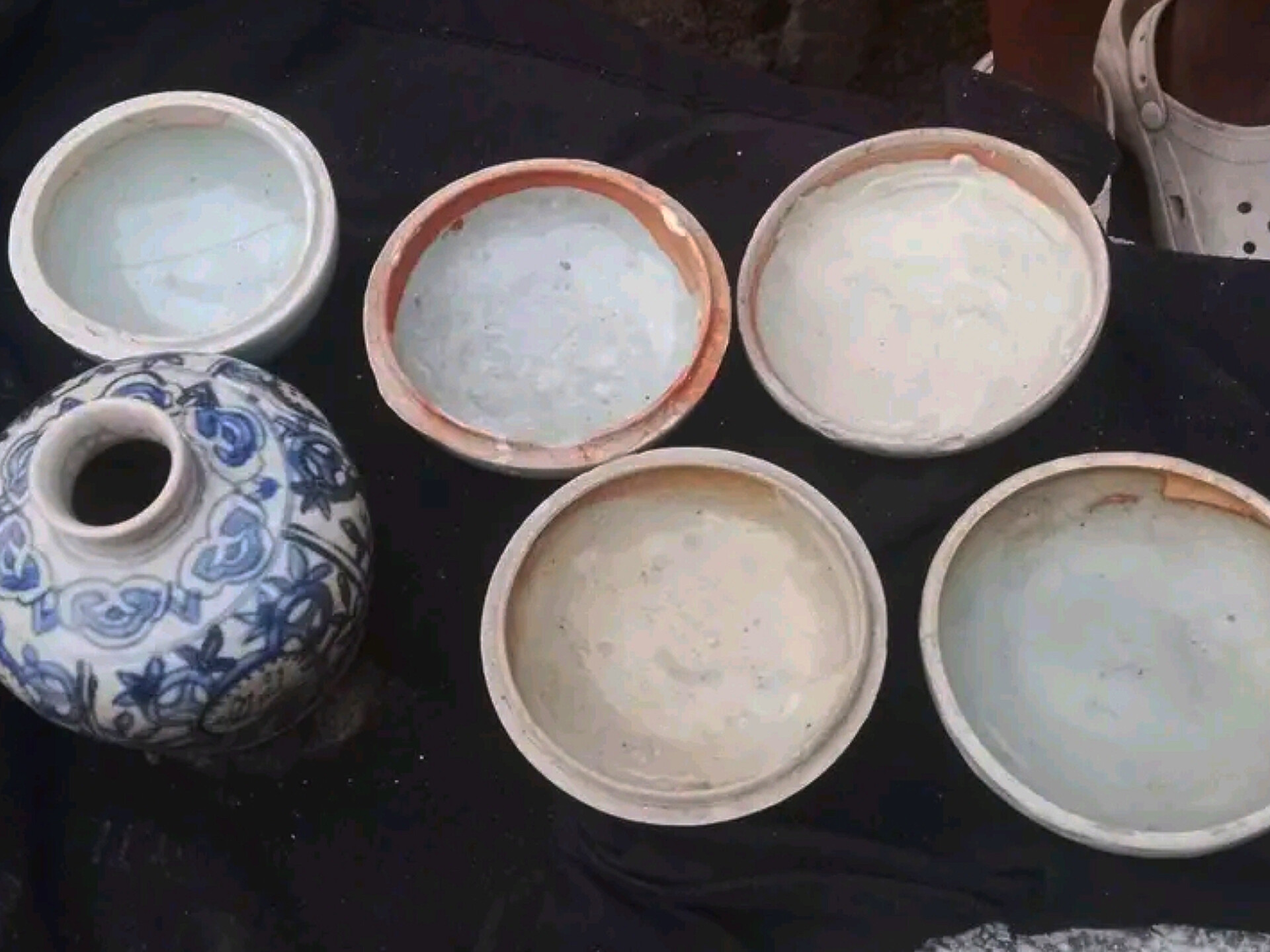
Blue and white ceramic jar or vase with multiple detached lid/base fragments
Estimated Value
$50-$250 as-is; potentially higher if attributable to a known maker, period, or kiln, but current condition significantly reduces value
The image shows a small rounded ceramic vessel with a narrow neck and a blue-and-white floral or scrolling motif. Surrounding it are several shallow circular ceramic pieces that appear to be lids, bases, or matching components from a larger set. The decoration suggests traditional East Asian porcelain or stoneware, with hand-painted underglaze blue designs and a white ground. The pieces exhibit age wear, discoloration, and losses along the rims, indicating they may have been separated from a larger object or are incomplete components of a multi-part container.
Era
Possibly 19th to early 20th century; exact period unknown
Origin
Likely East Asian, possibly Chinese or Japanese
Material
Glazed ceramic/porcelain with underglaze blue decoration
Condition
Fair to Poor; the main vessel appears intact but several detached circular ceramic pieces show heavy wear, chips, edge losses, and possible breakage. Surface grime and age-related staining are visible.
Physical Details
Dimensions
Main vessel approximately 6-9 inches tall; detached circular pieces approximately 4-7 inches in diameter
Weight
Light to Medium
Authentication
Authenticity Score
Medium-Low; the ceramic appears plausibly antique or vintage, but the image does not show maker's marks, base stamps, or enough detail to confirm age, origin, or authenticity with confidence
Provenance
Likely from an East Asian domestic or export ceramic tradition; exact workshop, region, and date cannot be determined from the image alone
Historical Significance
Blue-and-white ceramics are historically significant in East Asian decorative arts and trade, especially Chinese and Japanese porcelain traditions. Even common examples reflect long-established kiln techniques and export aesthetics, though this piece cannot be securely tied to a specific historical context from the image alone.
Restoration Notes
- •Possible prior repairs or reassembly cannot be confirmed from the image
- •Visible edge wear, chips, and losses suggest age-related damage and/or breakage
This identification and value range are AI-generated research aids, not authentication, certification, or a formal appraisal. Learn about the limitations and when to consult a qualified professional appraiser.
Research this item further
Related Identifications
Browse all →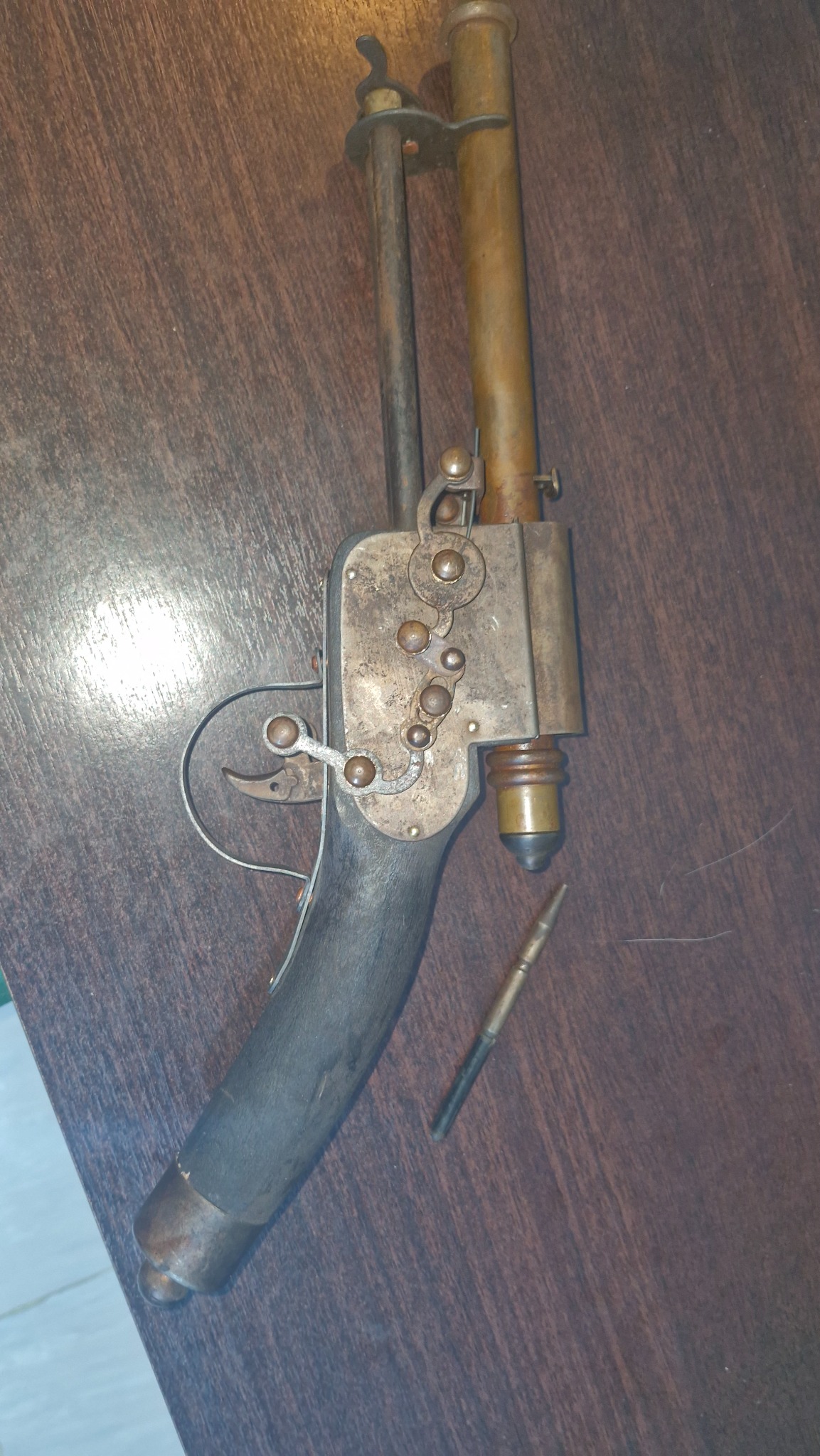
Antique percussion ignition pistol mechanism / early signal or flare pistol component
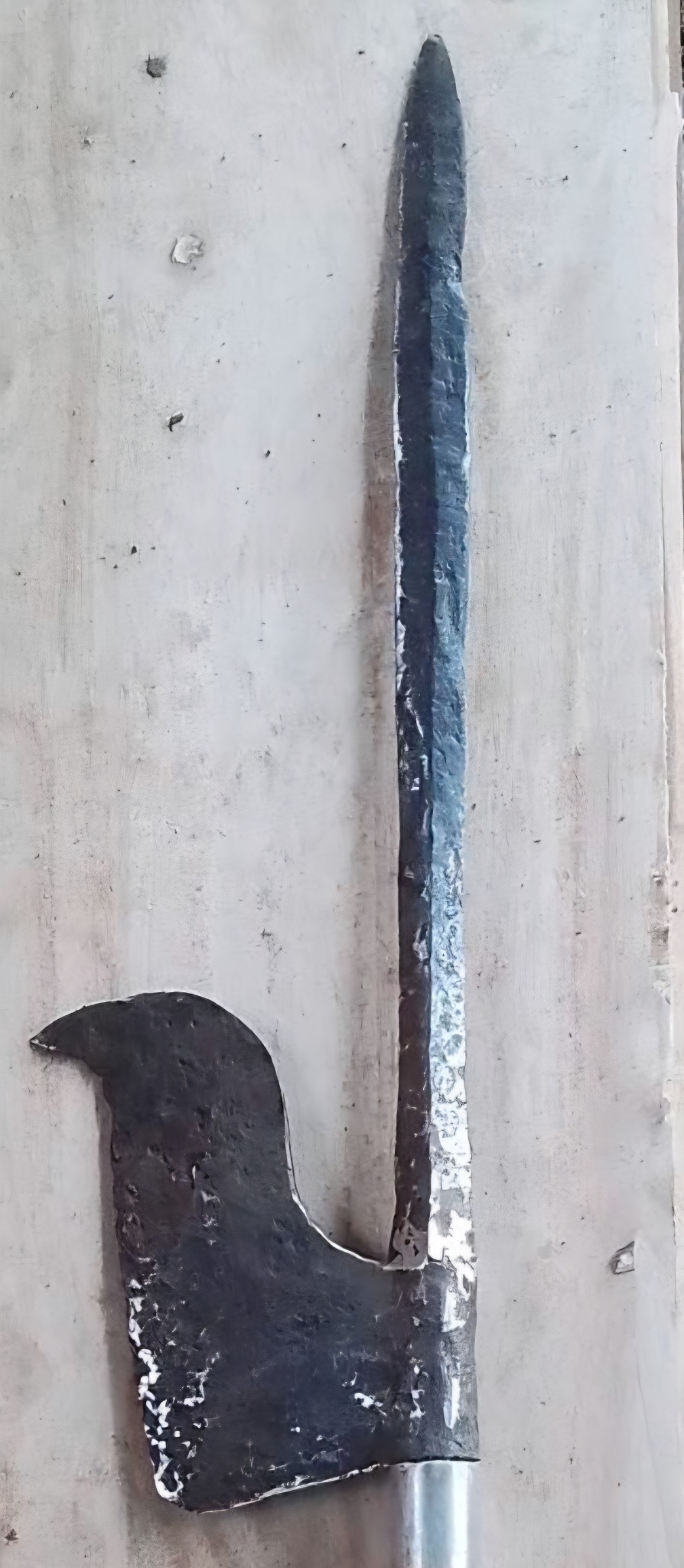
Hand-forged iron spearhead or lance head
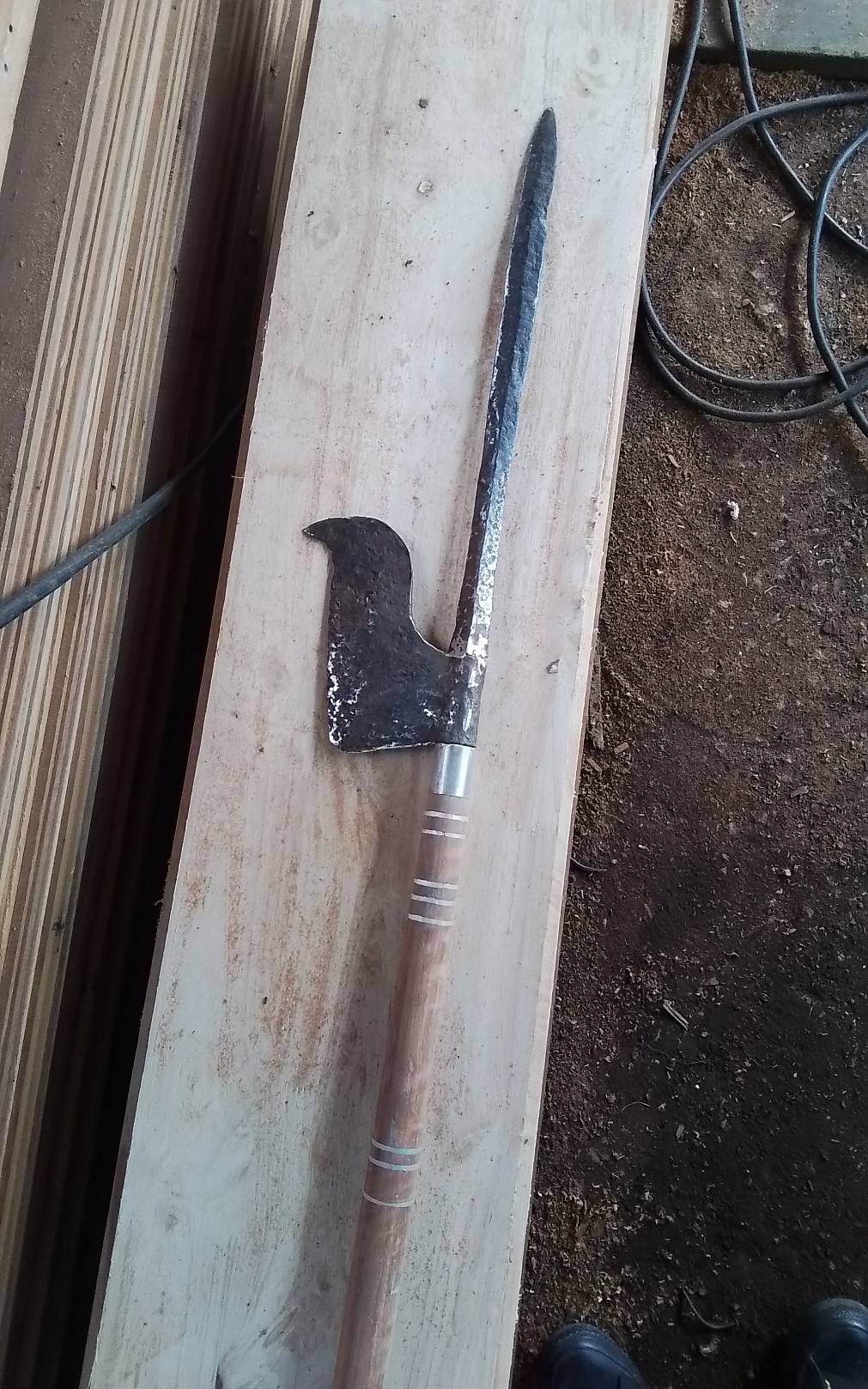
Hand-forged agricultural blade/hoe-like tool on wooden handle
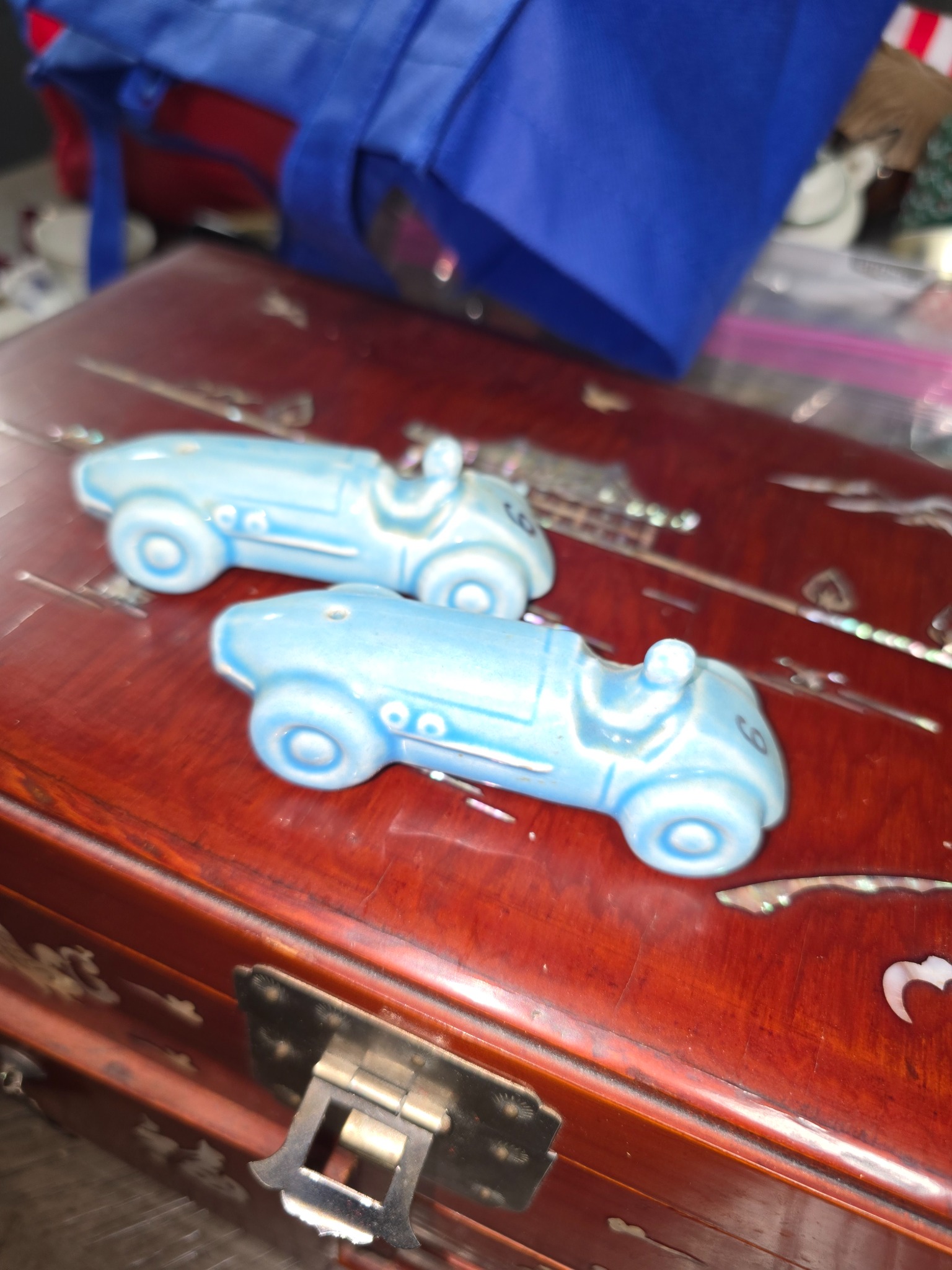
Pair of ceramic race car figurines
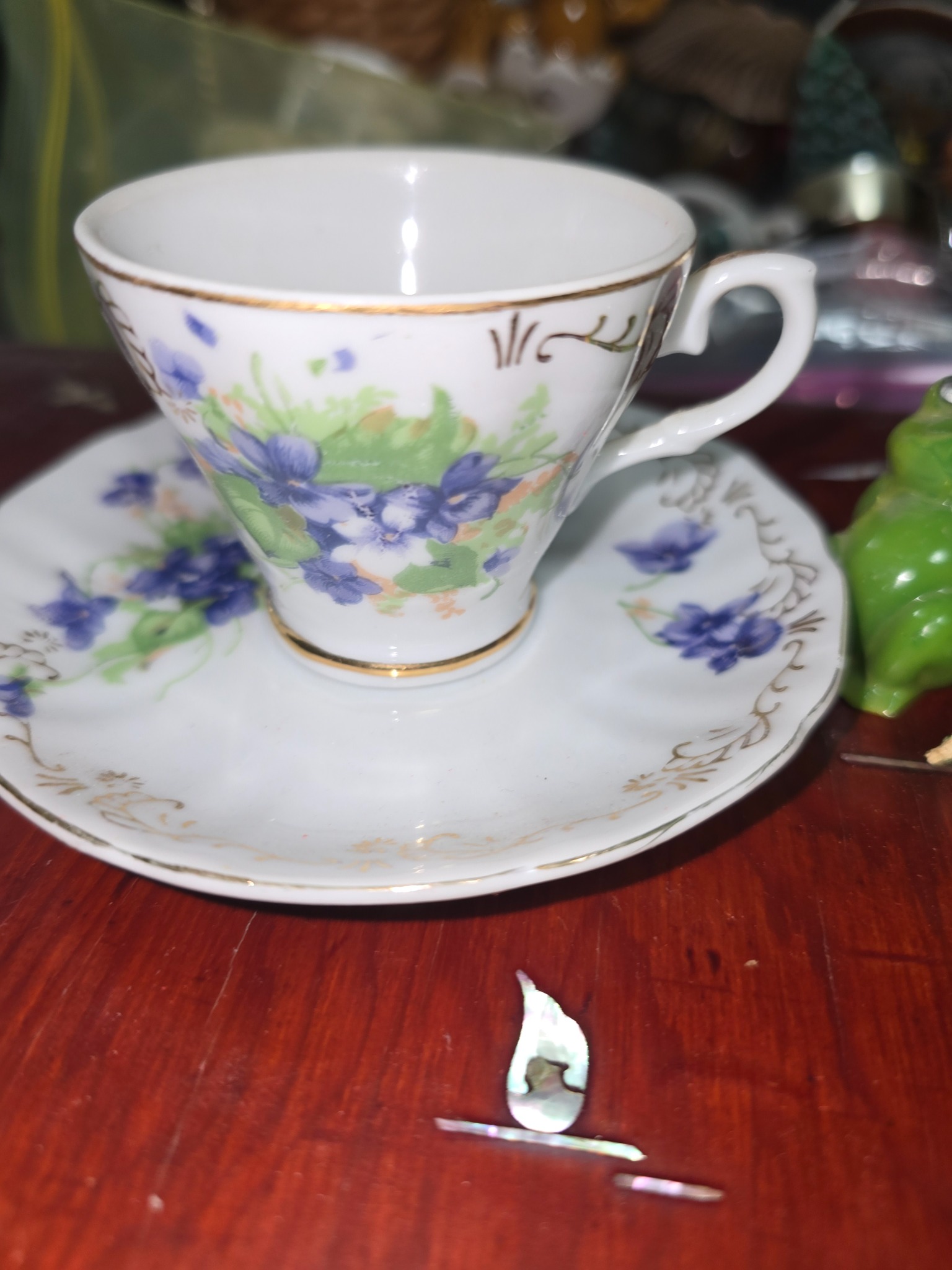
Floral porcelain teacup and saucer
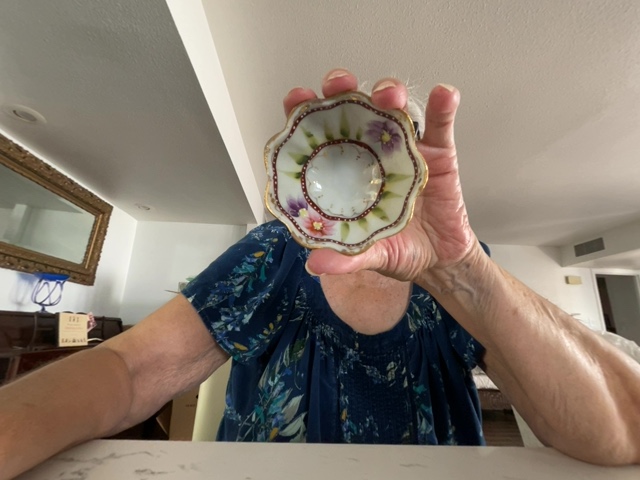
Small hand-painted porcelain nut dish or open salt cellar