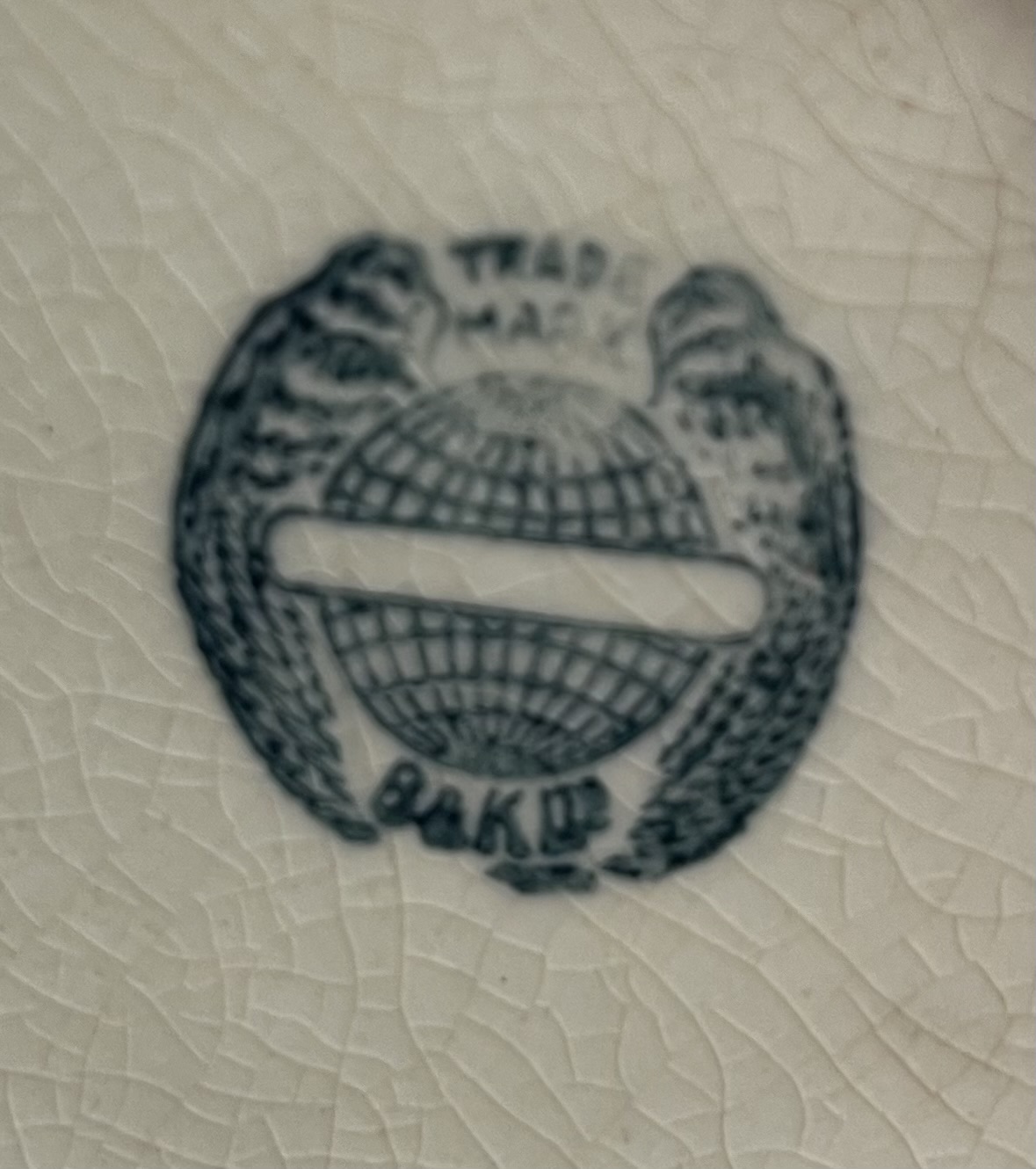
Ceramic maker's mark with winged globe emblem (likely transfer-printed pottery mark)
Estimated Value
$20-$150 depending on the full object, maker identification, and condition
The image shows a blue printed pottery mark featuring a winged globe or winged shield motif surrounding a central globe-like form, with text above and below that is partially legible. The lower text appears to include 'OAK' or 'OAKD' and the upper text may read something like 'TRADE MARK,' though the photo is too blurred to confirm. This type of mark is commonly found on ceramic tableware, jugs, pitchers, or decorative wares. The body visible around the mark has pronounced crazing in the glaze, consistent with older ceramic pieces. Without a clearer view of the entire object and the full mark, precise maker identification is not reliable.
Era
Late 19th to early 20th century (approx. 1890s-1930s)
Origin
Likely England or United States; exact origin unknown from the mark alone
Material
Glazed ceramic/earthenware or stoneware with blue transfer-printed mark
Condition
Good overall for the visible mark area; the glaze shows typical age-related crazing. No obvious chips or cracks are visible in this close-up, though the image is limited.
Physical Details
Dimensions
Unknown; only a close-up of the mark is visible
Weight
Unknown
Authentication
Authenticity Score
Medium-Low; the mark appears period-appropriate and genuine, but the maker and exact object cannot be confirmed due to blur and partial visibility
Provenance
Likely from a mass-produced pottery or ceramic manufacturer using a transfer-printed trademark; exact factory and country cannot be determined confidently from this image alone.
Historical Significance
Winged globe-style trademarks were widely used by ceramic manufacturers in the late 19th and early 20th centuries to brand tableware and decorative pottery. If identified to a specific maker, the piece could have stronger collector interest, but the mark alone is not especially rare.
This identification and value range are AI-generated research aids, not authentication, certification, or a formal appraisal. Learn about the limitations and when to consult a qualified professional appraiser.
Research this item further
Related Identifications
Browse all →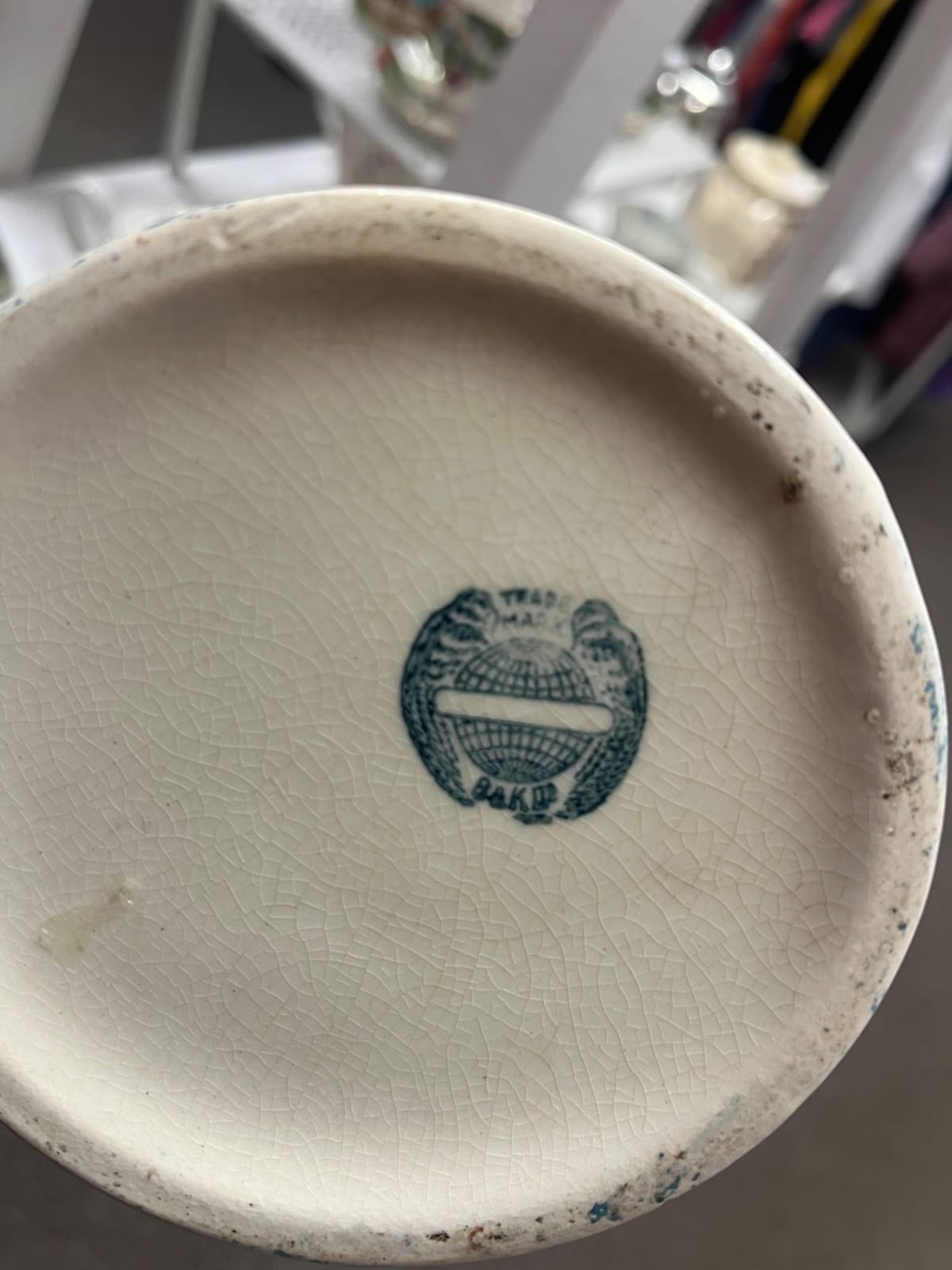
Ceramic pottery vessel or vase with printed maker's mark (likely Wedgwood-style transfer mark)
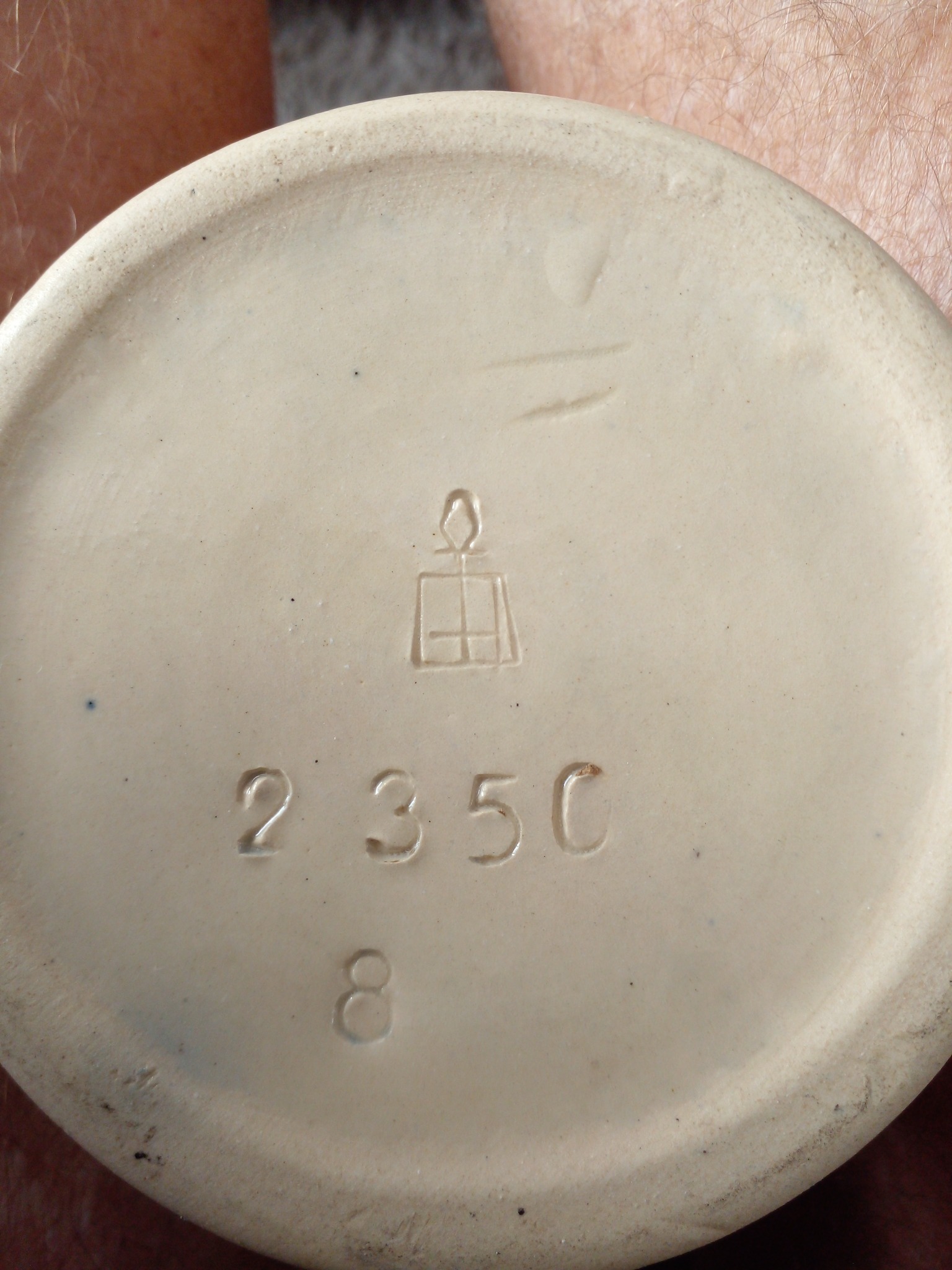
Marked ceramic/porcelain base of a small decorative vessel or figurine
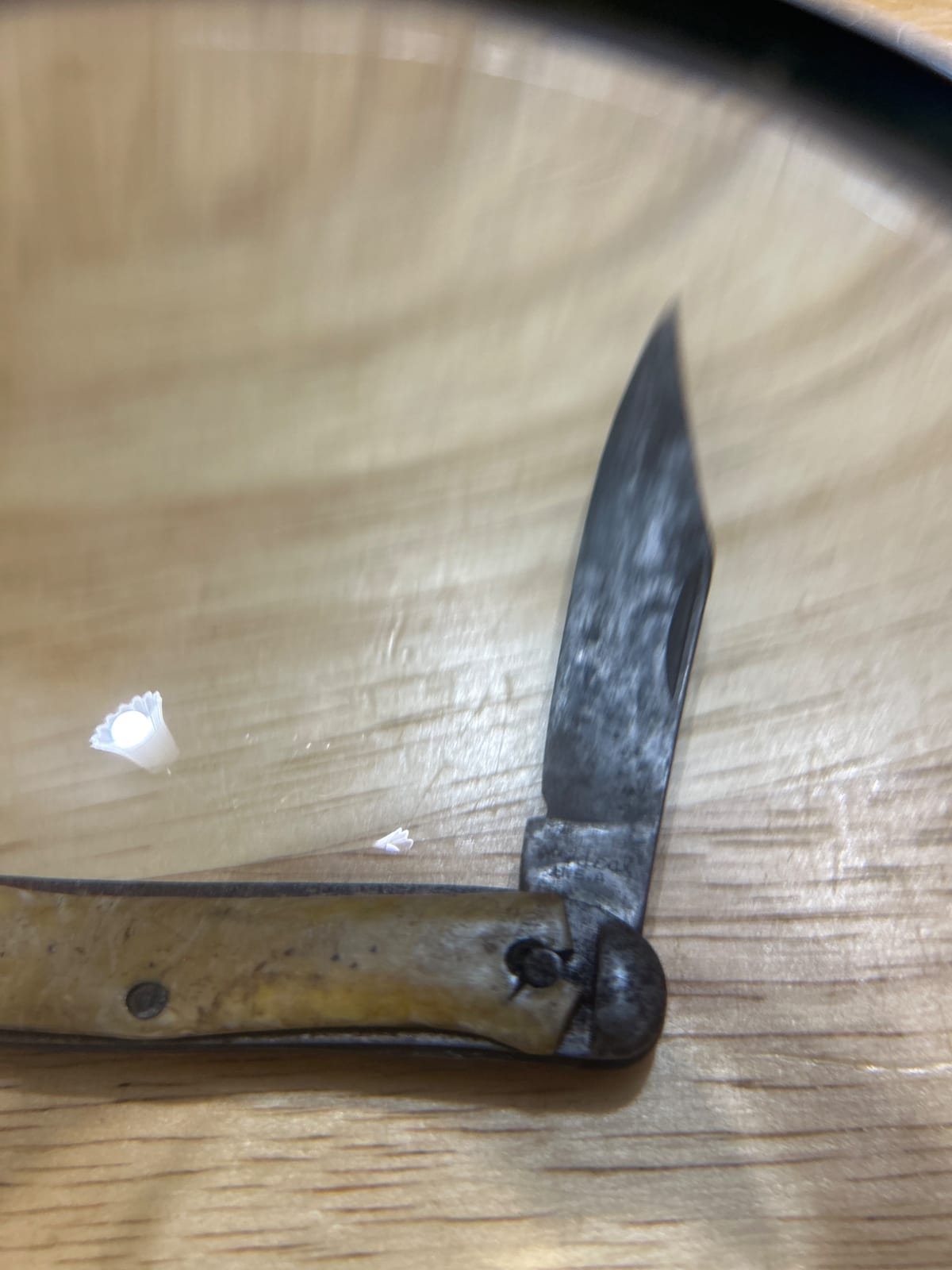
Vintage folding pocket knife
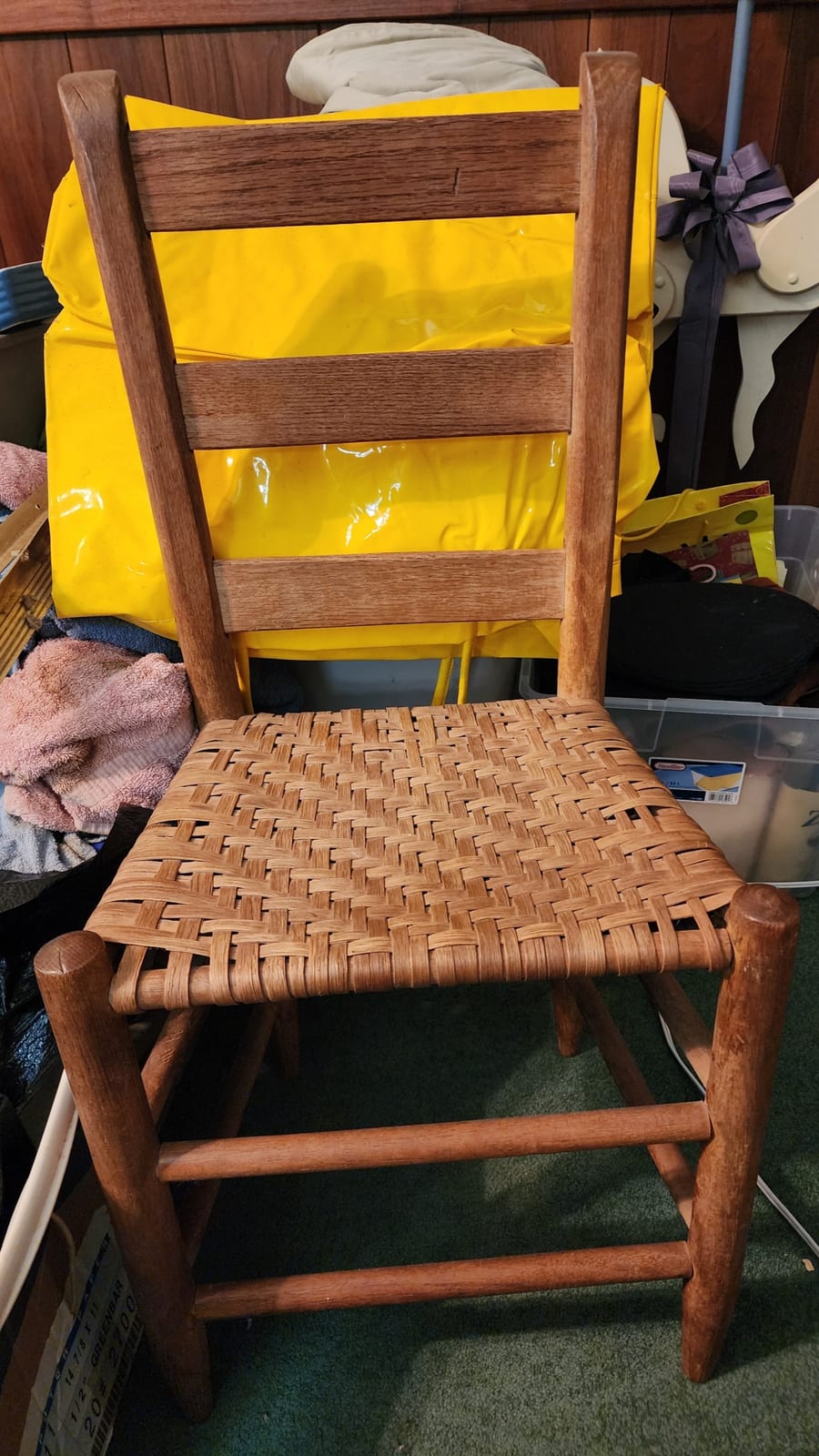
Rustic woven-seat ladder-back chair
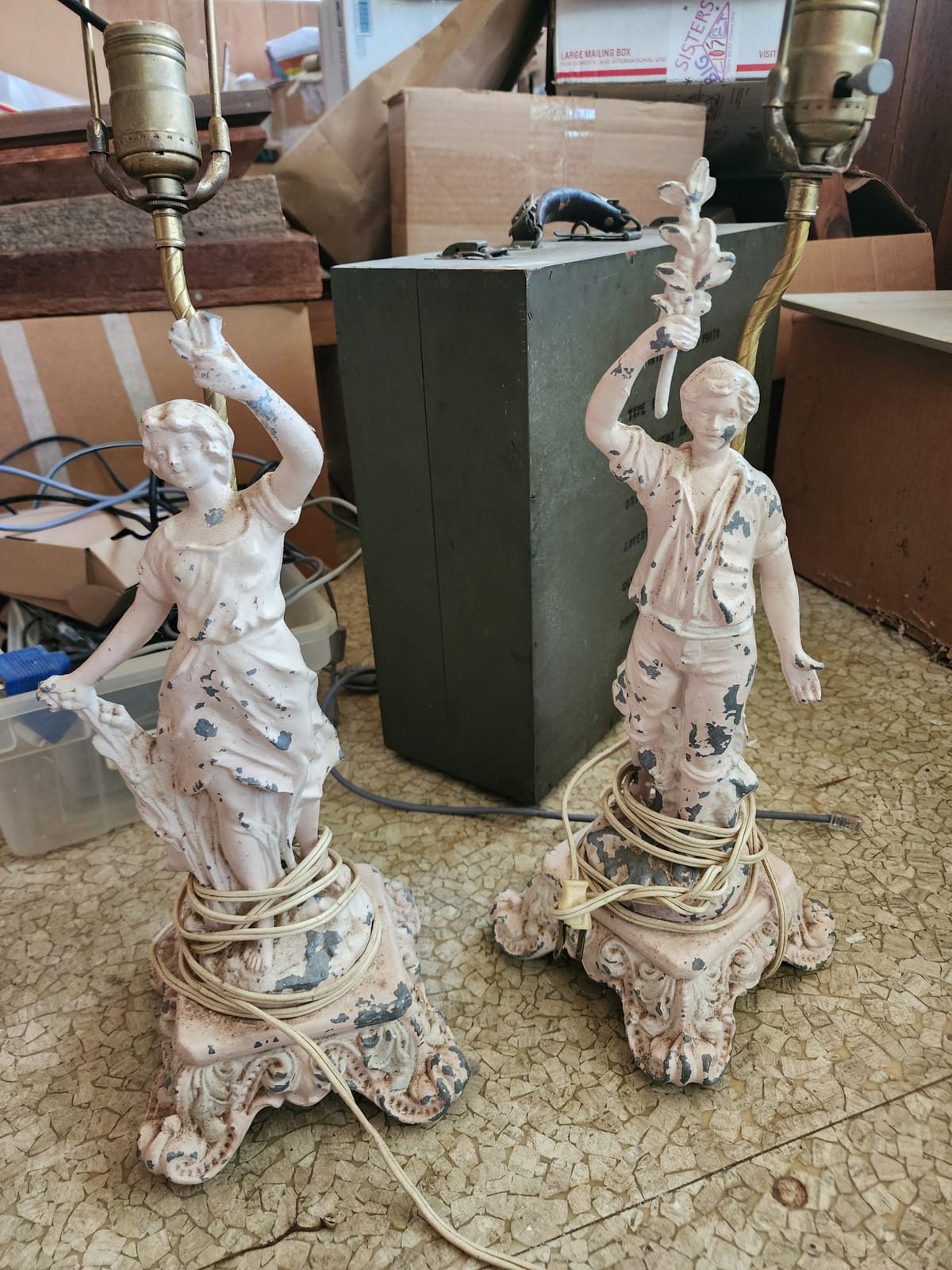
Pair of cast metal figural table lamps with female and male classical figures
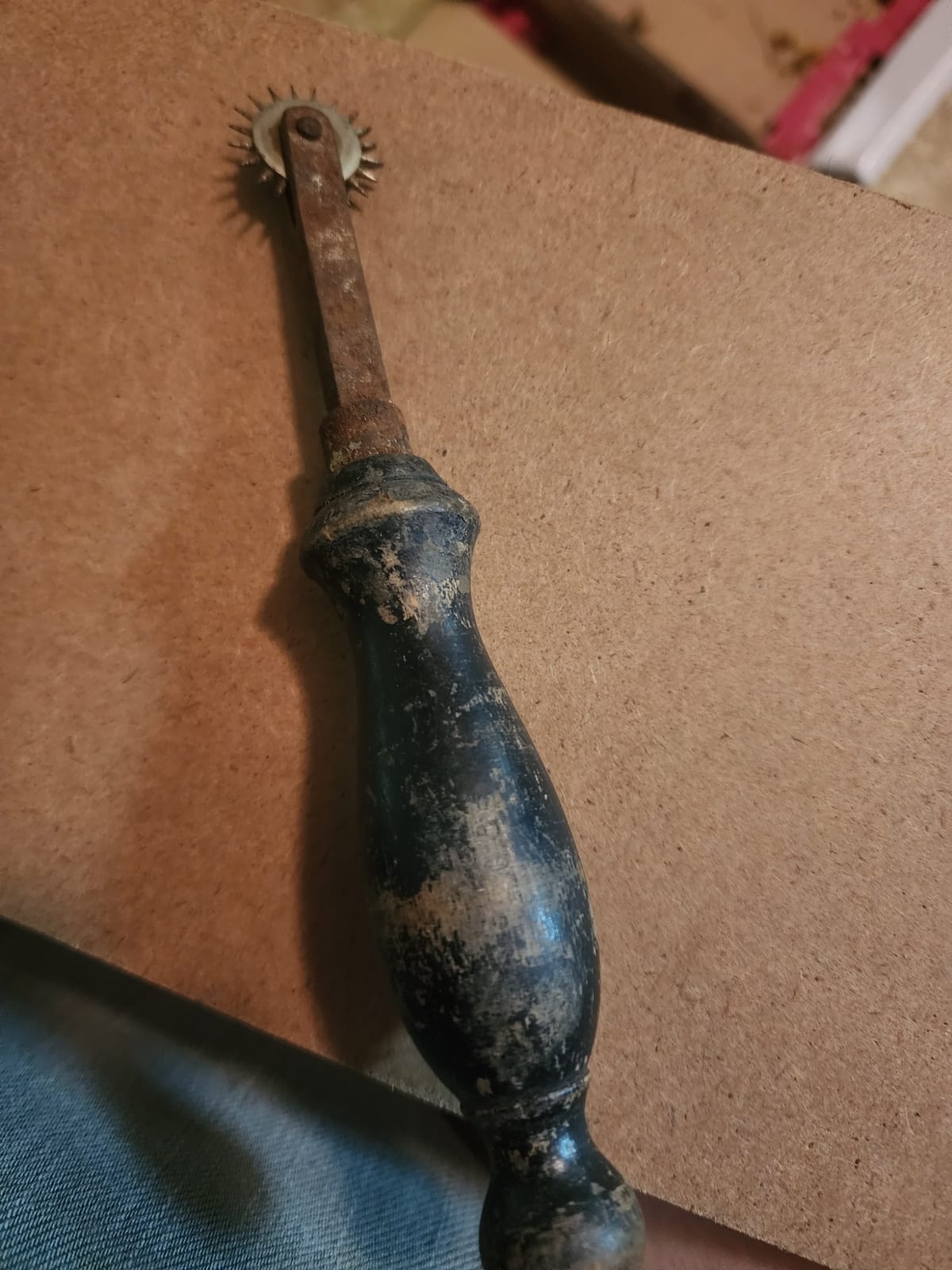
Handheld leatherworking or decorative wheel tool
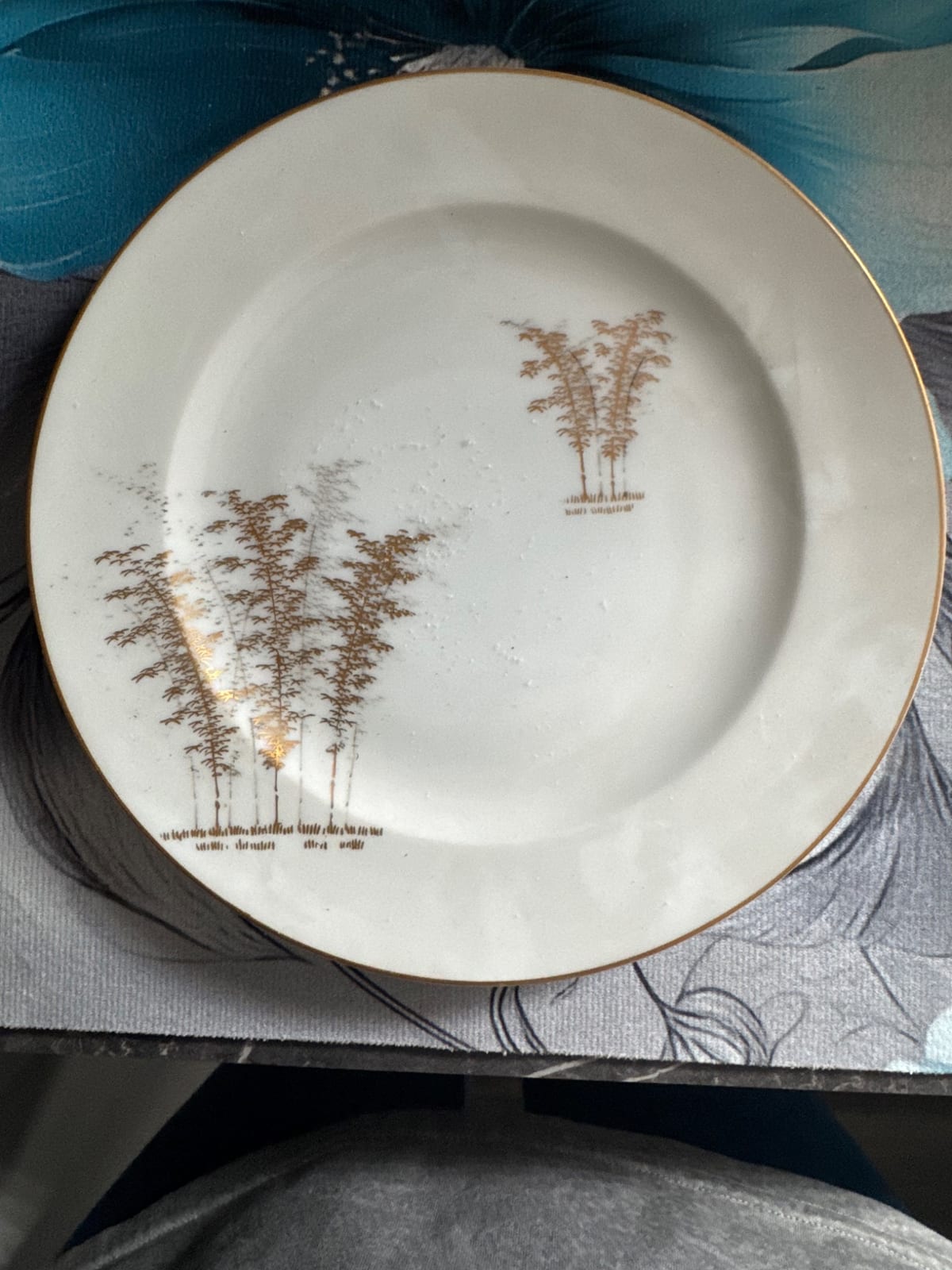
Decorative porcelain dinner plate with gilt rim and bamboo/tree motif