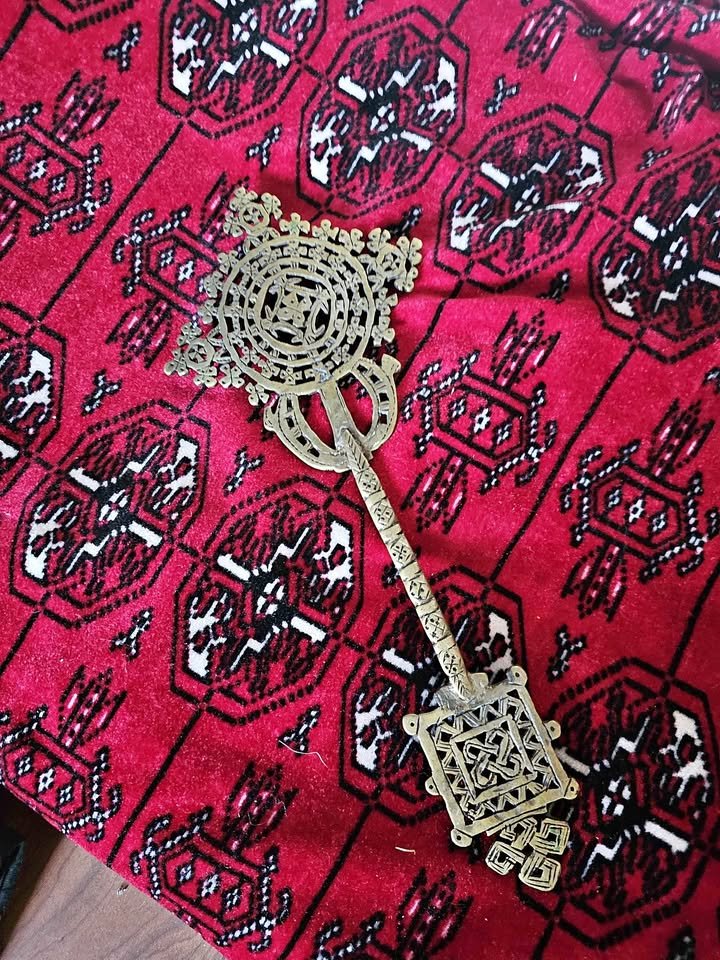
Decorative Ethiopian-style silver filigree cross pendant
Estimated Value
$75-$250
This appears to be a highly decorative Ethiopian-style Christian cross pendant or ceremonial hand cross, featuring intricate openwork filigree and geometric motifs. The upper section has a circular, lace-like design with cross symbolism and small ornamental flourishes around the perimeter. A long narrow shaft connects to a lower square terminal with repeating geometric cutouts and small dangling elements. The piece is visually consistent with traditional Ethiopian ecclesiastical or devotional metalwork, though the exact function is unclear from the image alone. The craftsmanship suggests handmade or hand-finished work, with a strong emphasis on symbolic patterning rather than precious-metal refinement.
Era
Likely 20th century, possibly mid-to-late 20th century; traditional style inspired by earlier Ethiopian Christian crosses
Origin
Ethiopia or East Africa (likely Ethiopian-made or Ethiopian-inspired)
Material
Likely silver or silver-colored metal; possibly brass or alloy with a silver wash
Condition
Good overall condition with visible surface wear, minor tarnish, and possible bending/soft deformation consistent with age or use; no obvious major breaks visible in the image
Physical Details
Dimensions
Approximately 8-12 inches long
Weight
Light
Authentication
Authenticity Score
Medium-Low; the form is strongly reminiscent of Ethiopian crosses, but the exact metal, age, and whether it is an authentic antique versus a later decorative reproduction cannot be confirmed from the image alone
Provenance
Likely from Ethiopian Christian devotional tradition; may have been made for religious use, ceremonial display, or as a tourist/collector piece modeled on traditional crosses
Historical Significance
Ethiopian crosses are significant objects in the history of Ethiopian Orthodox Christianity and are admired for their complex symbolic geometry and regional craftsmanship. Traditional examples can be important devotional objects, while later copies remain collectible for their cultural and aesthetic value.
This identification and value range are AI-generated research aids, not authentication, certification, or a formal appraisal. Learn about the limitations and when to consult a qualified professional appraiser.
Research this item further
Related Identifications
Browse all →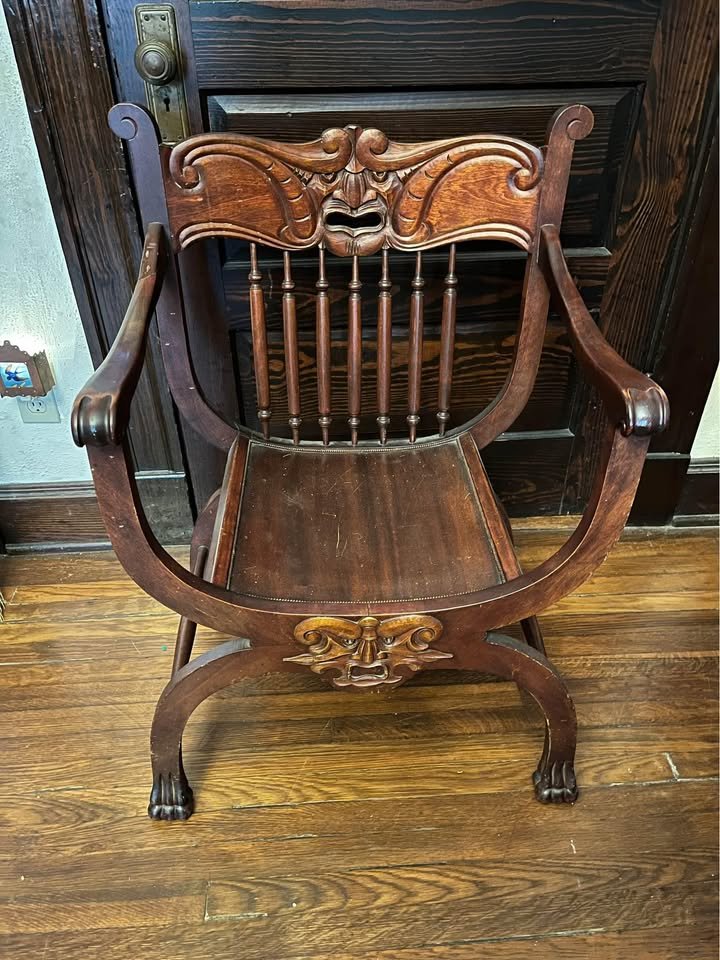
Carved Victorian-style armchair / side chair
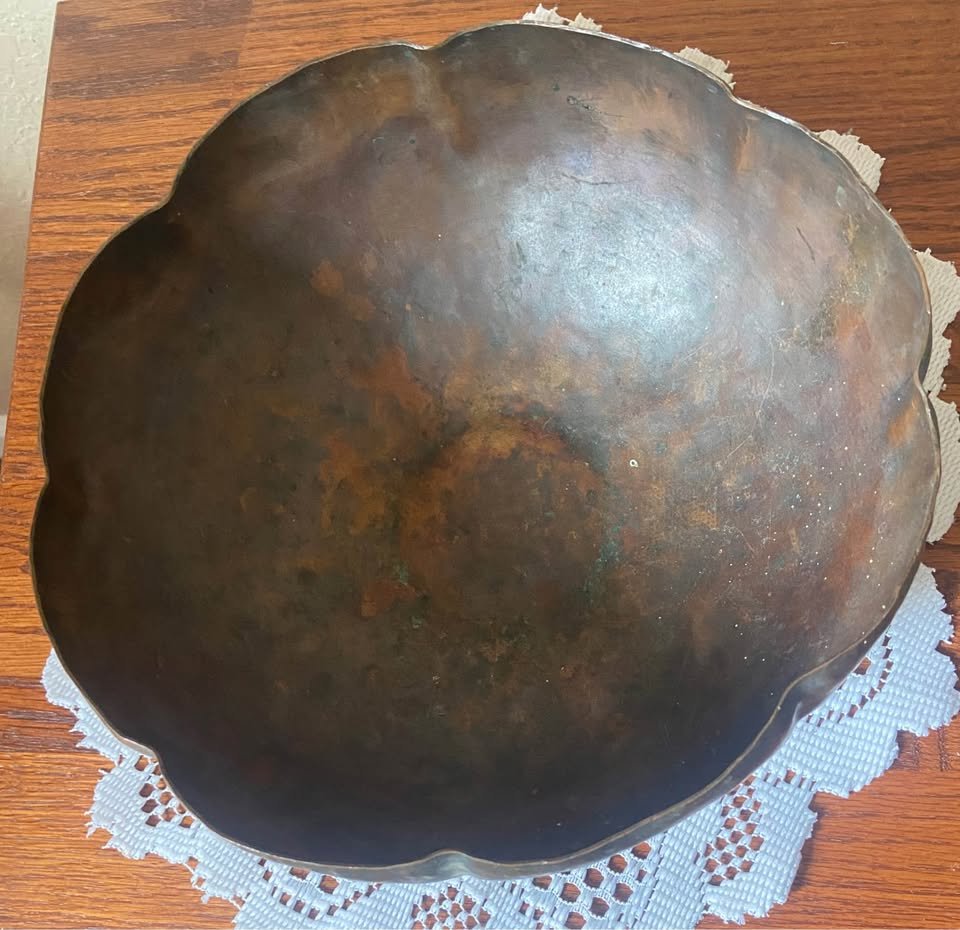
Scalloped decorative metal bowl or serving dish
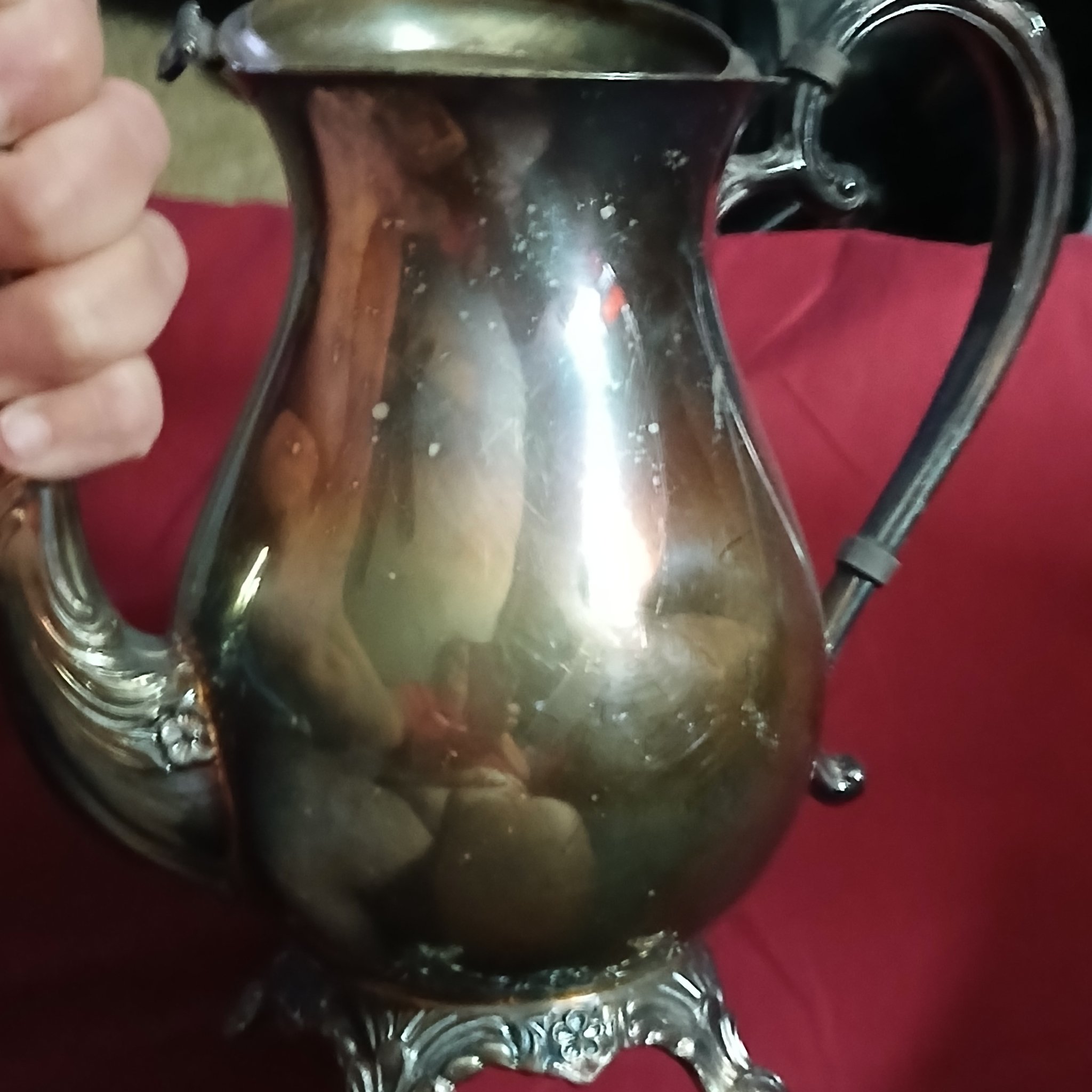
Silver-plated ewer or water pitcher
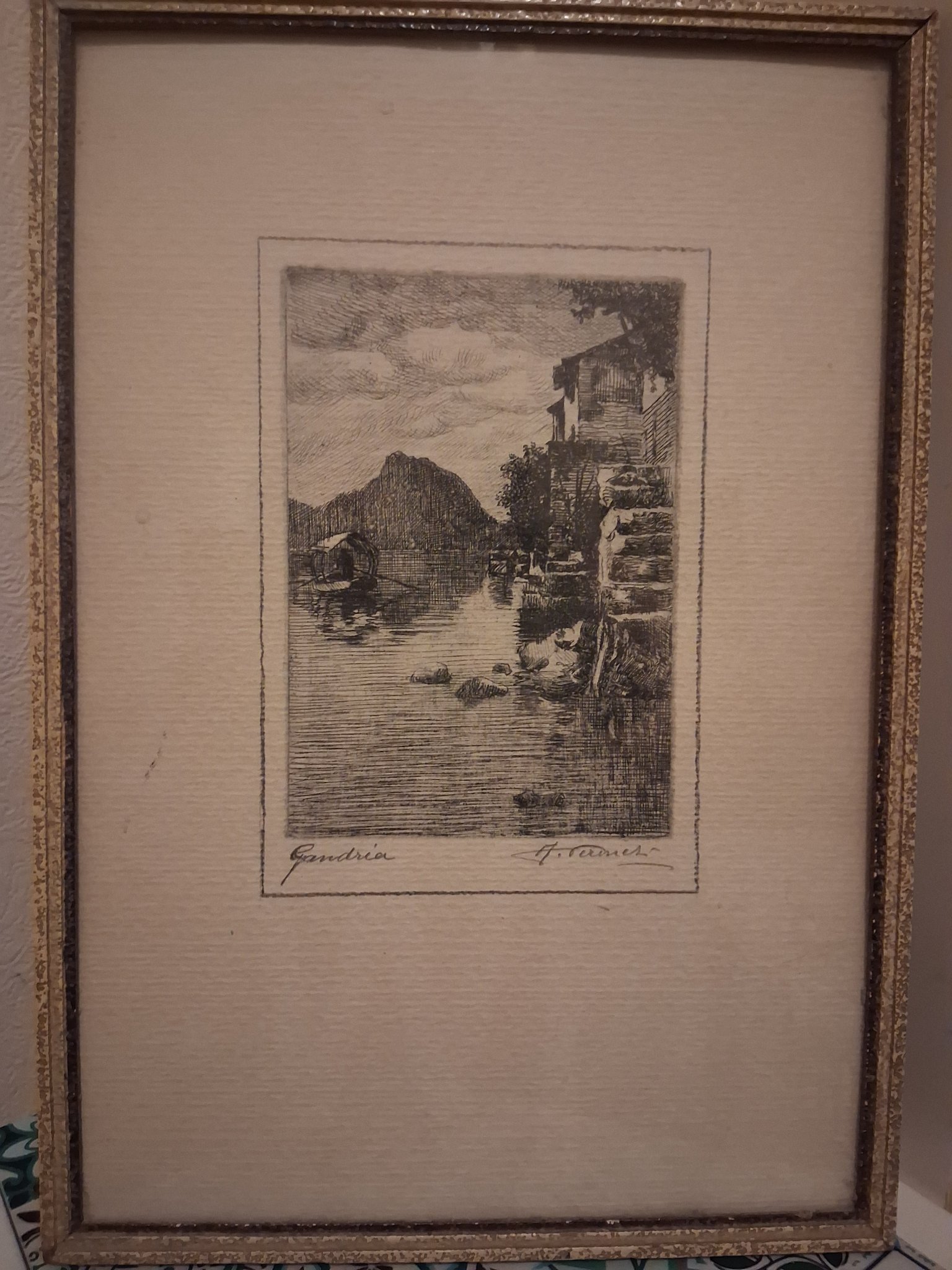
Framed etching or drypoint landscape print, signed by the artist
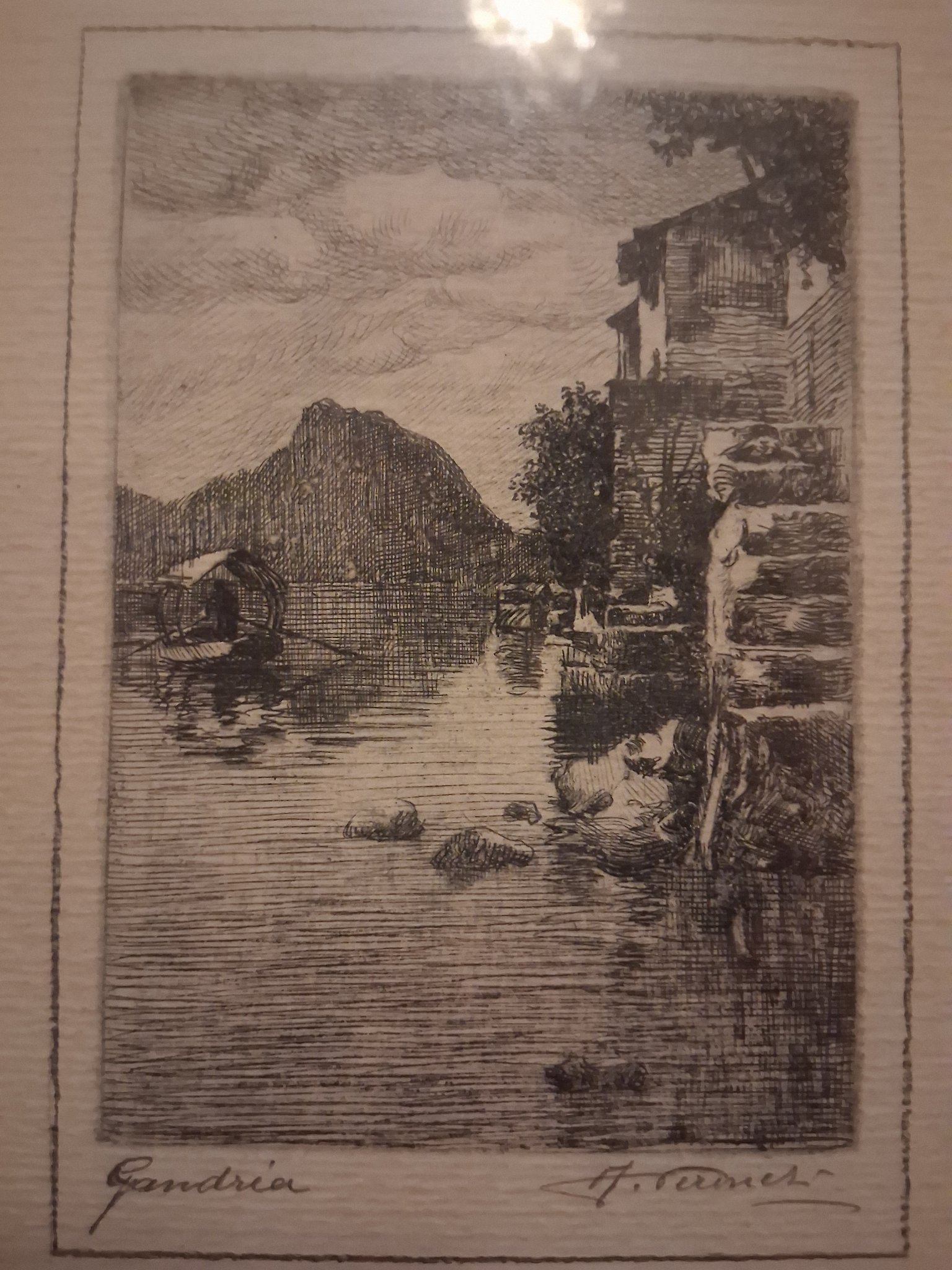
Signed landscape etching or drypoint print titled "Gandria"
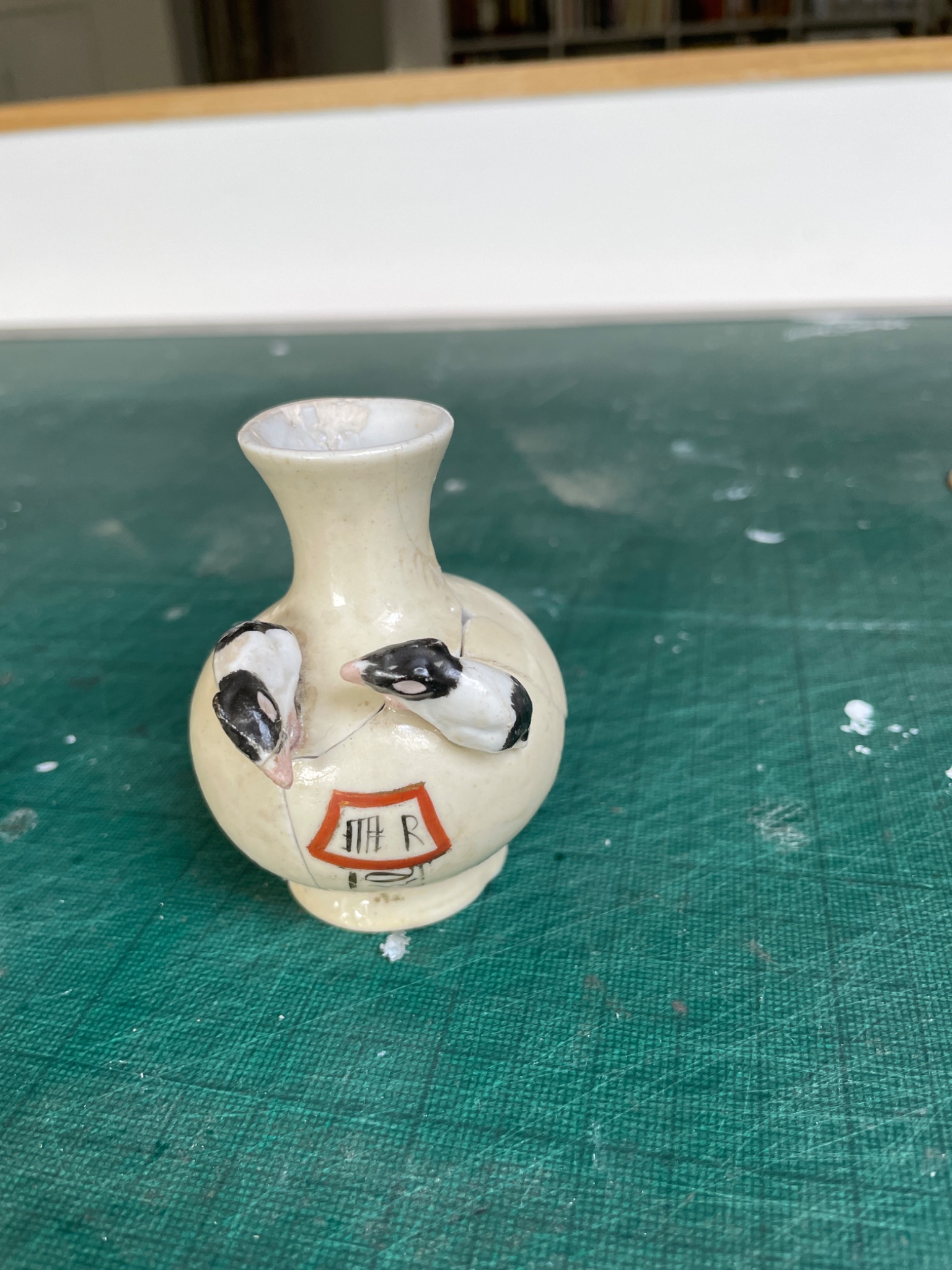
Small porcelain miniature vase with applied bird decoration
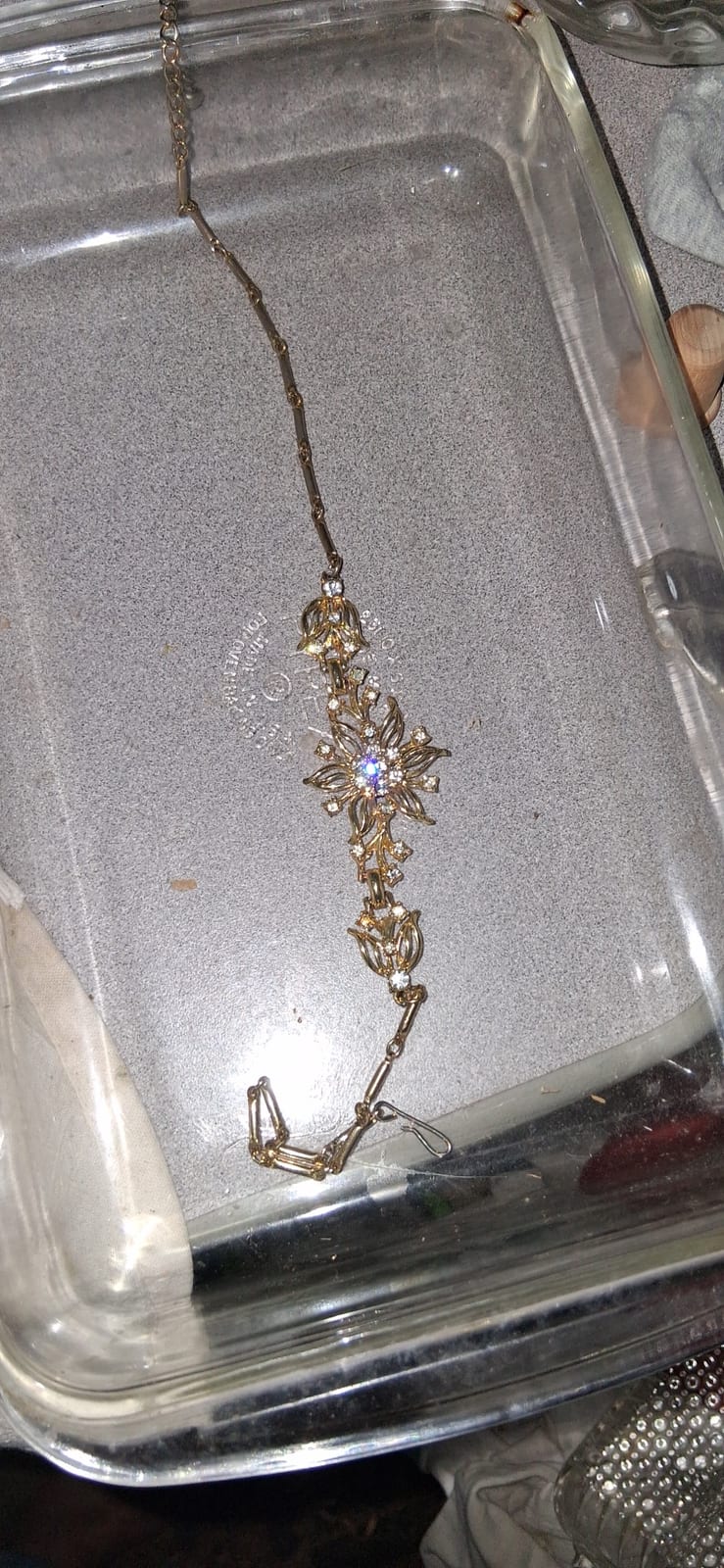
Vintage floral rhinestone necklace or bracelet chain segment
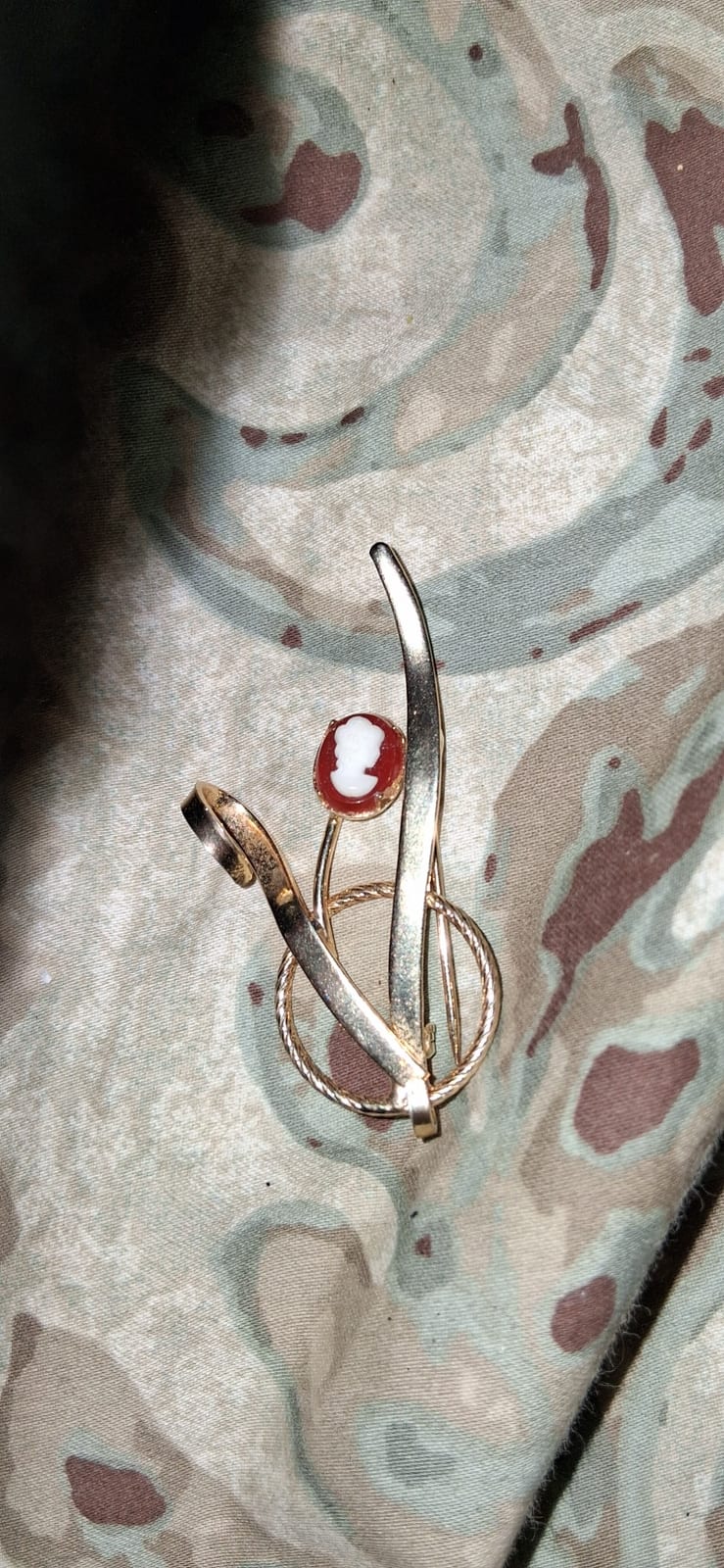
Cameo brooch/pin