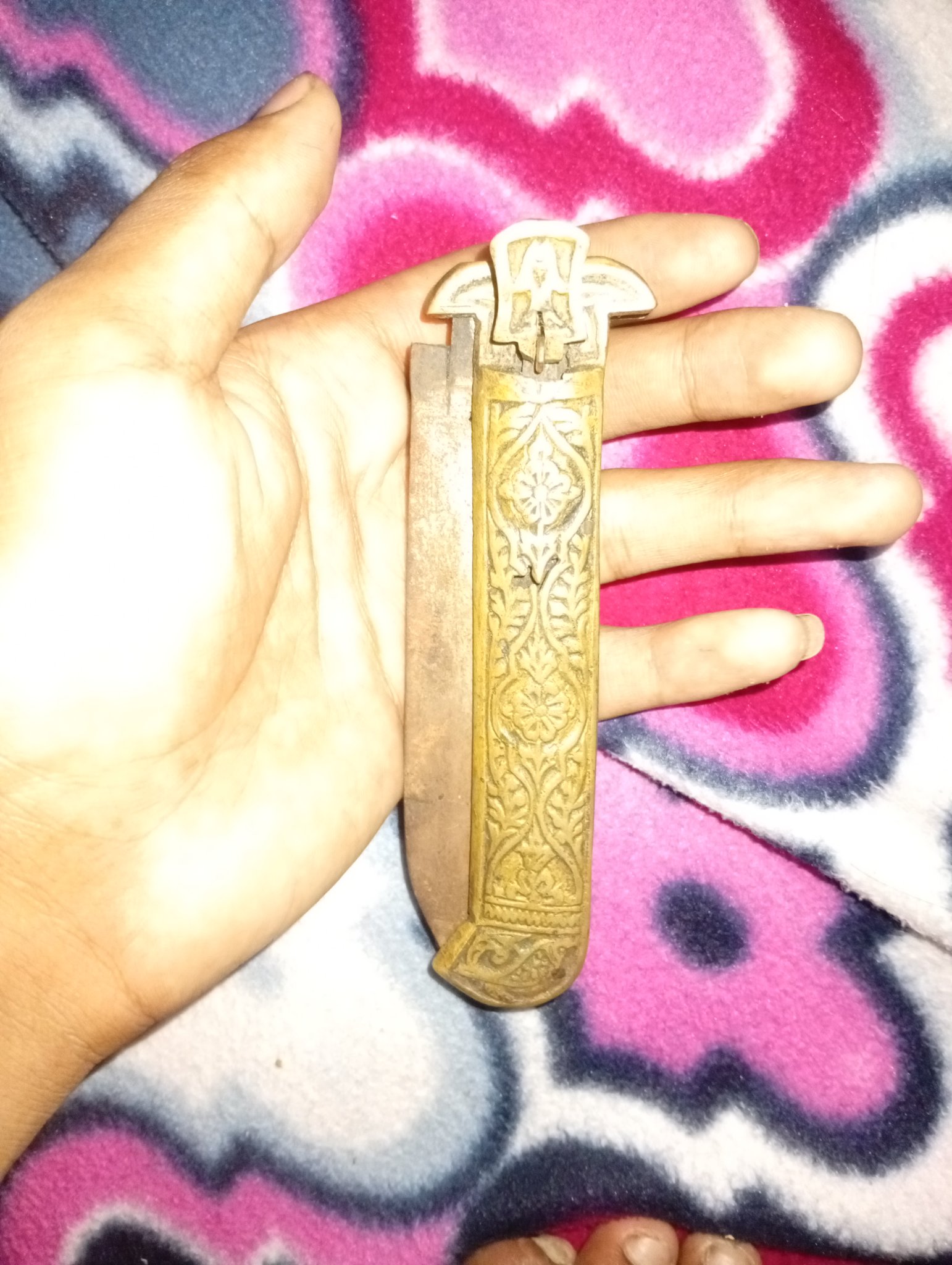
Decorative folding pocket knife or utility knife with ornate metal handle
Estimated Value
$30-$120 USD
This appears to be a small folding knife or utility knife with a highly decorative handle. The handle has an ornate floral and foliate pattern, likely engraved or cast into brass or a brass-like alloy. The top section includes a shaped metal bolster or locking mechanism, suggesting a folding blade or pocket-knife style construction. The blade itself is partially visible and appears plain, with a utilitarian form rather than a ceremonial one. The overall design suggests an older handmade or semi-handmade piece, possibly intended as a personal tool with decorative appeal.
Era
Late 19th century to early 20th century (best estimate; exact dating unknown)
Origin
Possibly South Asian, Middle Eastern, or European; exact origin unknown
Material
Metal blade, brass or brass-alloy handle with engraved decoration, steel internal components
Condition
Fair condition; visible oxidation, surface wear, tarnish, and age-related discoloration. The blade appears worn and possibly dulled. No obvious major breakage visible, but the item shows significant use and age.
Physical Details
Dimensions
Approximately 4.5 to 6 inches long overall
Weight
Light
Authentication
Authenticity Score
Medium-Low; the object appears genuinely old or at least aged, but the exact type, origin, and period cannot be confirmed from a single image. The lack of visible marks limits certainty.
Provenance
No maker's mark or inscription is visible in the image, so provenance cannot be confirmed. The style may be consistent with regional decorative knives or pocket knives made for personal use or trade, but this is speculative.
Historical Significance
Decorative folding knives and personal utility blades were common in many cultures and often reflected local metalworking traditions. If authentic and regionally made, the piece may represent traditional craftsmanship and everyday carry tools from a pre-modern or early industrial period.
Restoration Notes
- •No clear evidence of restoration visible
- •Possible cleaning or polishing at some point, but not certain
- •Surface wear and oxidation suggest original age-related patina remains
This identification and value range are AI-generated research aids, not authentication, certification, or a formal appraisal. Learn about the limitations and when to consult a qualified professional appraiser.
Research this item further
Related Identifications
Browse all →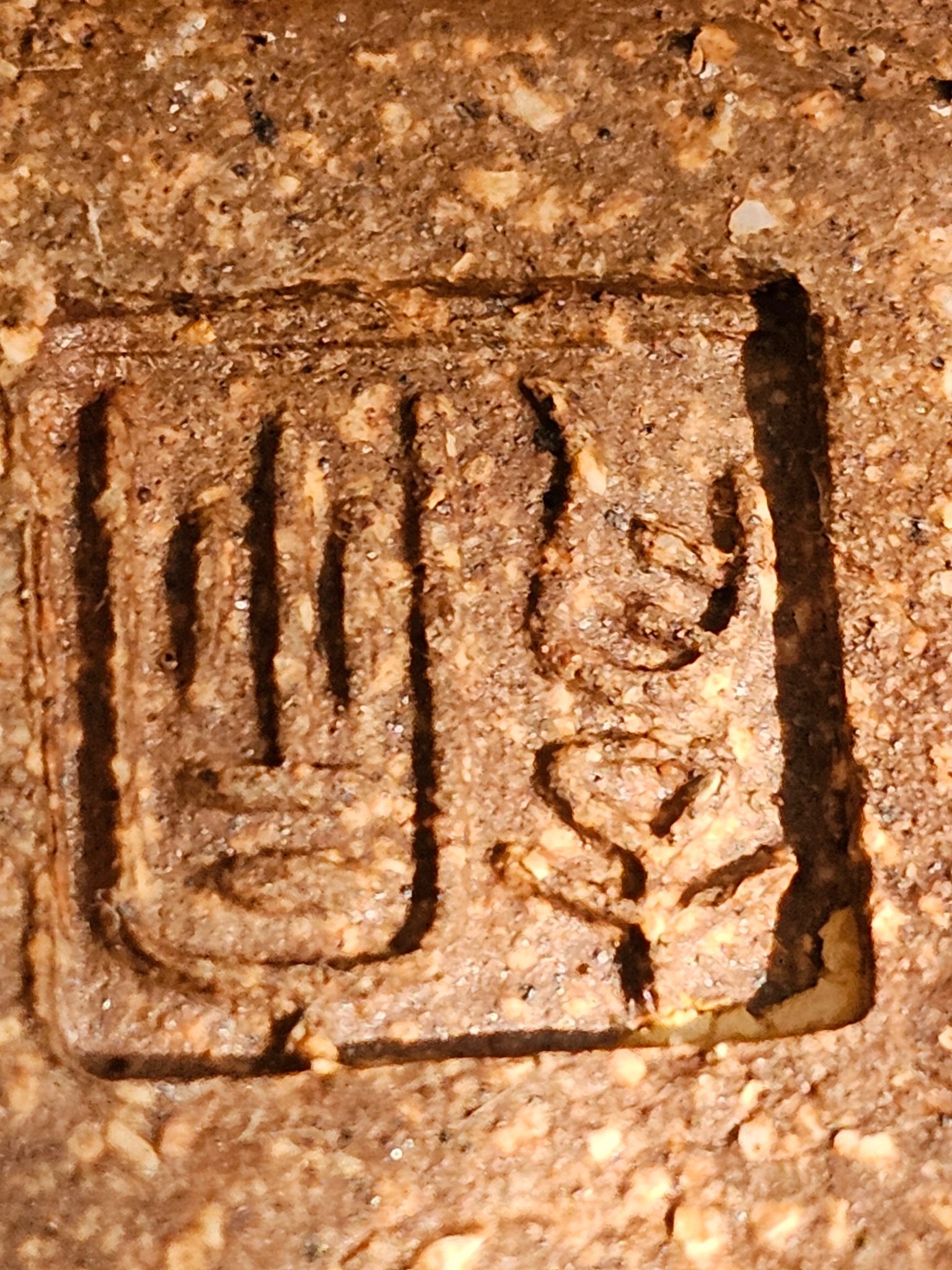
Unknown maker's mark or stamped monogram fragment
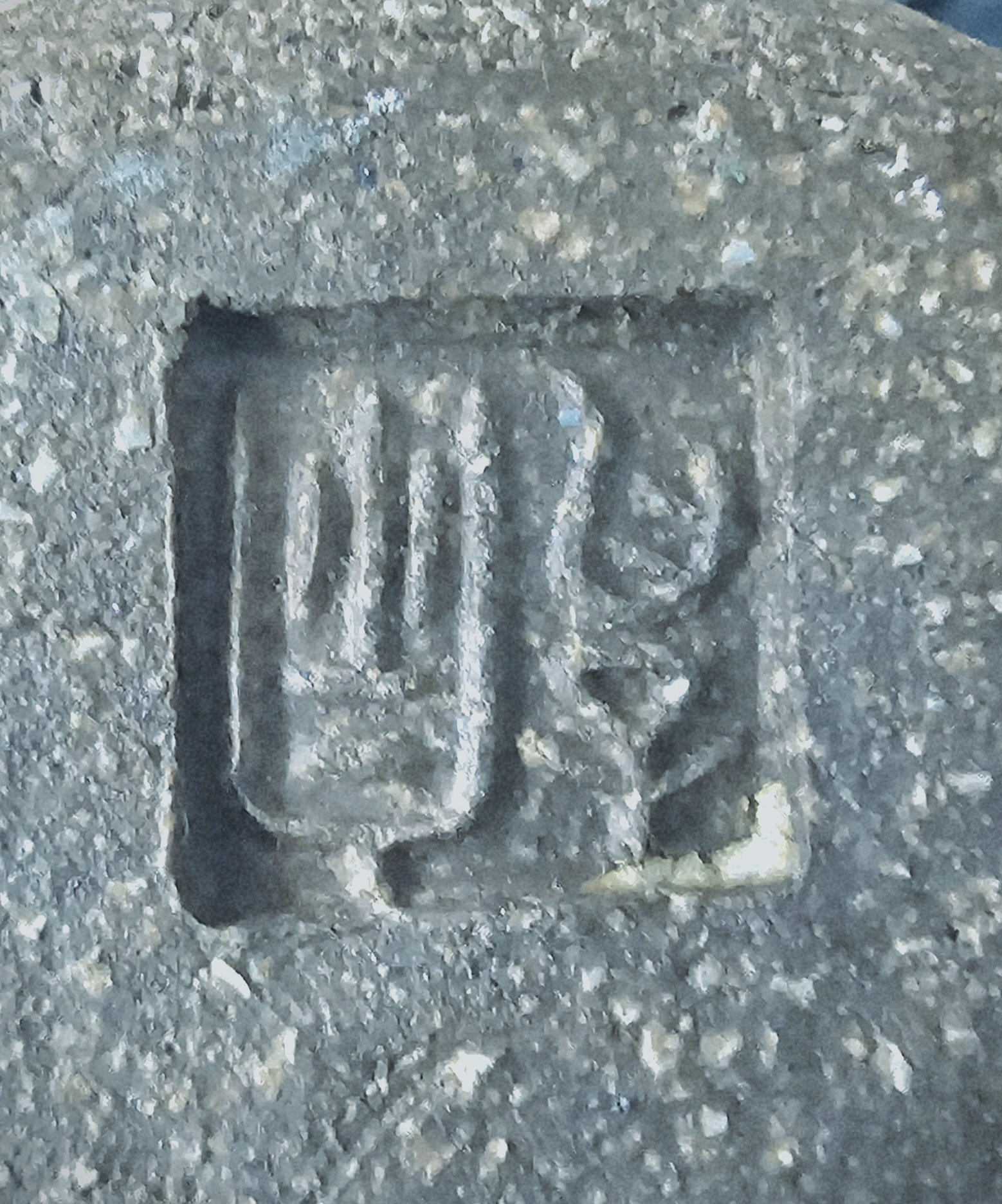
Unidentified maker's mark or hallmark stamp
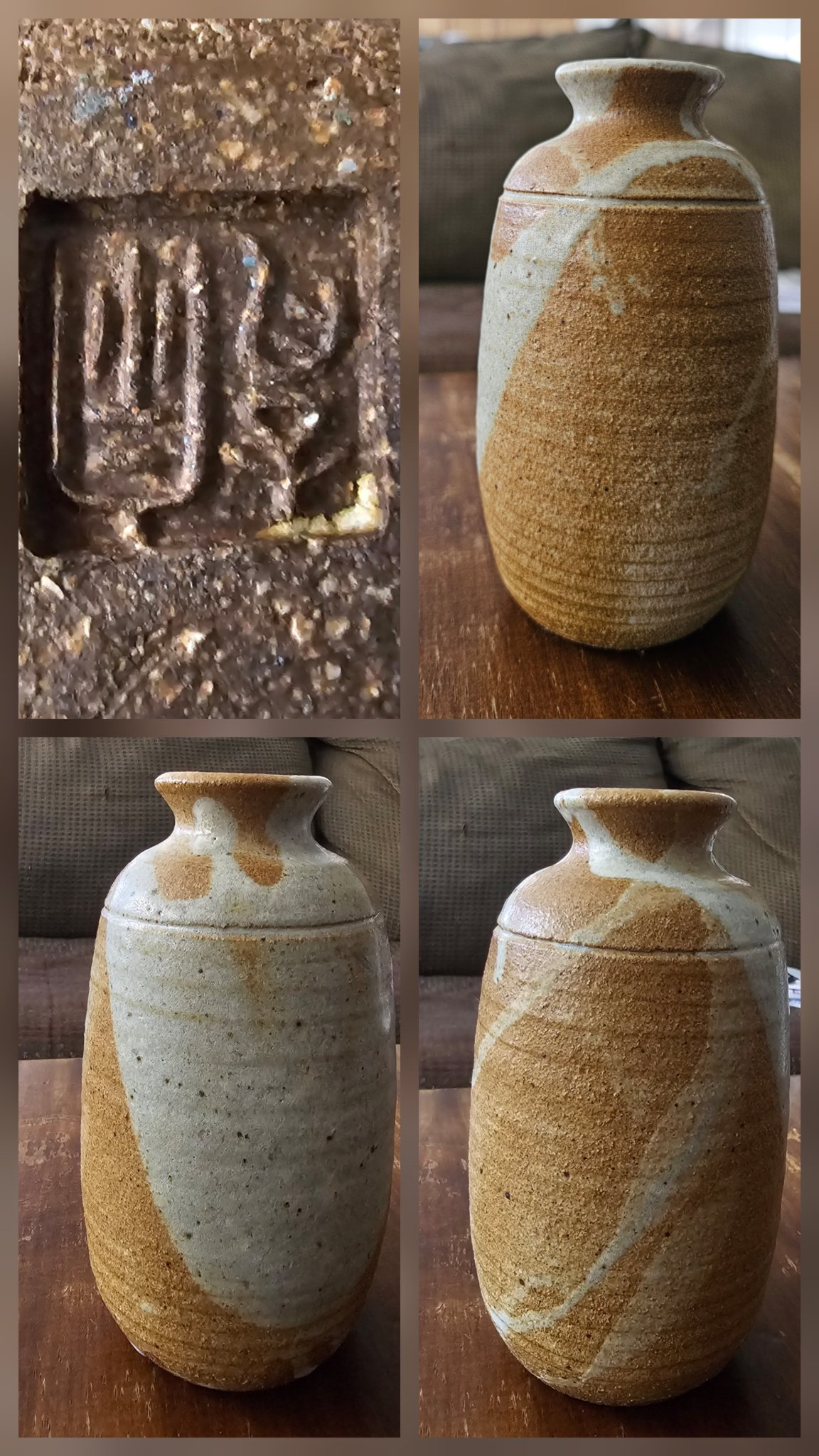
Studio pottery stoneware vase
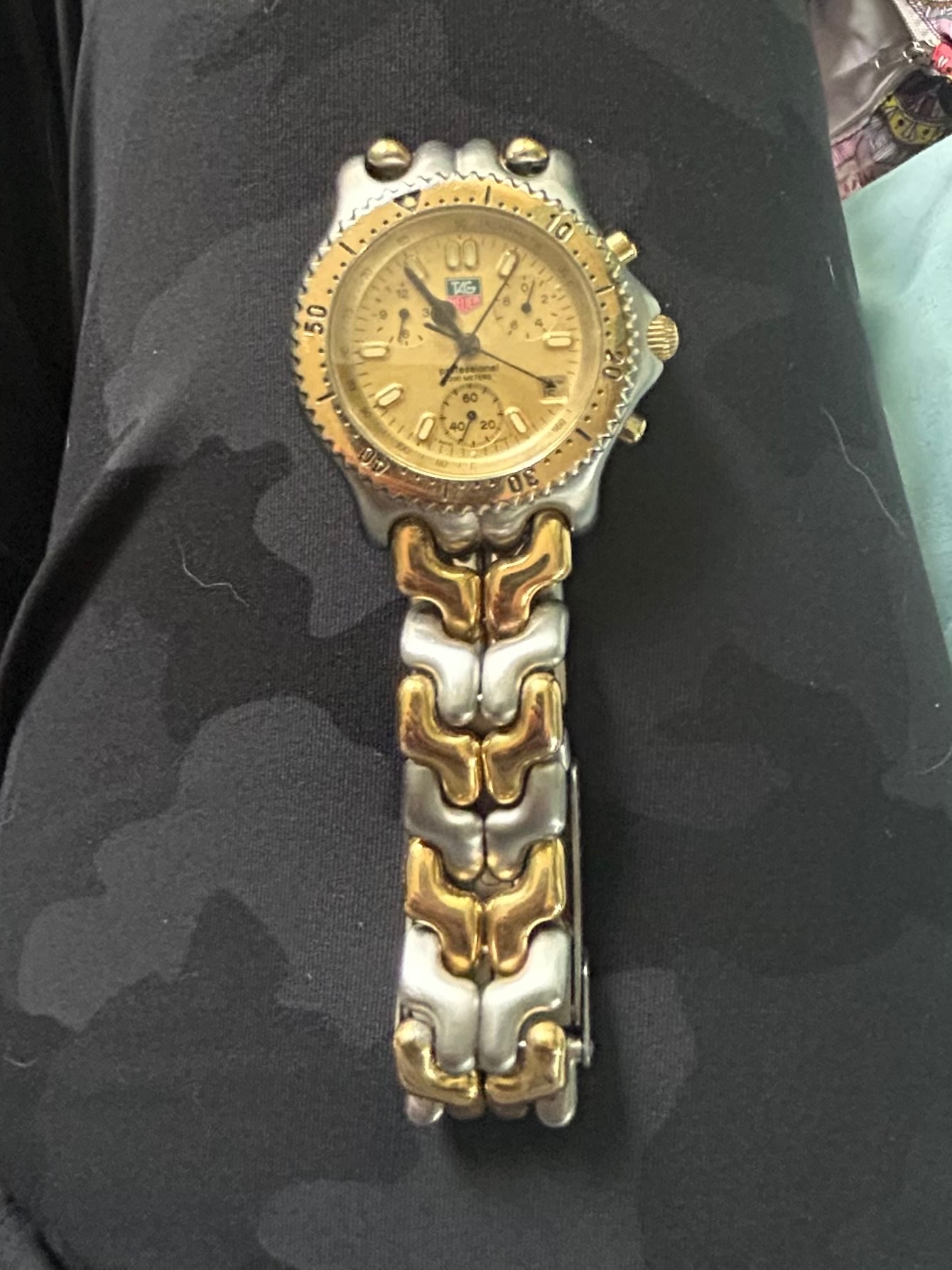
TAG Heuer Professional 2000 Series chronograph wristwatch (two-tone bracelet)
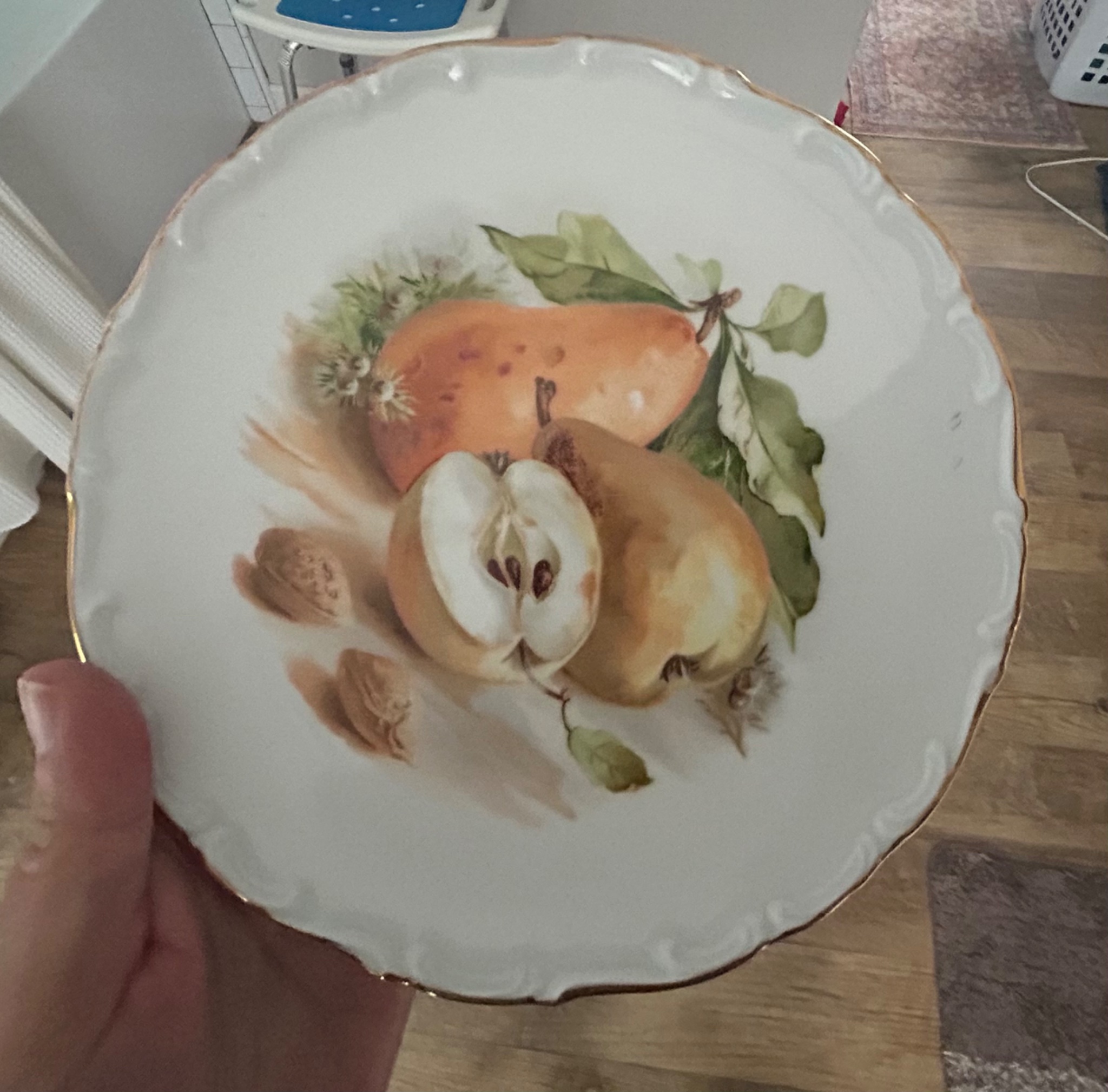
Decorative porcelain dessert plate with fruit motif
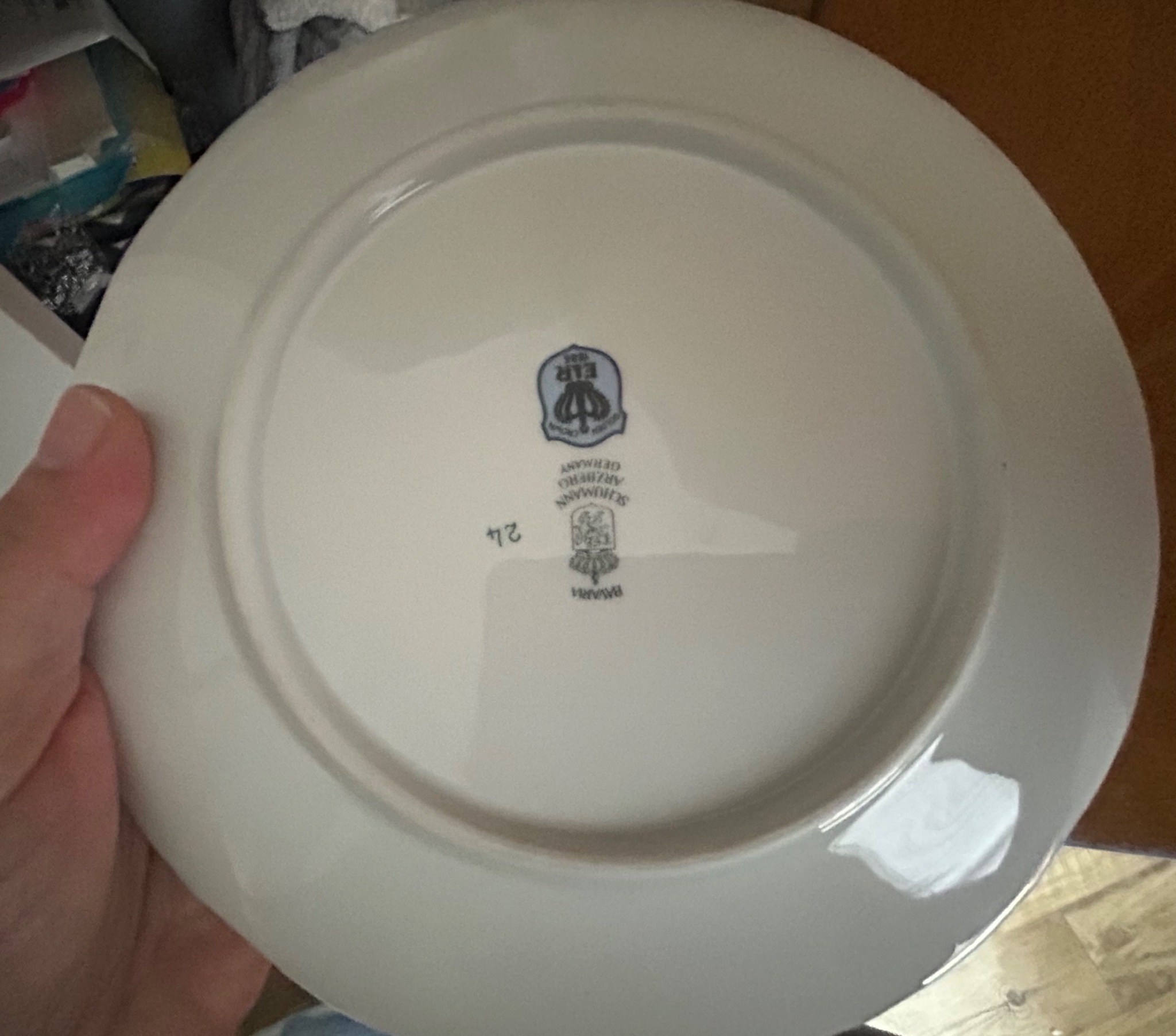
Porcelain dinner plate with maker's mark (likely German porcelain)