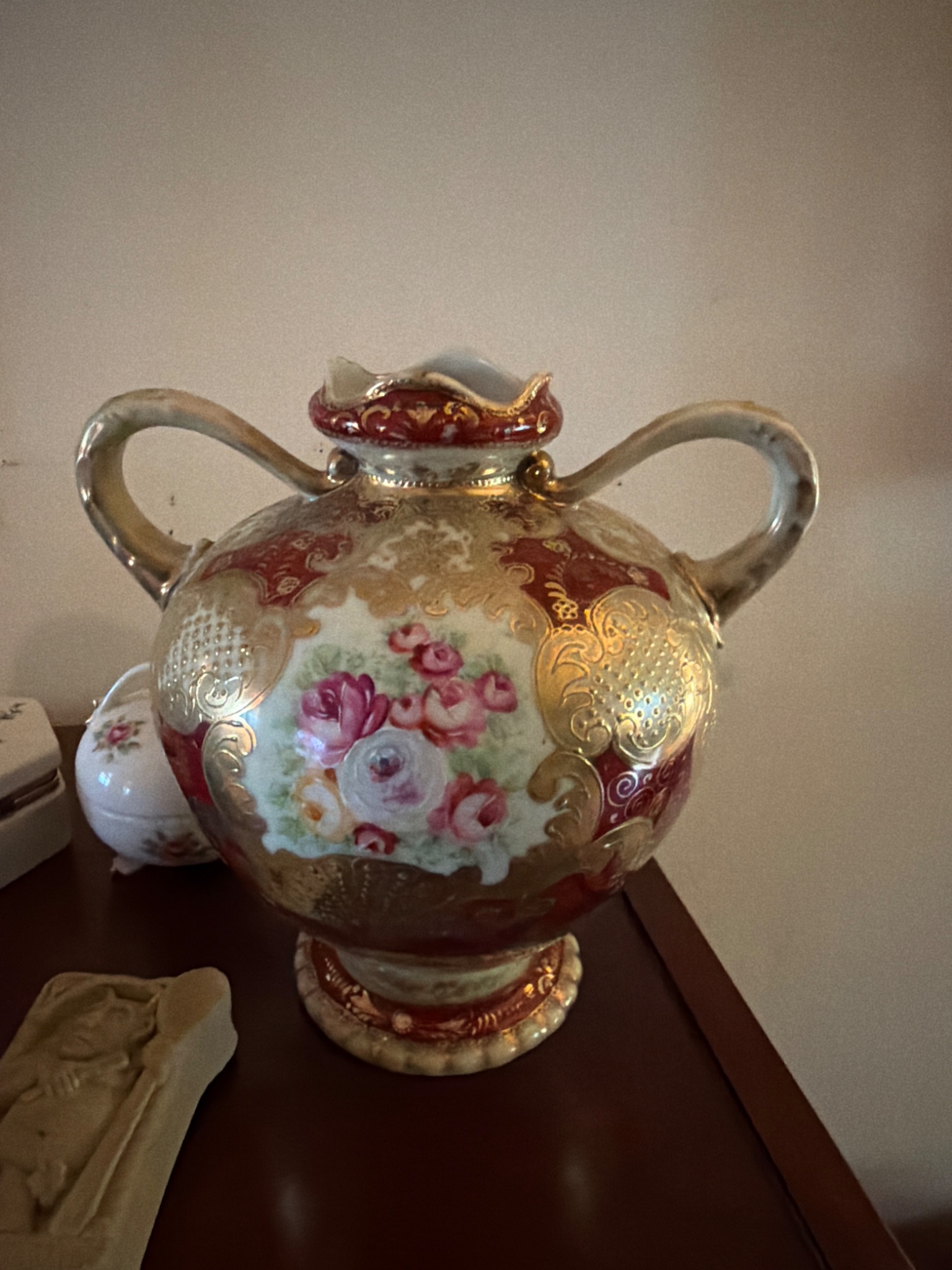
Decorative hand-painted porcelain vase with twin handles
Estimated Value
$75-$250
A large decorative porcelain vase or urn-form vessel with a rounded body, short pedestal base, and two symmetrical loop handles. The surface is richly decorated with hand-painted floral bouquets in pink, red, and white tones, accented by extensive gold gilt scrollwork and red ground panels. The design suggests a luxury decorative piece intended for display rather than utilitarian use. The style is reminiscent of European decorative porcelain from the late 19th or early 20th century, possibly inspired by Sevres, Limoges, or Bohemian export wares. The piece appears ornate and visually elaborate, with a high-gloss glaze and raised ornamental detailing.
Era
Late 19th century to early 20th century (Victorian/Edwardian revival style; exact date unknown)
Origin
Likely Europe, possibly France, Germany, or Austria; exact origin unknown
Material
Glazed porcelain or fine ceramic with gilding and hand-painted enamel decoration
Condition
Fair to Good; visually attractive with notable wear to gilding and surface decoration, possible chips or losses around the rim and minor age-related wear. No maker's mark visible in the image.
Physical Details
Dimensions
Approximately 14-18 inches tall and 10-14 inches wide including handles
Weight
Medium
Authentication
Authenticity Score
Medium; the style and construction are consistent with antique or vintage decorative porcelain, but the image does not show the base, marks, or close-up details needed for firm attribution. Could also be a later reproduction in an antique style.
Provenance
Likely an imported decorative mantel or cabinet vase from a European porcelain manufacturer; without a visible mark, provenance cannot be confirmed. It may have been produced for the export or decorative market.
Historical Significance
Decorative porcelain vases of this type reflect the strong late Victorian and Edwardian taste for ornate display objects, gilded surfaces, and floral painting. Pieces like this were often used in parlors and formal interiors and were influenced by French and continental European luxury porcelain traditions.
Restoration Notes
- •Possible rim damage or loss visible at the top edge
- •Possible wear to gilding and painted decoration consistent with age
- •No clear evidence of professional restoration visible from this image
This identification and value range are AI-generated research aids, not authentication, certification, or a formal appraisal. Learn about the limitations and when to consult a qualified professional appraiser.
Research this item further
Related Identifications
Browse all →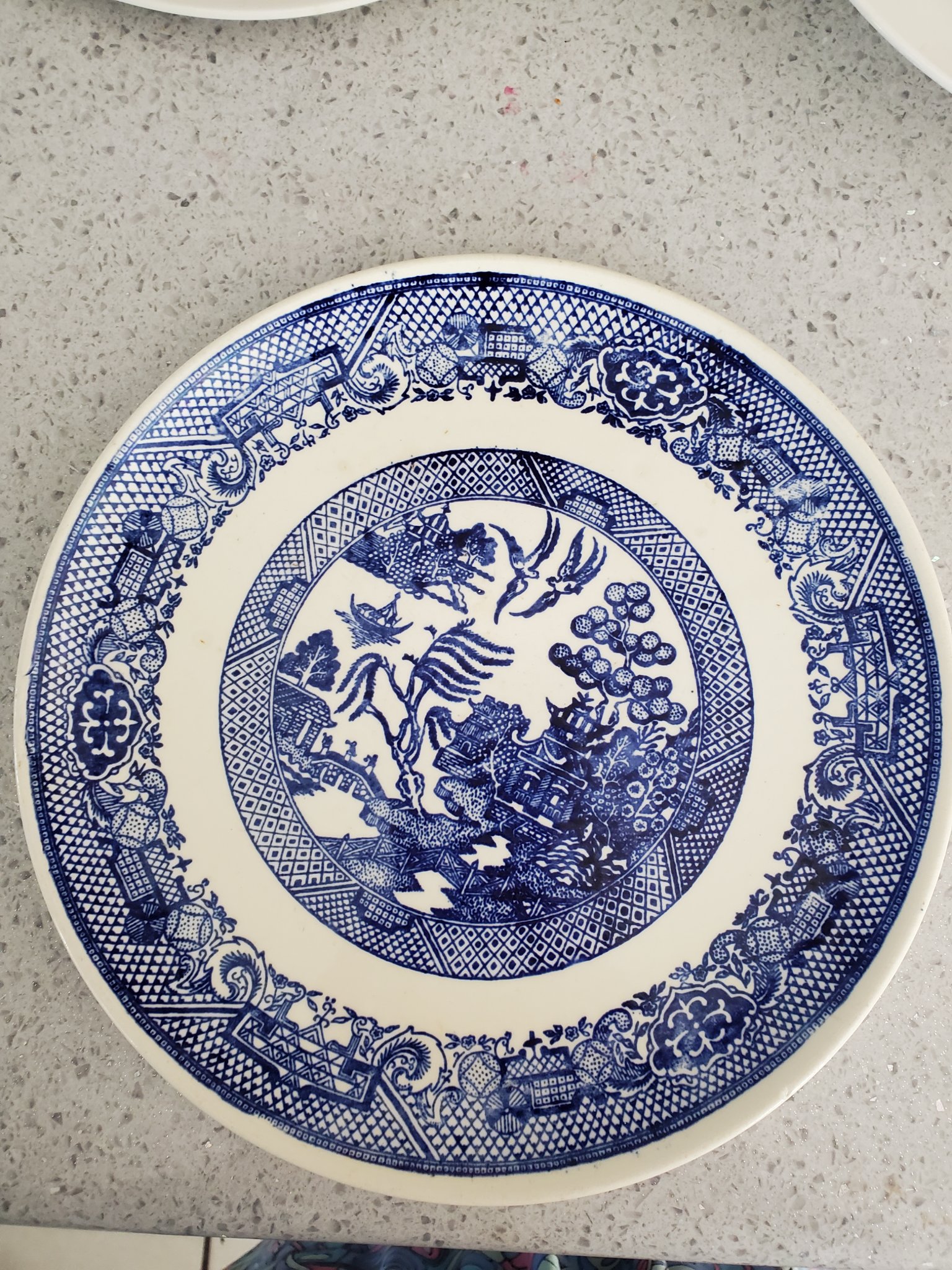
Blue and white transferware dinner plate
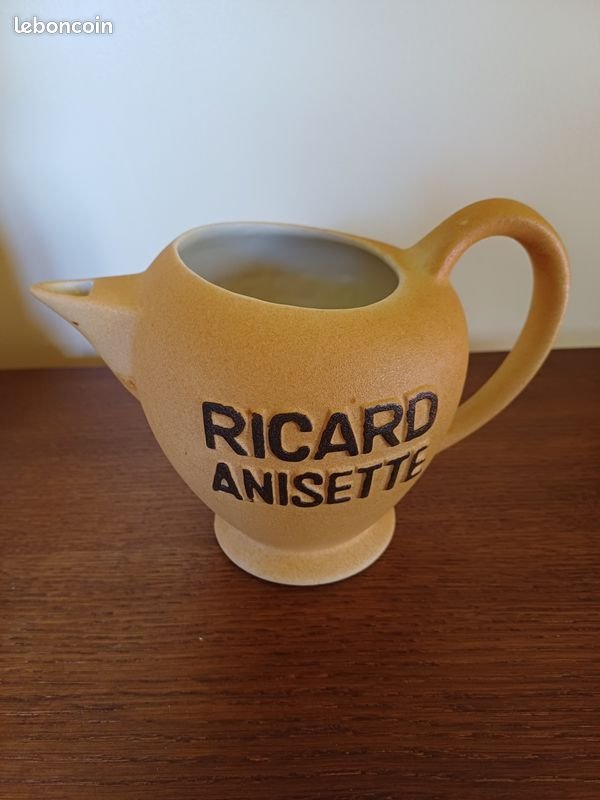
Ricard Anisette advertising ceramic pitcher/jug
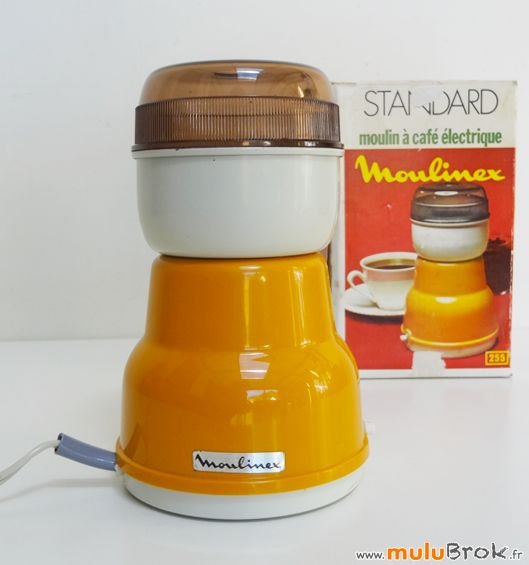
Moulinex electric coffee grinder (moulin à café électrique)
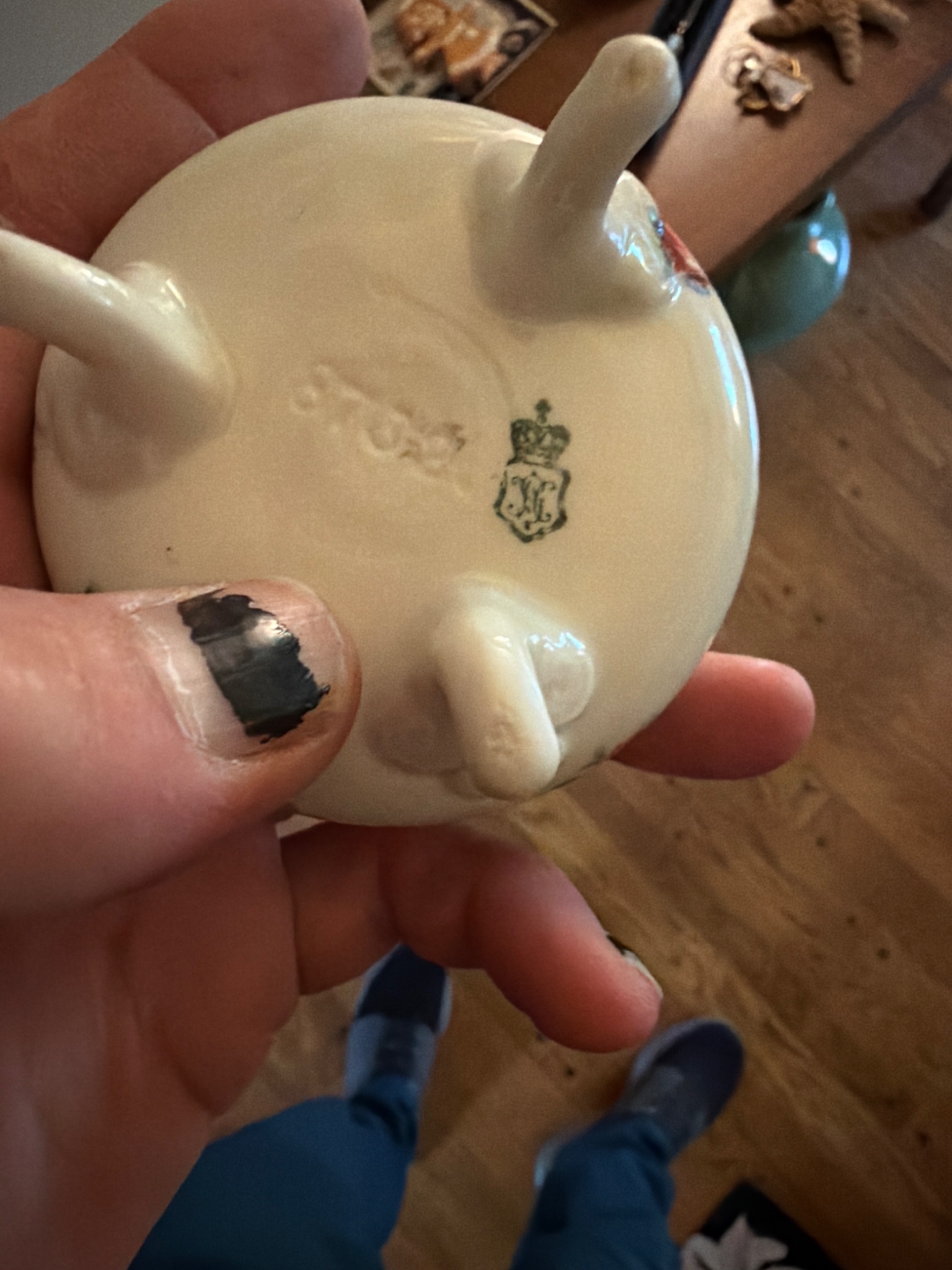
Small porcelain novelty figurine or covered trinket dish (exact form unclear)
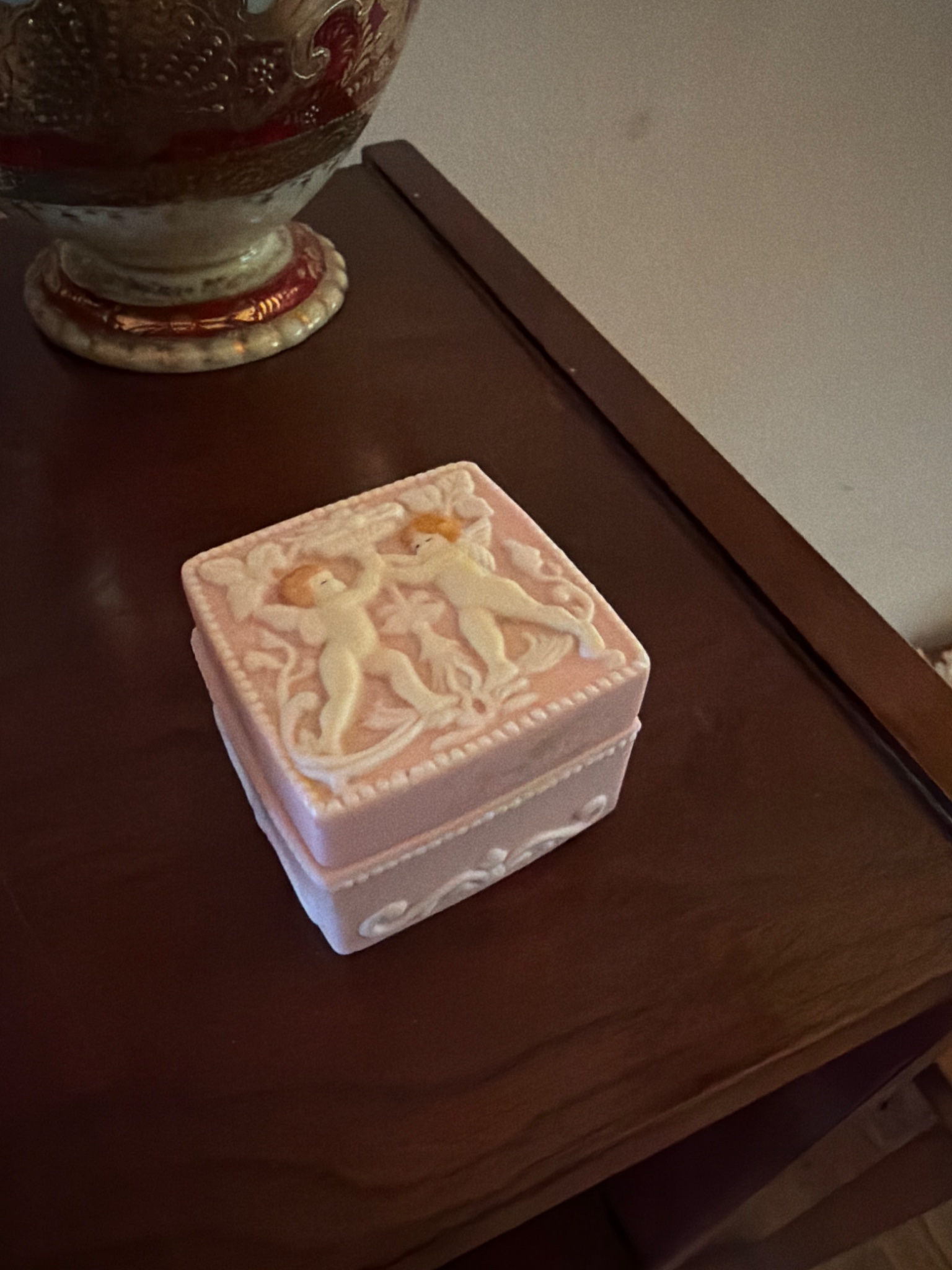
Decorative porcelain trinket box with cherub relief
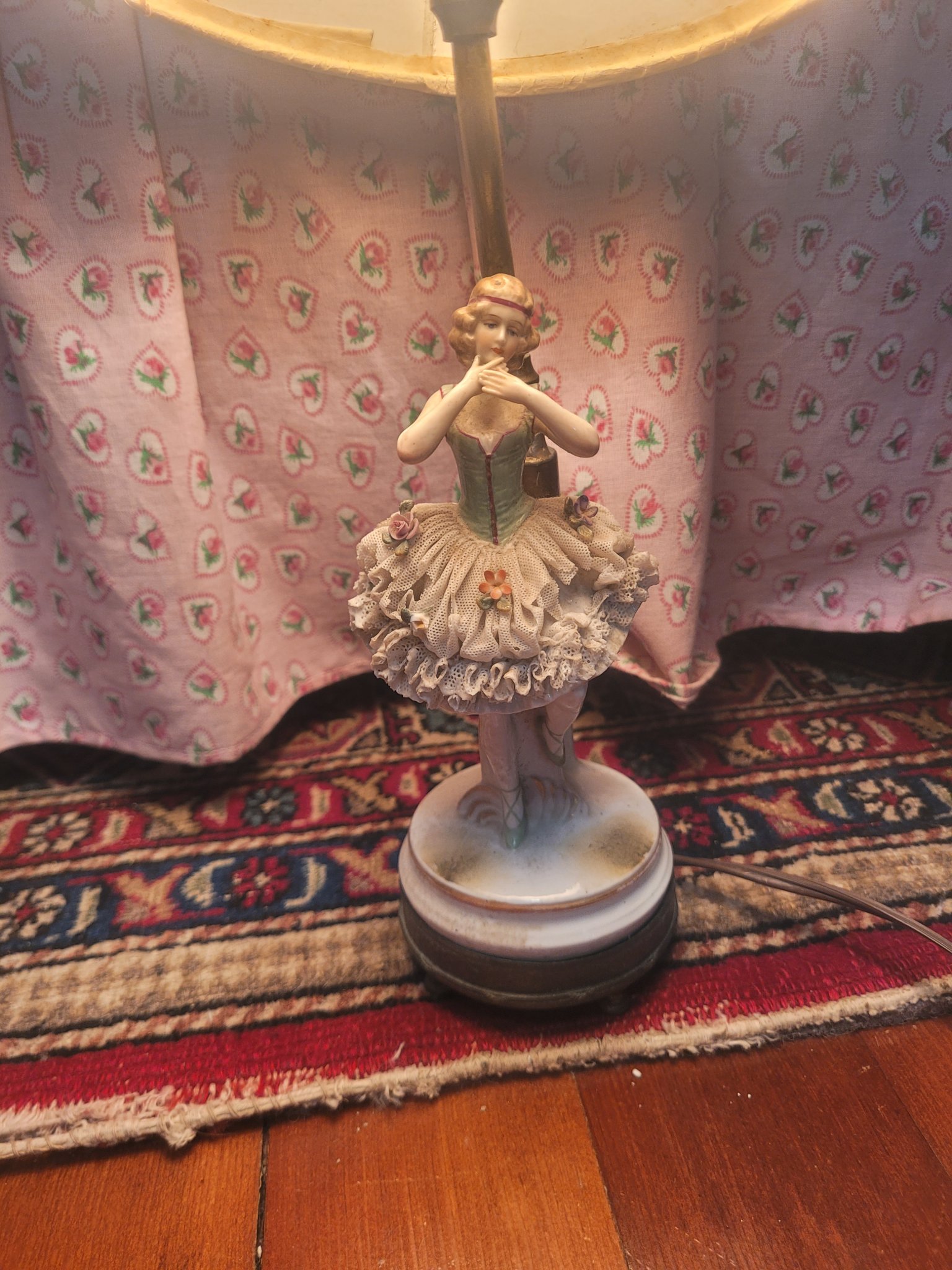
Figural ballerina table lamp
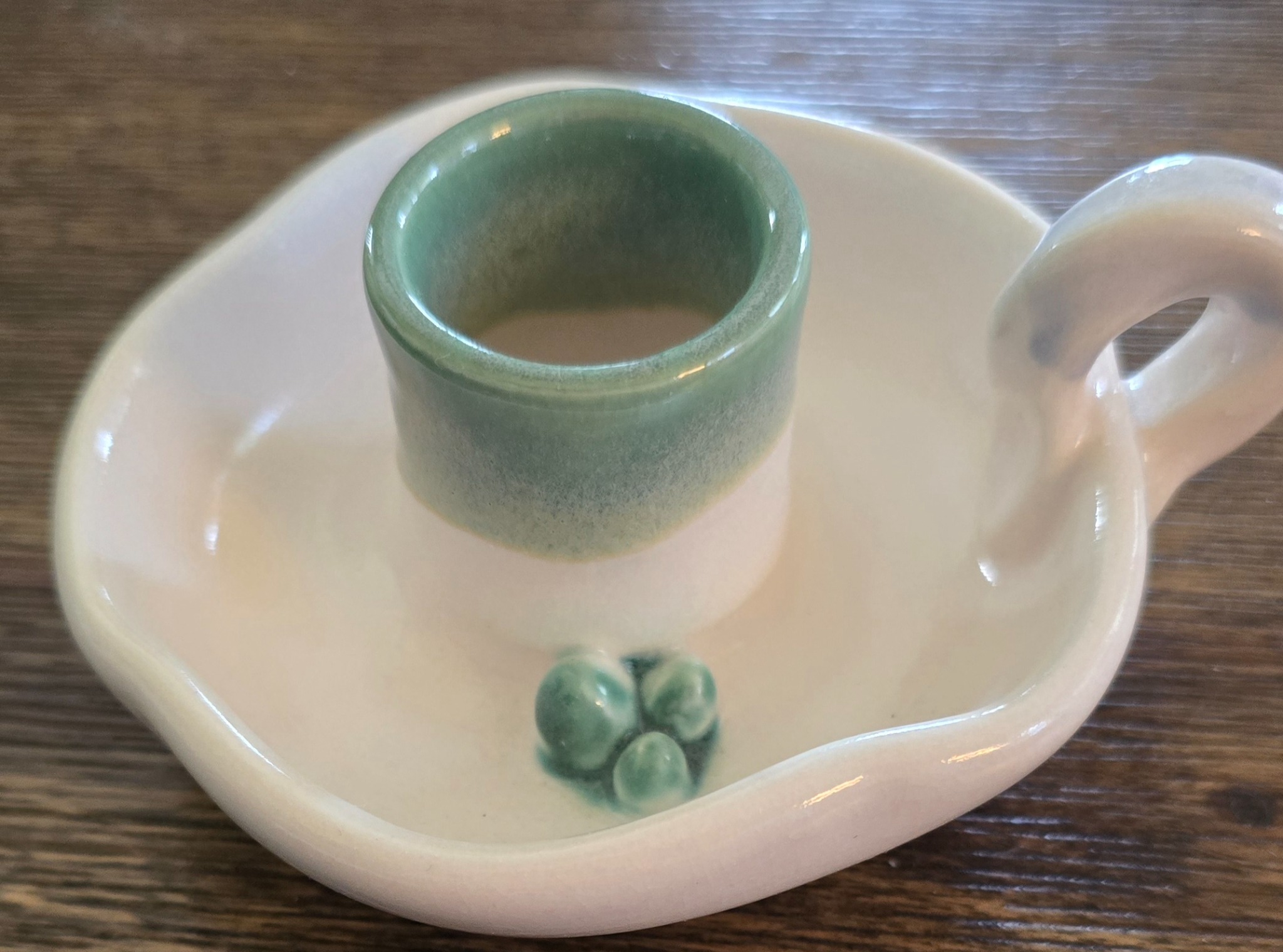
Ceramic candle holder or small decorative dish with attached cup
Ceramic demitasse cup and saucer set with integrated cup holder/stand