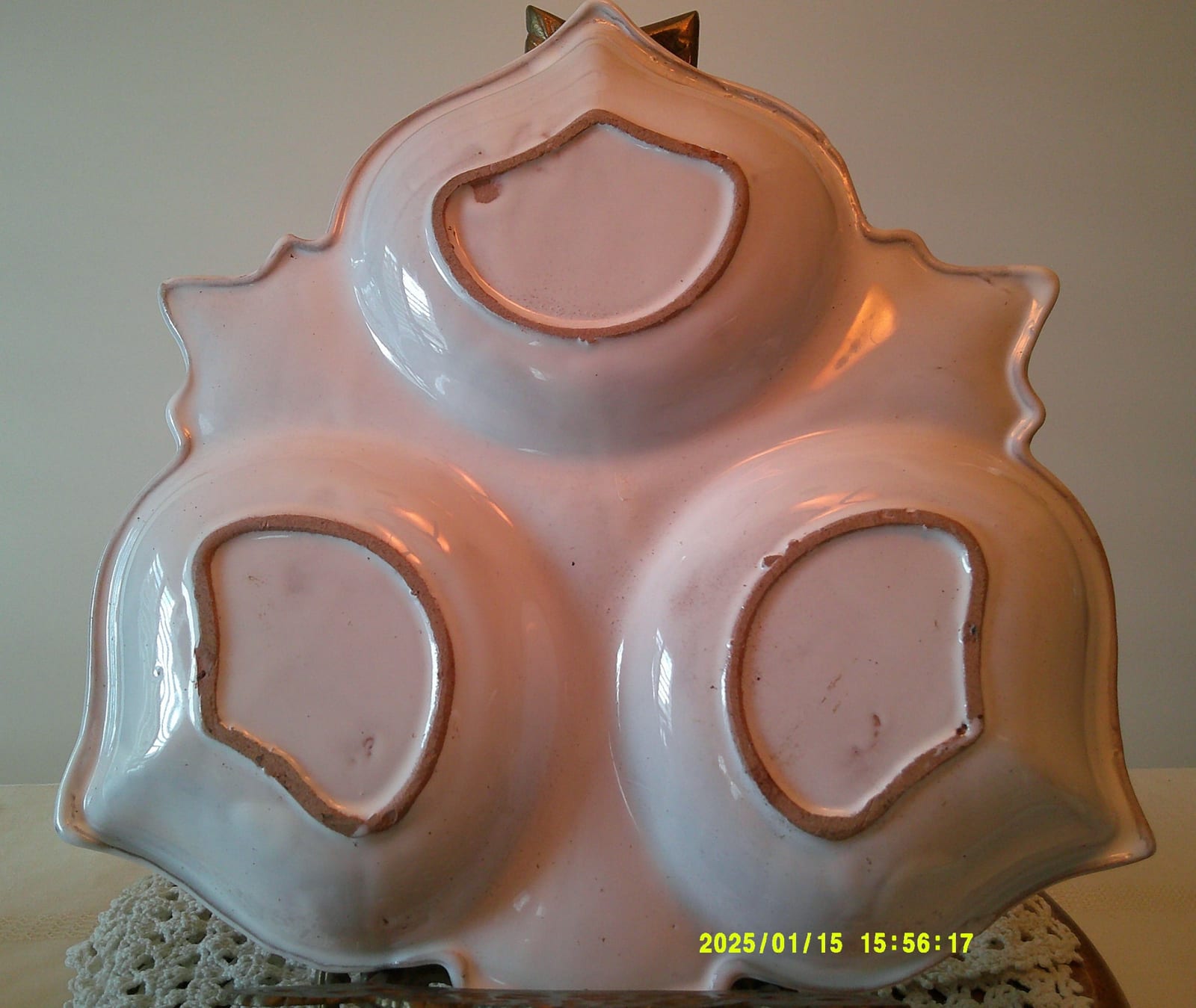
Decorative pressed glass or ceramic dish/compote base with scalloped floral form
Estimated Value
$30-$120
This appears to be a decorative molded vessel or stand with a highly stylized floral or star-like form, featuring three large rounded cutout panels and a scalloped, lobed perimeter. The glossy white surface suggests either milk glass, opaline glass, or glazed ceramic/porcelain. The underside view shows recessed openings with exposed brownish edges, which may indicate either a molded glass piece with thick walls or a ceramic form with unglazed interior edges. The object may have functioned as a centerpiece, compote, or ornamental base for a larger assembled item. The design is symmetrical and decorative, with a strong late Victorian or early Art Nouveau sensibility.
Era
Late 19th century to early 20th century (Victorian to Edwardian), exact dating uncertain
Origin
Likely Europe or North America; exact origin unknown
Material
Opaque white glass or glazed ceramic/porcelain with brownish exposed edges at the molded openings
Condition
Fair. Visible surface wear, minor grime, small chips/nicks along edges, and possible manufacturing irregularities or age-related wear around the cutout areas. No major cracks visible from this view.
Physical Details
Dimensions
Approximately 10-14 inches across; height not visible, likely 4-8 inches tall
Weight
Medium
Authentication
Authenticity Score
Medium. The form and surface wear are consistent with an older decorative object, but the exact material and function are unclear from this single underside view.
Provenance
No maker's mark or label visible in the image, so provenance cannot be determined confidently. It may be a mass-produced decorative household or table item from the late 1800s or early 1900s.
Historical Significance
Objects of this type reflect the popularity of ornate table and mantel decoration in the Victorian and Edwardian periods, when molded glass and decorative ceramics were widely used for centerpieces, serving pieces, and ornamental household display. If it is milk glass or opaline glass, it may be of interest to collectors of decorative domestic wares.
Restoration Notes
- •No obvious restoration visible
- •Possible edge wear or small chips around the cutout openings
This identification and value range are AI-generated research aids, not authentication, certification, or a formal appraisal. Learn about the limitations and when to consult a qualified professional appraiser.
Research this item further
Related Identifications
Browse all →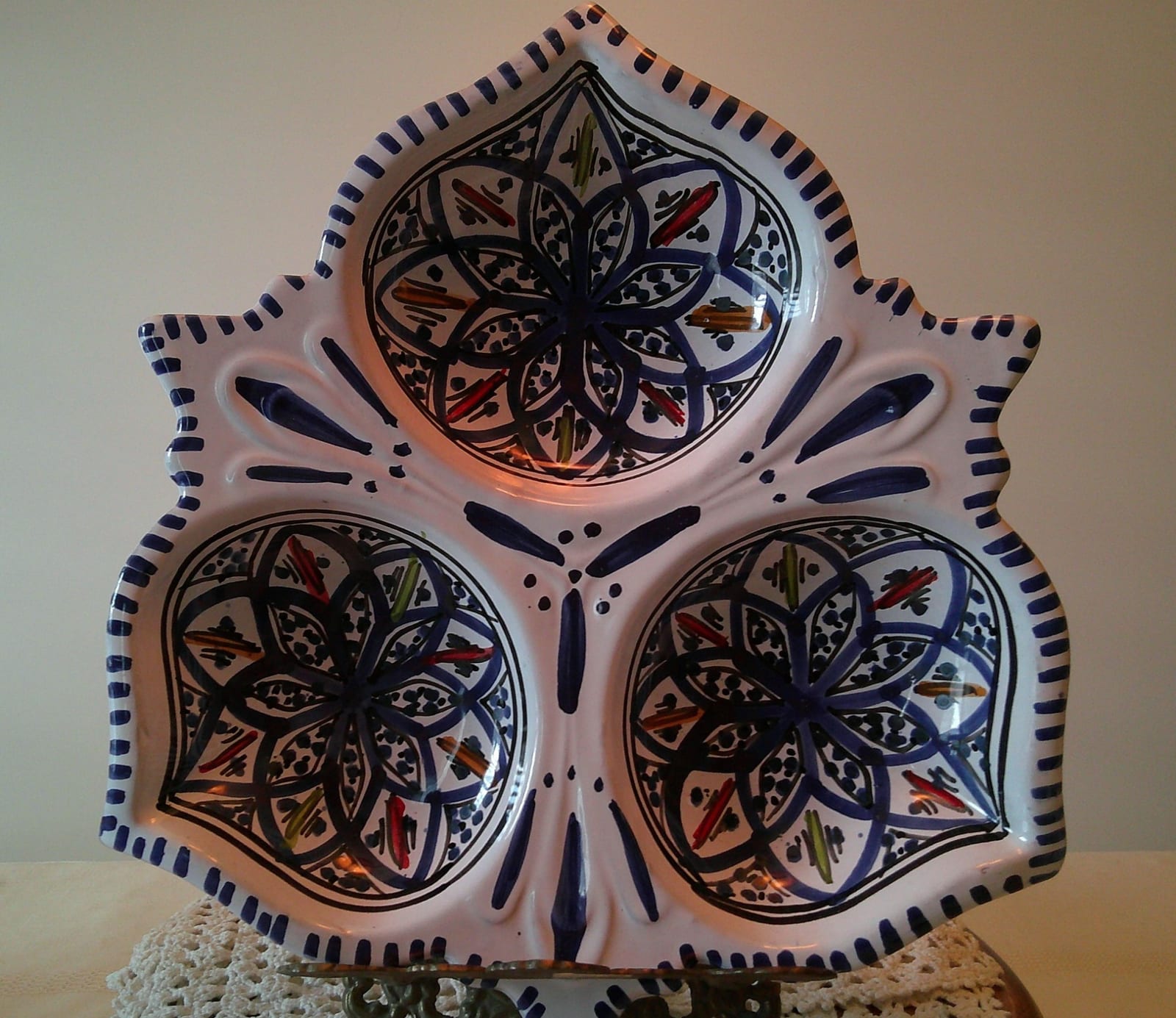
Decorative hand-painted ceramic serving platter / charger
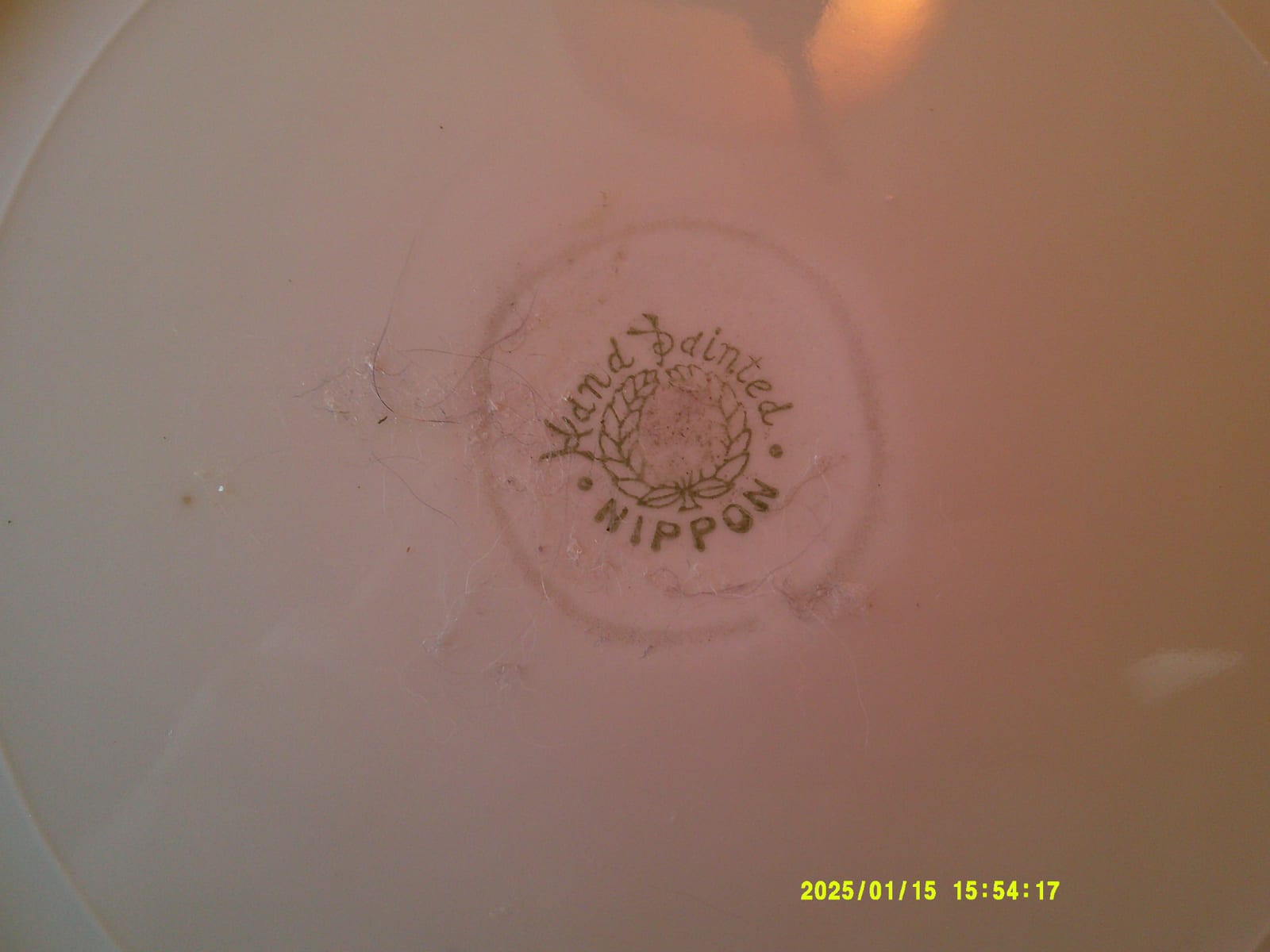
Nippon hand-painted porcelain bowl or dish
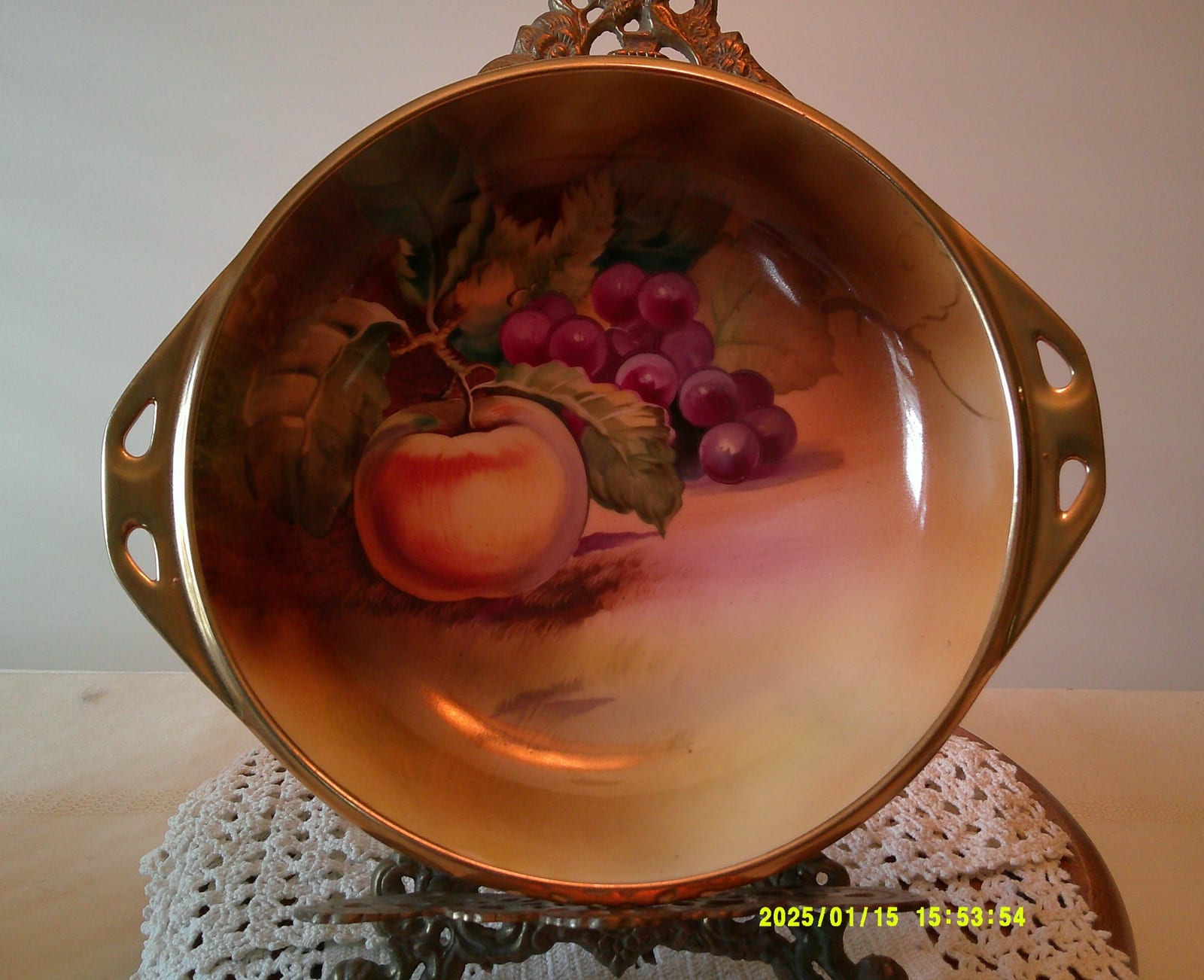
Decorative hand-painted fruit bowl / wall plaque with brass-colored handles
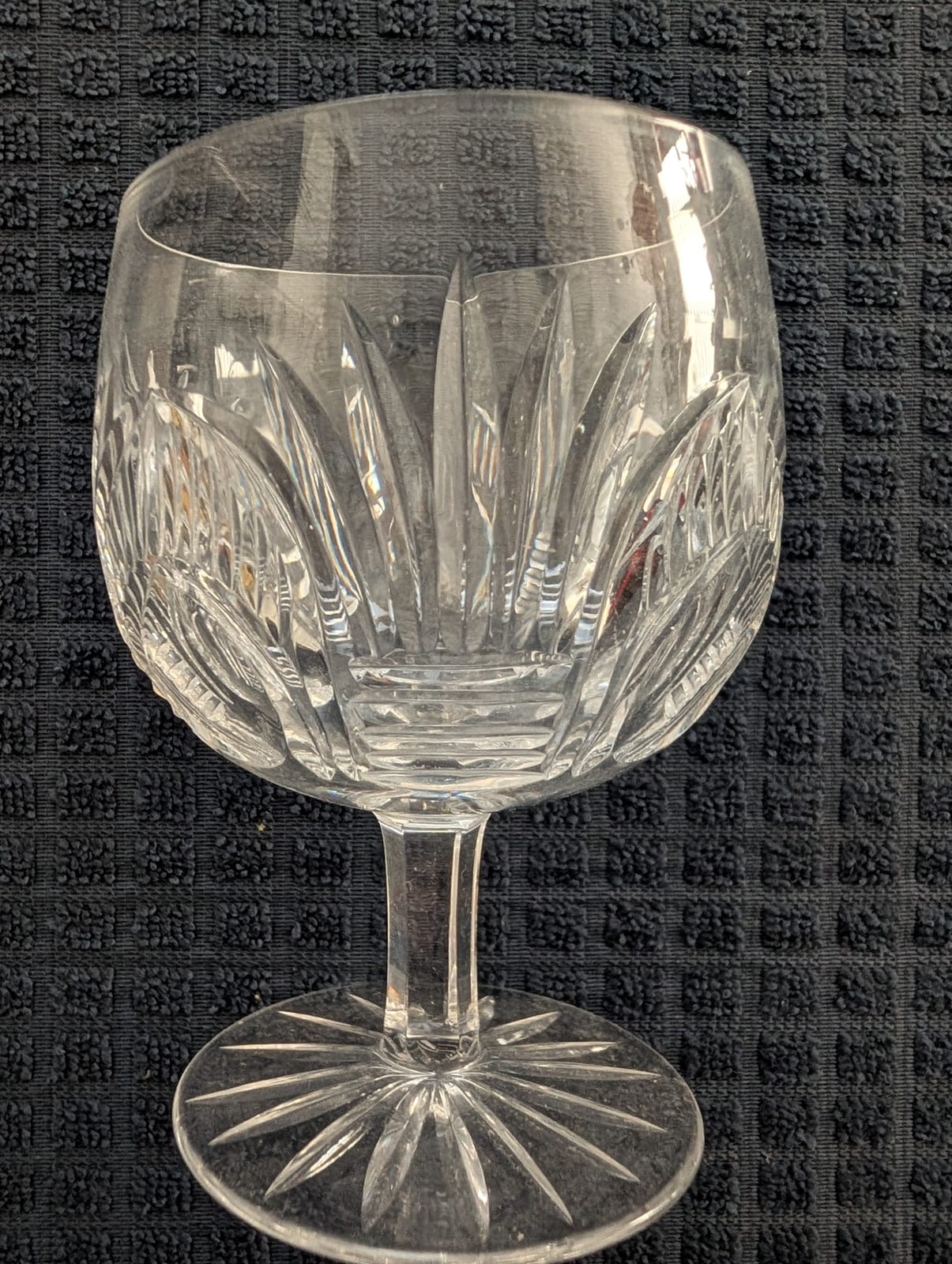
Cut crystal wine goblet / water goblet
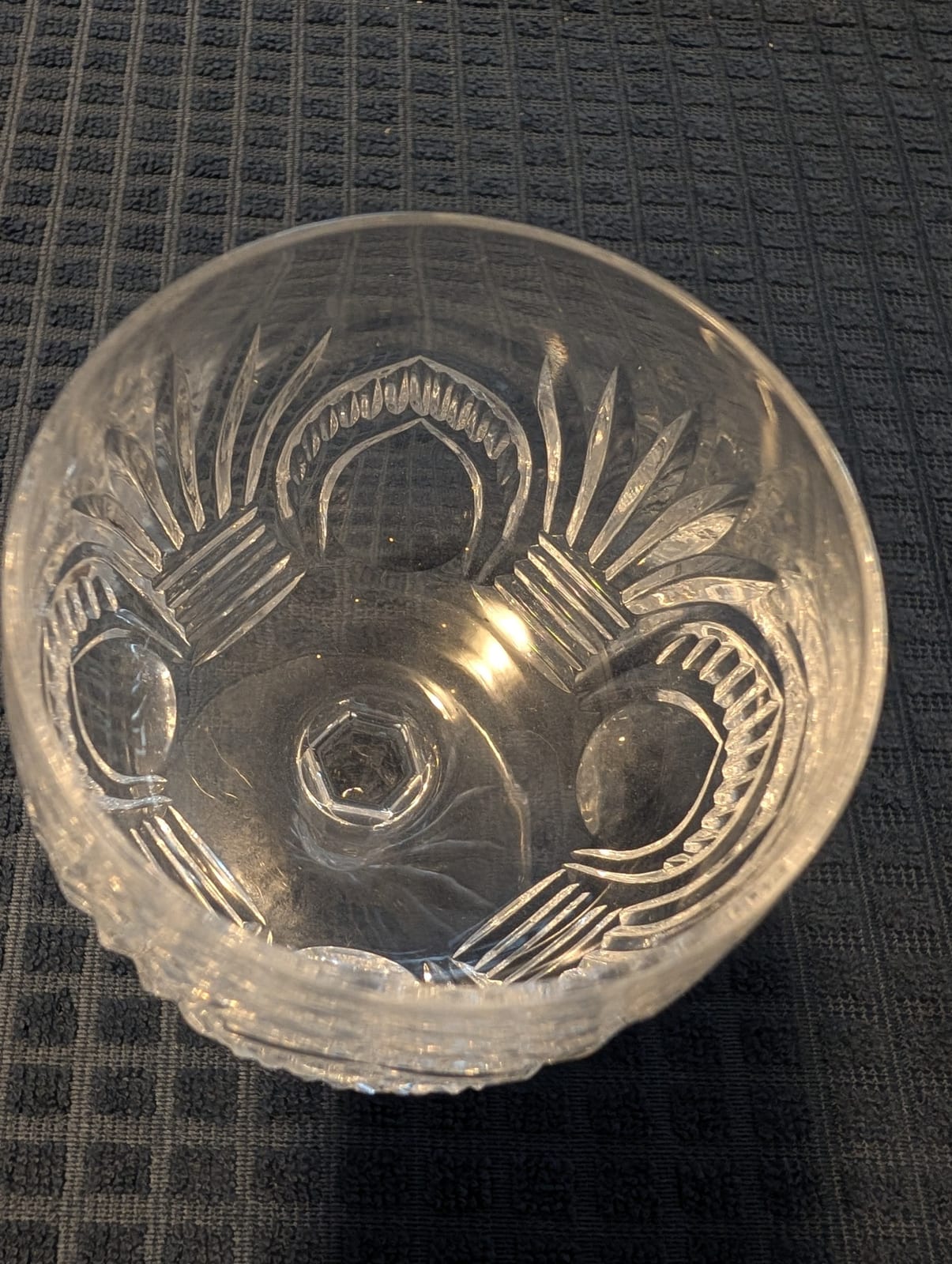
Cut glass crystal bowl or small serving dish
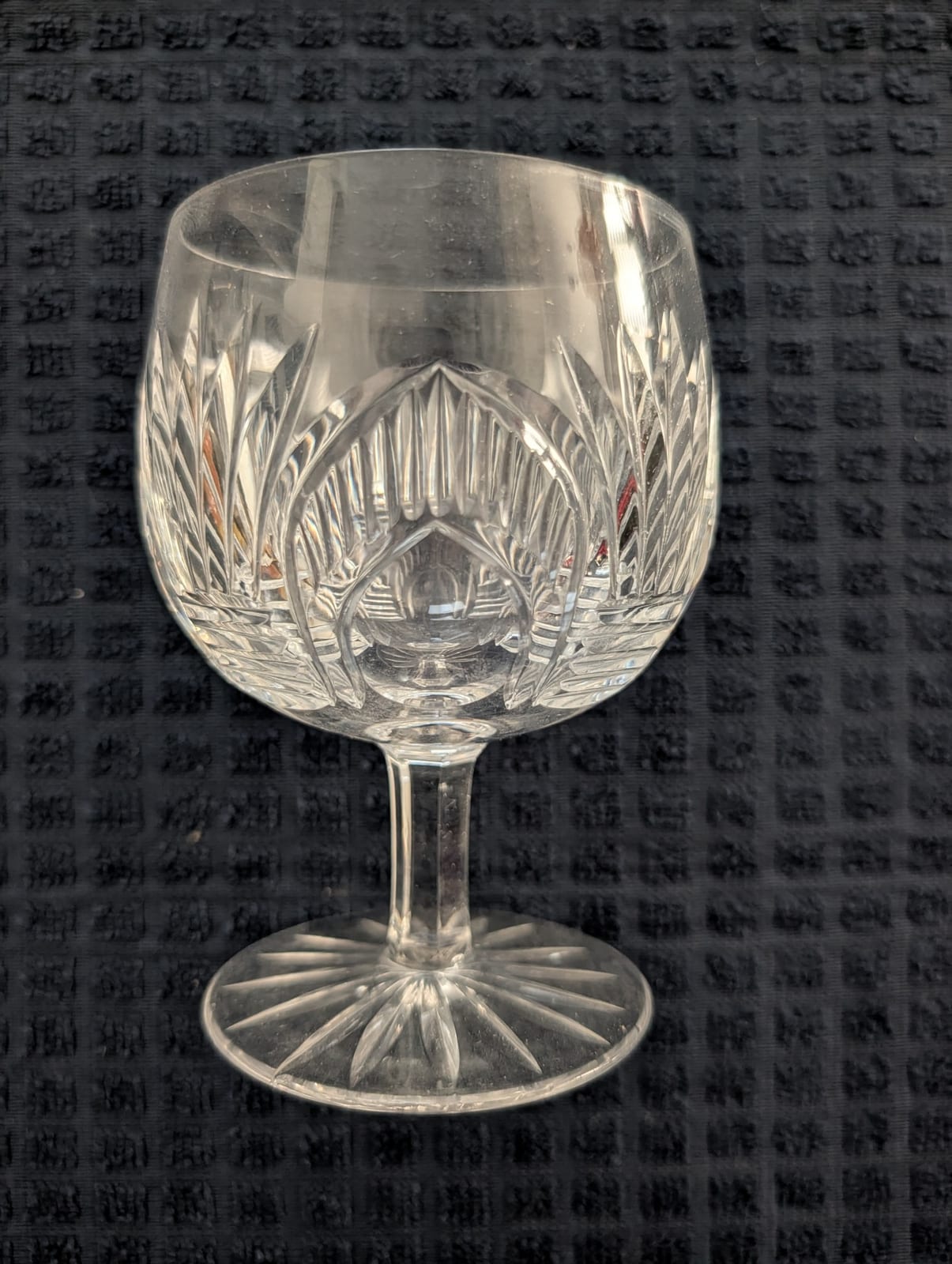
Cut crystal wine goblet / stemmed drinking glass