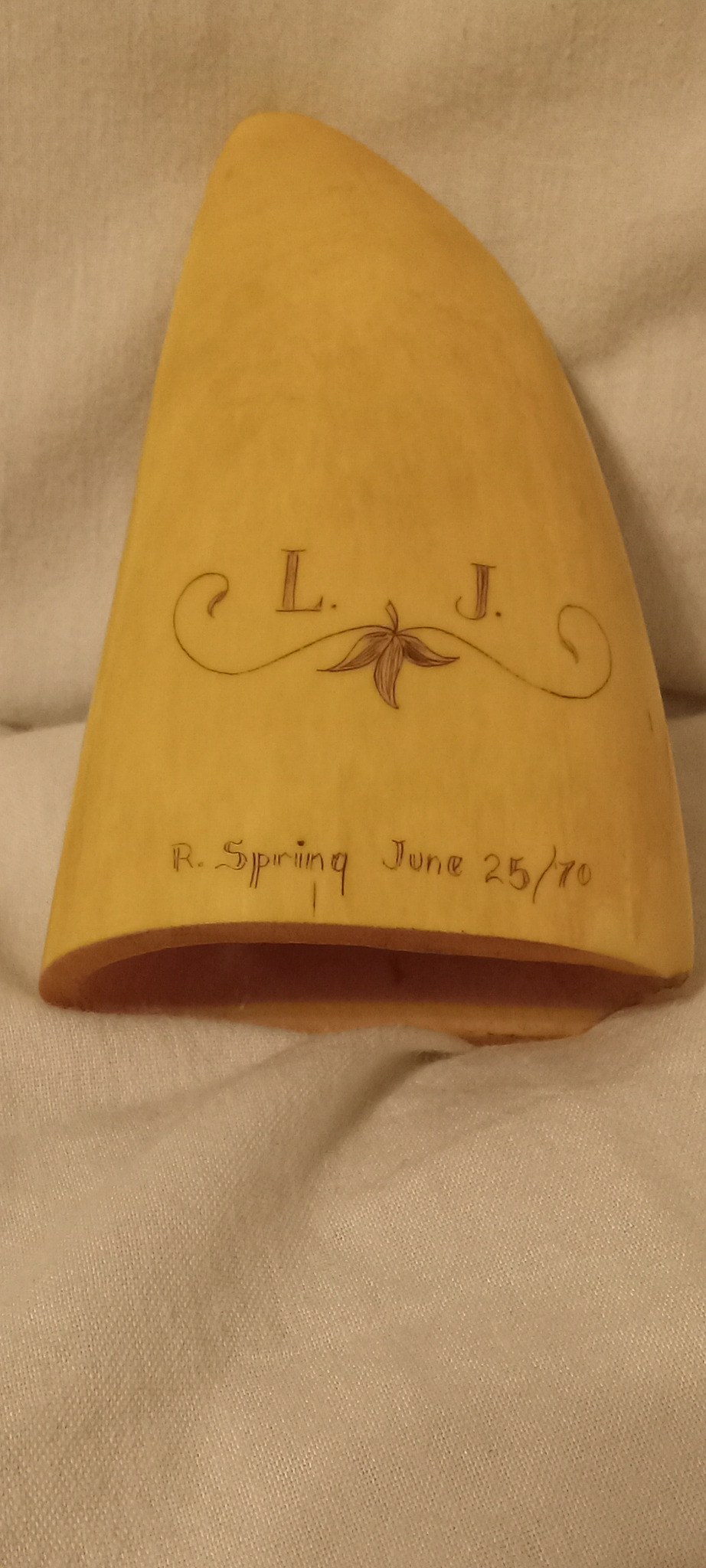
Engraved scrimshaw-style whale tooth or ivory tusk section
Estimated Value
$100-$400
This appears to be a carved and engraved decorative piece in a tapered tooth- or tusk-like form, likely intended as a scrimshaw-style collectible. The front is decorated with a simple monogram 'L.J.' above a stylized floral scroll motif, and the lower inscription reads 'R. Spring June 25/70,' suggesting a personalized or commemorative piece dated June 25, 1970. The engraving is fine and hand-executed, with darkened linework typical of scrimshaw or ink-filled engraving on ivory, bone, or a similar organic material. The overall form and finish suggest a souvenir, gift, or folk-art object rather than a utilitarian antique.
Era
Late 20th century (dated June 25, 1970)
Origin
Likely North America; exact origin unknown
Material
Likely ivory or bone (possibly whale tooth, walrus ivory, or bone substitute)
Condition
Good overall condition with visible age toning and minor surface wear; no obvious major cracks or breaks visible in the image. The lower edge appears slightly uneven, and the material shows natural discoloration consistent with age.
Physical Details
Dimensions
Approximately 6-8 inches tall and 3-4 inches wide at the base, based on visual scale
Weight
Light to Medium
Authentication
Authenticity Score
Medium - The piece appears genuinely hand-engraved and aged, but the exact material cannot be confirmed from the image alone. It may be ivory, bone, or a later imitation material. Verification would require close inspection, UV testing, or expert material analysis.
Provenance
Likely a personalized commemorative item made in 1970; exact maker and place of origin cannot be determined from the image alone. The style suggests a North American scrimshaw or folk-art tradition.
Historical Significance
Scrimshaw and engraved ivory/bone objects have historical ties to maritime culture, especially 19th-century whaling traditions. However, this example is dated 1970 and is more likely a later decorative revival piece than a true period scrimshaw artifact. Its significance is primarily as a personalized folk-art or collectible object.
This identification and value range are AI-generated research aids, not authentication, certification, or a formal appraisal. Learn about the limitations and when to consult a qualified professional appraiser.
Research this item further
Related Identifications
Browse all →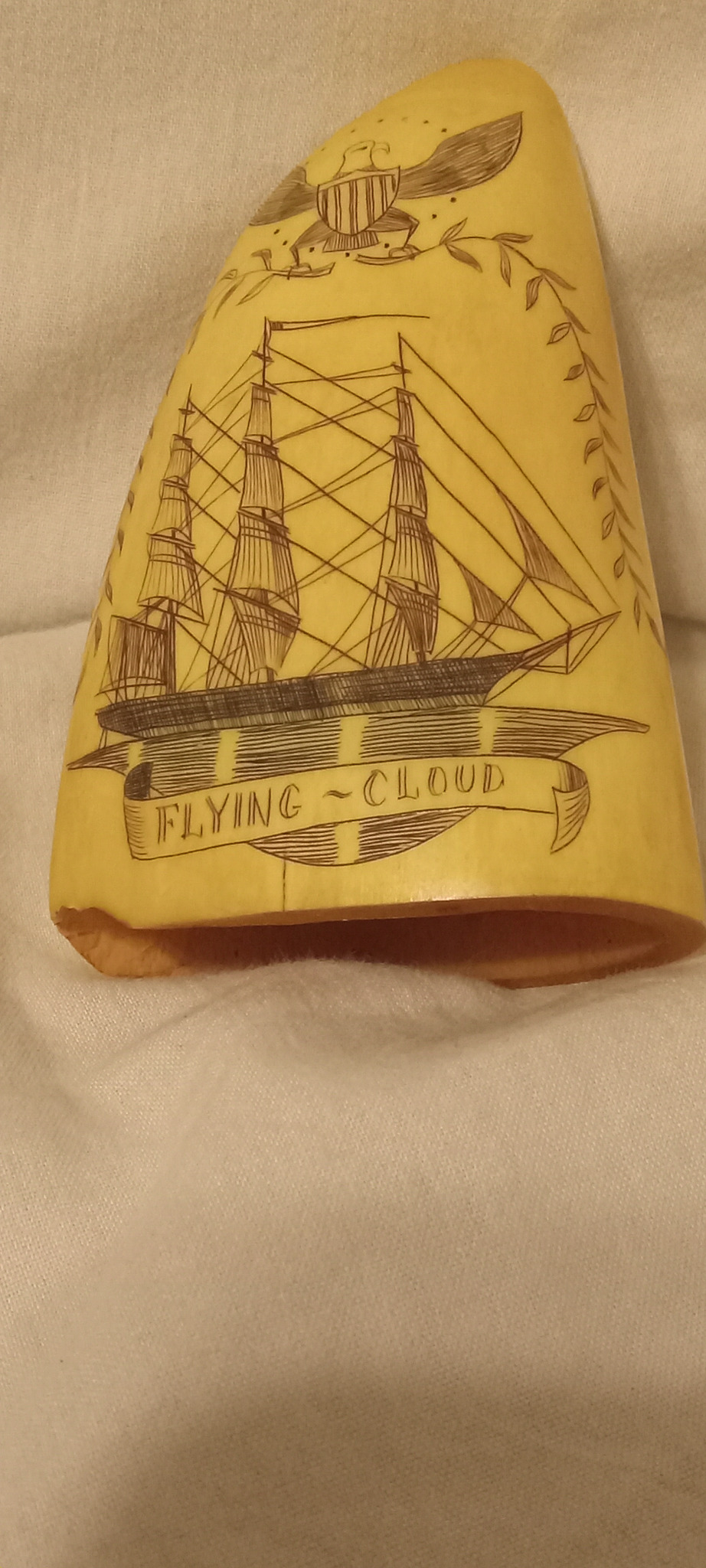
Scrimshaw-style carved and engraved whale tooth or bone souvenir with ship motif
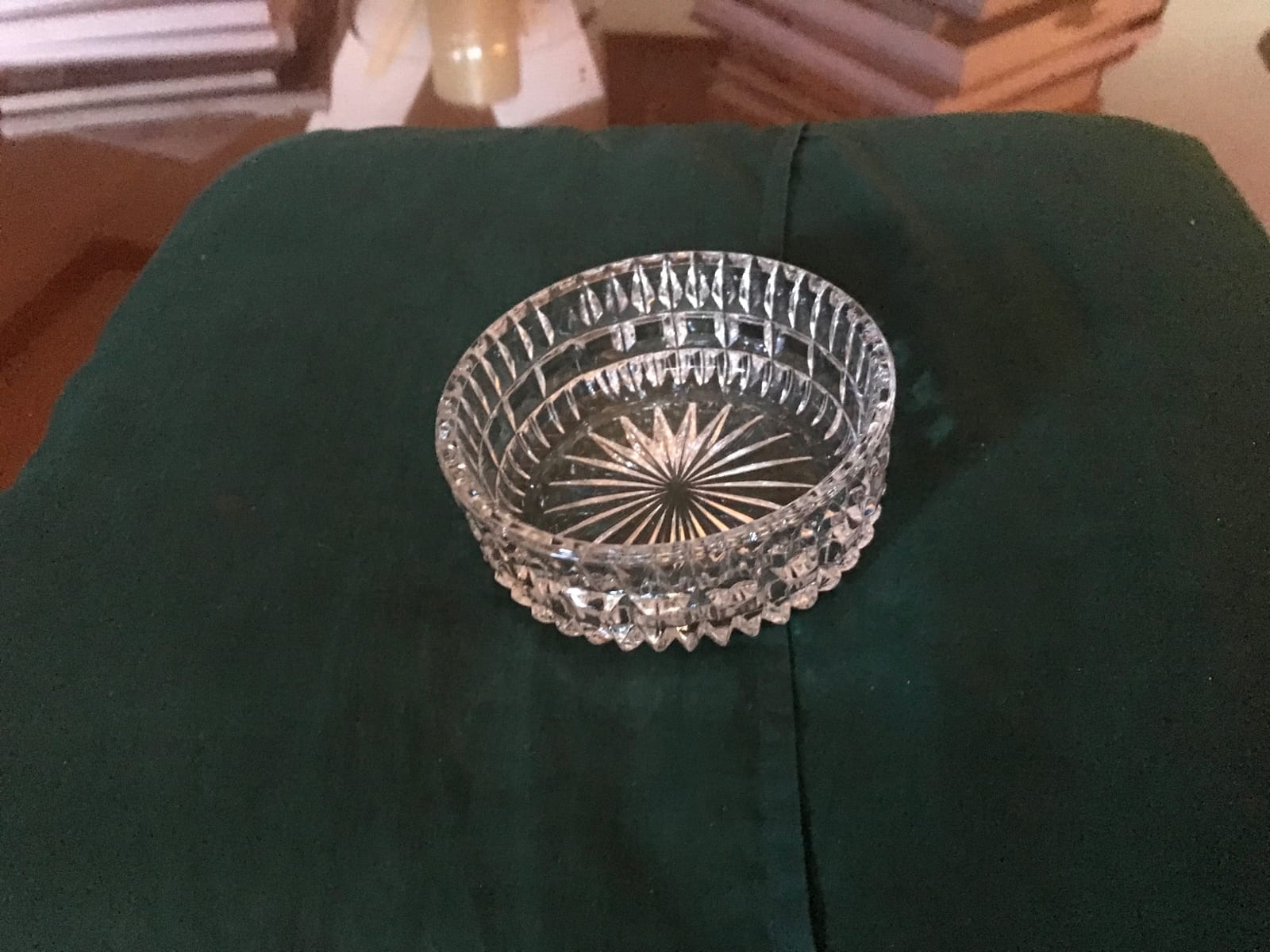
Cut crystal small bowl / open salt or candy dish
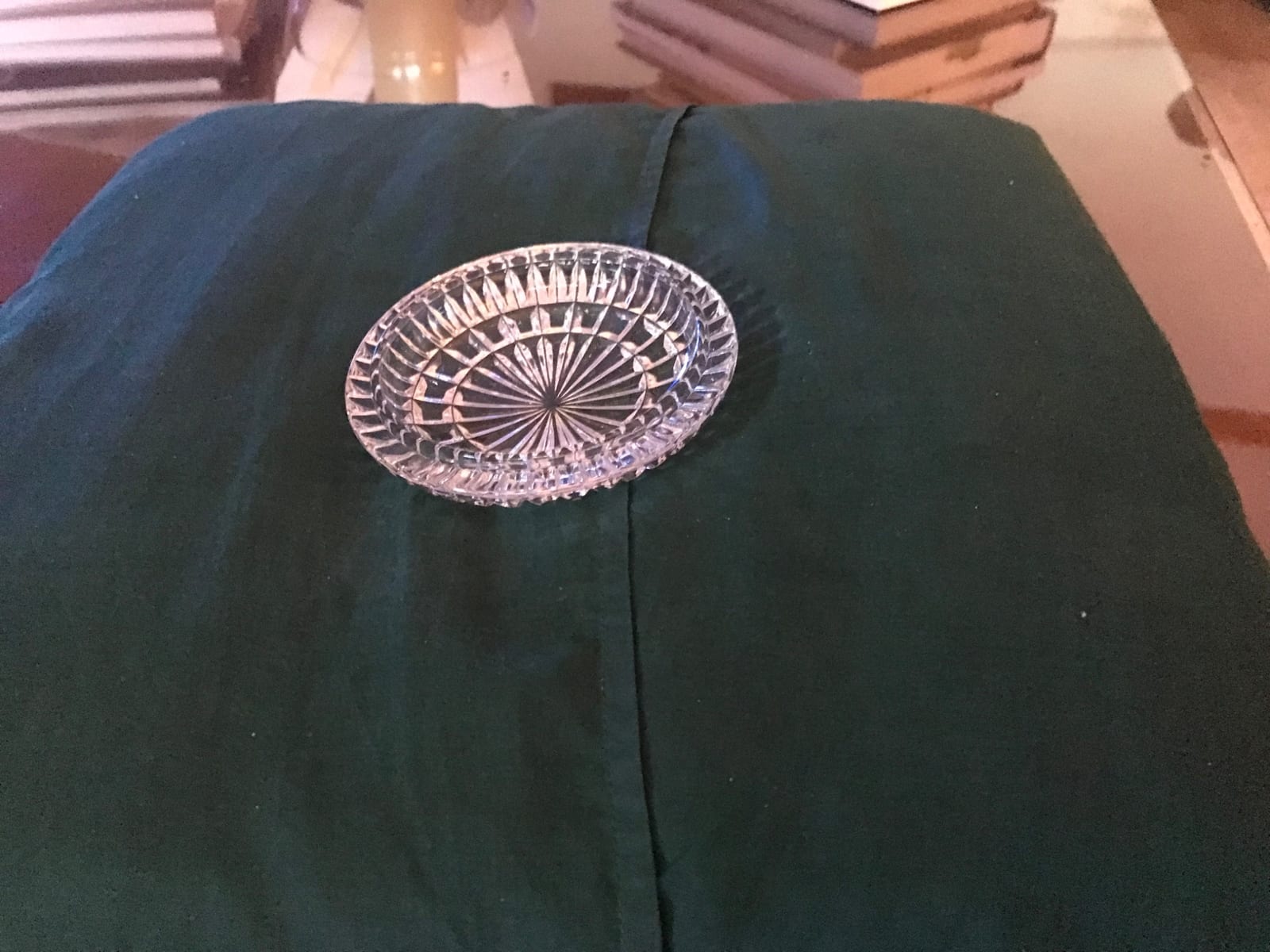
Cut crystal small dish or ashtray
Vintage tabletop tube radio ("Classic 30's Edition" style)