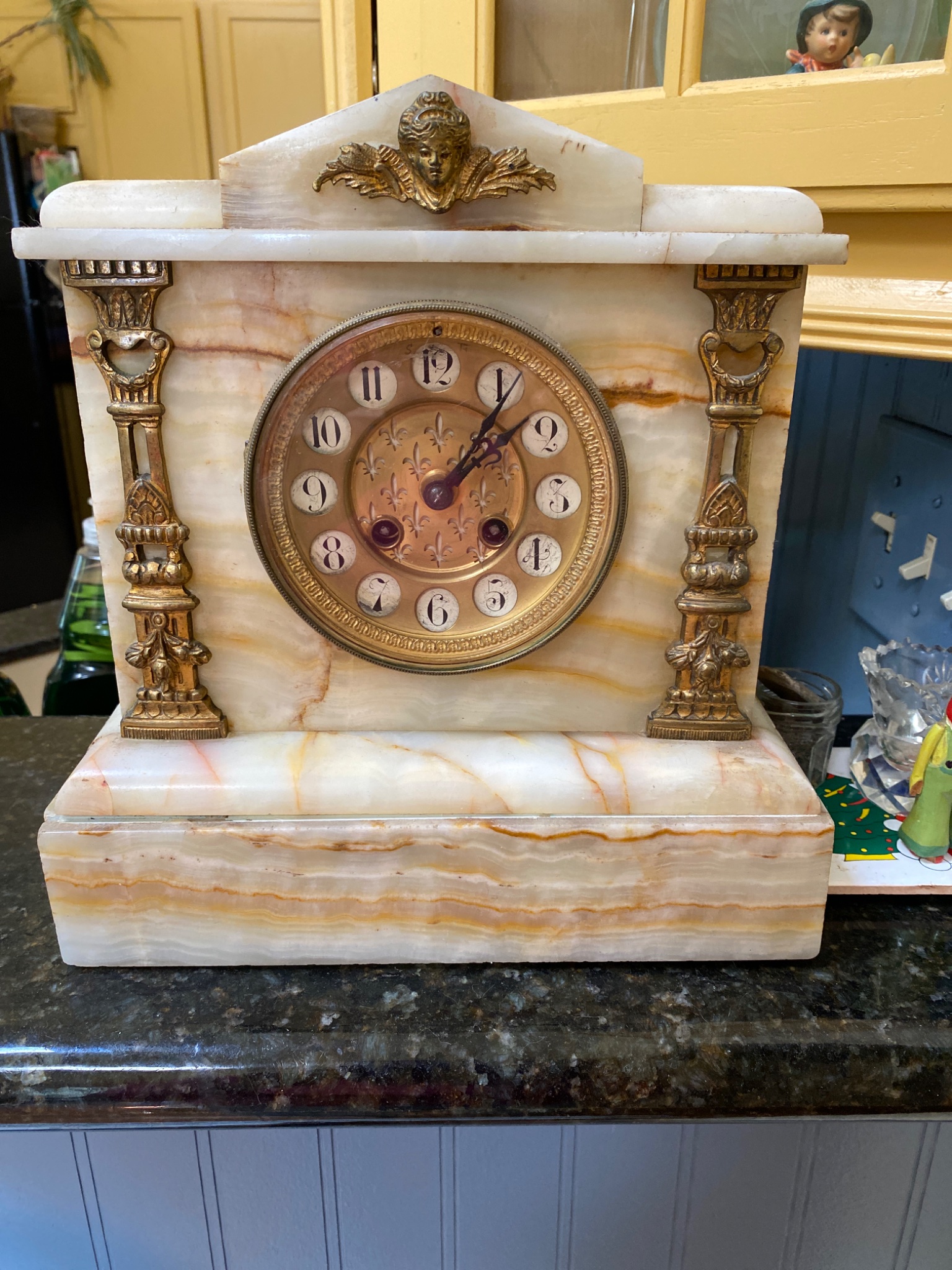
French-style alabaster mantel clock
Estimated Value
$250-$700
An ornate mantel clock in a French-inspired architectural form, constructed from pale translucent stone with warm honey-colored veining. The case features a stepped pediment, column-like side supports, and decorative gilt metal appliques including a classical female mask at the top and floral/foliate ornament on the corners and base. The round dial has Arabic numerals on individual cartouches and a decorative center with fleur-de-lis motifs. The overall style is decorative and formal, typical of late Victorian or Edwardian mantel clocks made for domestic display.
Era
Late 19th century to early 20th century (Victorian/Edwardian period)
Origin
Likely France or continental Europe
Material
Alabaster or onyx stone, gilt metal/brass mounts, painted metal dial, glass lens, mechanical clock movement
Condition
Good overall condition with visible age-related wear; stone shows natural veining and minor surface discoloration, gilt mounts have tarnish and wear, and there may be small chips or edge wear consistent with age. Dial and hands appear intact from the image, but movement condition is unknown.
Physical Details
Dimensions
Approximately 12-14 inches tall, 10-12 inches wide, and 4-6 inches deep
Weight
Heavy
Authentication
Authenticity Score
Medium - The materials, construction, and style are consistent with an antique French mantel clock, but the image does not show the movement, maker's marks, or back plate, so exact dating and originality cannot be confirmed.
Provenance
Likely a decorative mantel clock produced for the export or domestic market in France or a nearby European workshop; exact maker and provenance cannot be determined from the image alone due to no visible maker's mark.
Historical Significance
Mantel clocks of this type were popular decorative objects in affluent homes during the late 19th and early 20th centuries. They reflect the period's interest in classical revival design, architectural ornament, and the use of stone and gilt metal in domestic luxury objects.
Restoration Notes
- •No obvious restoration is visible from the front view
- •Possible cleaning or polishing of the stone and metal mounts may have occurred
- •Minor wear and discoloration suggest age rather than heavy restoration
This identification and value range are AI-generated research aids, not authentication, certification, or a formal appraisal. Learn about the limitations and when to consult a qualified professional appraiser.
Research this item further
Related Identifications
Browse all →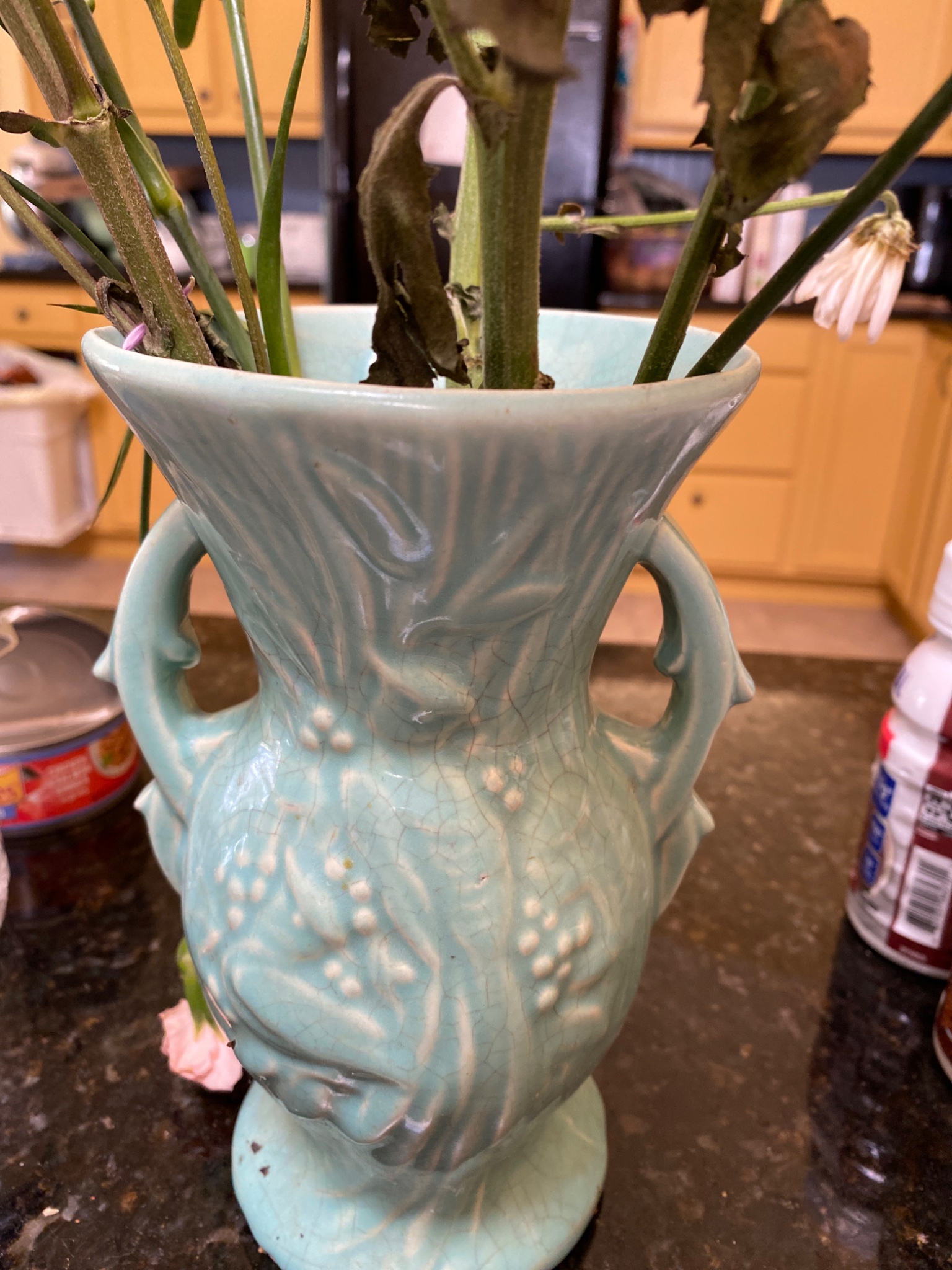
Art pottery double-handled pedestal vase / planter
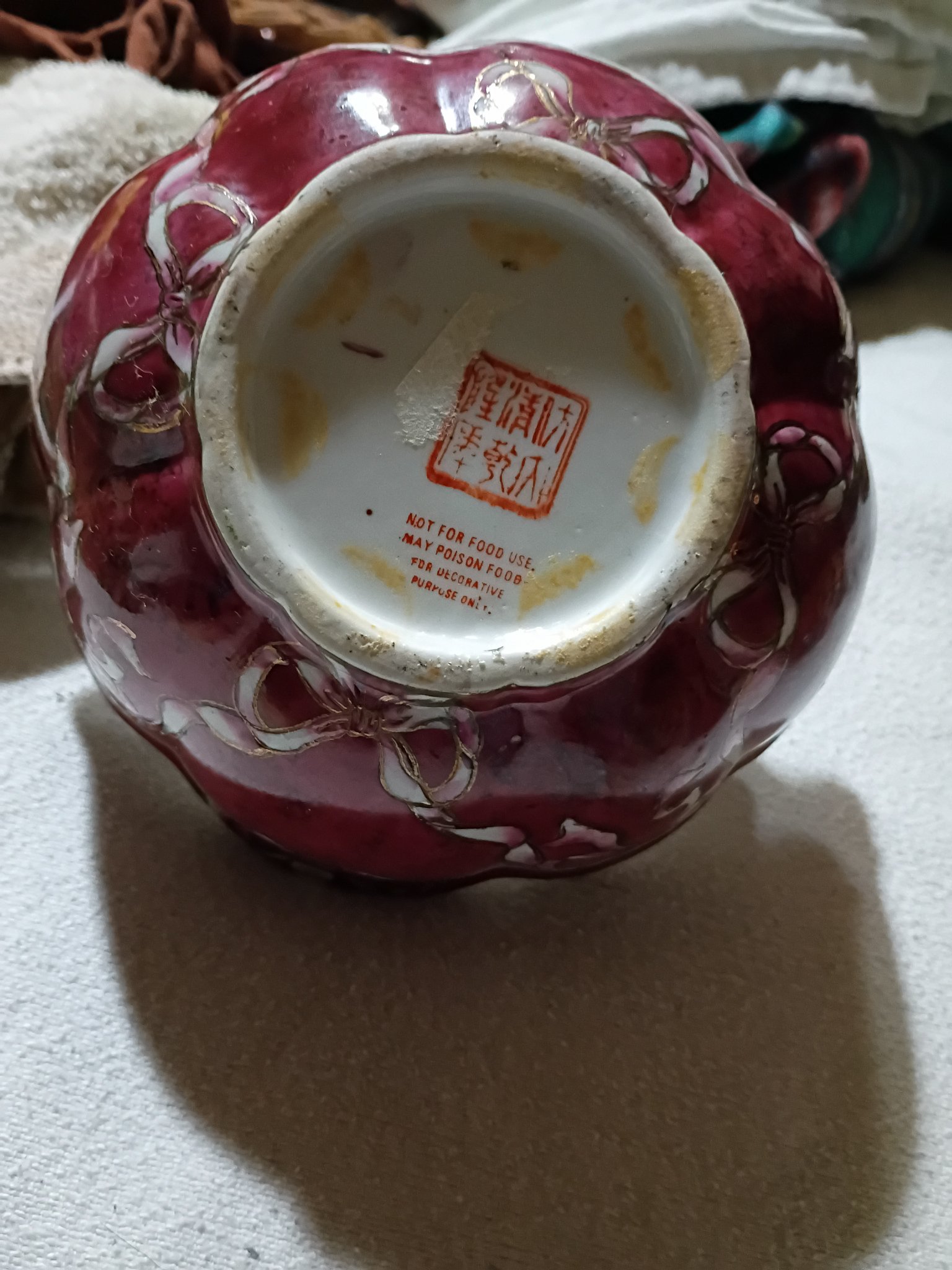
Decorative porcelain vase or jar with red glaze and gilt bow motif
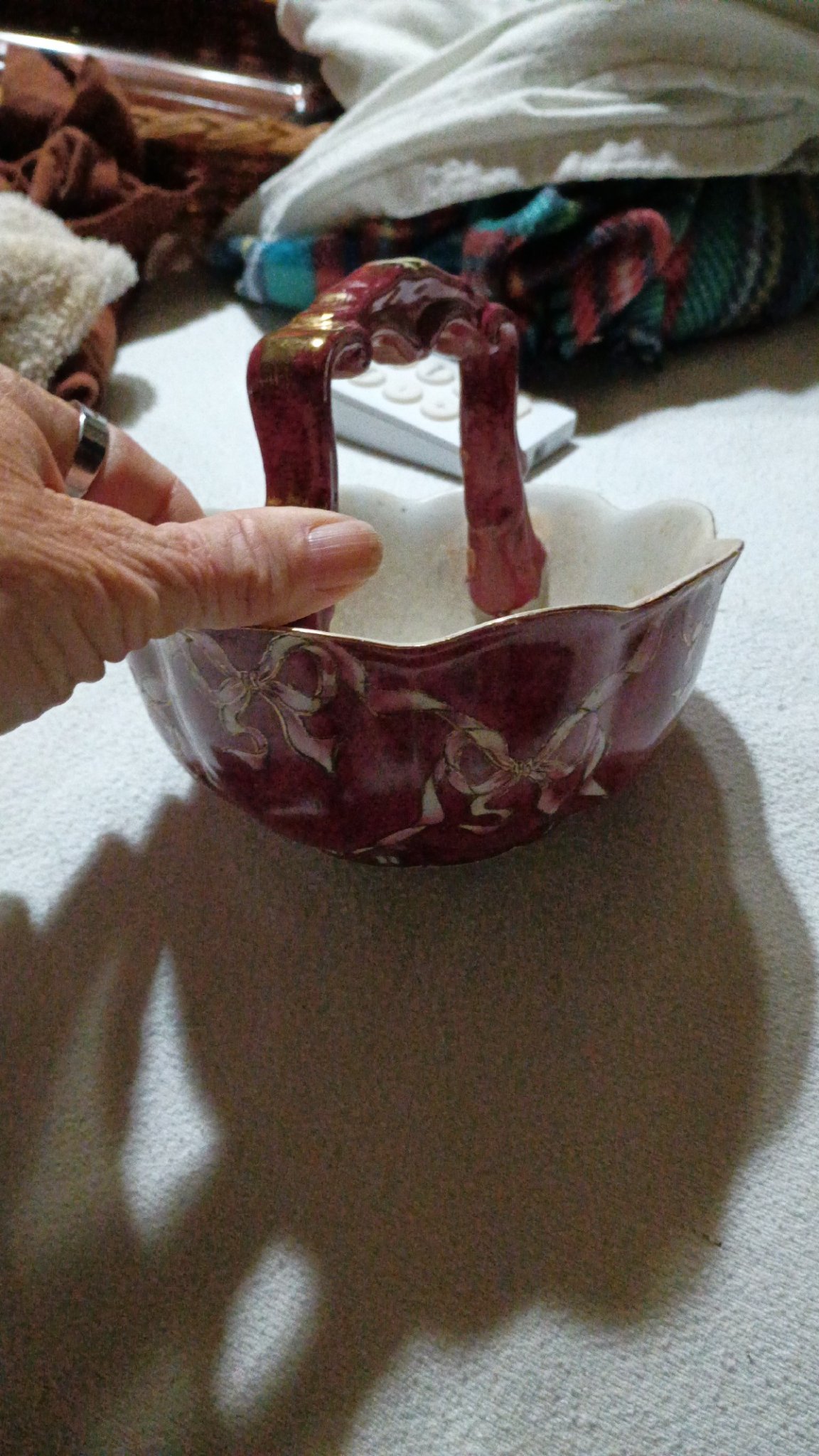
Decorative handled porcelain or ceramic basket bowl
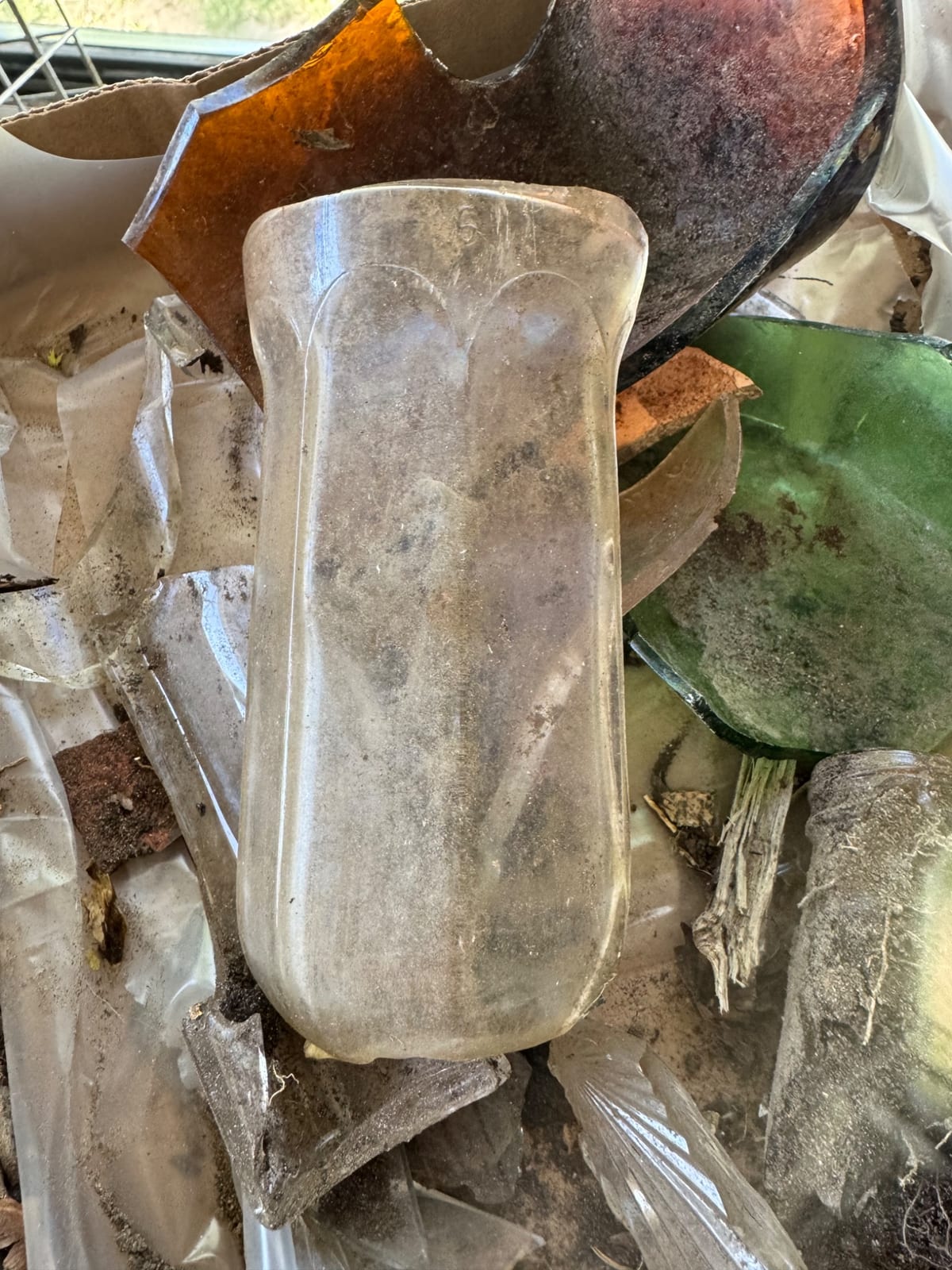
Pressed glass decorative dish or ashtray fragment
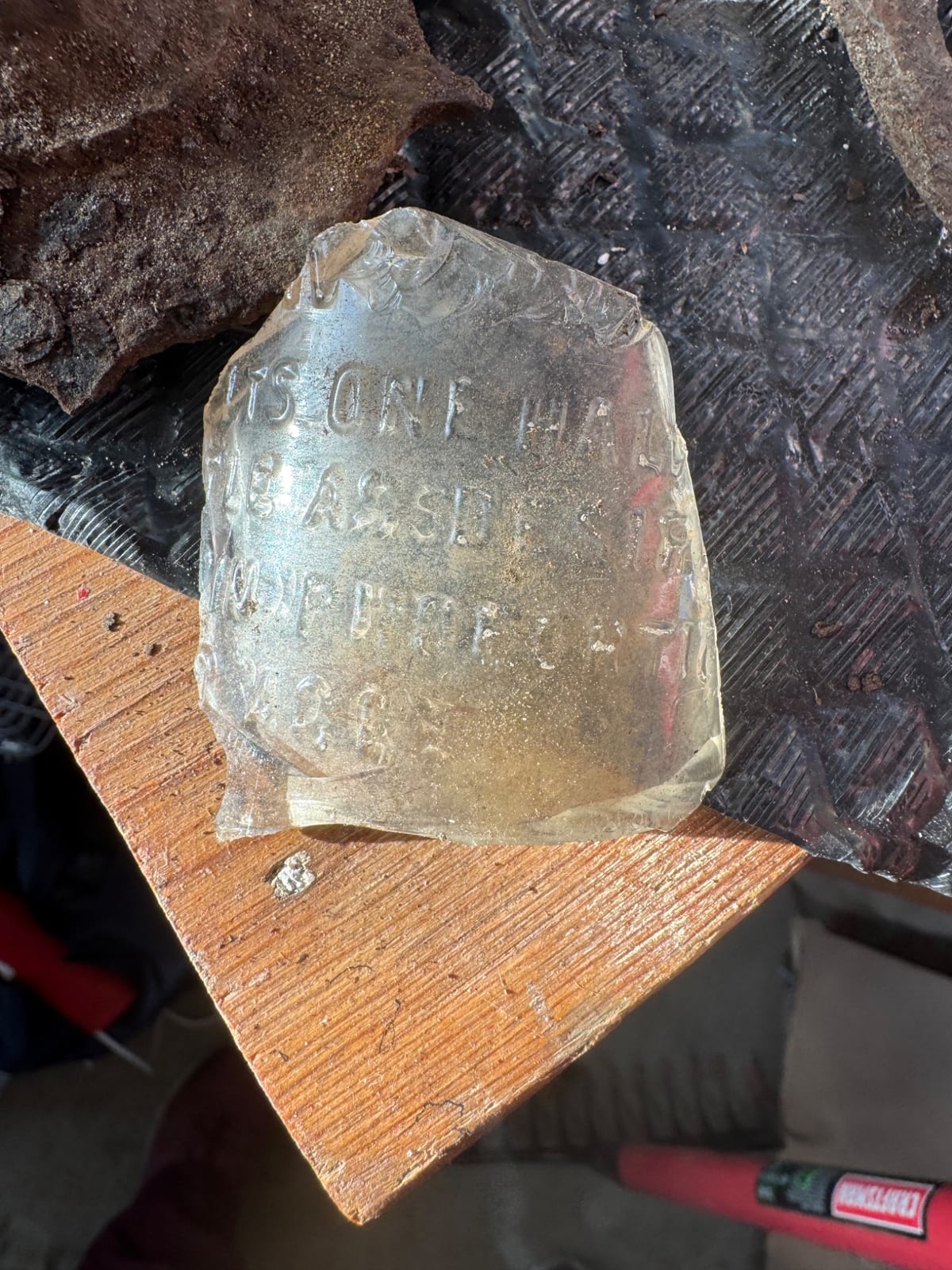
Embossed glass bottle fragment (likely medicine or utility bottle shard)
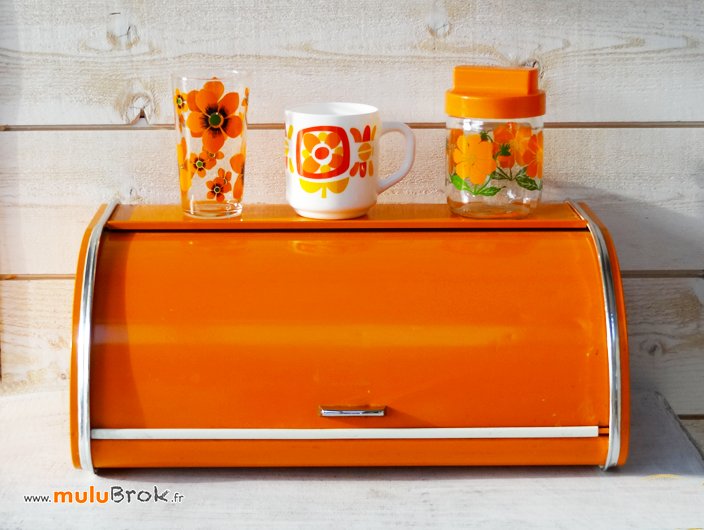
Vintage orange bread box / kitchen bread bin
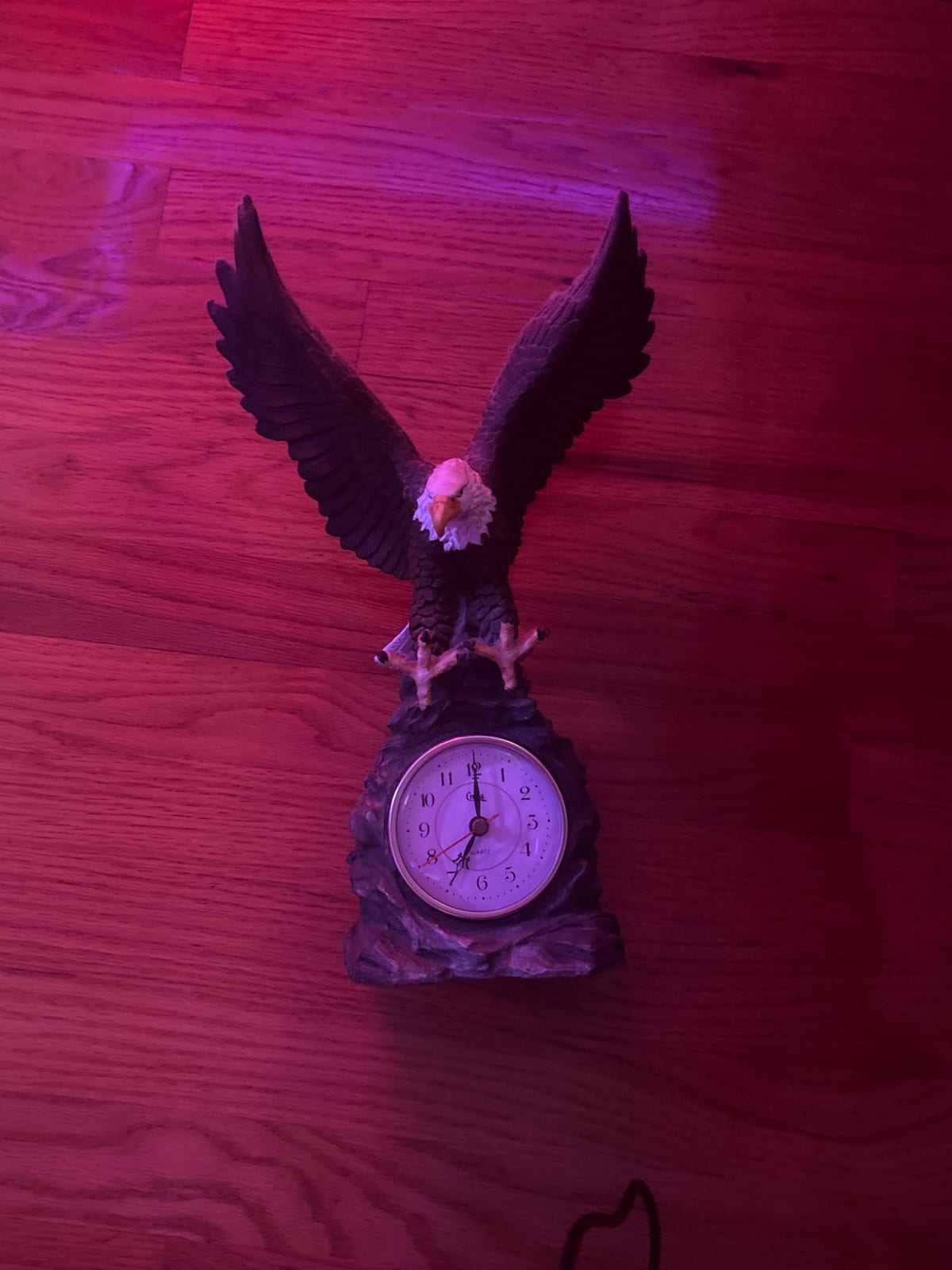
Eagle-themed quartz mantel clock

Eagle-themed novelty desk clock