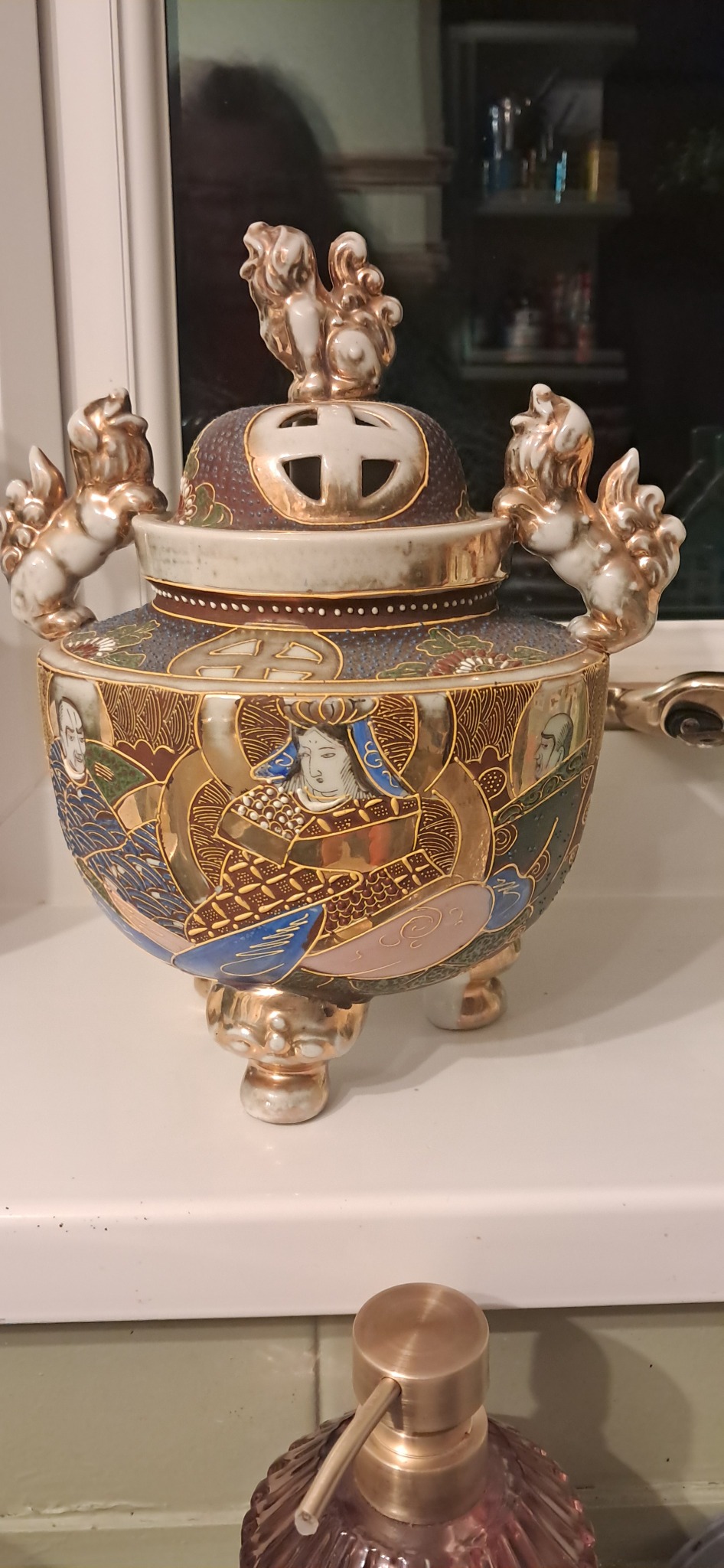
Japanese Satsuma-style porcelain incense burner / koro with lid and foo dog finial
Estimated Value
$150-$400
This appears to be a Japanese decorative koro, or incense burner, in the Satsuma tradition. It has a domed lid with openwork vents, three sculptural feet, and elaborate applied handles/finials in the form of stylized foo dogs or shishi-like creatures. The body is richly decorated with hand-painted figural scenes in a dense gilt-outlined style typical of Satsuma export wares, featuring courtly or historical figures in layered robes. The palette includes cream, blue, green, brown, and extensive gilt detailing. The workmanship suggests an export decorative piece rather than a utilitarian incense burner, and the overall aesthetic is highly ornate and collectible.
Era
Late Meiji to Taisho period, approximately 1890s-1920s
Origin
Japan
Material
Porcelain with polychrome enamel decoration and gilt accents
Condition
Good overall condition with visible age-related wear to gilding and surface decoration; possible grime/discoloration on the metal-like or glazed areas, but no obvious major chips or cracks visible from the image. Exact condition should be confirmed in hand.
Physical Details
Dimensions
Approximately 10-12 inches tall and 7-9 inches wide, based on visual scale
Weight
Medium
Authentication
Authenticity Score
Medium. The style, decoration, and form are consistent with Japanese Satsuma-type porcelain, but the image does not show the base or any maker's mark, so attribution and age cannot be confirmed with high confidence.
Provenance
Likely Japanese export ware made for domestic or Western collectors, possibly from Kyoto or a Satsuma-style workshop. The exact maker is not identifiable from the image, and no clear mark is visible.
Historical Significance
Satsuma-style ceramics were widely produced for export during the Meiji era and became highly popular in Europe and America. Pieces like this reflect Japan's late 19th- and early 20th-century export trade and the Western appetite for highly decorative Orientalist ceramics.
This identification and value range are AI-generated research aids, not authentication, certification, or a formal appraisal. Learn about the limitations and when to consult a qualified professional appraiser.
Research this item further
Related Identifications
Browse all →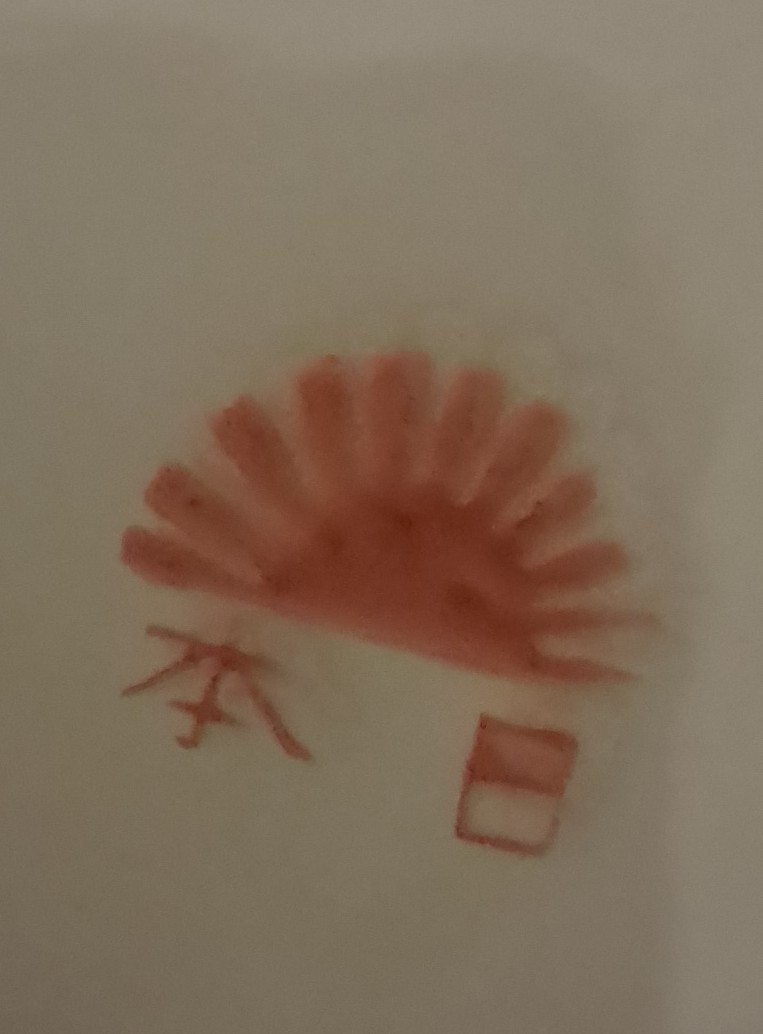
Japanese porcelain or ceramic maker's mark (red overglaze stamp)
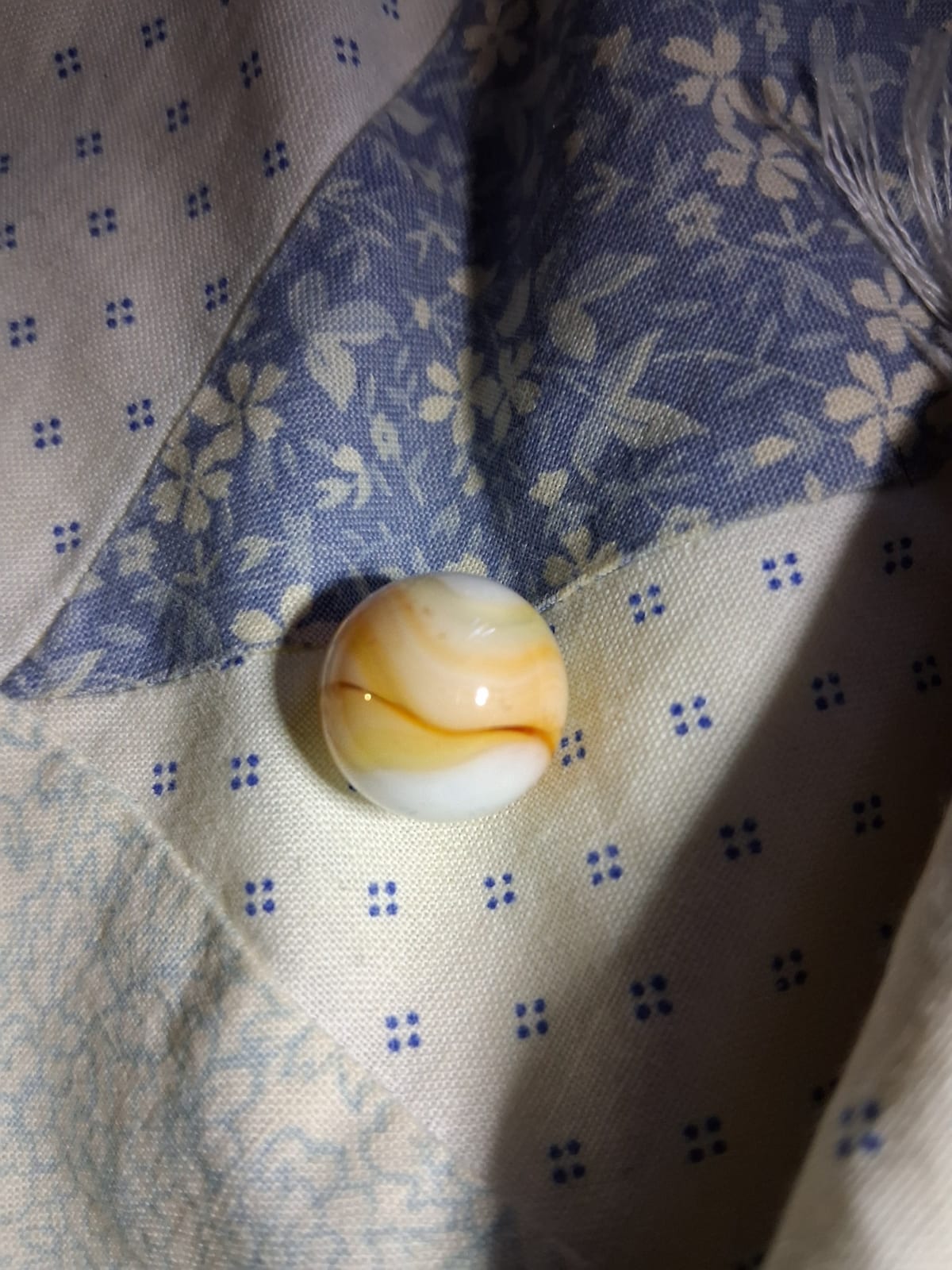
Polished agate or chalcedony cabochon bead / pendant stone
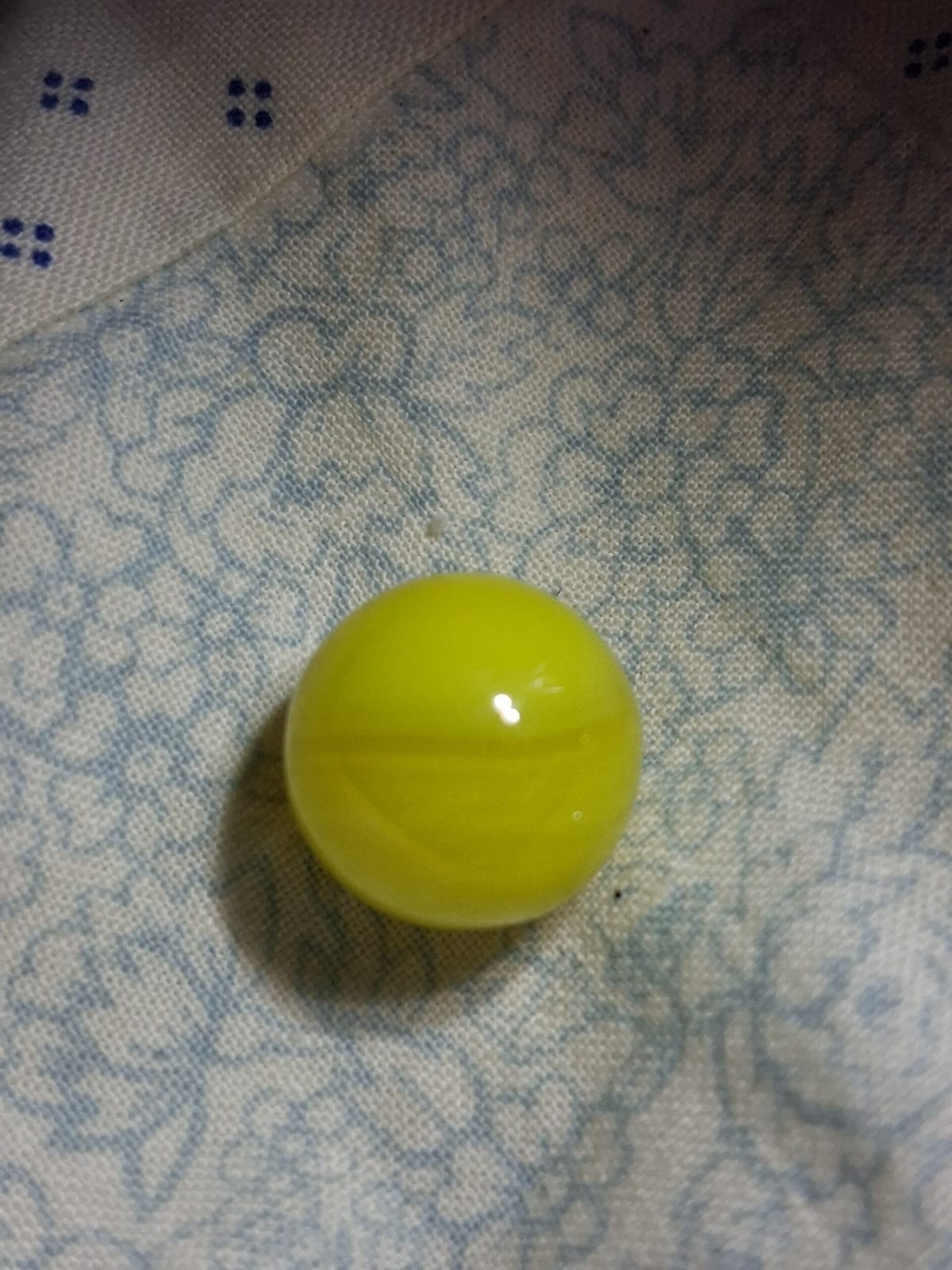
Yellow translucent glass or resin cabochon bead
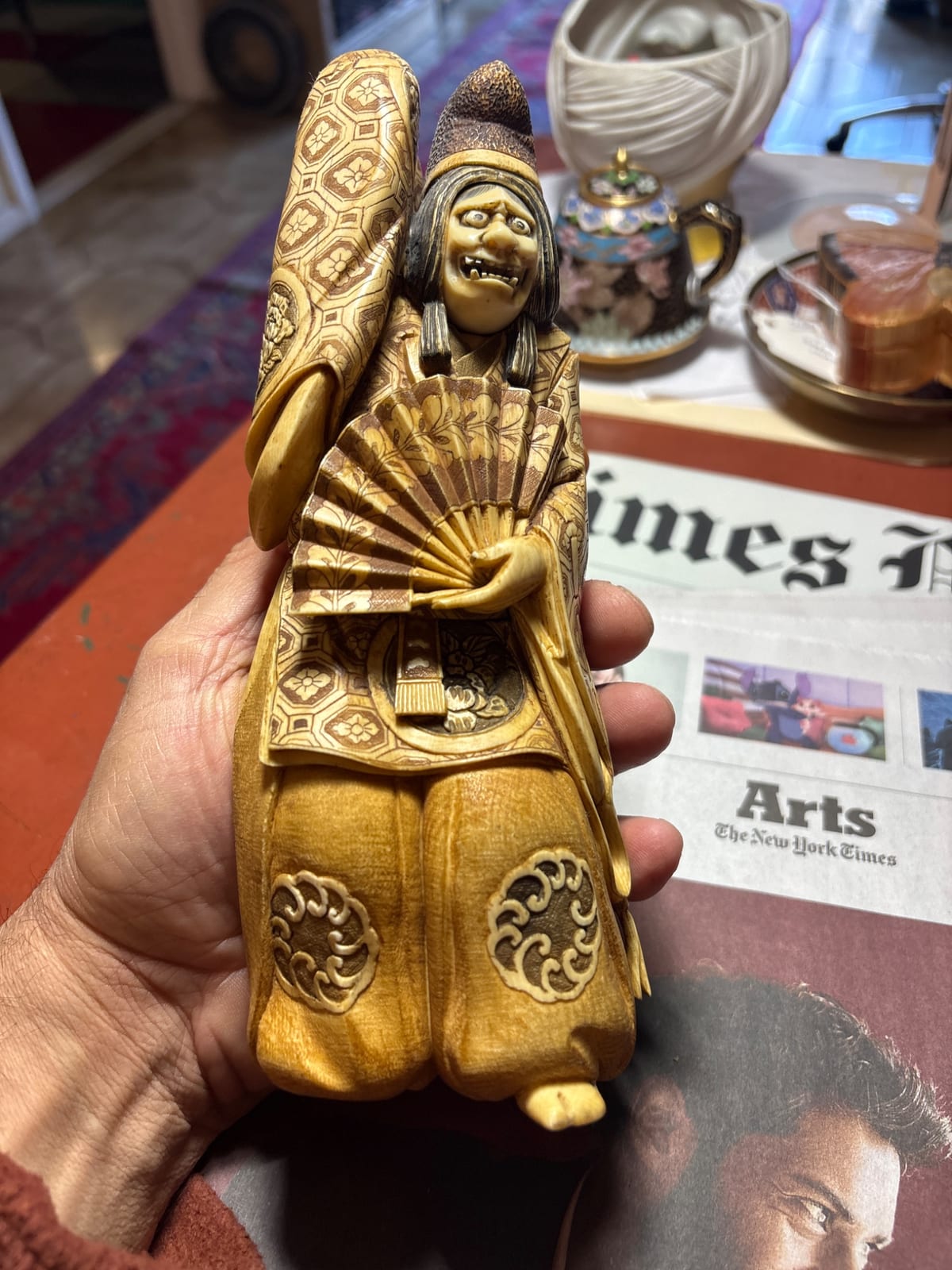
Japanese carved netsuke-style figure of a theatrical/folk character holding a fan
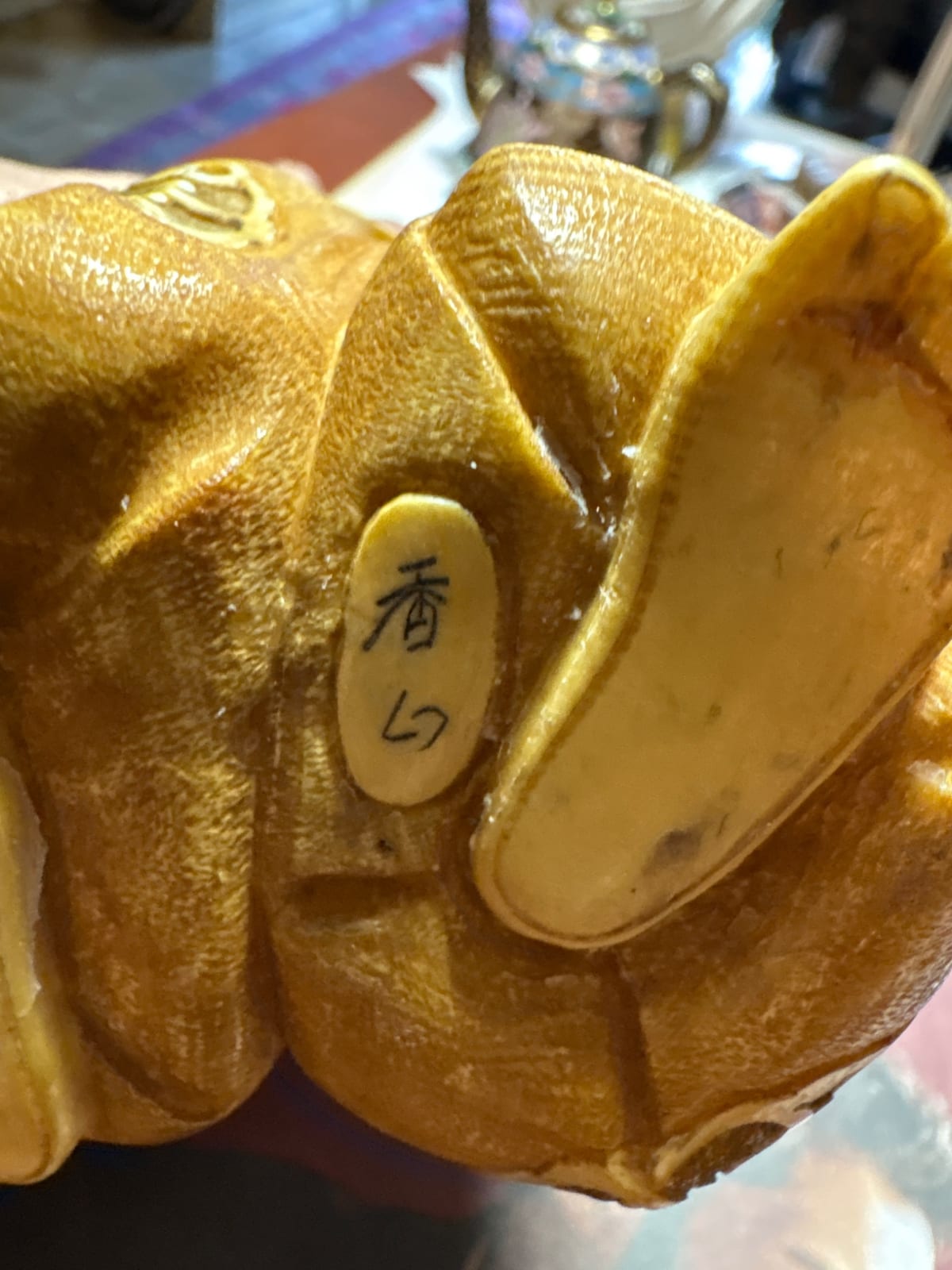
Carved decorative figurine or sculpture fragment (possibly resin, wood, or composite)
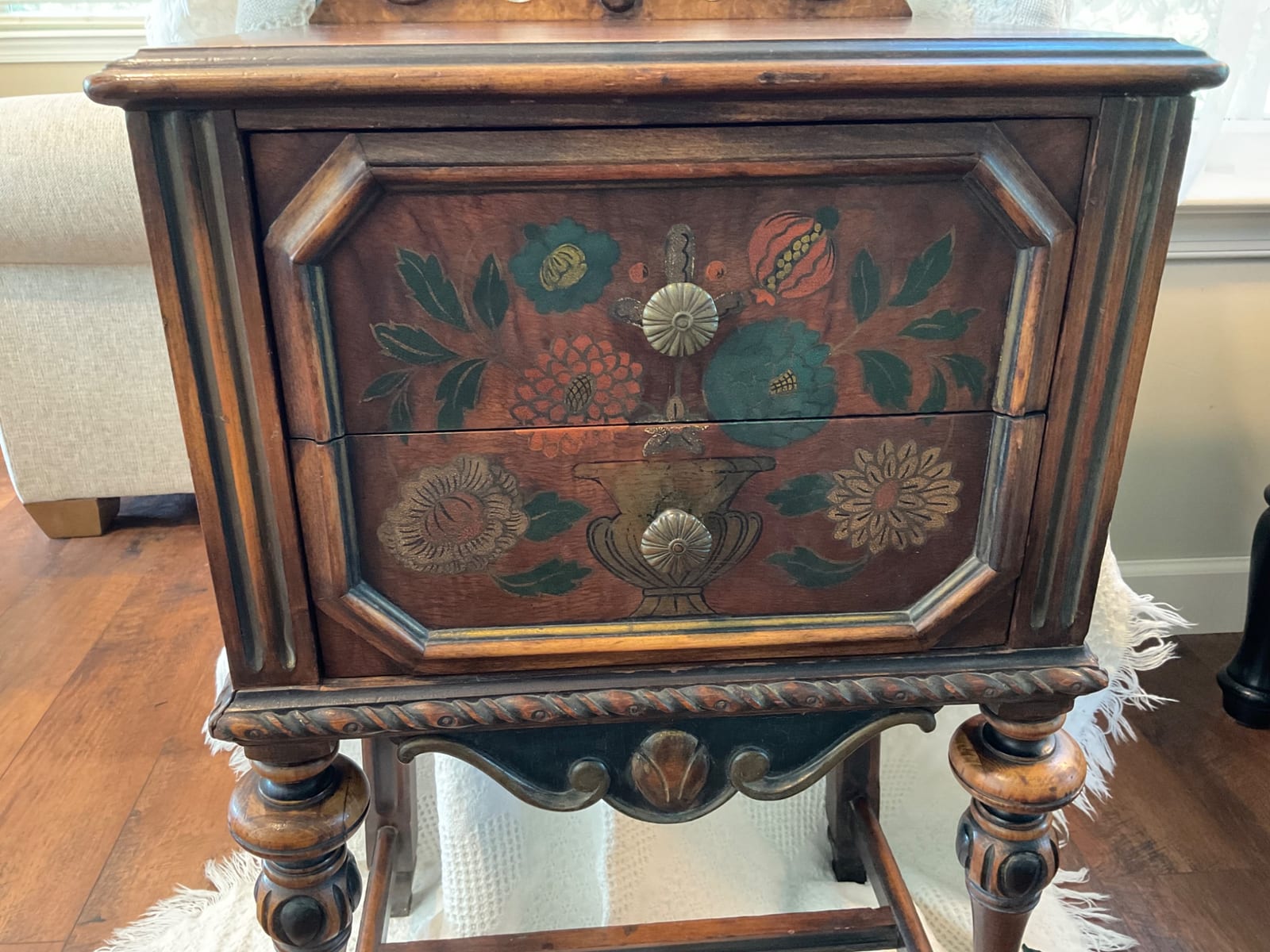
Painted wooden side cabinet / nightstand
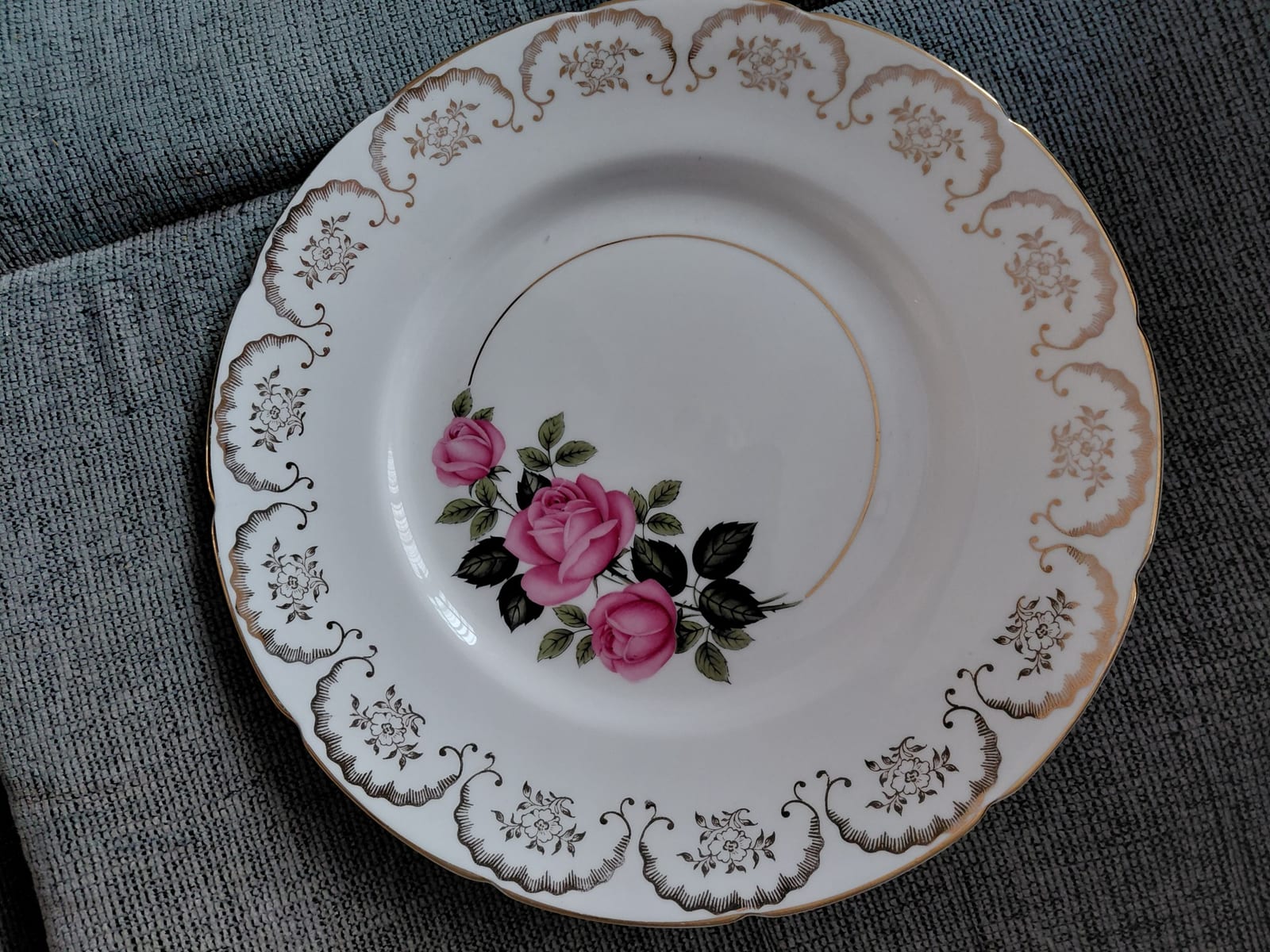
Decorative porcelain dinner plate with rose transfer and gilt border
Decorative ceramic or metal wall plaque / small charger plate