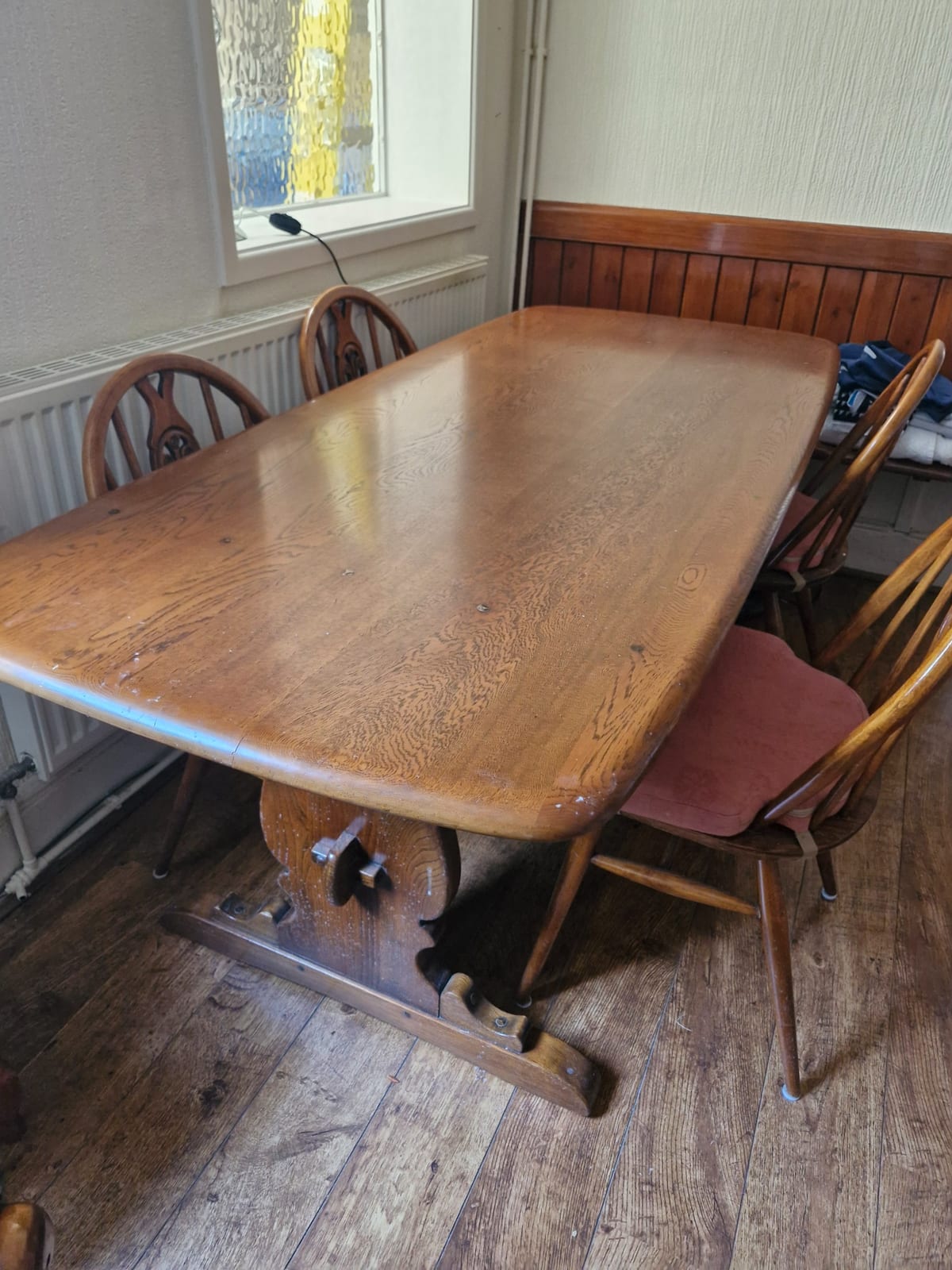
Large oak refectory or farmhouse dining table with trestle base
Estimated Value
$400-$1,200
A substantial rectangular oak dining table with a thick plank top, rounded edges, and a heavy trestle-style base. The base features a central support panel and stretcher construction, suggesting a refectory or farmhouse form. The wood grain is prominent and the table has a warm, aged finish. The design is sturdy and utilitarian, with a traditional look often associated with country house, pub, or institutional dining furniture. The visible construction and proportions suggest it was made for durability rather than fine decorative carving.
Era
Late 19th century to early 20th century (Victorian/Edwardian revival style, possibly c. 1890-1930)
Origin
United Kingdom or Northern Europe (best estimate based on style and construction)
Material
Oak wood with metal hardware/fasteners
Condition
Good overall condition with visible surface wear, scratches, minor dents, and finish wear consistent with age and use; no obvious major structural damage visible in the image
Physical Details
Dimensions
Approximately 7-8 feet long, 3-4 feet wide, and 29-31 inches high
Weight
Heavy
Authentication
Authenticity Score
Medium - The table appears period-style and well-made, but the exact age cannot be confirmed from the image alone; it may be an antique or an early-to-mid 20th century reproduction in traditional style
Provenance
Likely from a domestic dining room, farmhouse, pub, or institutional setting; exact provenance unknown. The style suggests British or European manufacture, possibly a revival piece rather than a true medieval refectory table.
Historical Significance
Refectory and farmhouse tables are historically associated with communal dining and durable vernacular furniture traditions. Examples from the late 19th and early 20th centuries are common in period interiors and remain desirable for their scale, craftsmanship, and practical design.
Restoration Notes
- •Finish appears refreshed or polished at some point
- •Minor wear and possible small surface repairs/filled marks visible on the top
- •No obvious major restoration or replacement parts visible from this angle
This identification and value range are AI-generated research aids, not authentication, certification, or a formal appraisal. Learn about the limitations and when to consult a qualified professional appraiser.
Research this item further
Related Identifications
Browse all →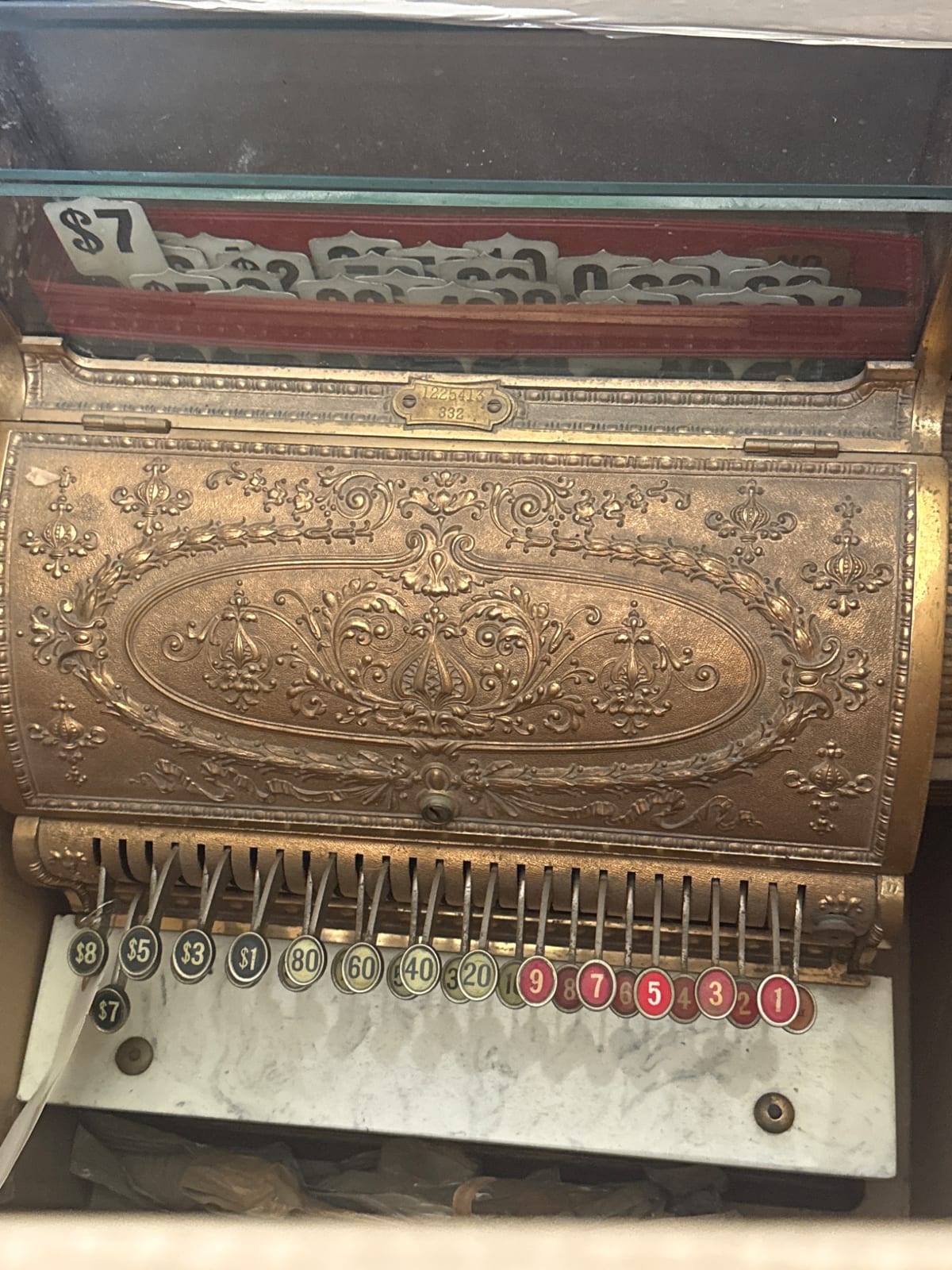
Antique mechanical cash register / coin-operated trade stimulator
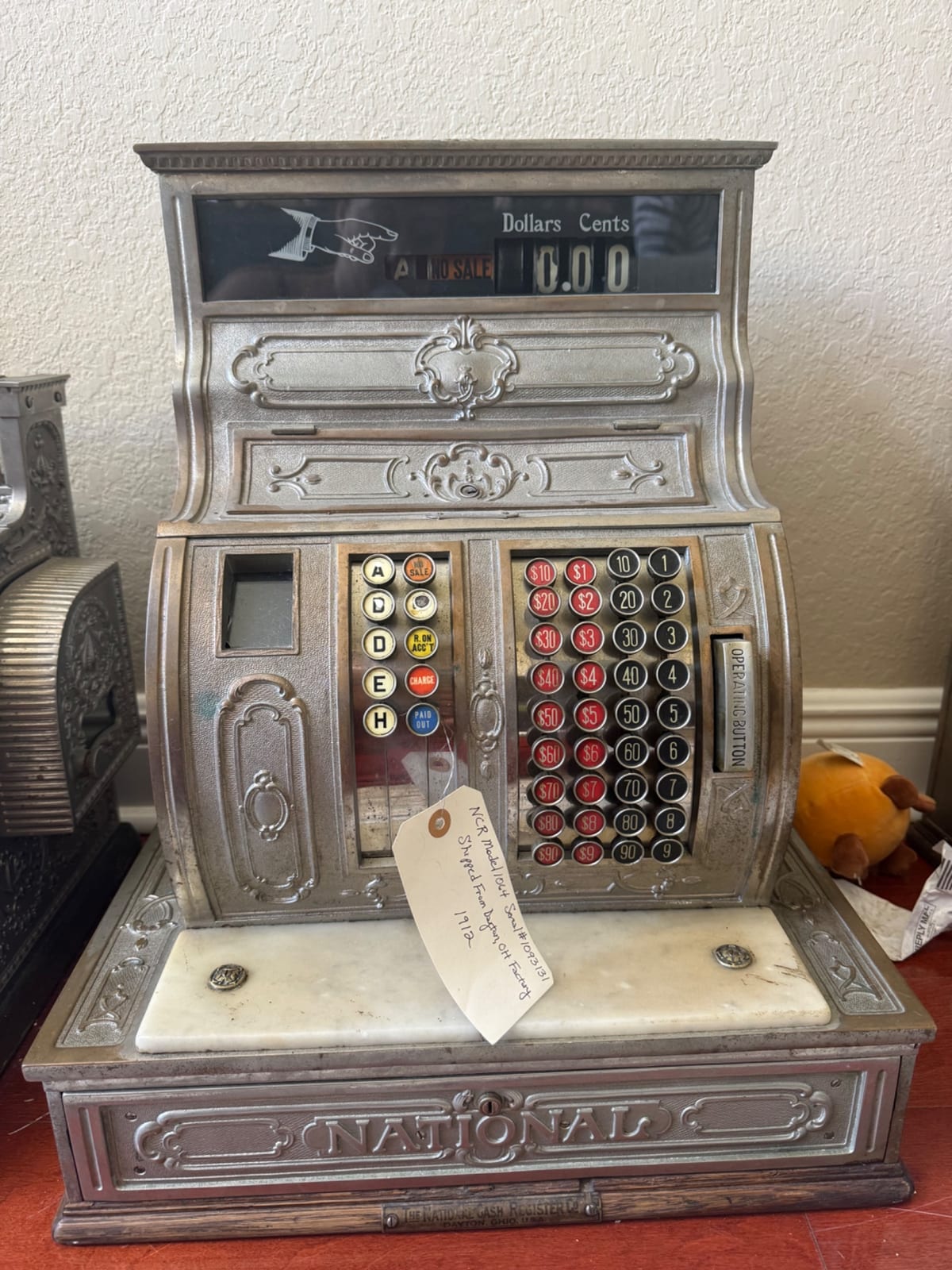
National cash register
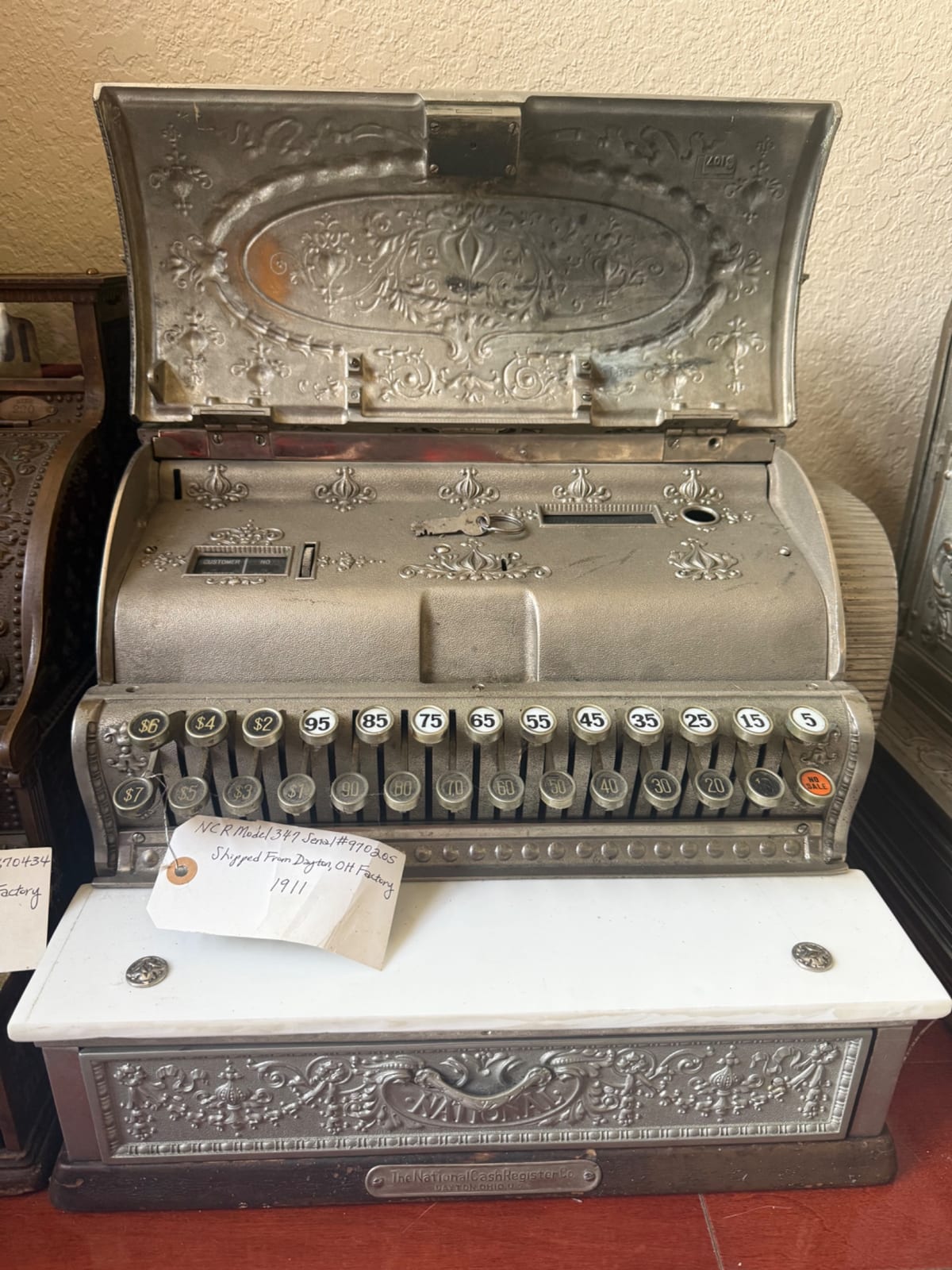
National Cash Register (NCR) ornate mechanical cash register, Model 347
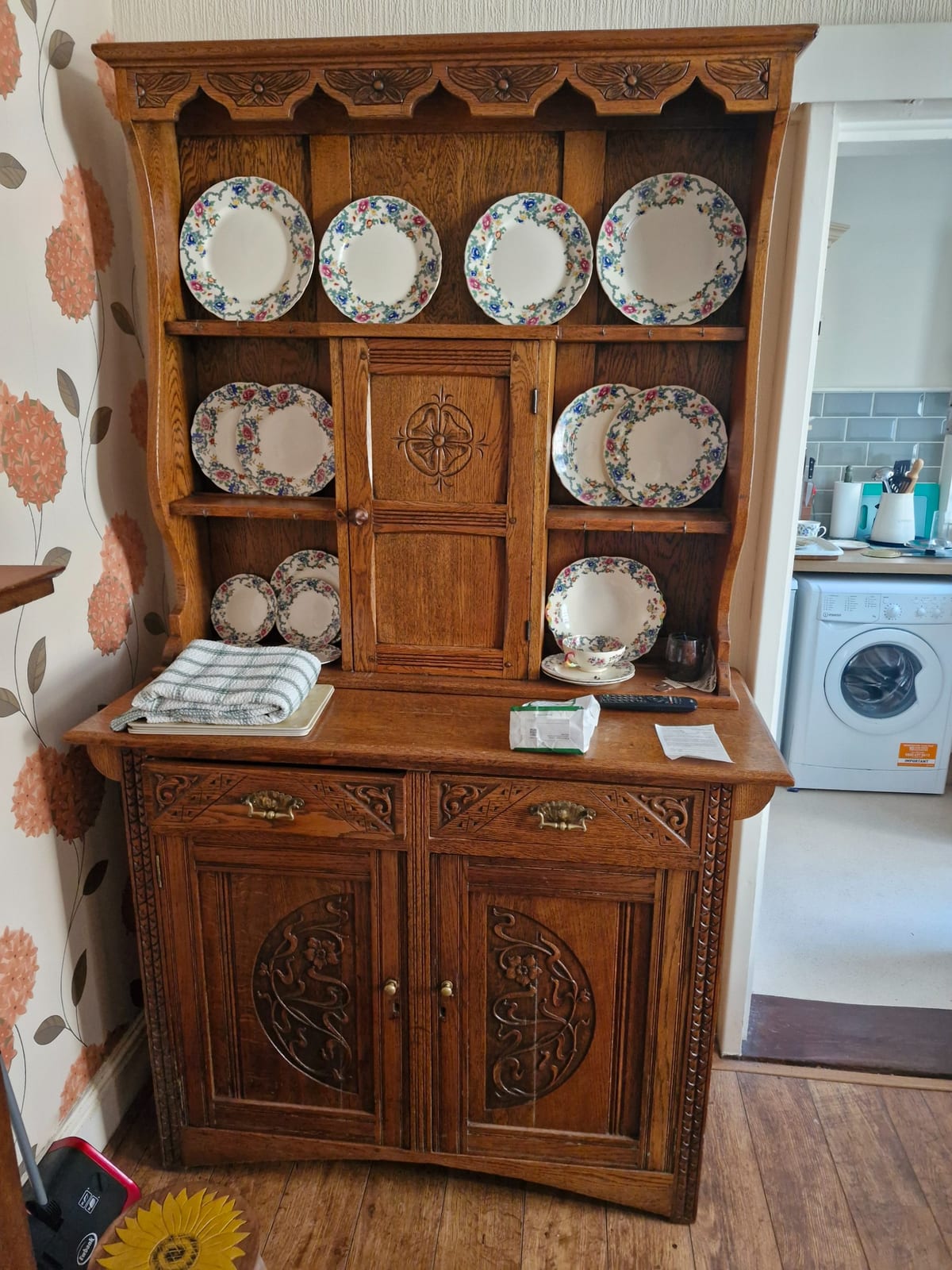
Carved oak china cabinet / dresser with plate rack
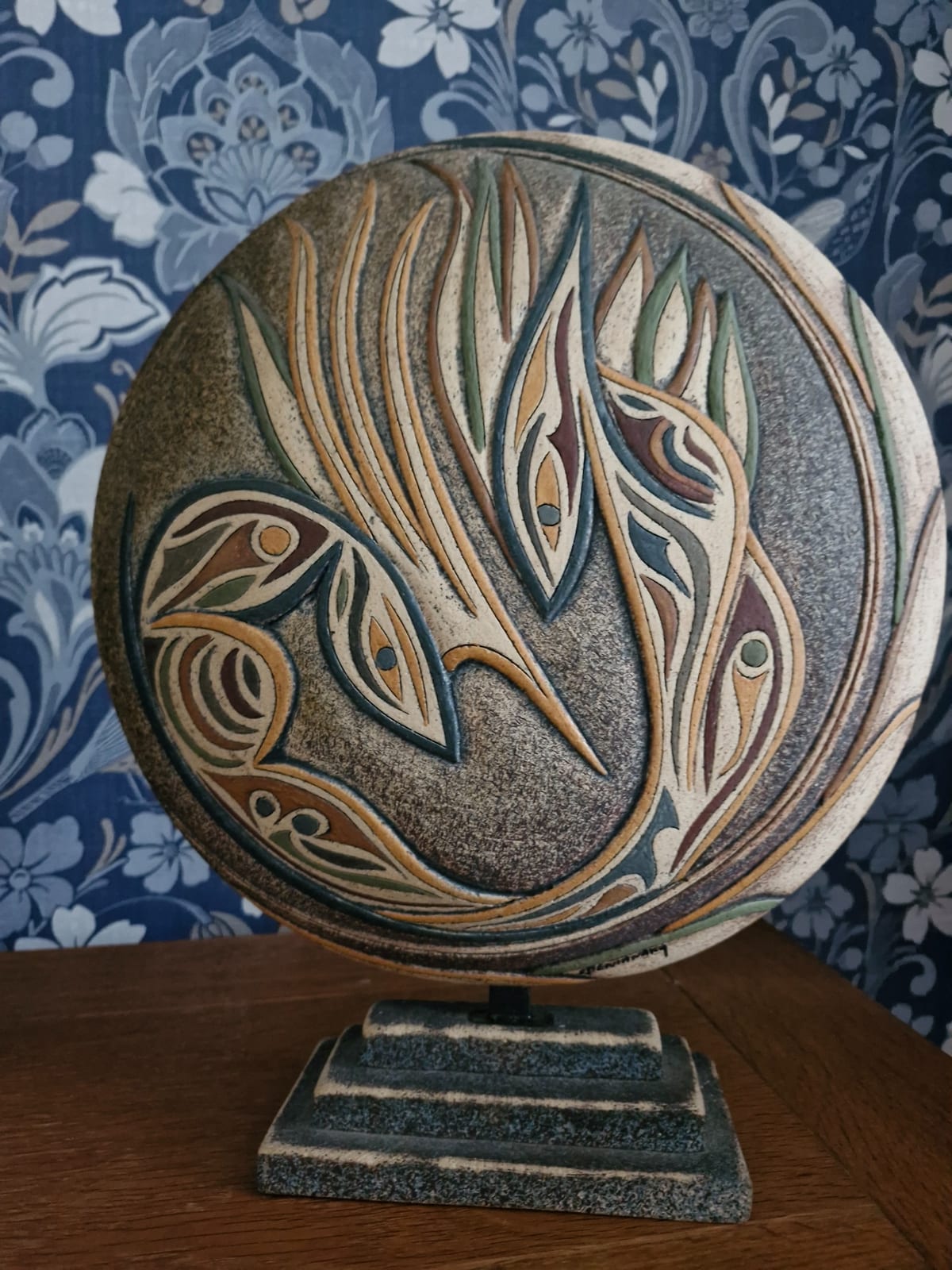
Decorative carved stone or composite art plaque on display stand
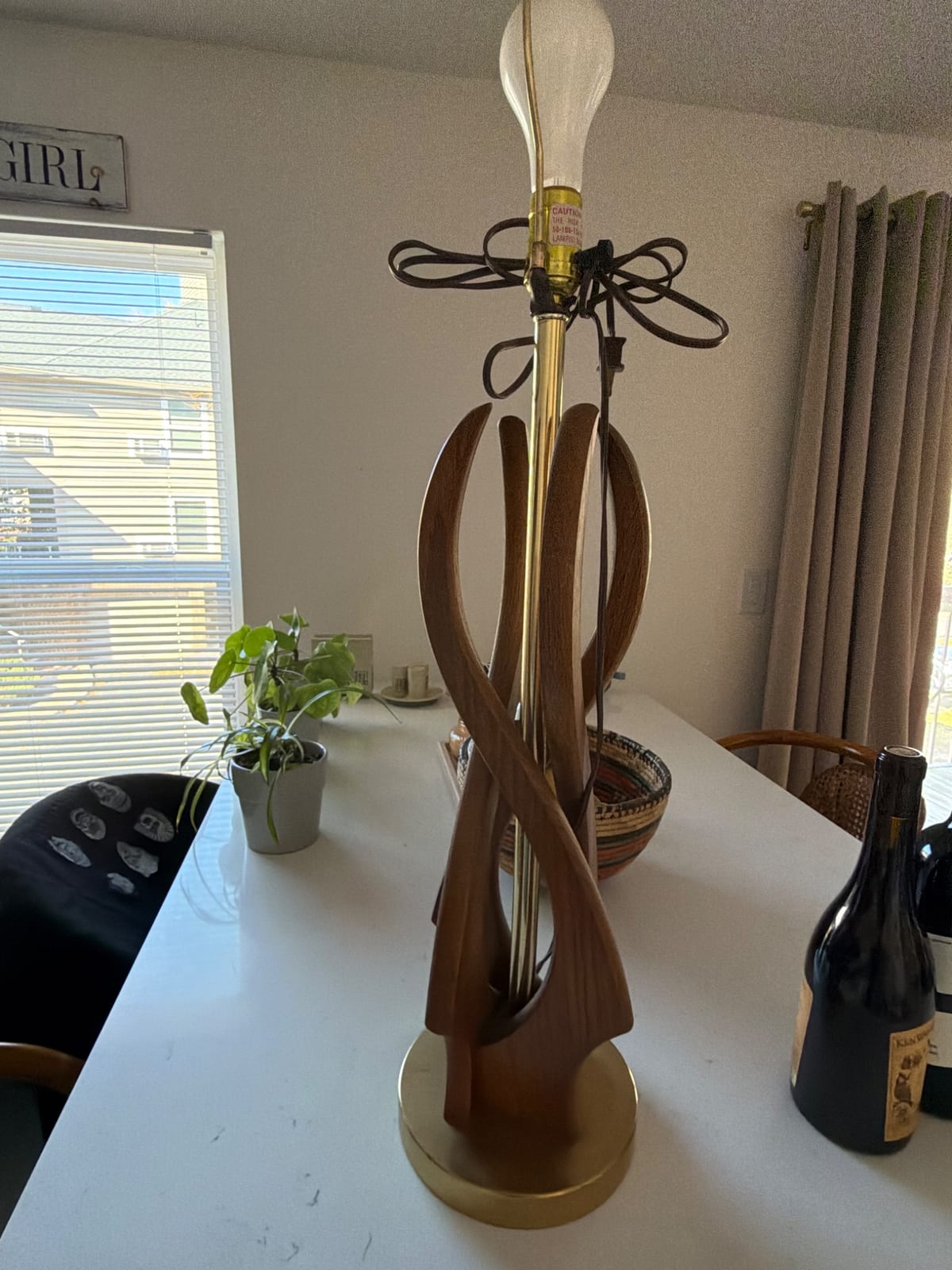
Mid-Century Modern sculptural table lamp
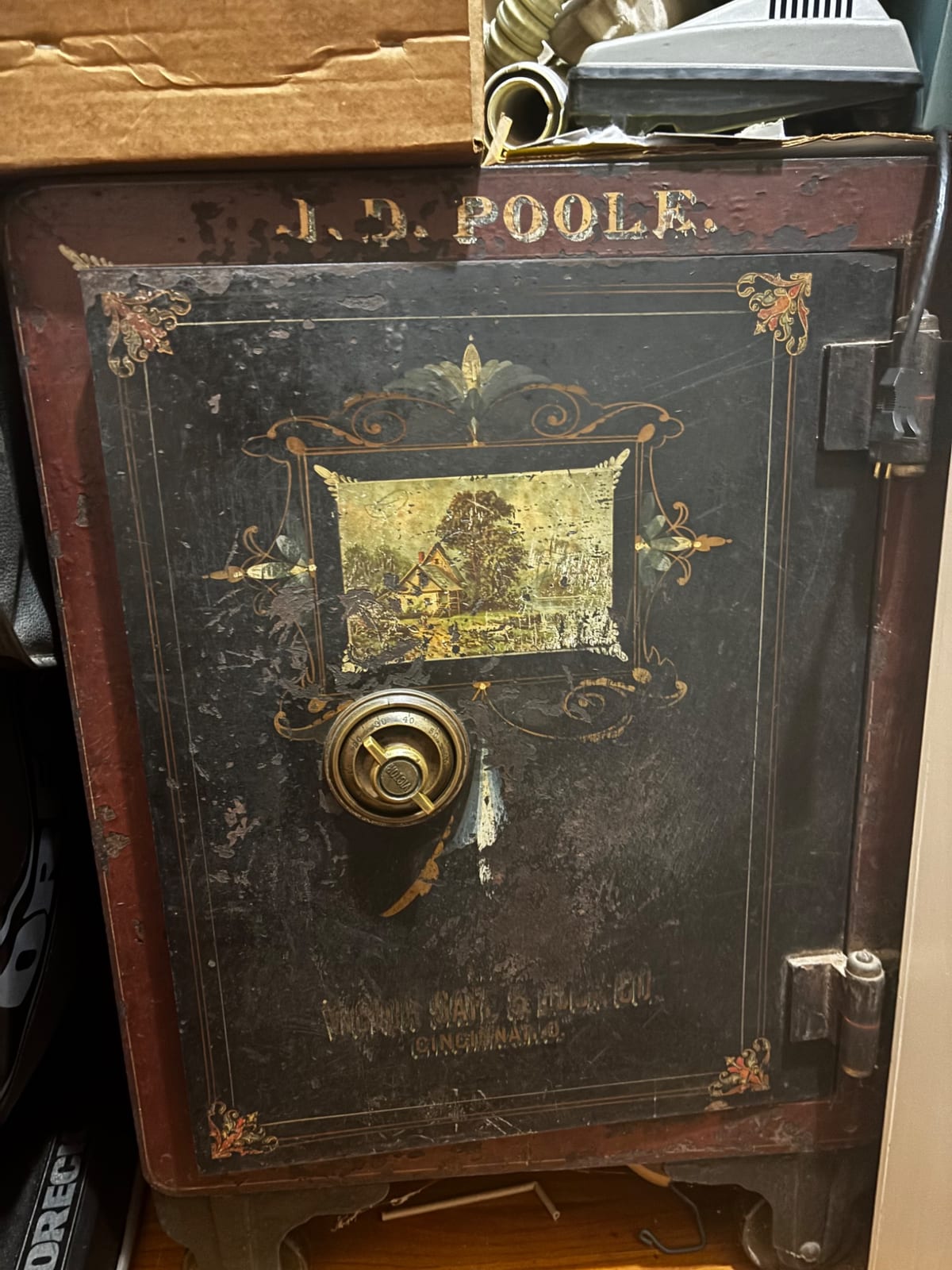
Antique fireproof safe / security safe
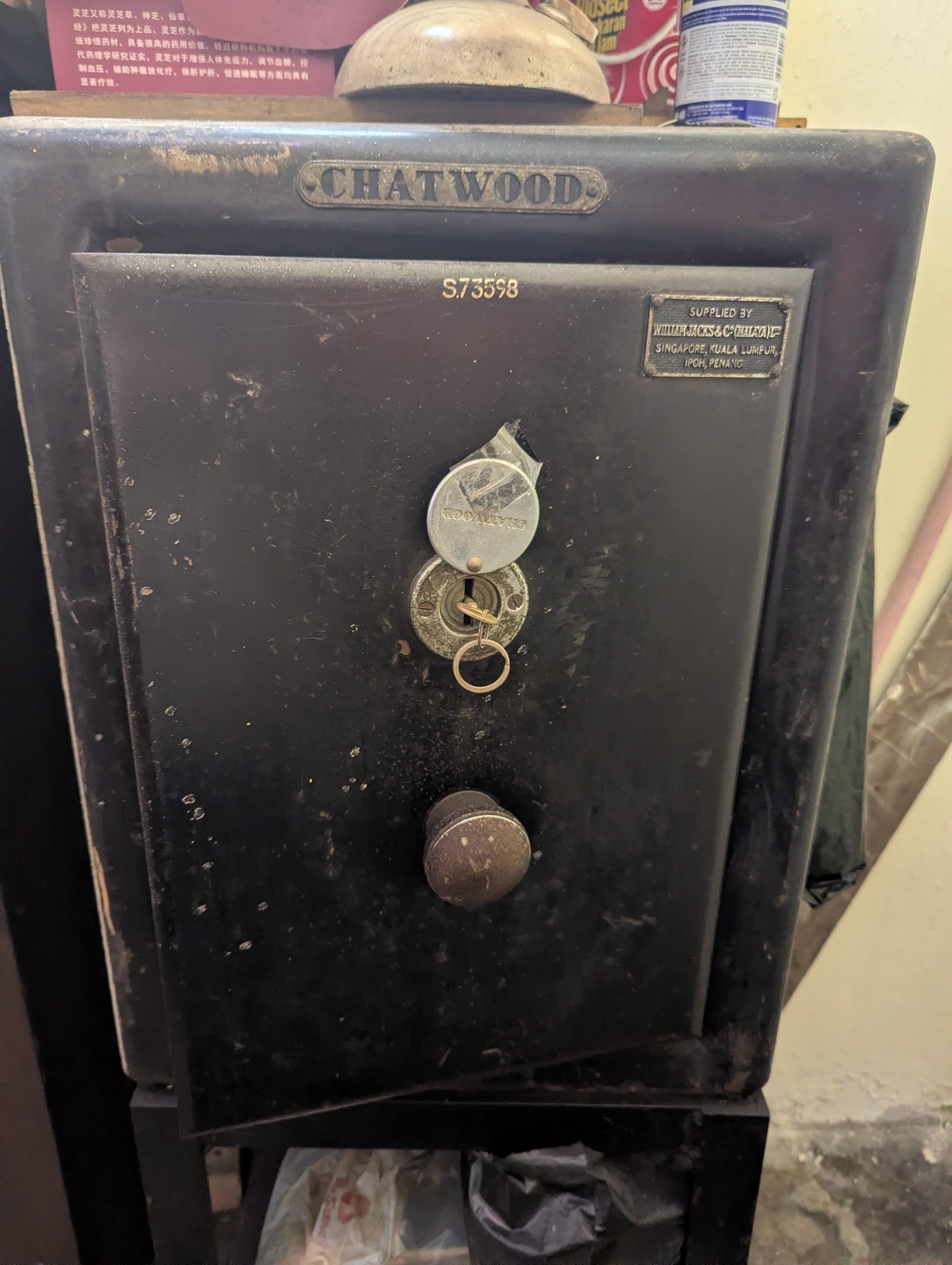
Chatwood steel safe / security cabinet