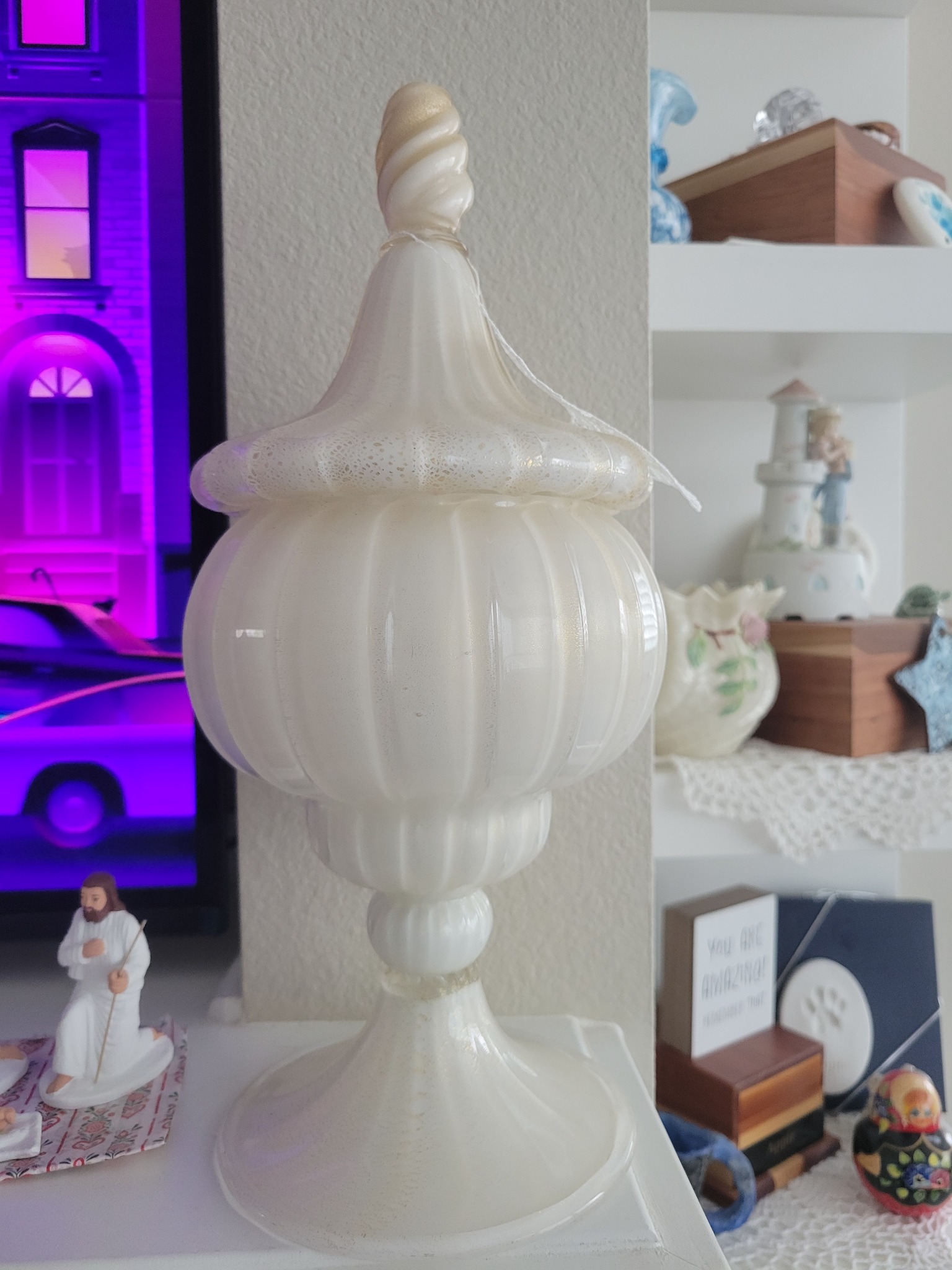
Opalescent glass covered candy dish or compote
Estimated Value
$40-$150
A decorative covered glass vessel with a bulbous body, fluted vertical ribbing, a domed pedestal base, and a tall finial lid. The glass is opaque white with a soft opalescent sheen and a textured band around the shoulder, giving it a refined late-19th/early-20th-century aesthetic. The form is consistent with a candy dish, compote, dresser jar, or covered vanity container. The piece appears machine-pressed rather than hand-blown, which is typical of decorative glass from the period. No maker's mark is visible in the image.
Era
Late Victorian to Early 20th Century, likely c. 1890s-1920s
Origin
Likely United States or Europe; exact maker unknown
Material
Opalescent pressed glass, possibly milk glass with iridescent finish
Condition
Good overall condition; appears intact with no obvious chips or cracks visible. Minor surface wear, dust, and possible age-related haze or residue. The tied string/tag suggests it may be stored or displayed as a collectible rather than actively used.
Physical Details
Dimensions
Approximately 10-14 inches tall and 5-7 inches wide
Weight
Light to Medium
Authentication
Authenticity Score
Medium; the form, glass quality, and opalescent finish are consistent with antique decorative glass, but the exact maker and date cannot be confirmed from the image alone.
Provenance
Likely from a mass-produced decorative glass line sold in the United States or Europe during the late Victorian, Edwardian, or early Depression-era period. Exact provenance cannot be determined from the image alone.
Historical Significance
Covered opalescent glass pieces were popular in the Victorian and early 20th century periods as decorative table and vanity items. They reflect the era's interest in ornate domestic display objects and the rise of pressed glass production for middle-class households.
This identification and value range are AI-generated research aids, not authentication, certification, or a formal appraisal. Learn about the limitations and when to consult a qualified professional appraiser.
Research this item further
Related Identifications
Browse all →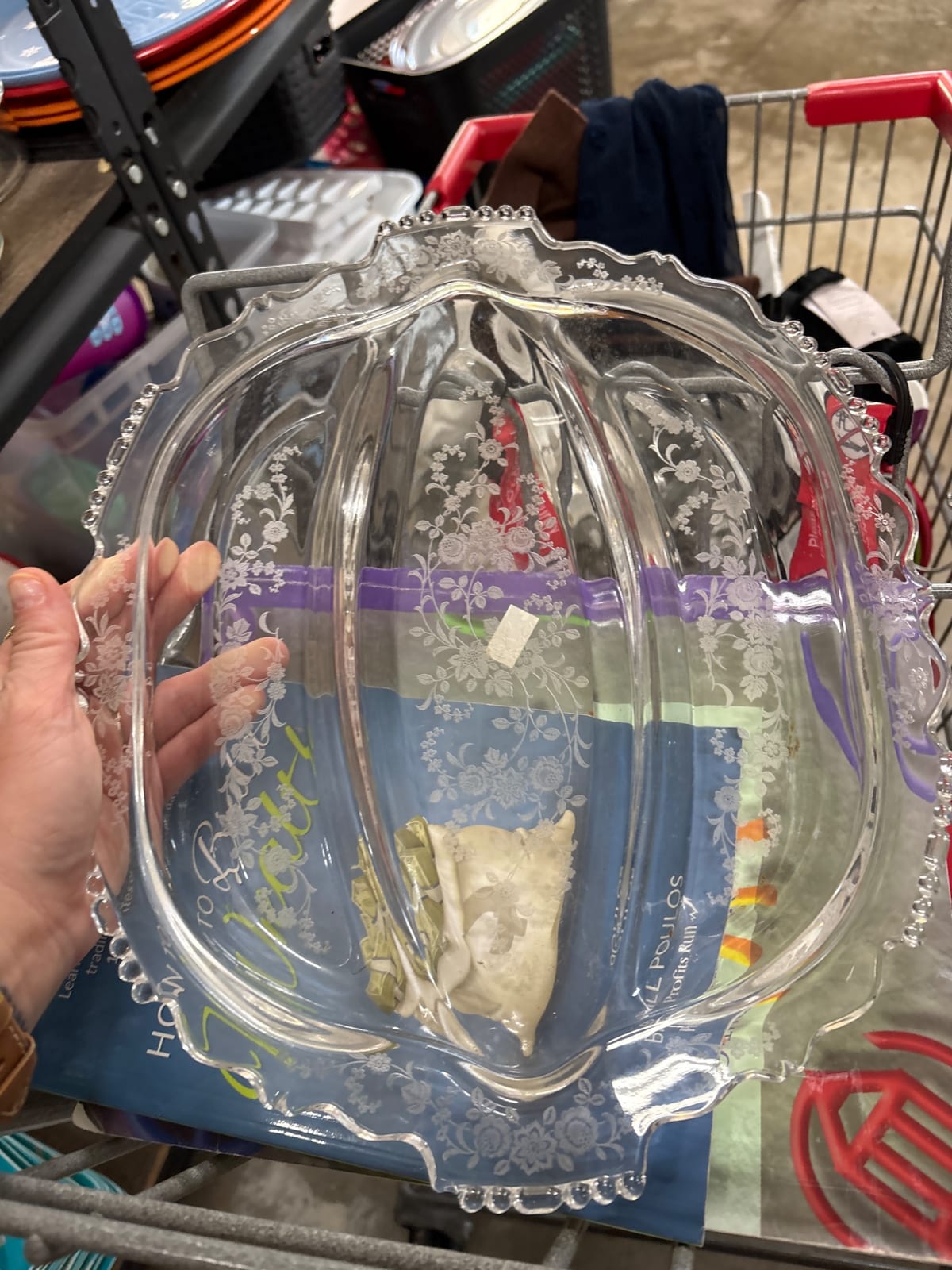
Etched glass serving platter / divided relish tray
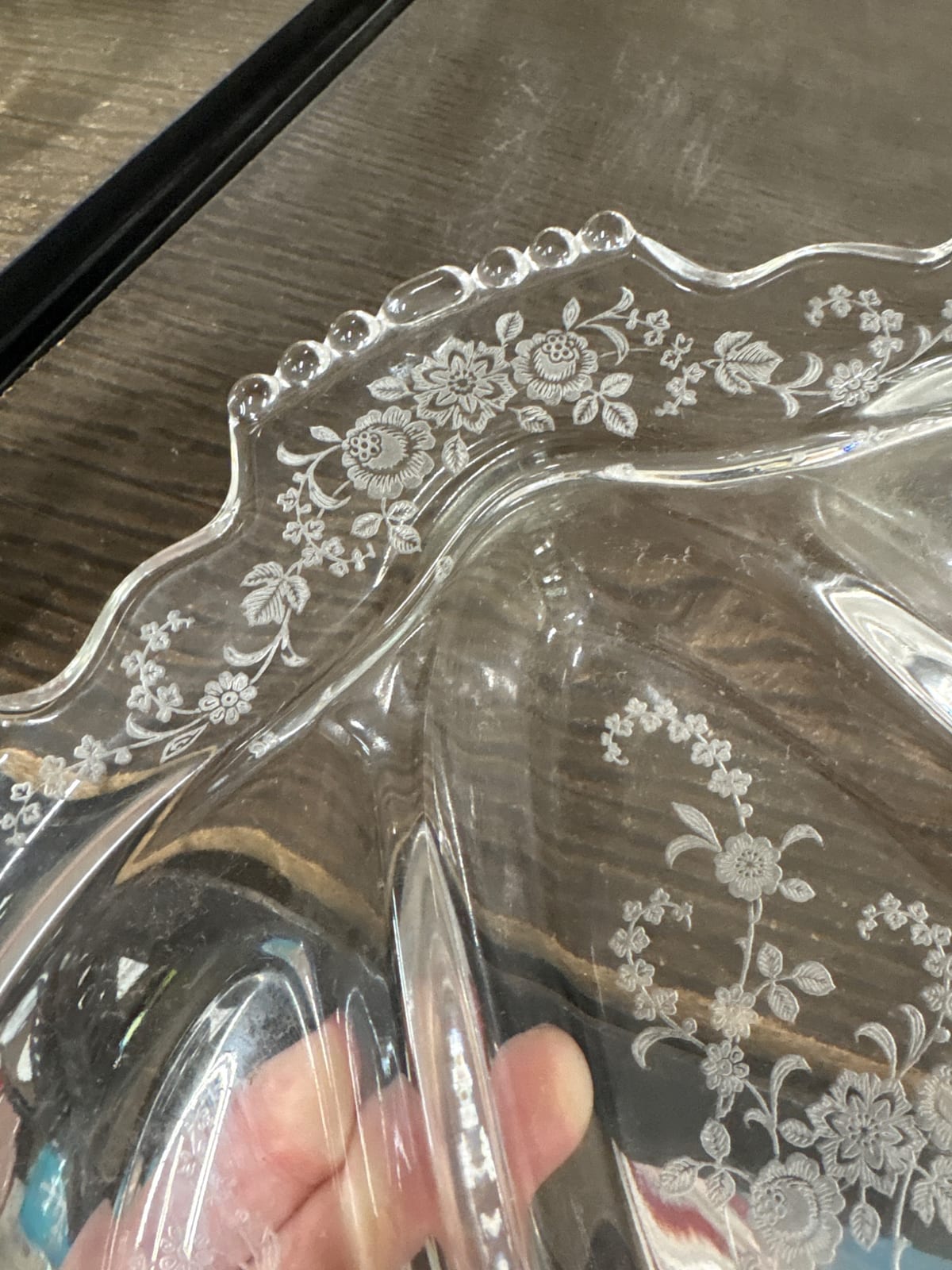
Etched clear glass serving dish / compote or relish tray
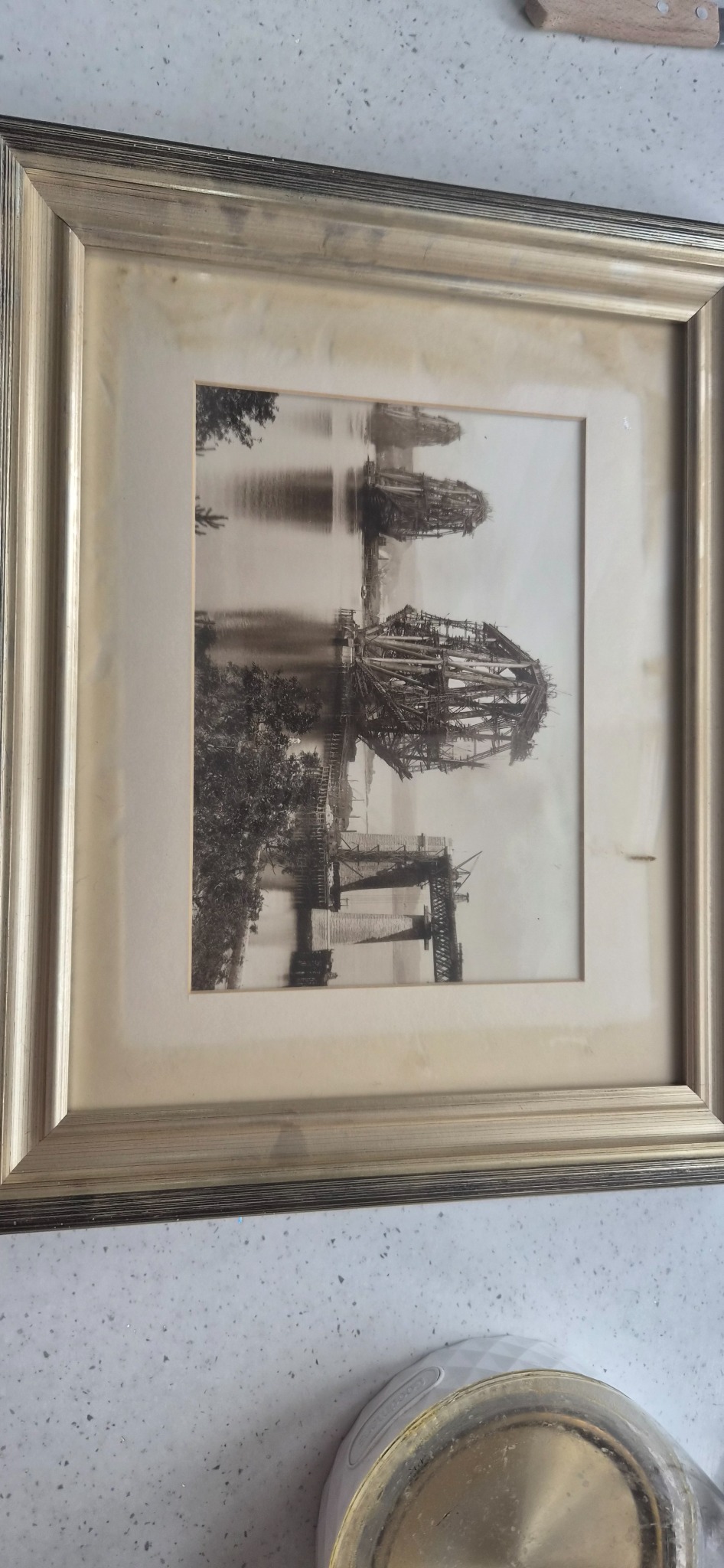
Framed black-and-white photographic print of a bridge under construction
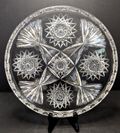
Cut glass decorative plate or bowl
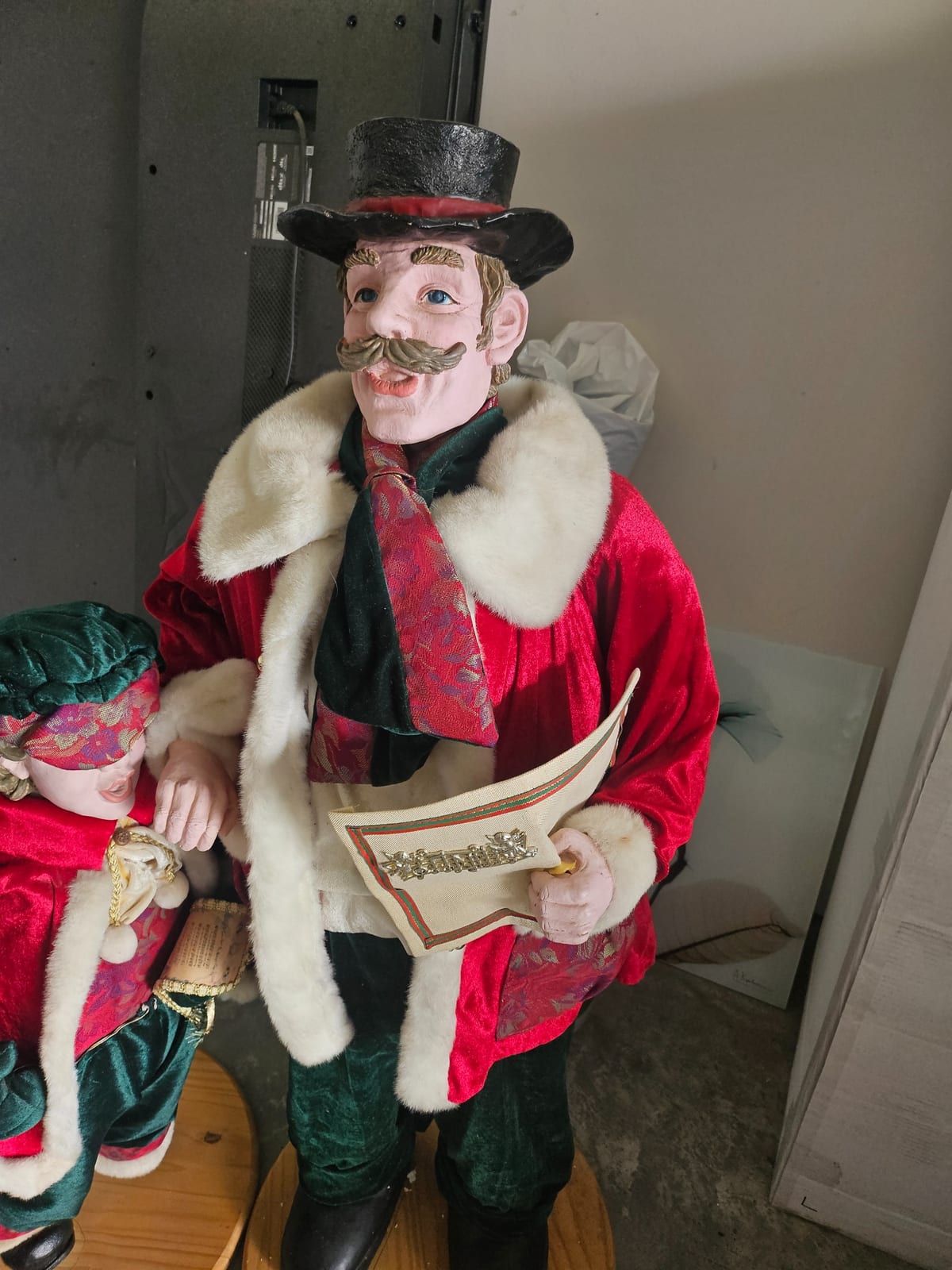
Large Victorian-style Christmas caroler figure / decorative holiday mannequin
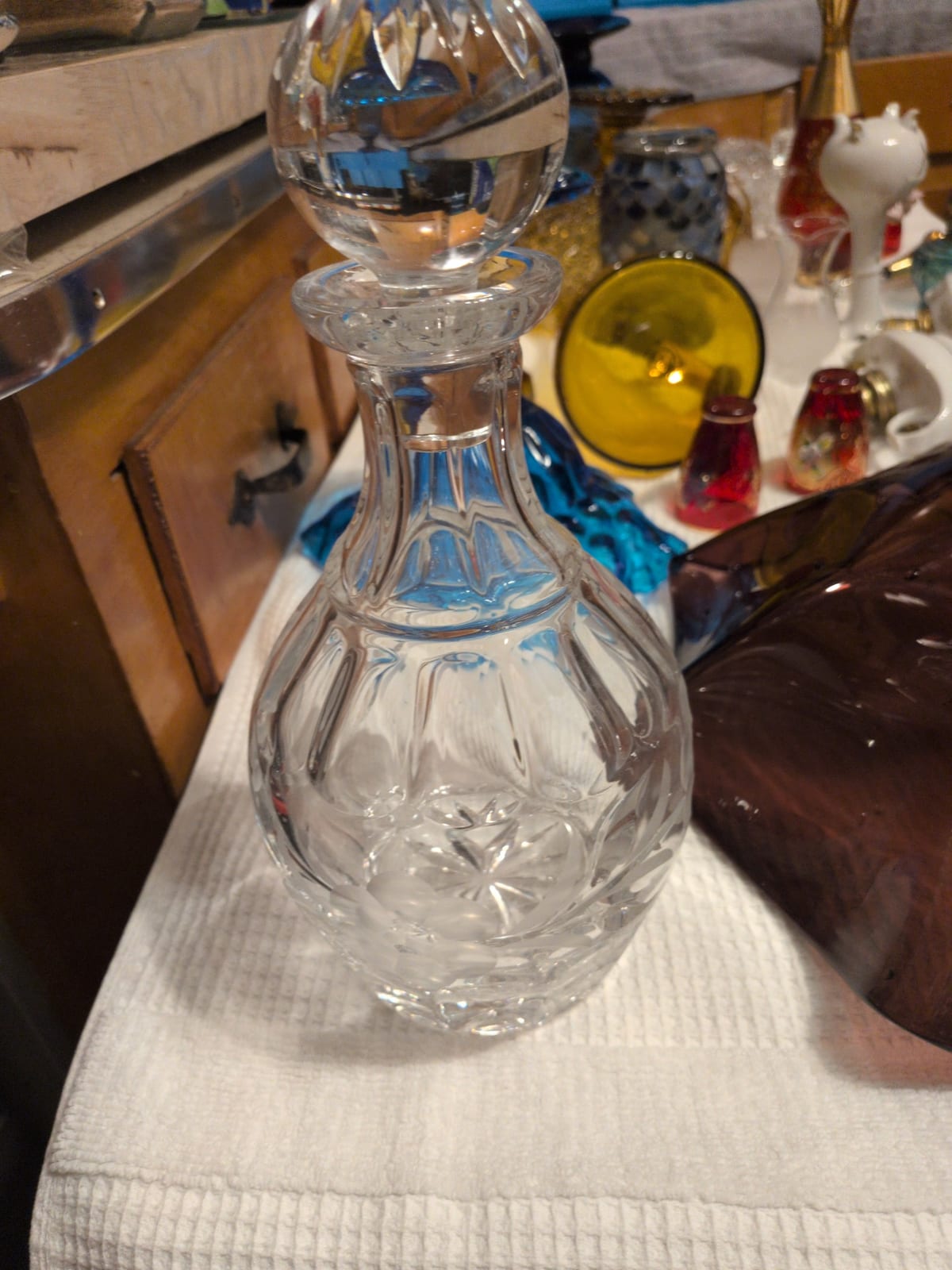
Cut crystal decanter with stopper
Unknown glass vessel fragment or glazed ceramic surface
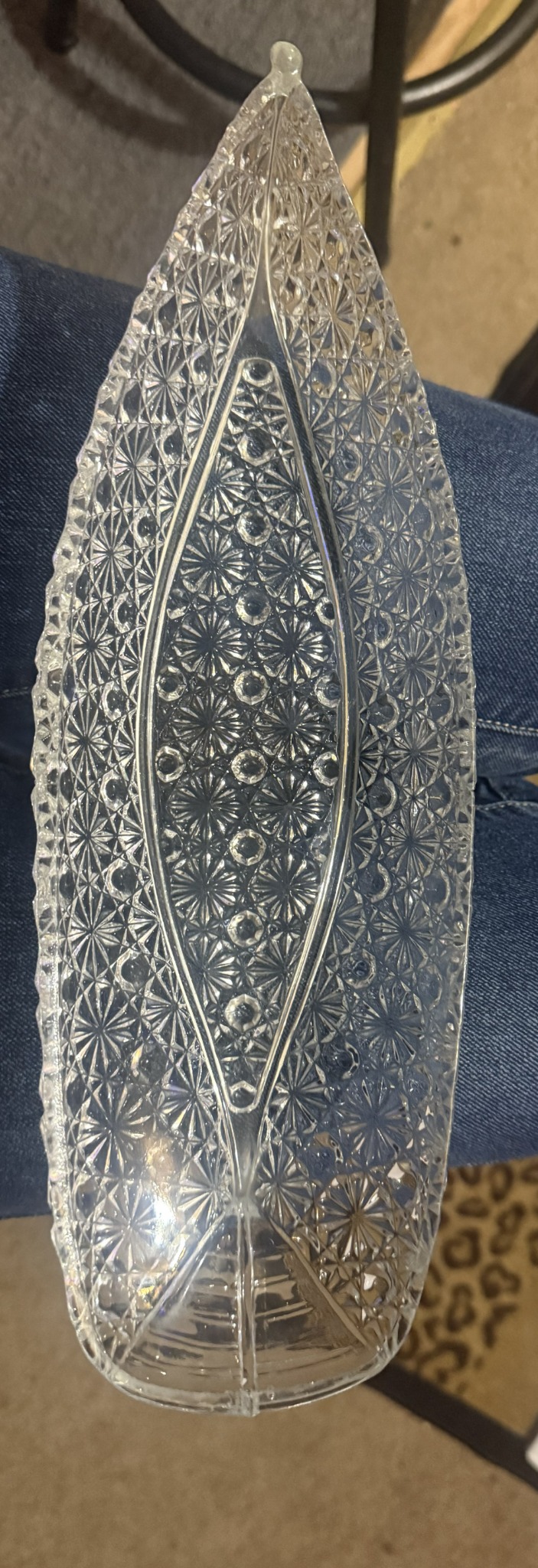
Pressed Glass Leaf-Shaped Serving Dish or Relish Tray