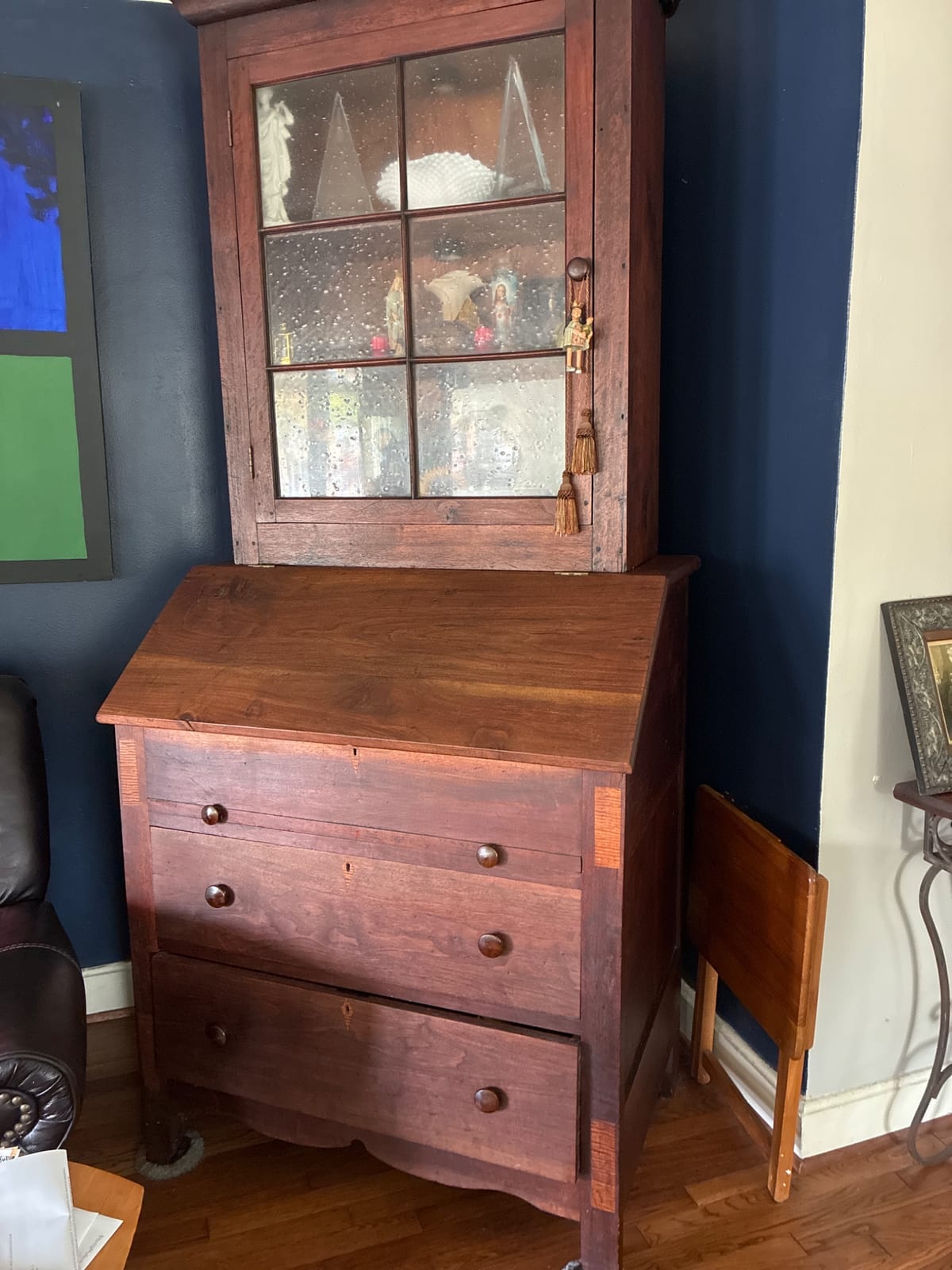
Wooden step-back cupboard / hutch with glazed upper cabinet
Estimated Value
$300-$900
A tall two-part storage cabinet in a utilitarian country style, consisting of a lower chest with three drawers and an upper glazed cabinet set back from the base. The upper section has a multi-pane glass door with a simple wooden frame and visible interior shelving. The lower section features plain drawer fronts with round wooden knobs and a slightly curved apron at the base. The piece has a warm reddish-brown stained finish and a handmade, functional appearance rather than ornate decorative carving. The overall form suggests a pantry cupboard, kitchen hutch, or step-back cabinet used for storage and display.
Era
Late 19th century to early 20th century (circa 1890s-1920s), possibly country or vernacular style
Origin
Likely North America or Northern Europe; exact origin unknown
Material
Solid wood, likely pine or another softwood with a stained finish; glass panes; wooden knobs
Condition
Good overall condition with visible age-related wear, surface scratches, fading, and minor finish loss. Glass appears intact but heavily spotted/dirty. No obvious major structural damage visible from the image.
Physical Details
Dimensions
Approximately 72-84 inches tall, 36-48 inches wide, and 18-24 inches deep
Weight
Heavy
Authentication
Authenticity Score
Medium - The construction and wear are consistent with an older handmade or early mass-produced cabinet, but the exact age, origin, and whether it has been altered or refinished cannot be confirmed from the image alone.
Provenance
Likely a domestic household piece made for practical use, possibly from a rural workshop or small furniture maker. No maker's mark or label is visible, so provenance cannot be confirmed from the image alone.
Historical Significance
Step-back cupboards and hutches were common household storage pieces in the late 19th and early 20th centuries, especially in kitchens and dining rooms. They are valued today for their practical design, folk/country character, and association with domestic life before built-in cabinetry became standard.
Restoration Notes
- •Possible refinishing or later staining suggested by the even surface tone
- •Glass appears to have accumulated spotting or residue; unclear if original panes remain untouched
- •No obvious repairs visible, but close inspection would be needed for replaced hardware, hinges, or drawer runners
This identification and value range are AI-generated research aids, not authentication, certification, or a formal appraisal. Learn about the limitations and when to consult a qualified professional appraiser.
Research this item further
Related Identifications
Browse all →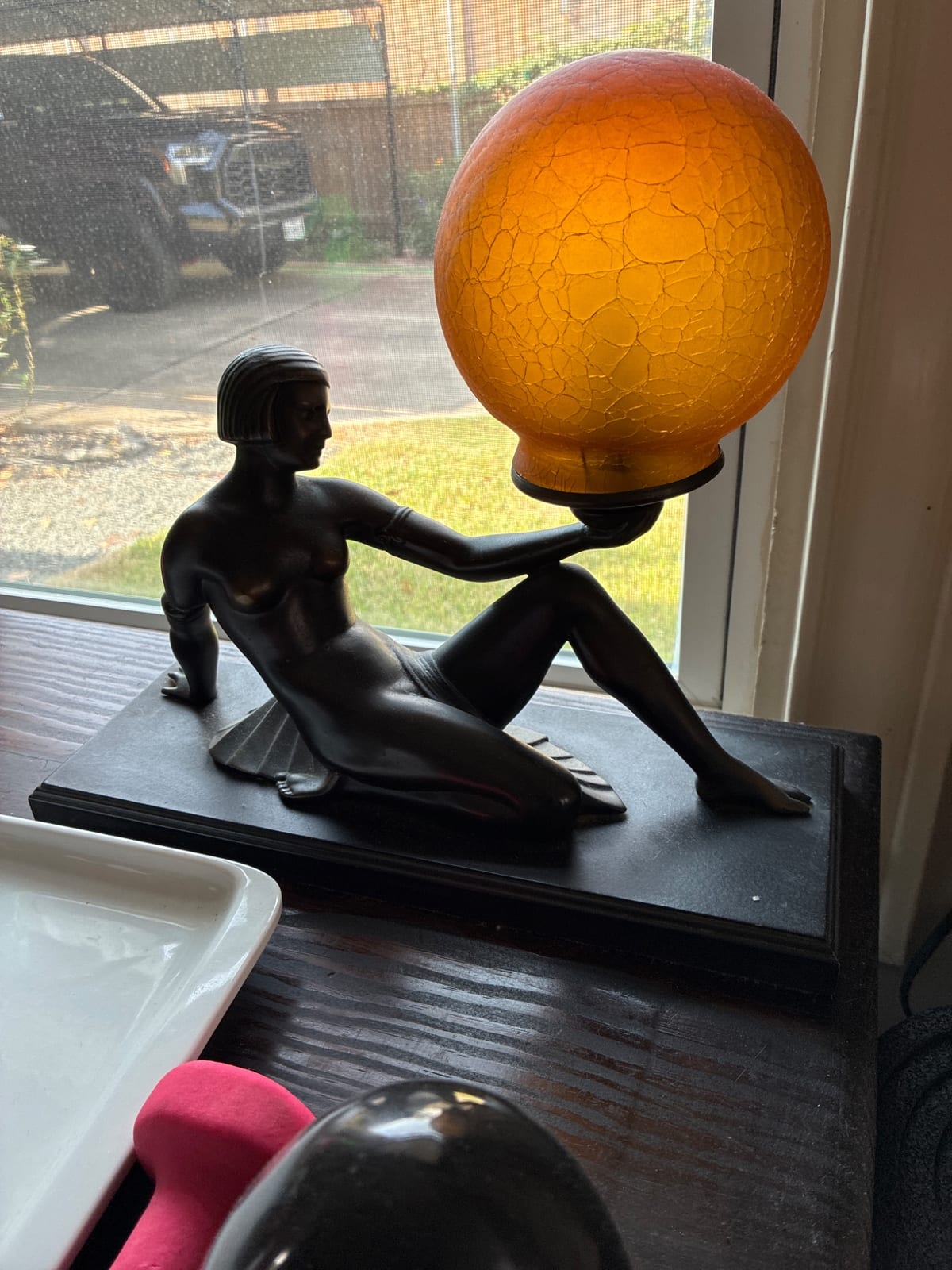
Art Deco-style figural table lamp with crackle glass globe shade
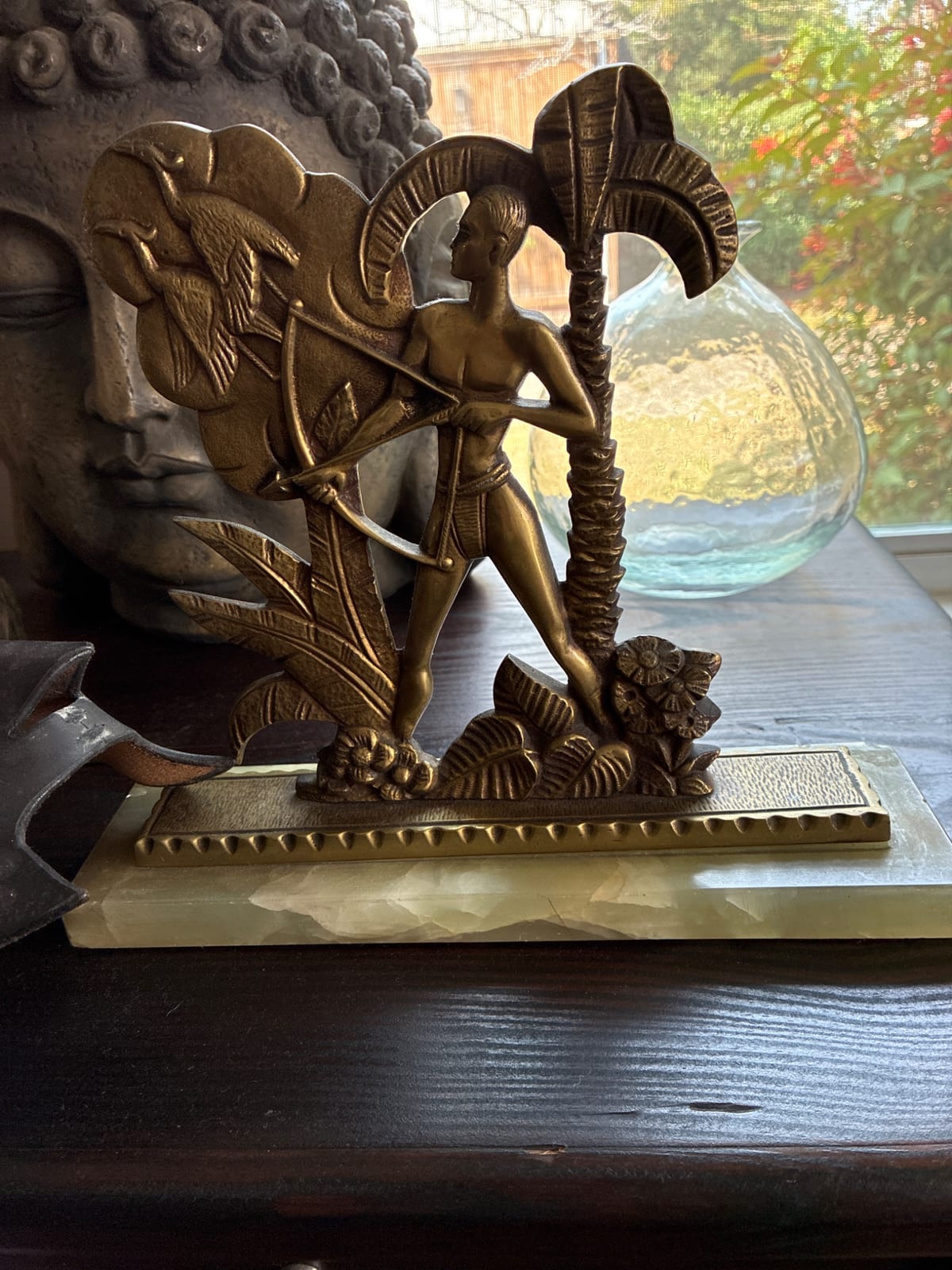
Art Deco-style bronze or brass figural sculpture/bookend or decorative desk object
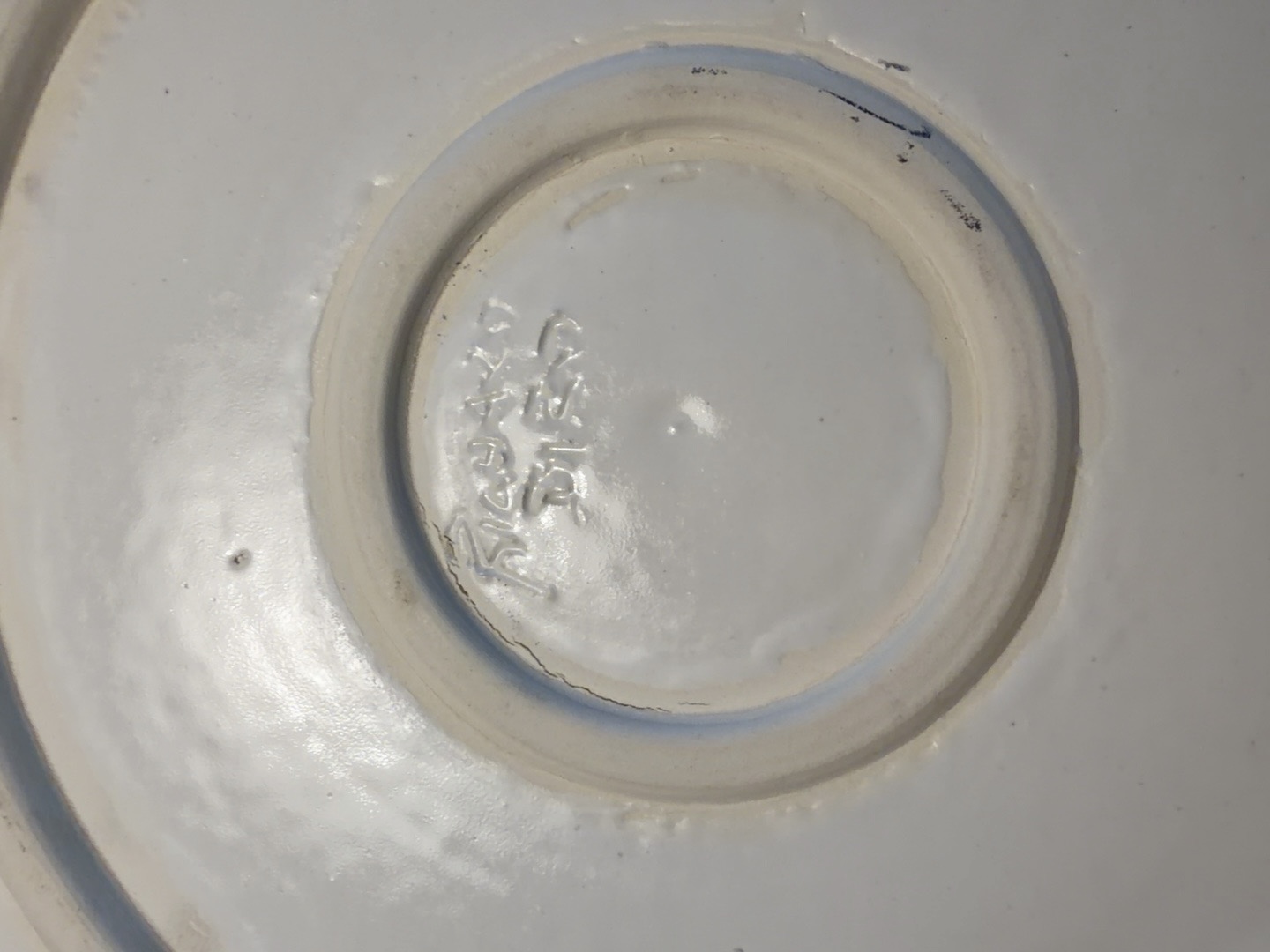
Japanese porcelain plate or bowl, underside with impressed maker's mark
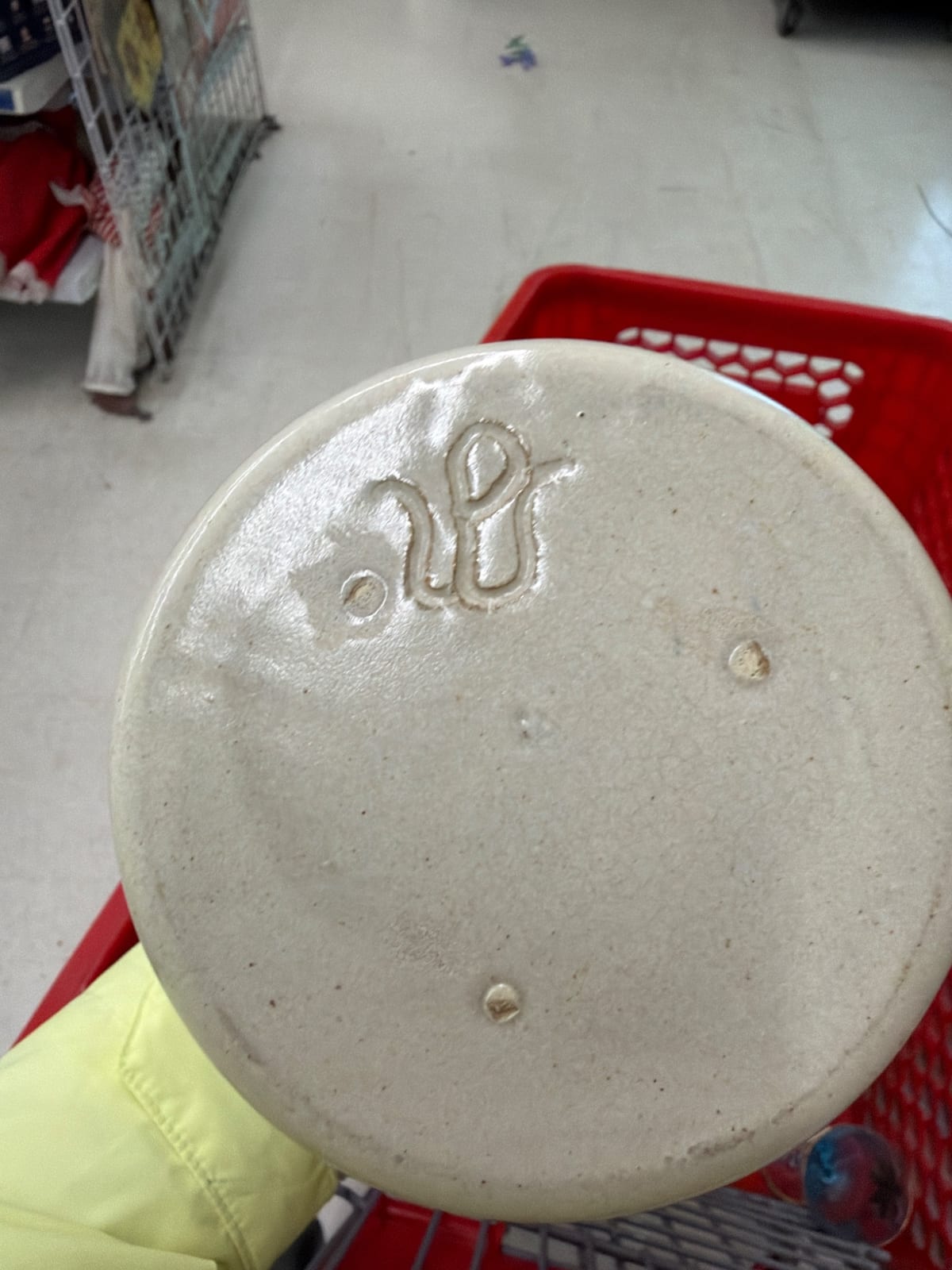
Glazed ceramic vessel or jar base with maker's mark
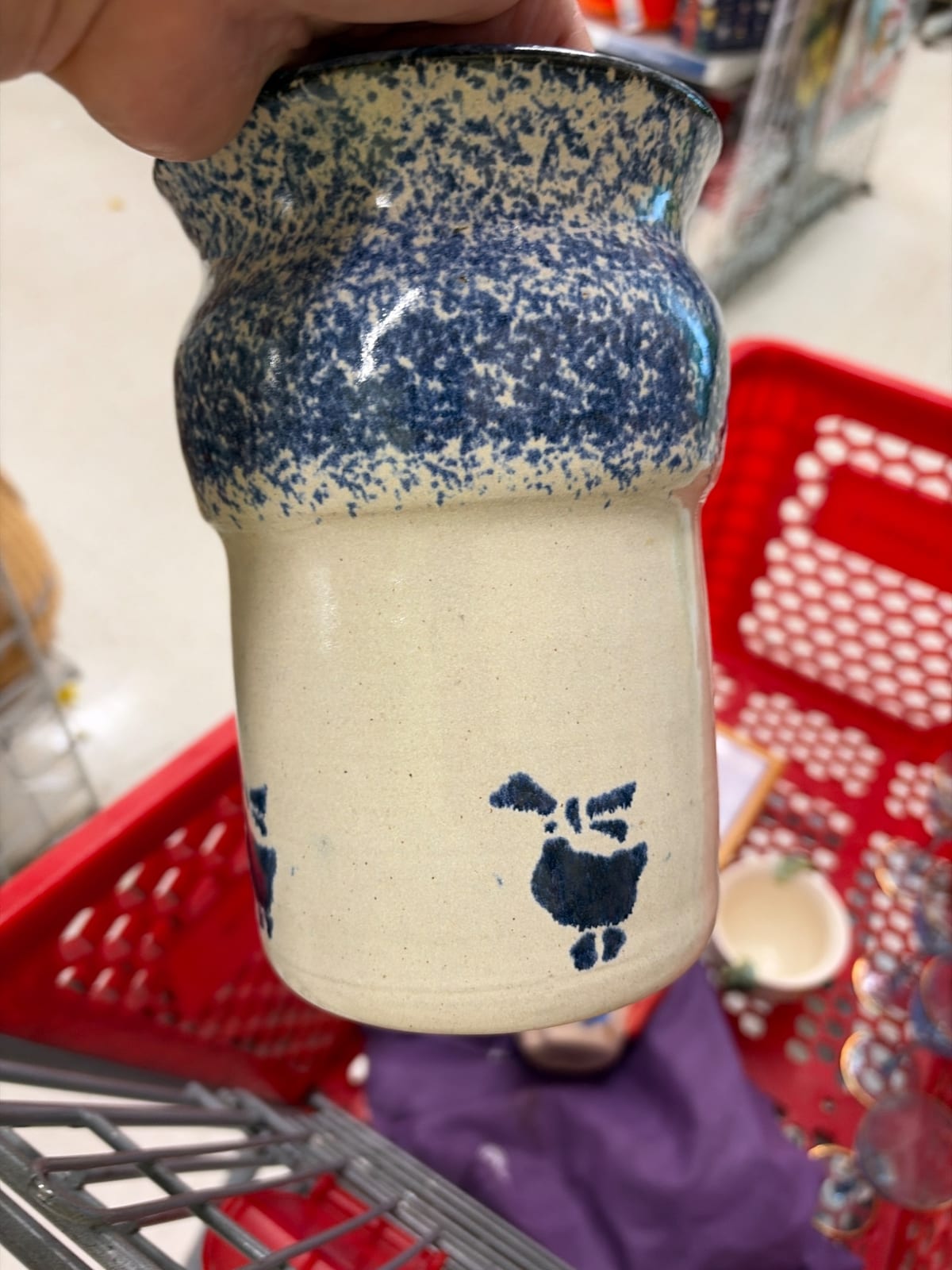
Salt-glazed stoneware tumbler or small vase
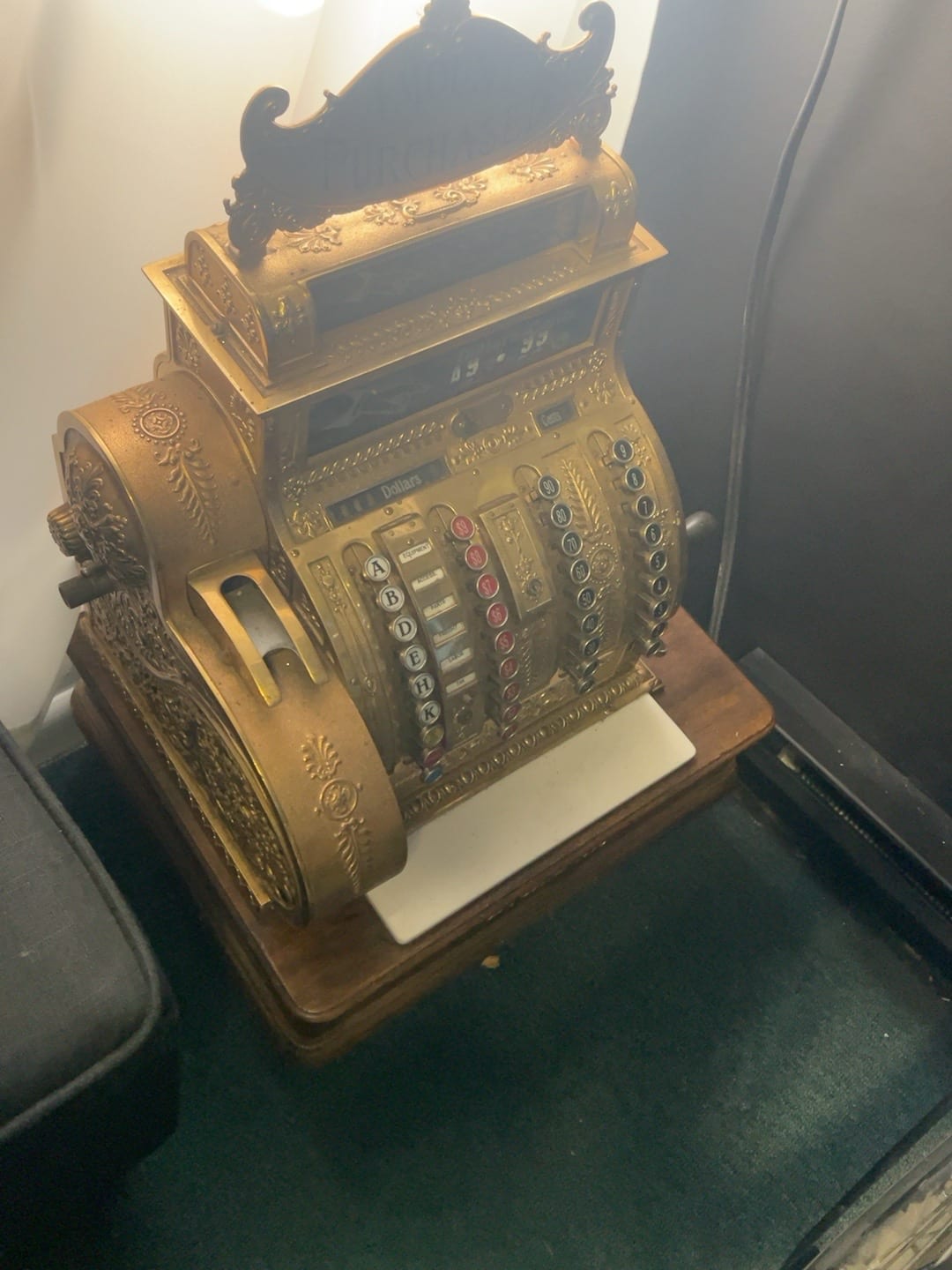
Antique mechanical cash register / adding machine (ornate countertop register)
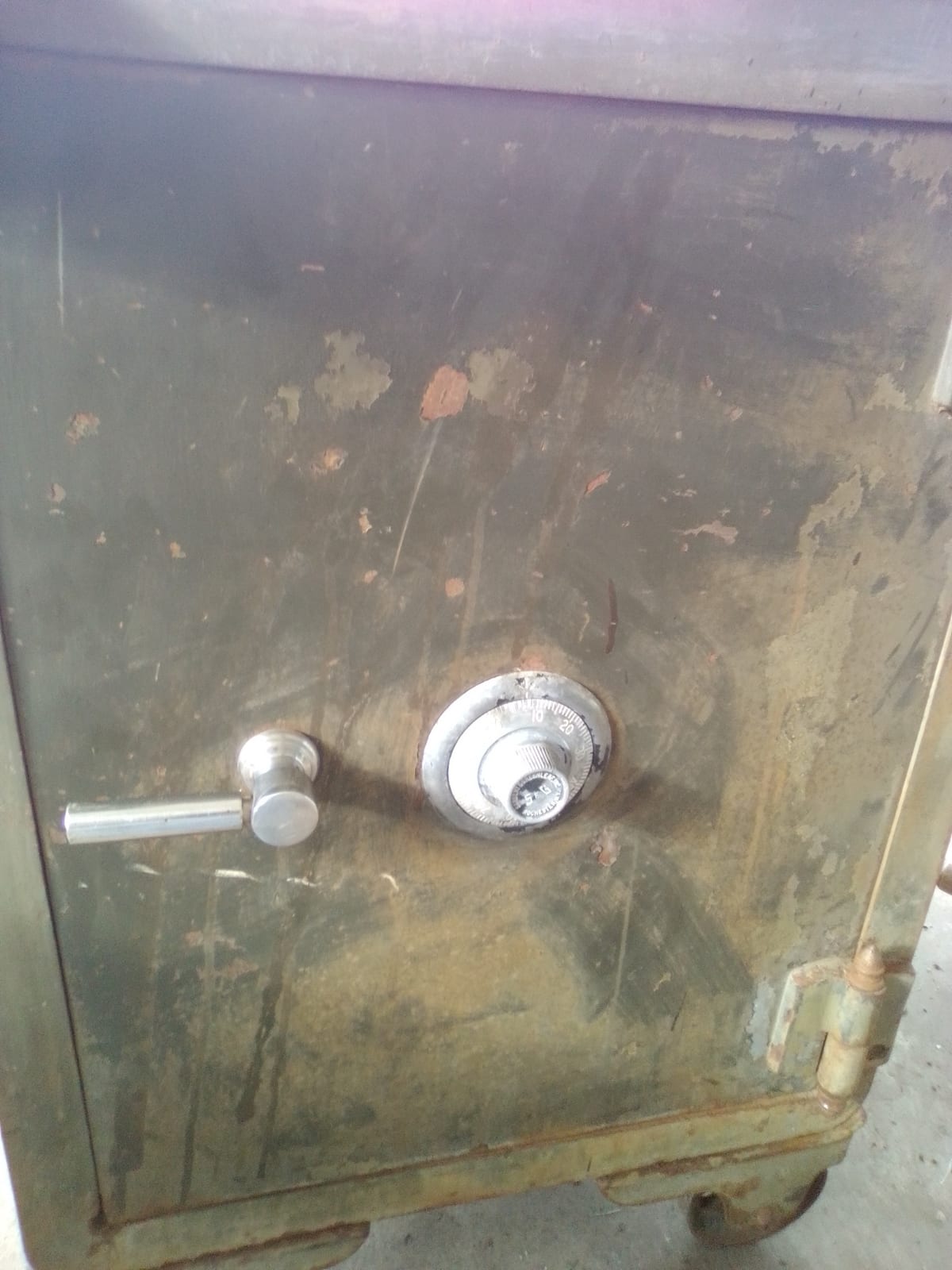
Vintage steel combination safe / fire-resistant security cabinet
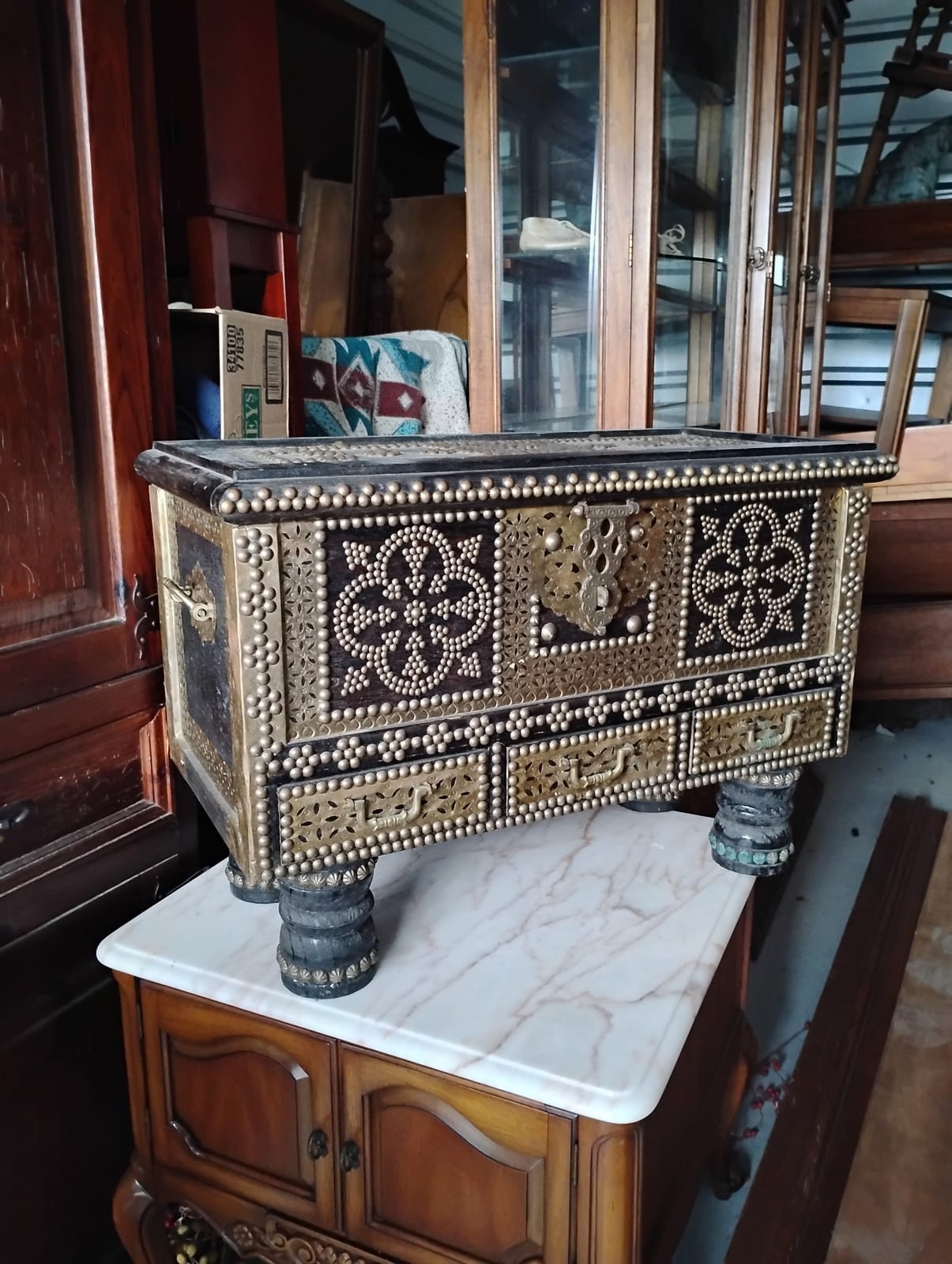
Decorative brass-studded wooden dowry chest / blanket chest