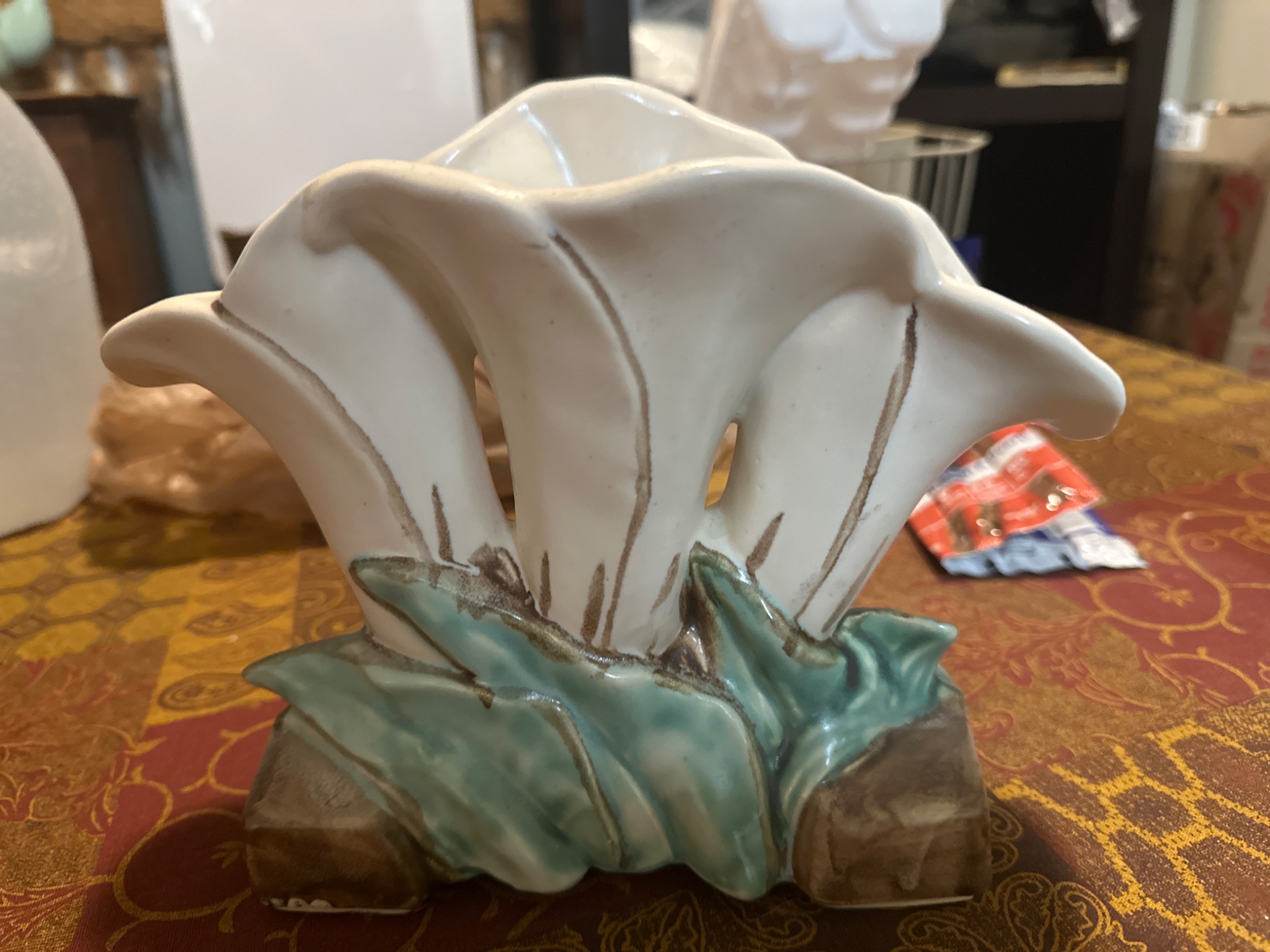
Ceramic lily flower vase / decorative planter
Estimated Value
$25-$75
A molded ceramic decorative vessel shaped as a cluster of lily or calla lily blossoms, with large white petal forms and green leaf accents rising from a brown base. The piece appears to be hand-painted or mass-produced with applied glaze colors and a sculptural floral design typical of mid-century decorative ceramics. It may have served as a vase, planter, or table centerpiece. The form is highly stylized rather than naturalistic, suggesting a decorative rather than utilitarian purpose.
Era
Mid-20th century, likely 1940s-1960s
Origin
Likely United States or Japan
Material
Glazed ceramic / porcelain
Condition
Fair to Good; visible crazing, surface wear, and age-related discoloration along the molded edges. No obvious major chips or cracks are visible from this angle, but the finish shows notable wear and possible glaze loss in places.
Physical Details
Dimensions
Approximately 8-12 inches tall and 6-10 inches wide, based on visual scale
Weight
Medium
Authentication
Authenticity Score
Medium; the object appears period-appropriate and genuinely aged, but the lack of a visible maker's mark or underside view prevents firm identification or attribution.
Provenance
Exact provenance is unknown. The style is consistent with mid-century decorative ceramics commonly produced for home decor in the United States and Japan. No maker's mark is visible in the image, so attribution remains tentative.
Historical Significance
Floral ceramic vases and planters were popular in mid-20th-century interior design, reflecting postwar tastes for colorful, sculptural home accessories. Pieces like this are representative of mass-market decorative ceramics from the era and are collectible primarily for form and condition rather than high intrinsic material value.
Restoration Notes
- •Possible glaze wear and edge abrasion visible
- •No clear evidence of professional restoration from this image
- •Underside and interior not visible, so repairs cannot be ruled out
This identification and value range are AI-generated research aids, not authentication, certification, or a formal appraisal. Learn about the limitations and when to consult a qualified professional appraiser.
Research this item further
Related Identifications
Browse all →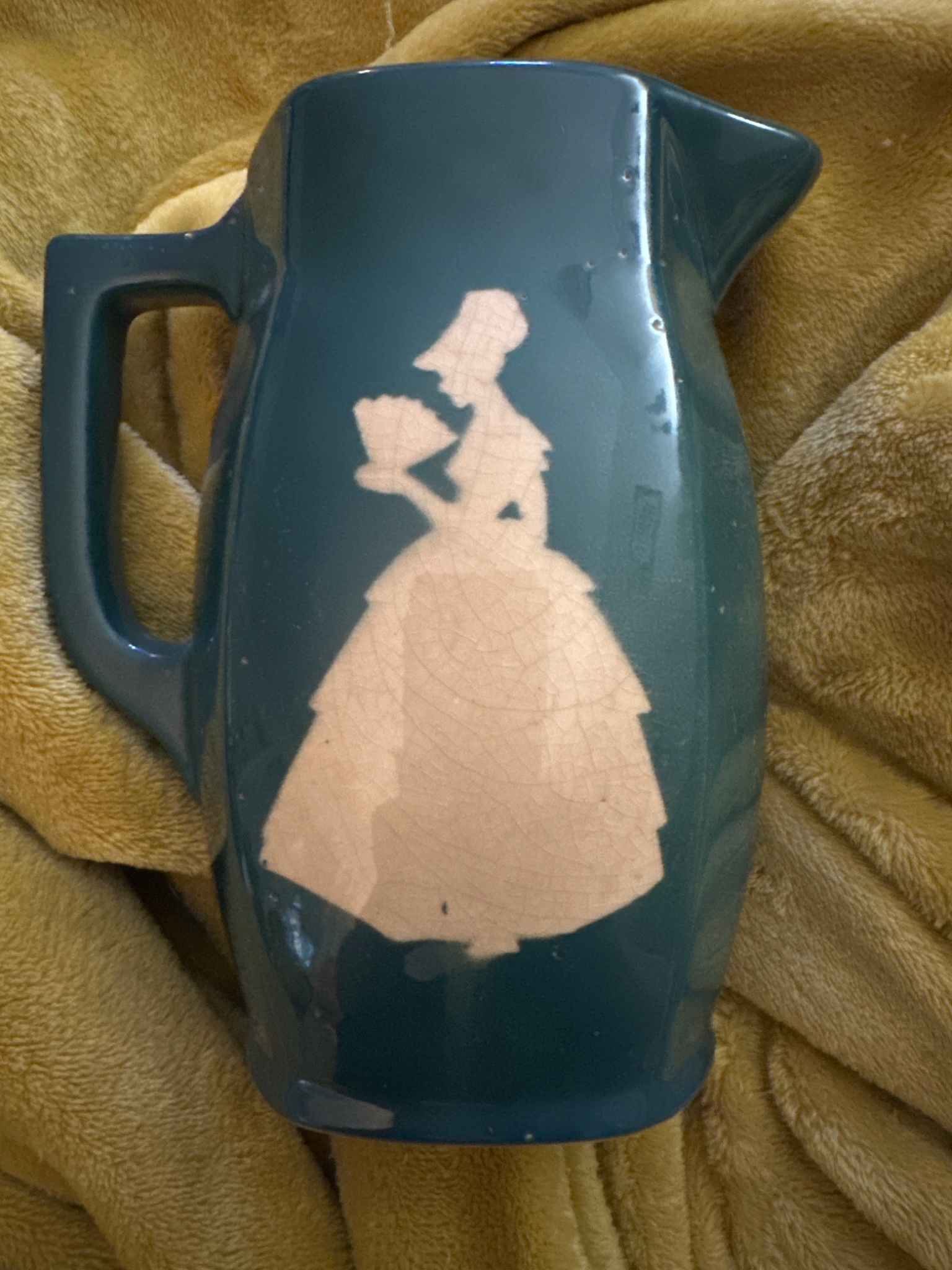
Art pottery pitcher or jug with silhouette decoration
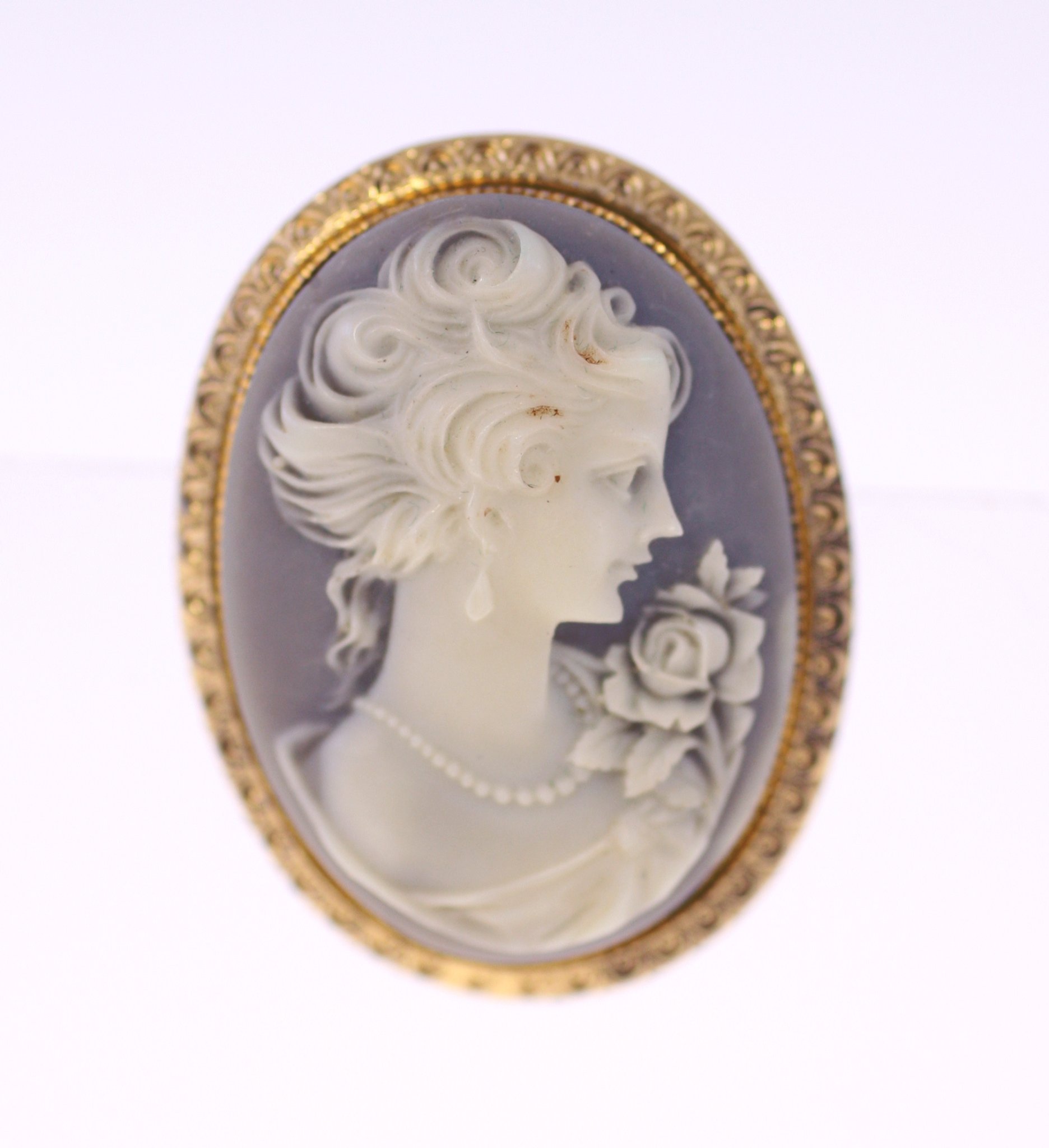
Carved cameo brooch or pendant
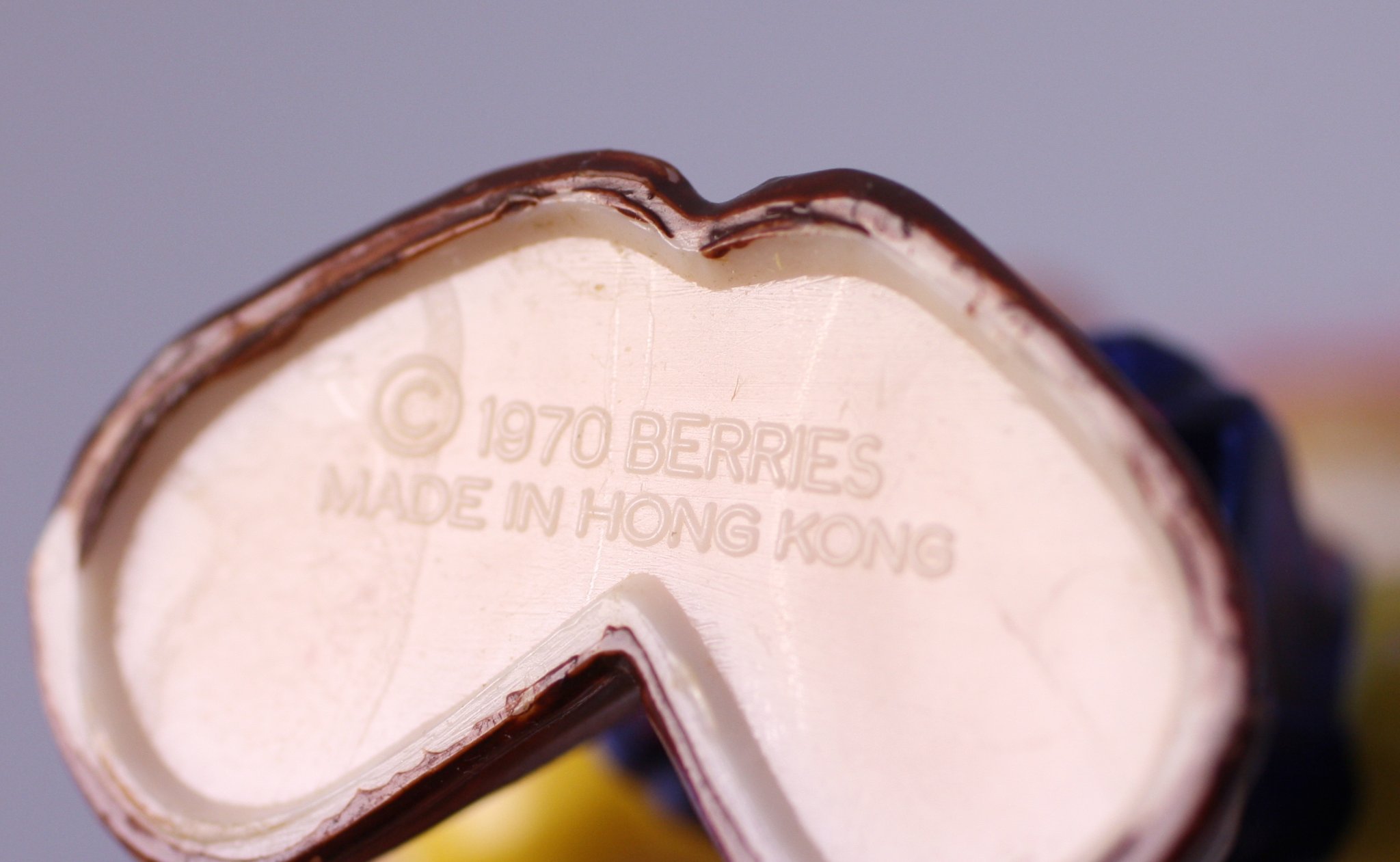
Berries ceramic figurine or decorative object (marked 1970)
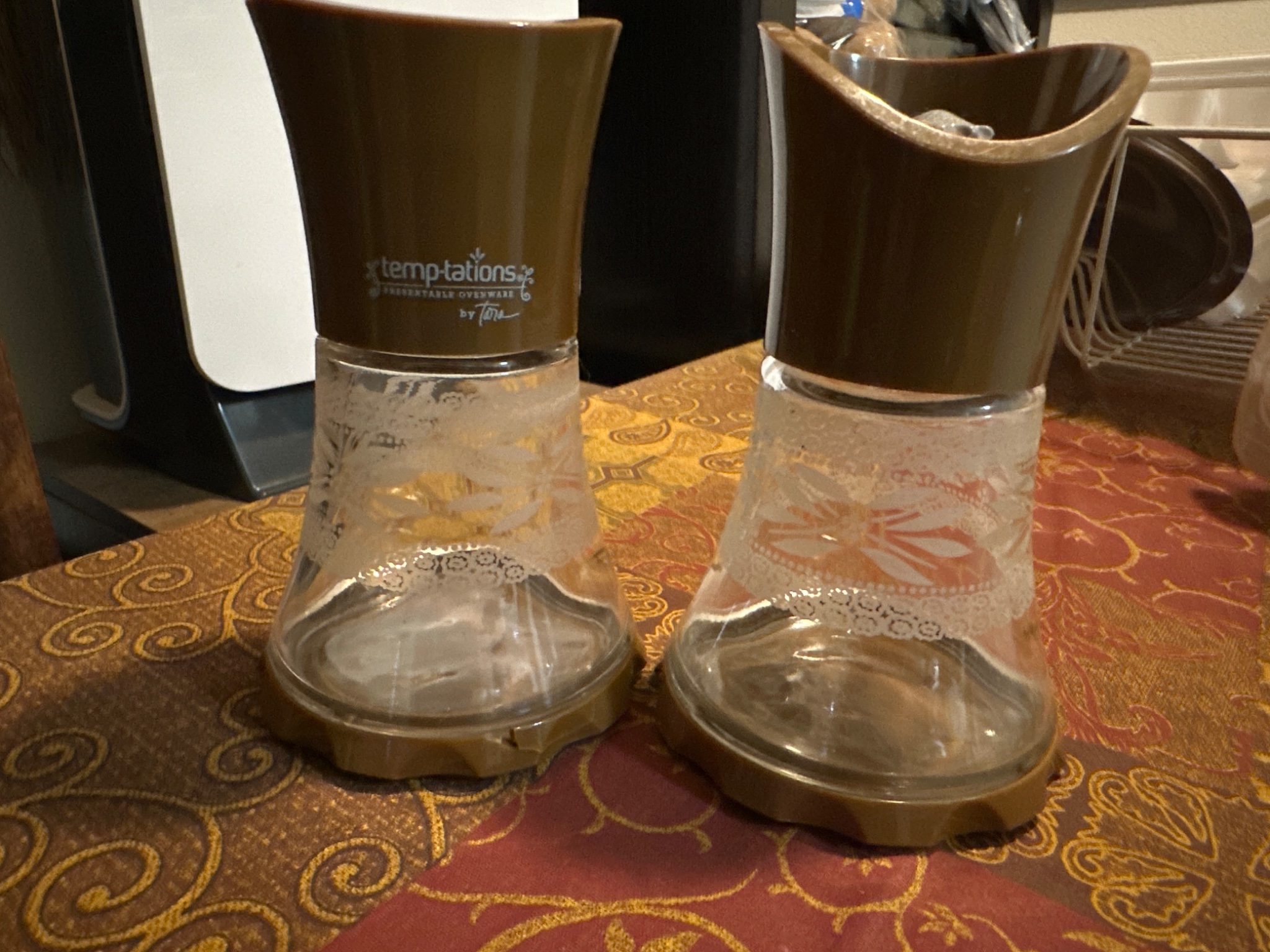
Temptations by Tara decorative glass canisters / storage jars
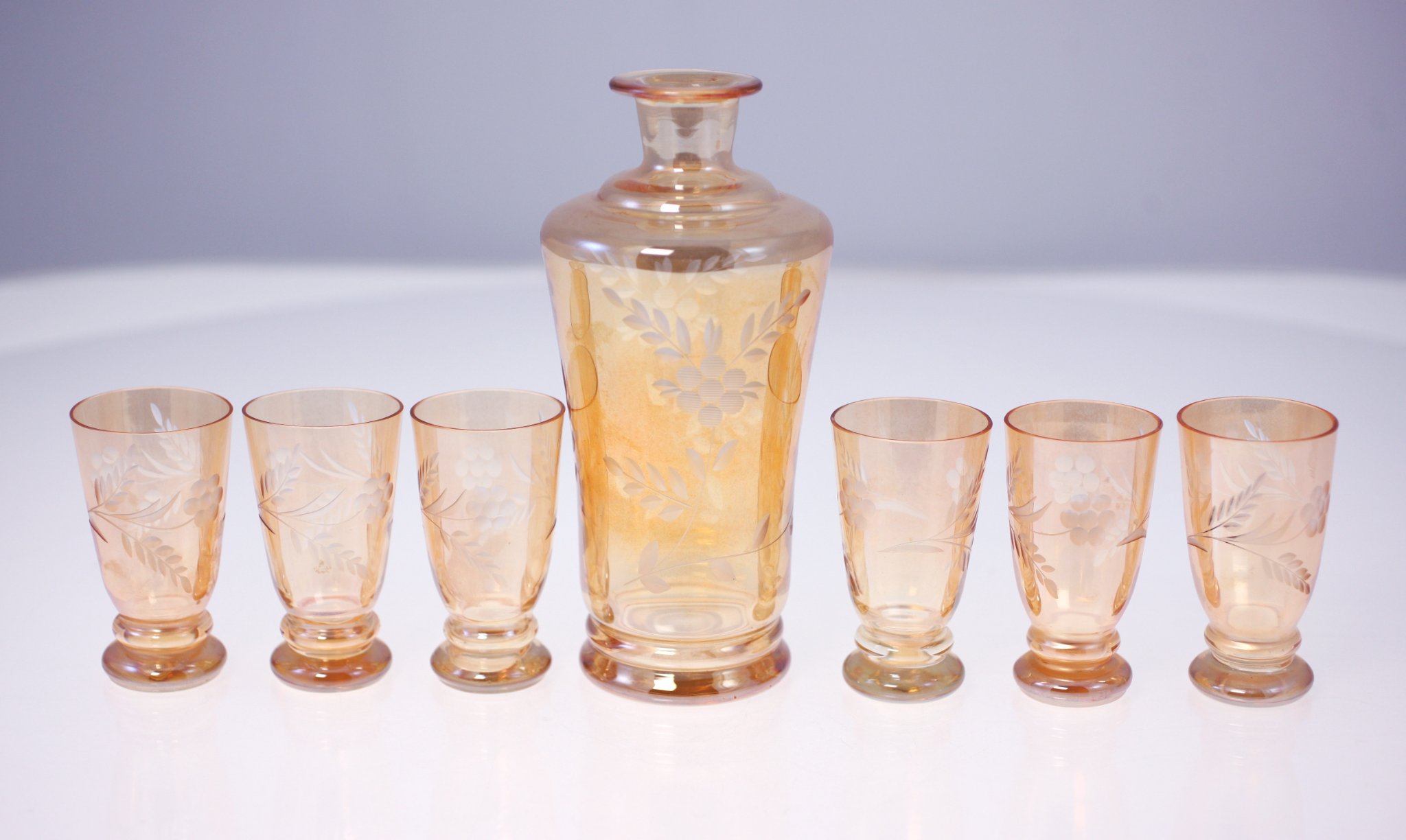
Amber glass liquor decanter set with six matching tumblers
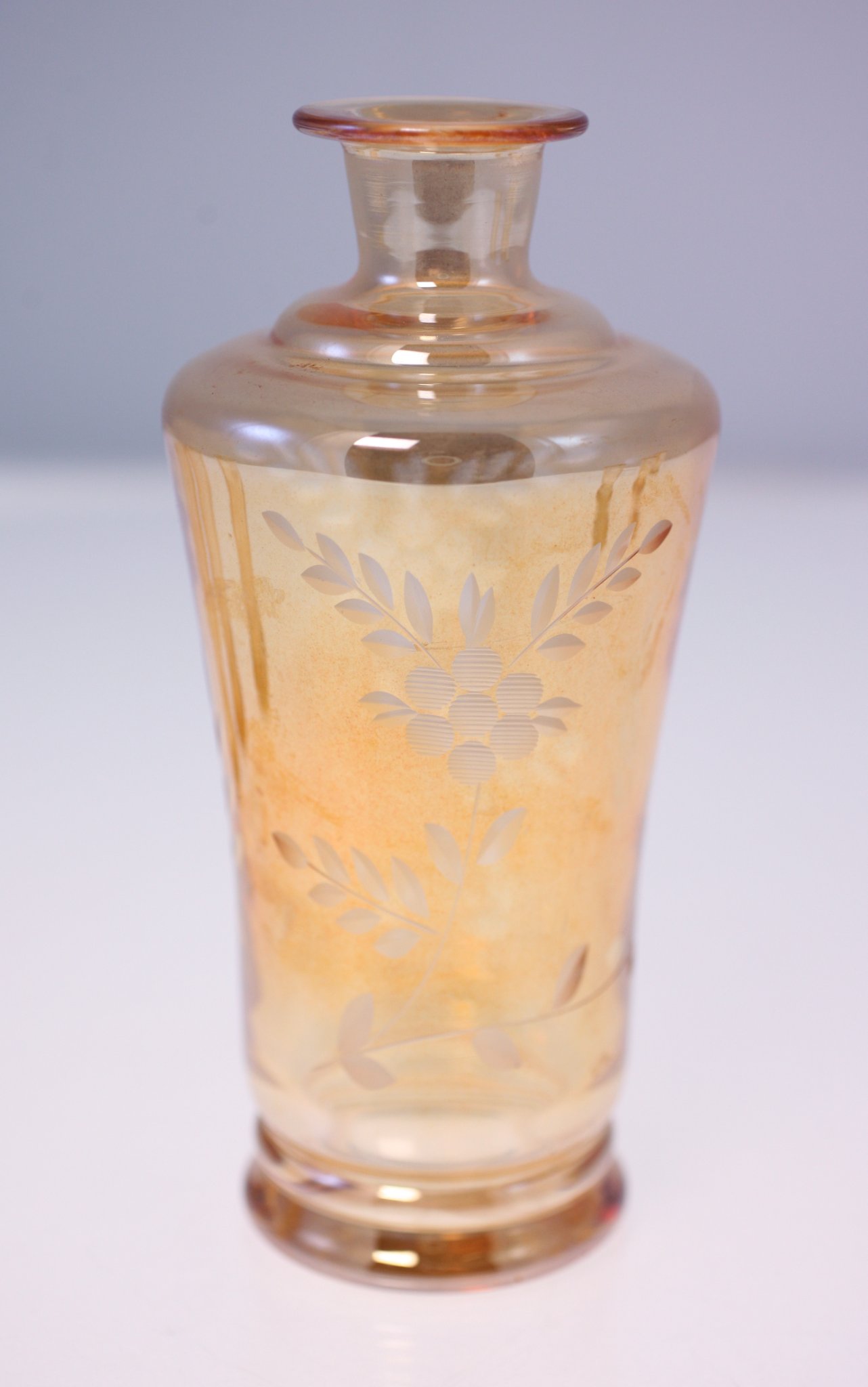
Etched amber glass vase or bottle
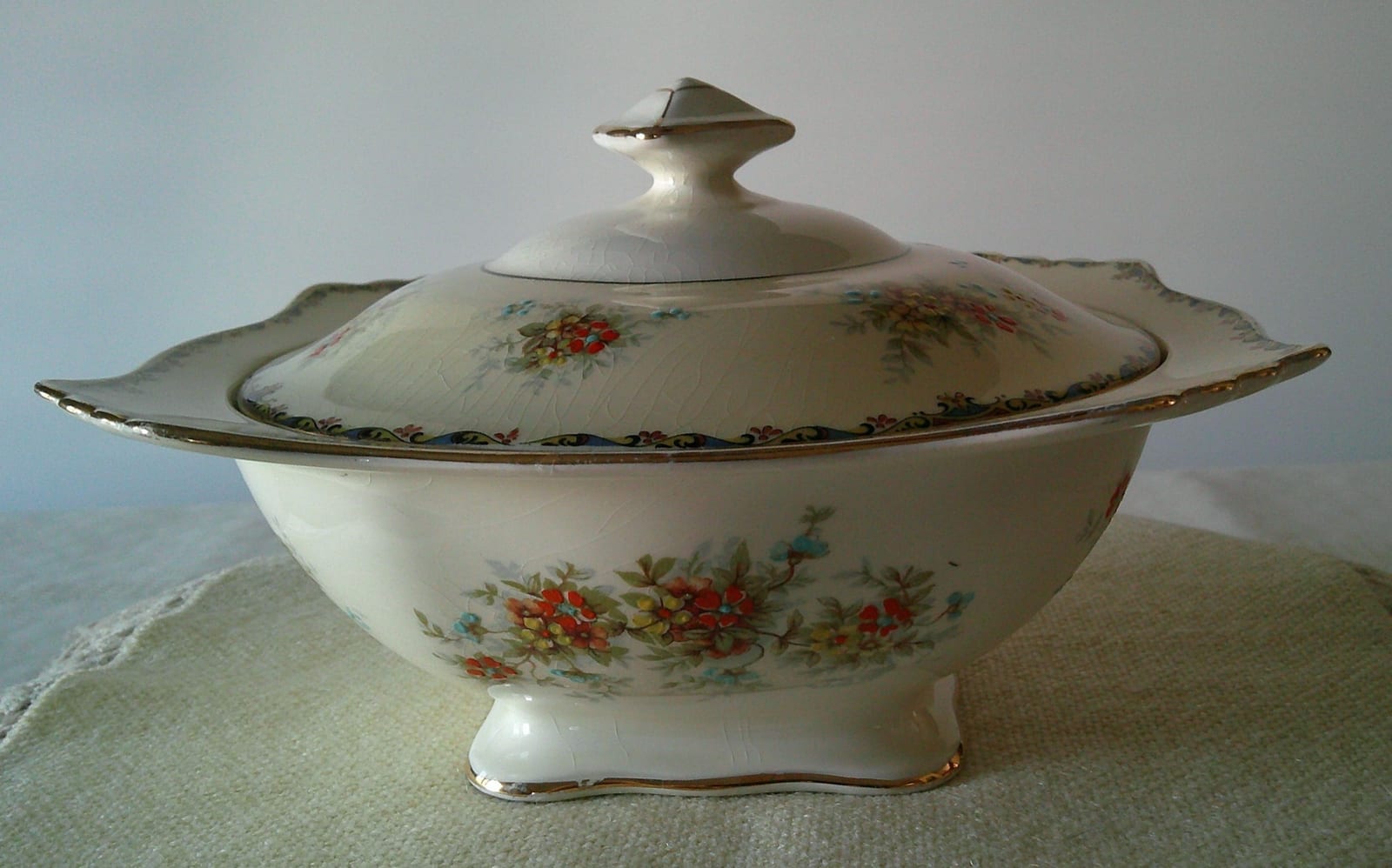
Covered porcelain tureen or serving dish
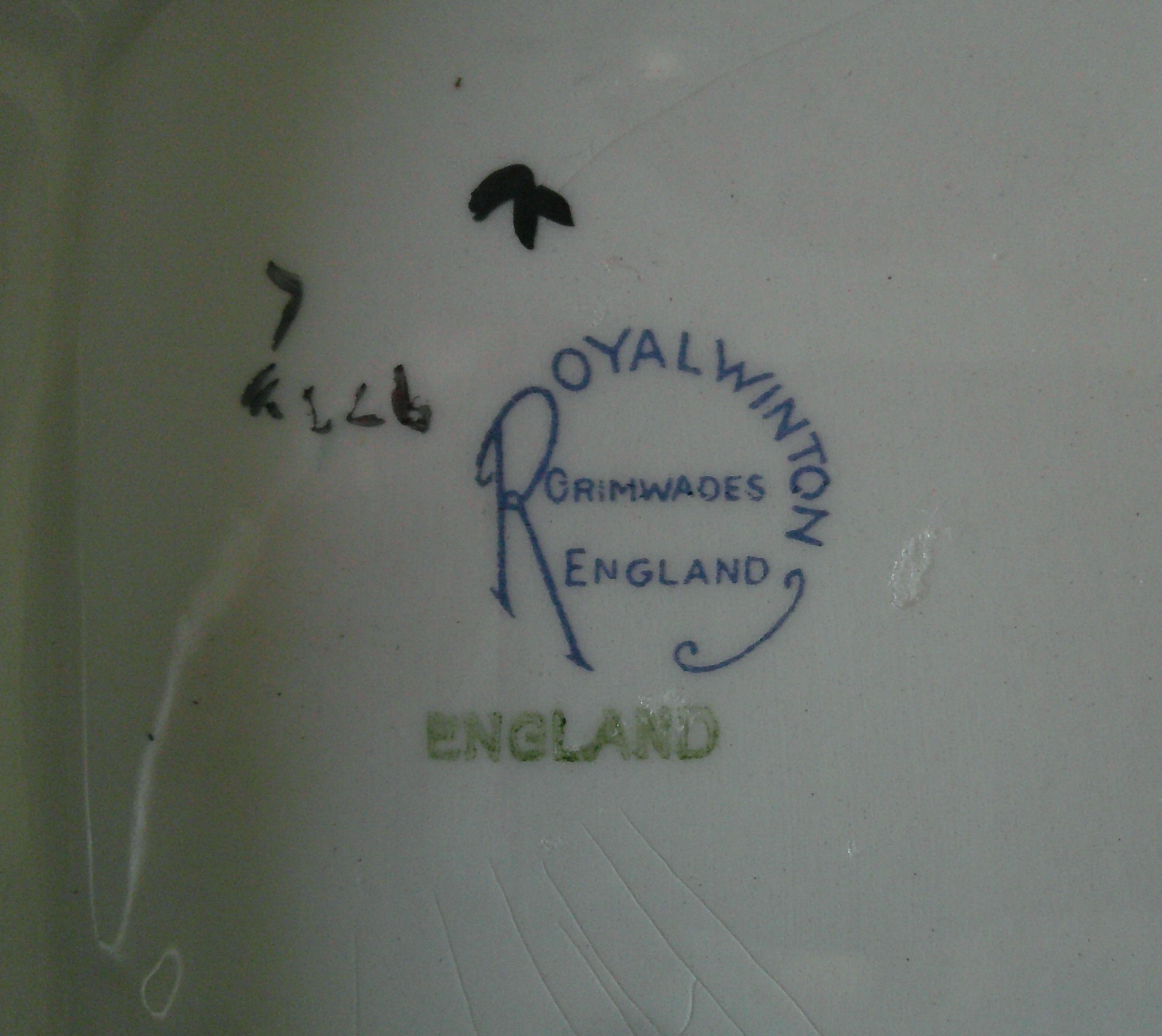
Royal Winton Grimwades England ceramic piece (likely a plate, bowl, or serving dish)