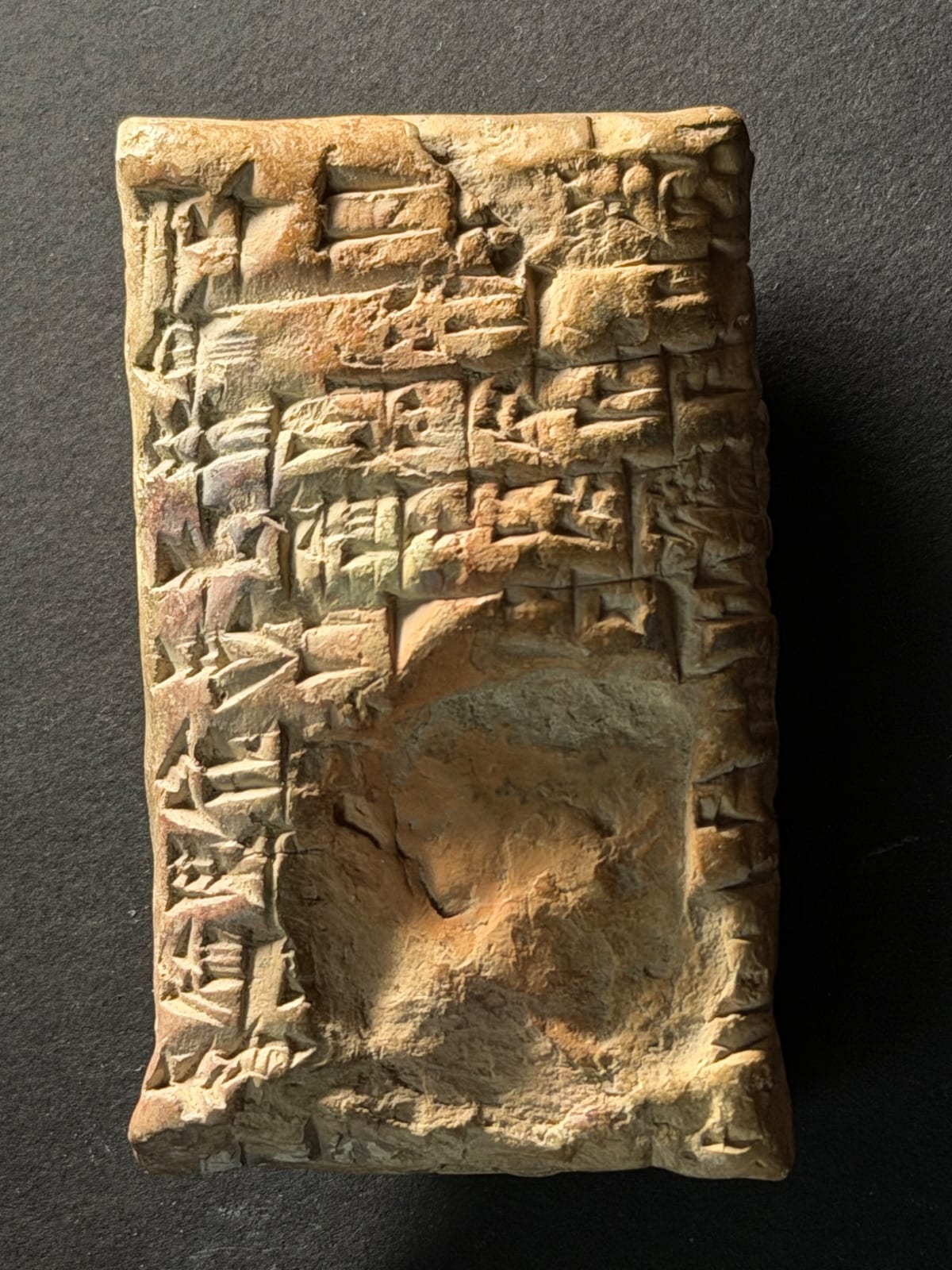
Cuneiform clay tablet fragment
Estimated Value
$200-$1,500 (highly dependent on authenticity, legibility, provenance, and legal export documentation)
This appears to be a rectangular fragment of an ancient clay tablet with impressed cuneiform writing on one face. The surface shows multiple rows or columns of wedge-shaped impressions, though the text is too worn and partially obscured to read confidently from the image alone. The tablet fragment has a rough, uneven surface with rounded edges, suggesting age and extensive handling or burial wear. The lower central area contains a large abraded or broken depression, indicating loss of original material. The overall form and script style are consistent with Mesopotamian administrative, literary, or legal tablets, though the exact function cannot be determined from the image.
Era
Ancient Near East, likely Mesopotamian period (approx. 3rd–1st millennium BCE; exact date unknown)
Origin
Likely Mesopotamia (modern-day Iraq or surrounding region)
Material
Fired clay (terracotta)
Condition
Fair to Poor; heavily worn, eroded, and incomplete with significant surface loss and edge damage. Inscribed areas are visible but many signs are obscured by wear and possible soil encrustation.
Physical Details
Dimensions
Approximately 5-7 inches tall, 3-4 inches wide, and 1-2 inches thick (estimate based on image only)
Weight
Medium
Authentication
Authenticity Score
Low to Medium; the object visually resembles an ancient cuneiform tablet fragment, but authenticity cannot be confirmed from a single image. Surface wear and script-like impressions are consistent with antiquity, yet modern replicas can also mimic this appearance.
Provenance
Likely excavated or surfaced from an ancient Near Eastern context; specific provenance is unknown and cannot be verified from the image alone. If genuine, it may have originated from an archaeological site in Iraq, Syria, or neighboring regions.
Historical Significance
Cuneiform tablets are among the most important written artifacts from the ancient world, documenting administration, law, literature, astronomy, trade, and daily life in Mesopotamia. Even fragmentary examples can be historically significant if authenticated and contextually documented.
Restoration Notes
- •No clear evidence of modern restoration visible
- •Possible surface cleaning or abrasion, but not confirmable from image
This identification and value range are AI-generated research aids, not authentication, certification, or a formal appraisal. Learn about the limitations and when to consult a qualified professional appraiser.
Research this item further
Related Identifications
Browse all →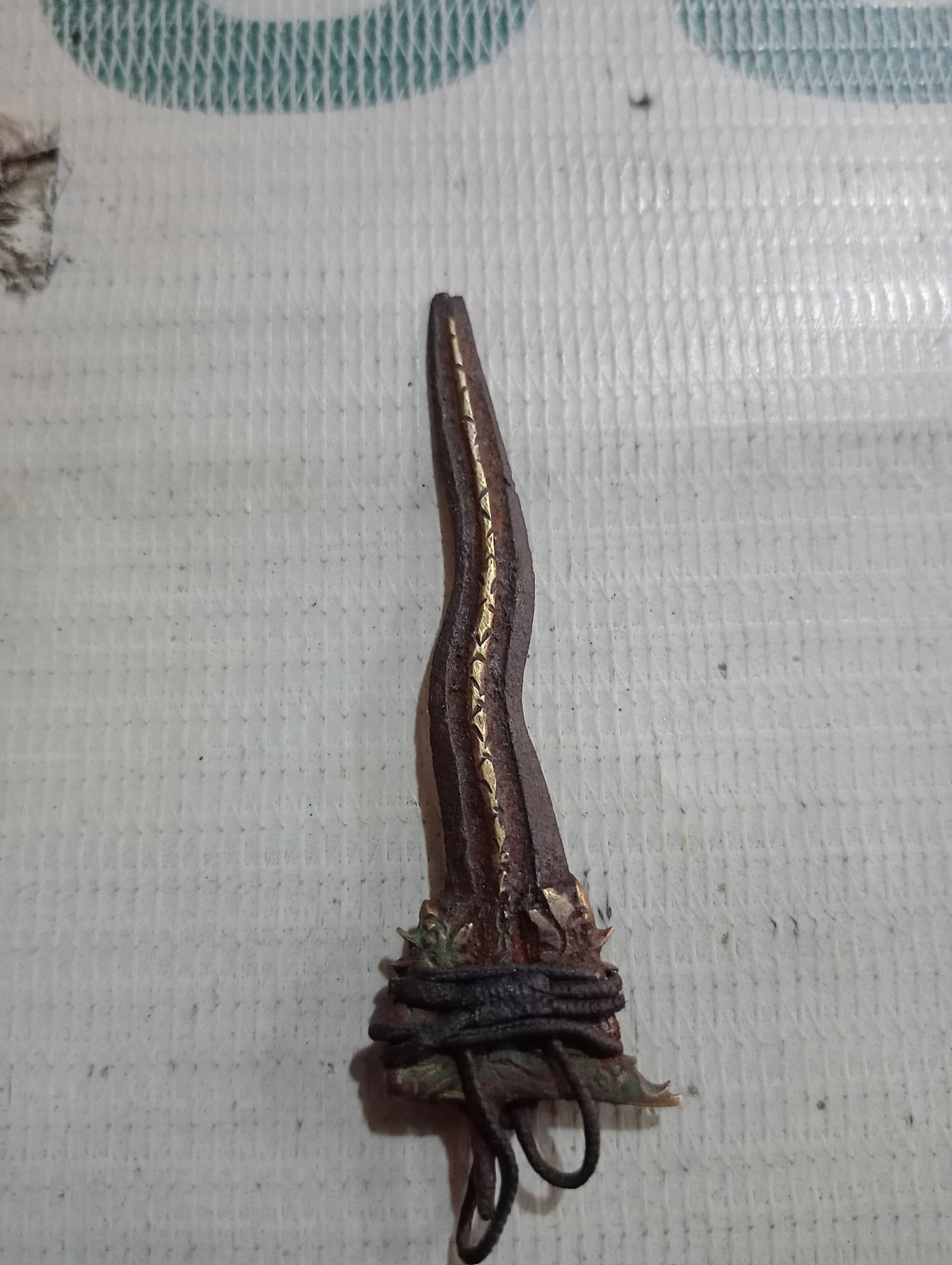
Small ceremonial dagger or ritual blade fragment (possibly Southeast Asian or Indonesian-style)
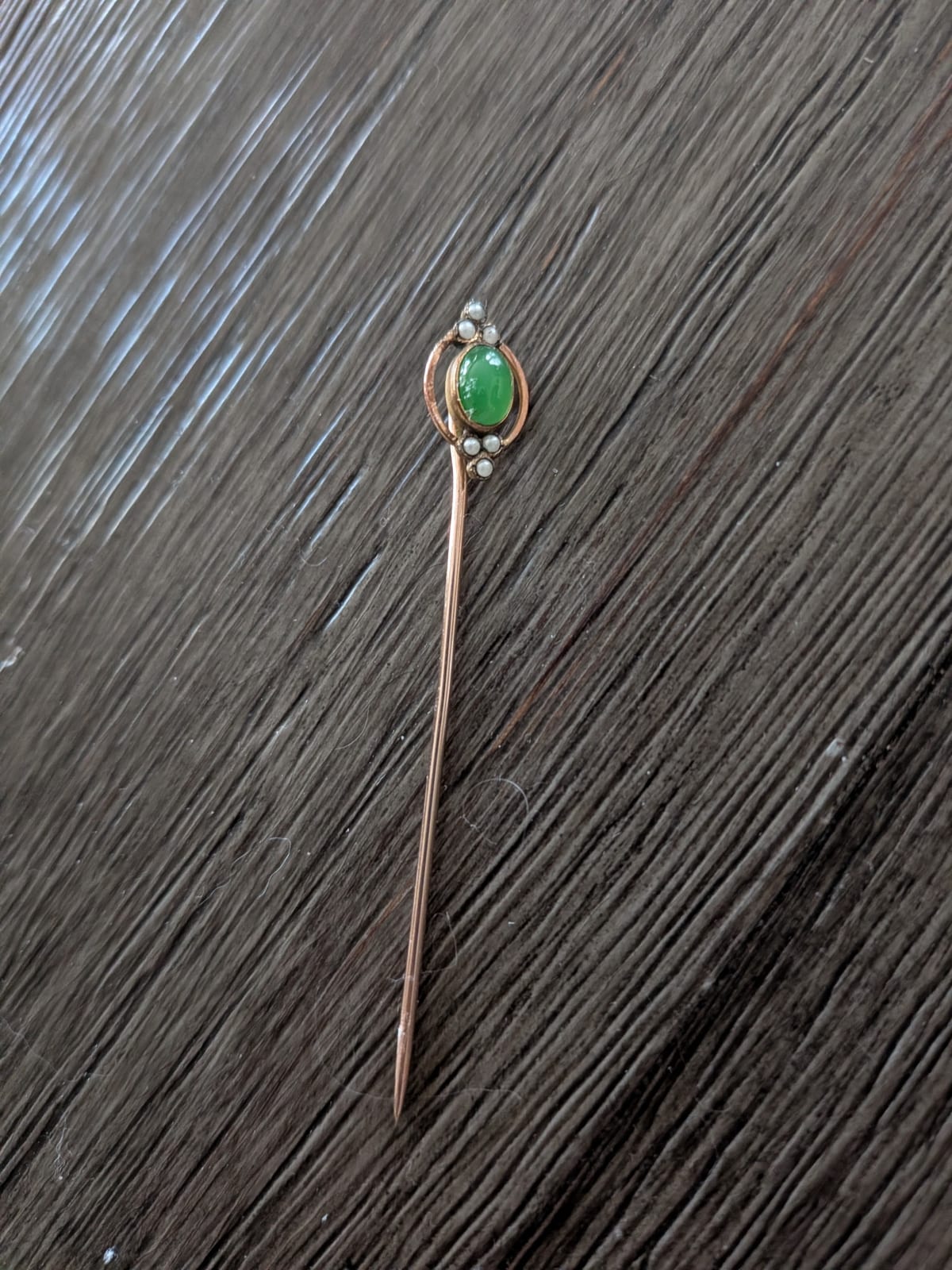
Decorative hat pin or dress pin with green cabochon stone
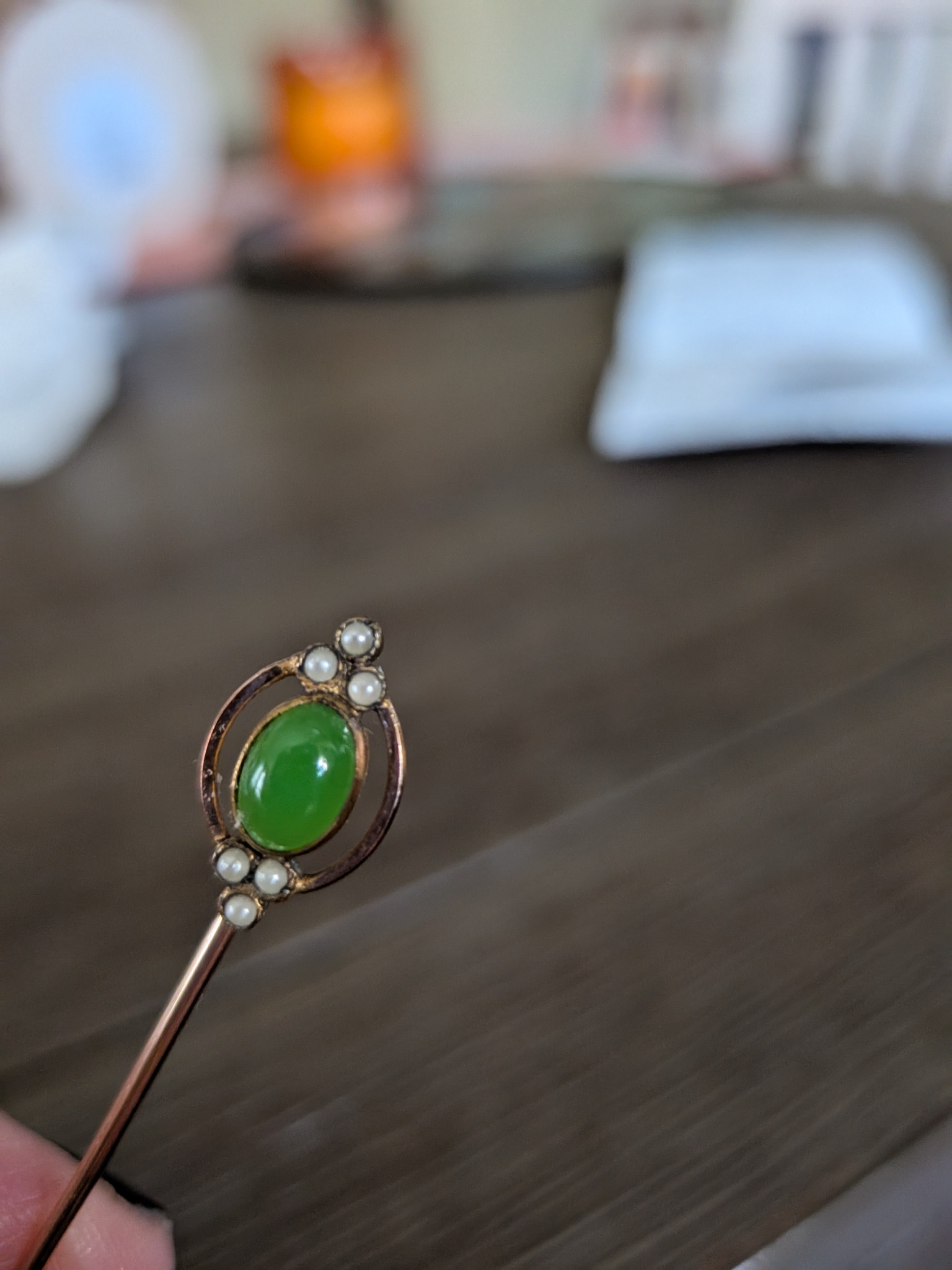
Decorative hat pin or dress pin with green cabochon and seed pearls
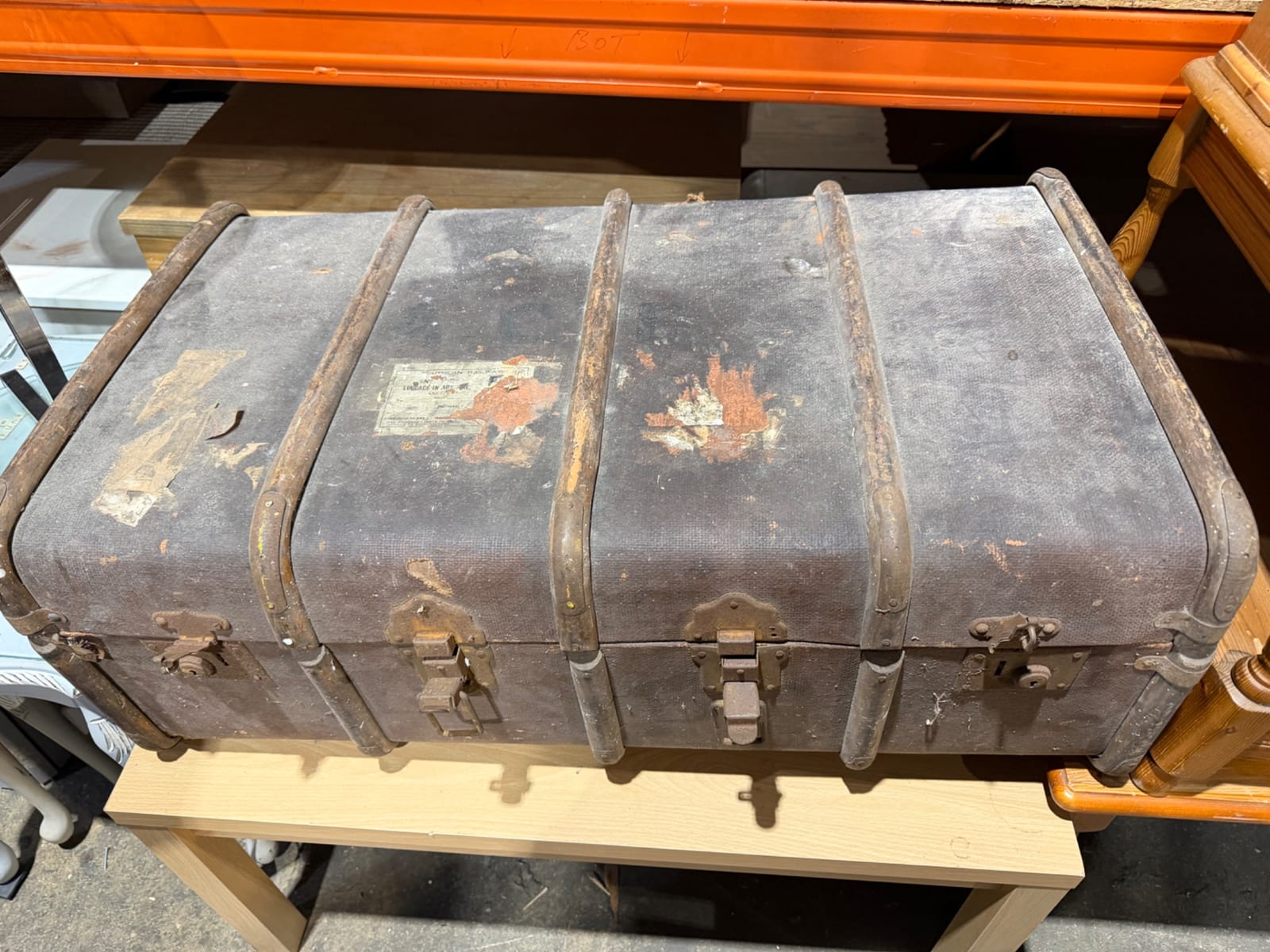
Vintage steamer trunk / travel chest
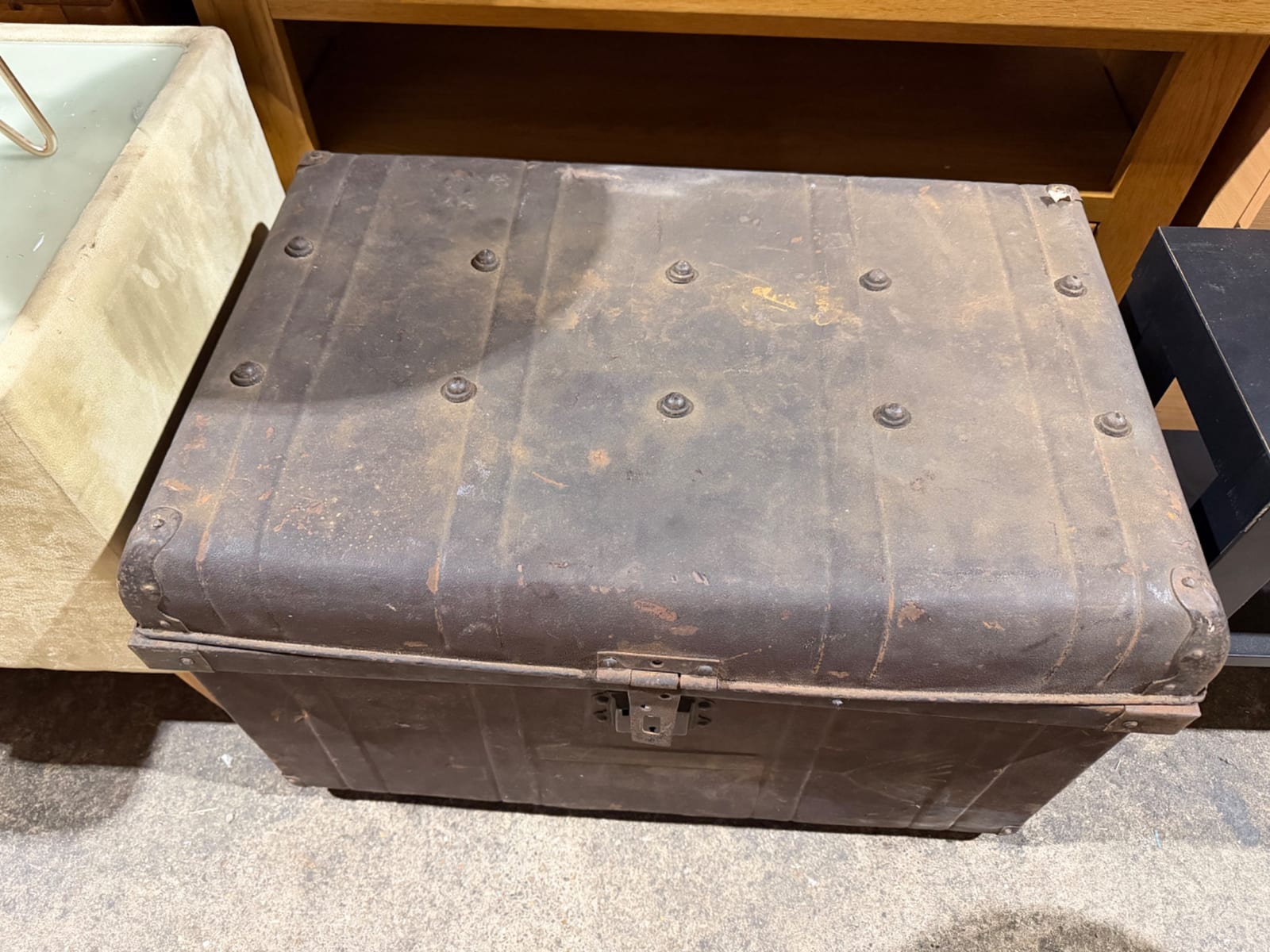
Vintage steamer trunk / travel chest

Polished agate or glass bead (possibly a cabochon-style bead)