
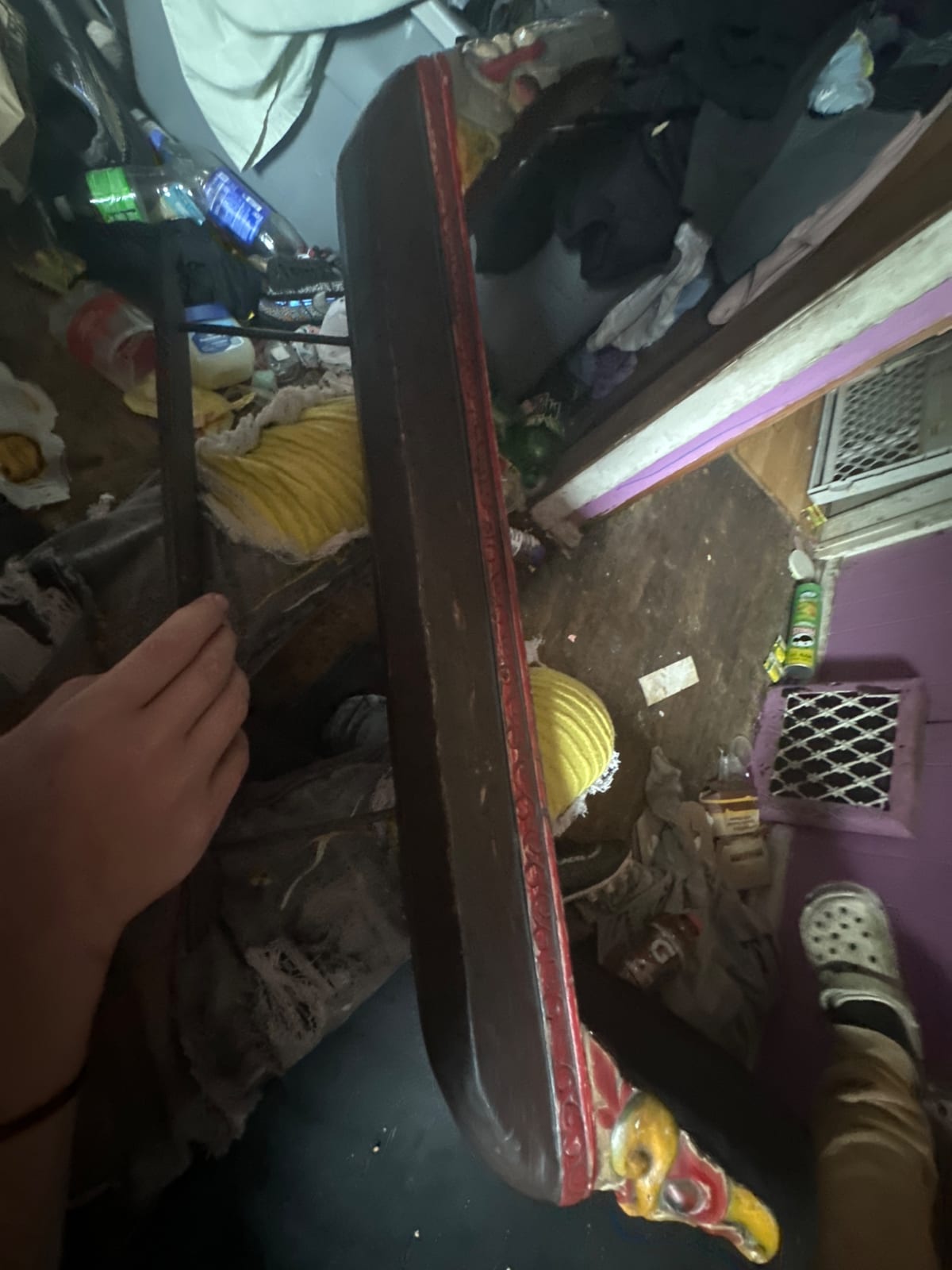
Decorative carved wooden object or furniture fragment with upholstered cushion
Estimated Value
$75-$300
The image shows a decorative upholstered piece with a carved wooden frame or arm-like ends, painted in dark brown with a red accent border and gilt detailing on the carved terminals. The central portion is padded and covered in a light gray fabric, suggesting either a small bench, footstool, chaise component, or a decorative furniture fragment. The carved ends have a stylized, possibly animal- or scroll-form design, which is consistent with late Victorian or revival-style decorative furniture. The piece appears to have been repurposed or stored in a cluttered interior, making exact identification difficult.
Era
Late 19th century to early 20th century (Victorian/Edwardian revival style), exact date unknown
Origin
Likely Western Europe or North America; exact origin unknown
Material
Carved and painted wood, fabric upholstery, stuffing/filling, possible metal support rods
Condition
Fair. Visible wear, dust, discoloration, and age-related surface loss. The carved ends show chipped paint and abrasion. Upholstery appears soiled and possibly later-added or replaced. Overall structure appears intact from the visible angle, but full condition cannot be confirmed.
Physical Details
Dimensions
Approximately 24-36 inches long, 12-18 inches wide, and 12-20 inches high, based on visible scale; exact dimensions unknown
Weight
Medium
Authentication
Authenticity Score
Low to Medium. The object appears period-style, but the image is unclear and the upholstery may be a later replacement. No maker's mark or construction details are visible.
Provenance
Unknown. The style suggests a decorative household furniture piece from a late 19th- or early 20th-century domestic interior, possibly from a parlor or bedroom set.
Historical Significance
If original, the piece reflects decorative furniture trends of the Victorian and Edwardian periods, when carved ornament and upholstered comfort were often combined. Such items were common in parlors and bedrooms, though surviving examples in original condition are less common.
Restoration Notes
- •Possible reupholstery or replacement fabric visible
- •Surface wear and paint loss on carved ends
- •No clear evidence of structural repair, but image quality limits assessment
This identification and value range are AI-generated research aids, not authentication, certification, or a formal appraisal. Learn about the limitations and when to consult a qualified professional appraiser.
Research this item further
Related Identifications
Browse all →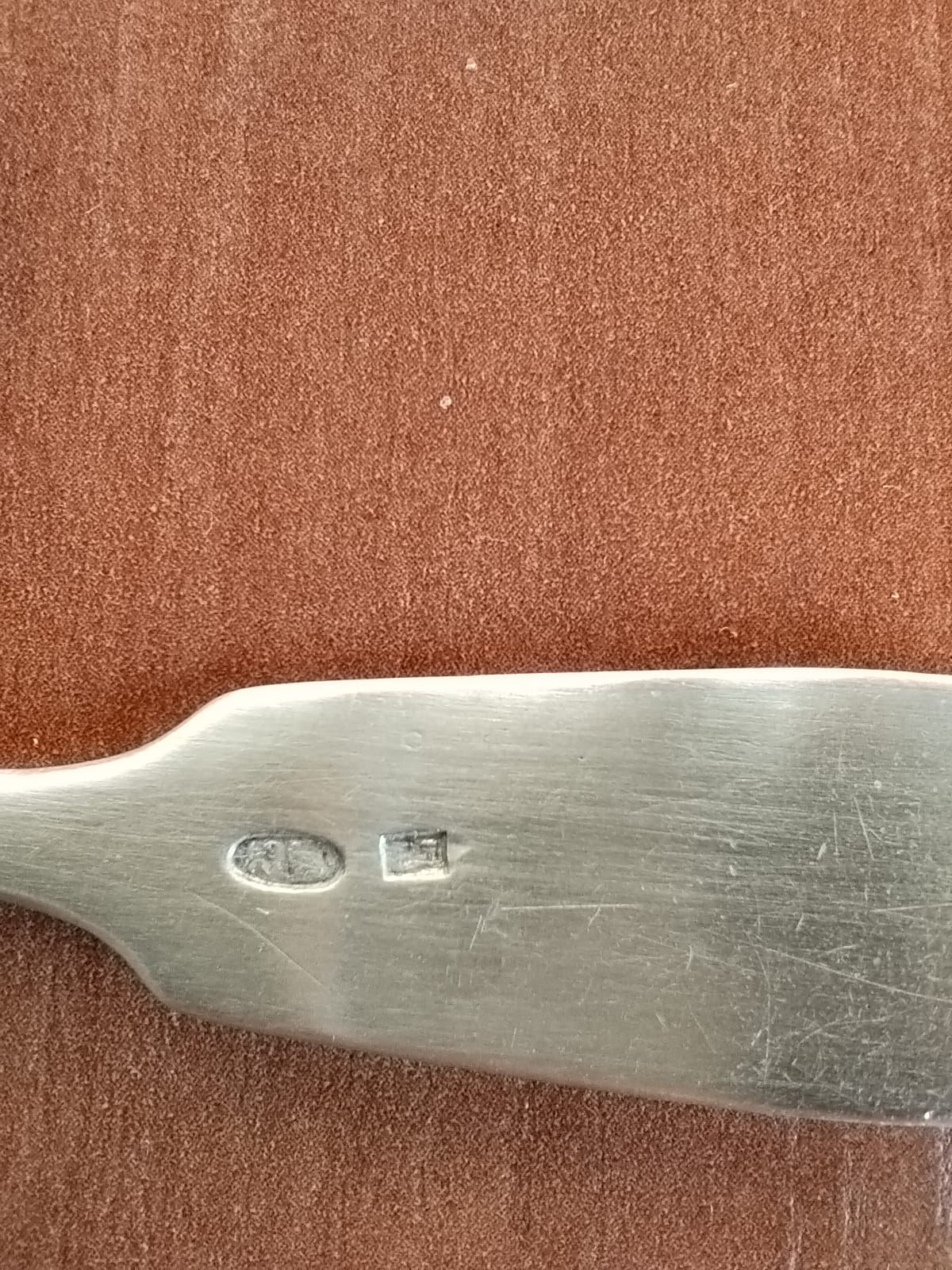
Metal blade or utensil component with hallmarks
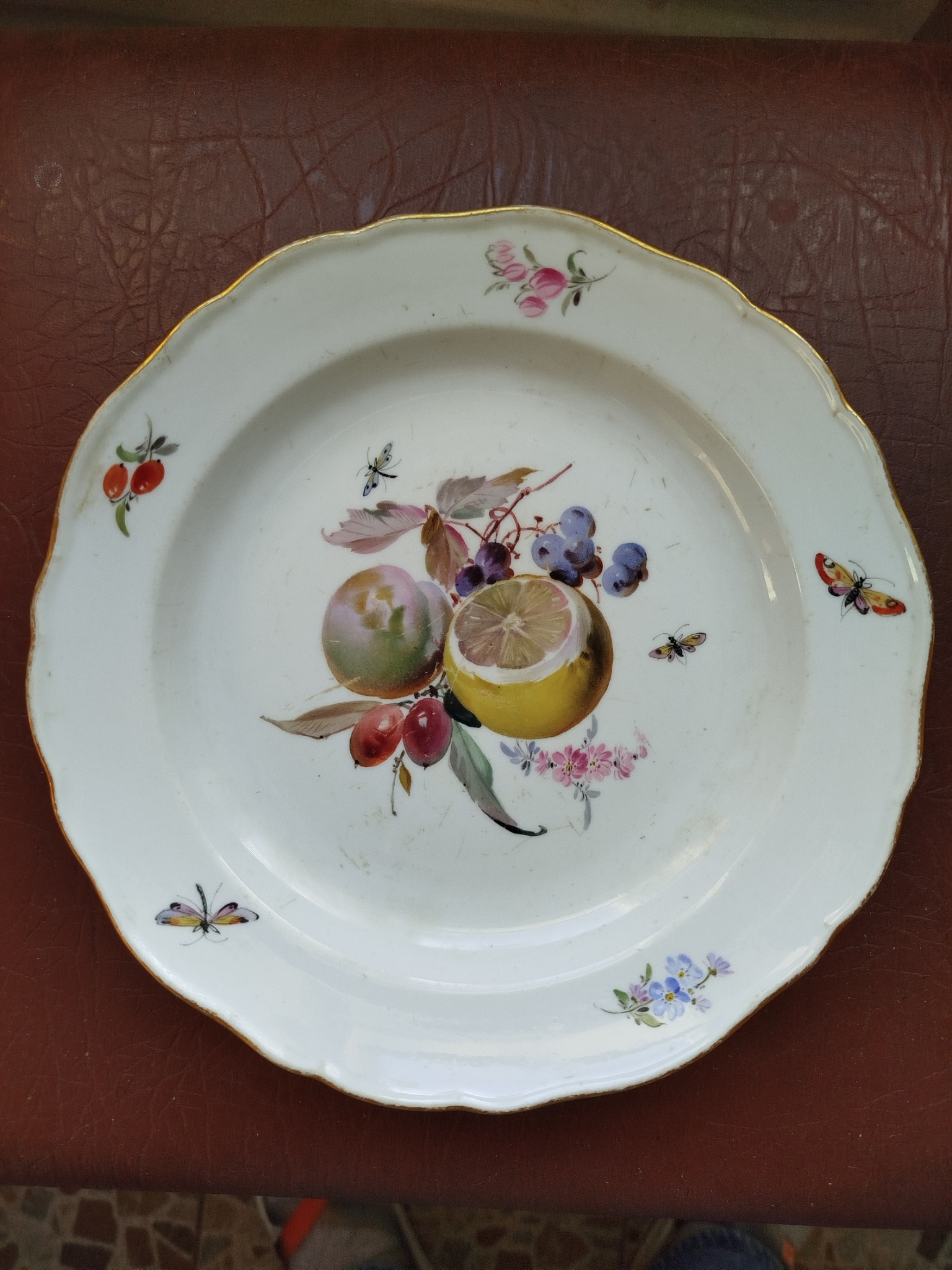
Decorative porcelain dessert plate with hand-painted fruit and butterfly motifs
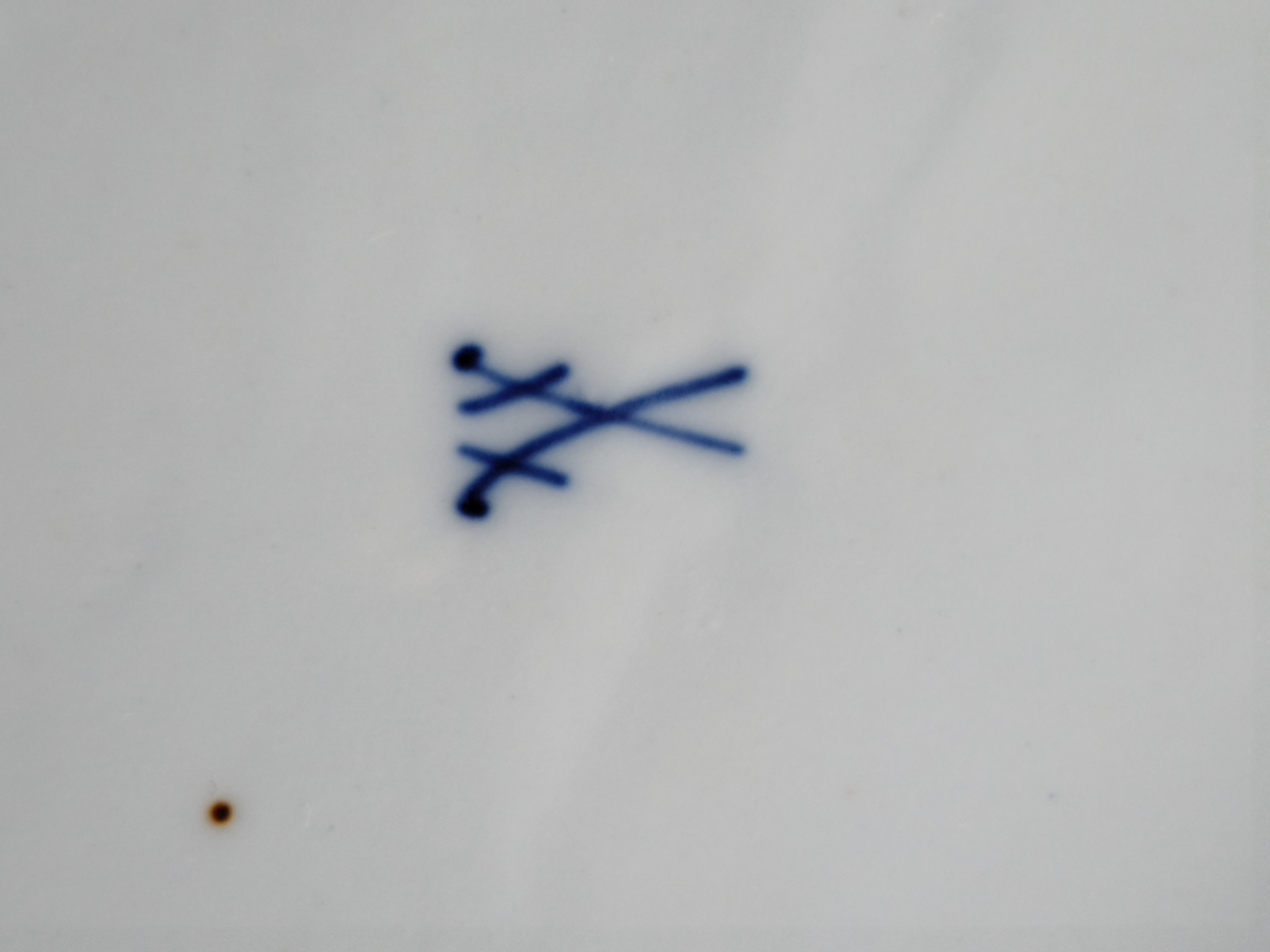
Blue underglaze maker's mark or monogram

Carved and painted wooden decorative furniture piece (likely a bed frame or bench component)
Carved and painted wooden decorative tray or wall plaque
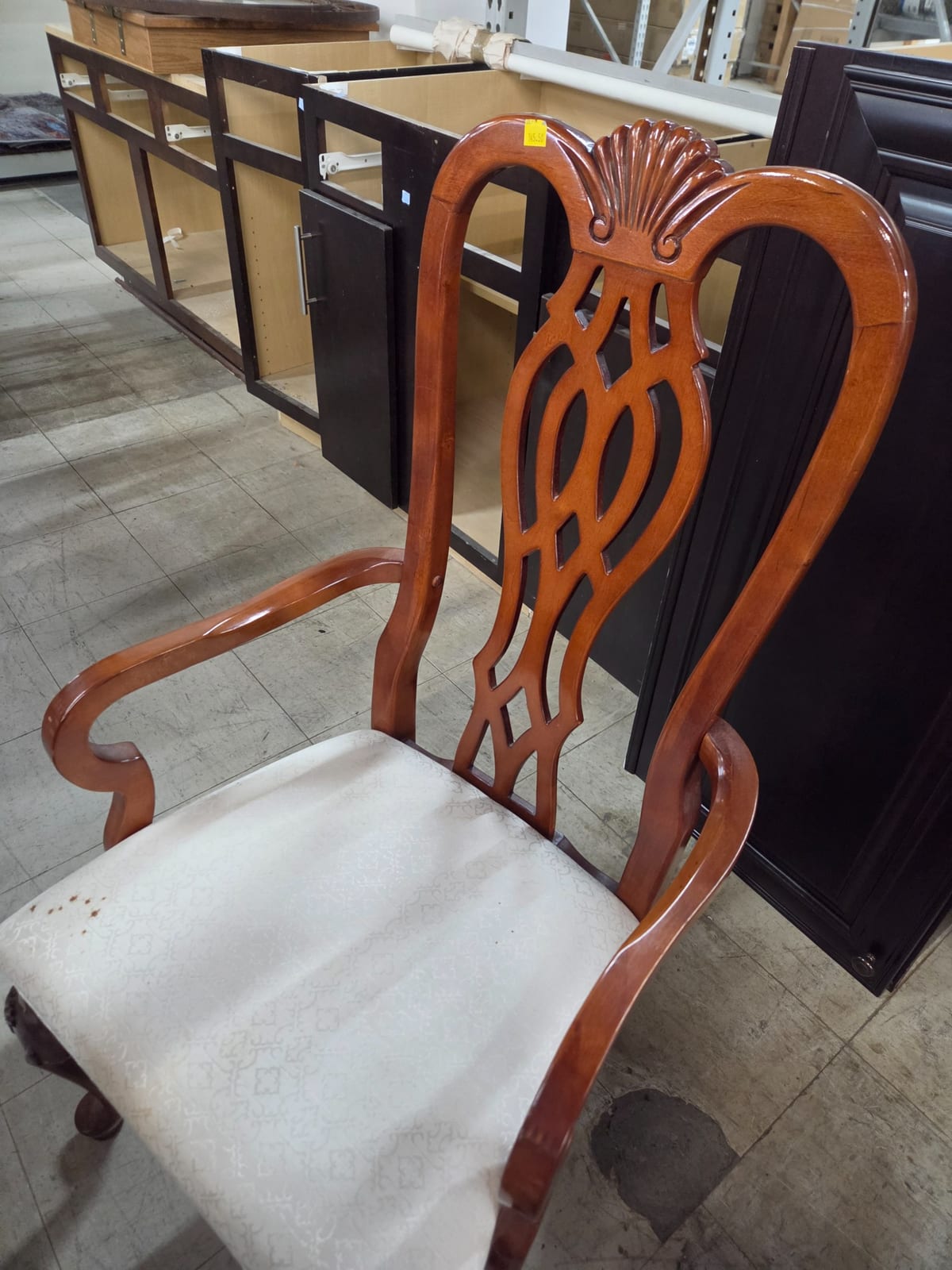
Mahogany-style upholstered armchair with pierced splat back
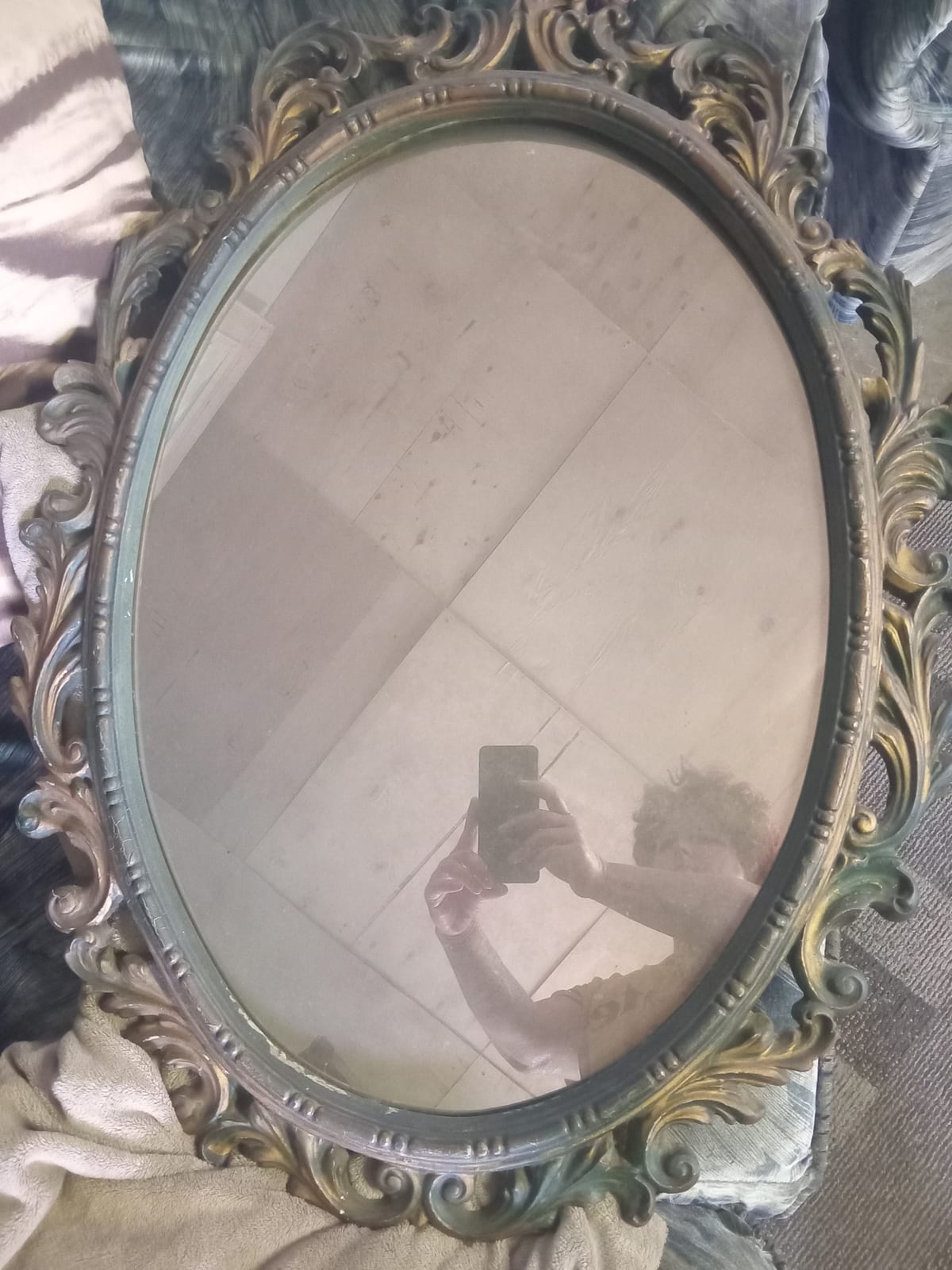
Ornate oval wall mirror