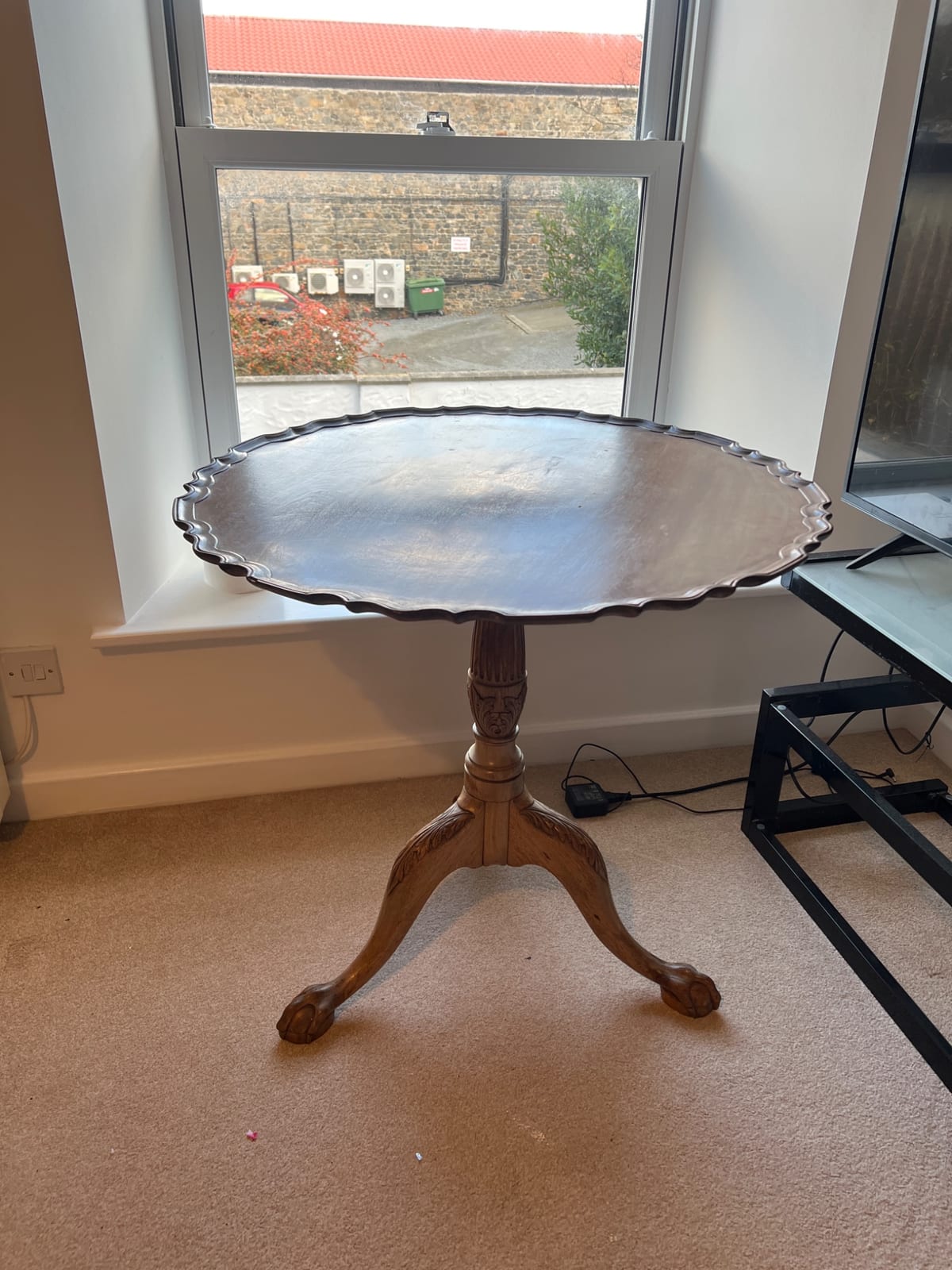
Georgian-style tripod tilt-top occasional table
Estimated Value
$150-$500
A small round pedestal table with a scalloped or molded edge top and a carved central support terminating in three cabriole-style legs. The design is strongly reminiscent of Georgian and Regency occasional tables, especially tilt-top or wine table forms, though the top appears fixed in the current image. The carved detailing on the stem and knees of the legs suggests decorative craftsmanship, but the overall construction and finish may indicate a later reproduction rather than an 18th-century original. The top shows noticeable wear consistent with age or use, and the piece has an elegant, traditional silhouette suited to a side table or display table.
Era
Late 19th century to early 20th century, likely Georgian revival / traditional reproduction
Origin
United Kingdom or Europe, likely British-made
Material
Carved hardwood with a polished veneer or stained finish; possible mahogany or oak
Condition
Good overall condition with visible surface wear, light scratches, and finish dulling on the top; no obvious major structural damage visible from the image
Physical Details
Dimensions
Approximately 28-32 inches tall; top approximately 28-34 inches in diameter
Weight
Medium
Authentication
Authenticity Score
Medium-Low; the form is historically inspired, but the finish, proportions, and apparent construction suggest a later reproduction or revival piece rather than a period antique
Provenance
Likely from a British domestic interior or furniture workshop; exact provenance unknown. Style suggests a revival piece inspired by 18th-century English furniture traditions.
Historical Significance
Tripod tables were common in the Georgian period and later revival styles, often used as tea tables, wine tables, or occasional tables. While this example may not be period, it reflects enduring British furniture design traditions and the popularity of classical revival forms in the 19th and 20th centuries.
Restoration Notes
- •Surface finish appears refreshed or polished at some point
- •Minor wear and scratching visible on the tabletop
- •No obvious repairs visible from the image
This identification and value range are AI-generated research aids, not authentication, certification, or a formal appraisal. Learn about the limitations and when to consult a qualified professional appraiser.
Research this item further
Related Identifications
Browse all →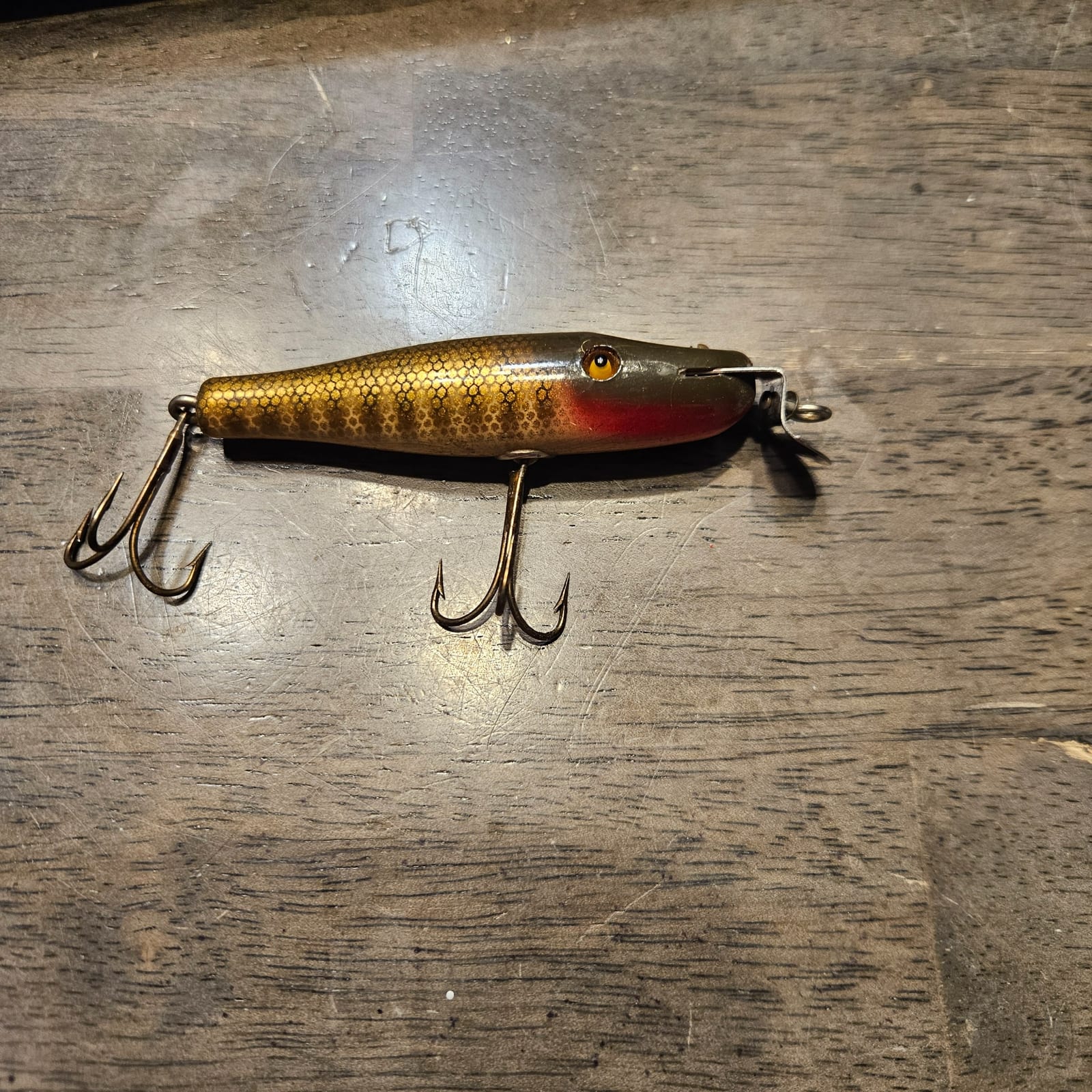
Vintage wooden fishing lure (topwater plug/pencil-style plug)
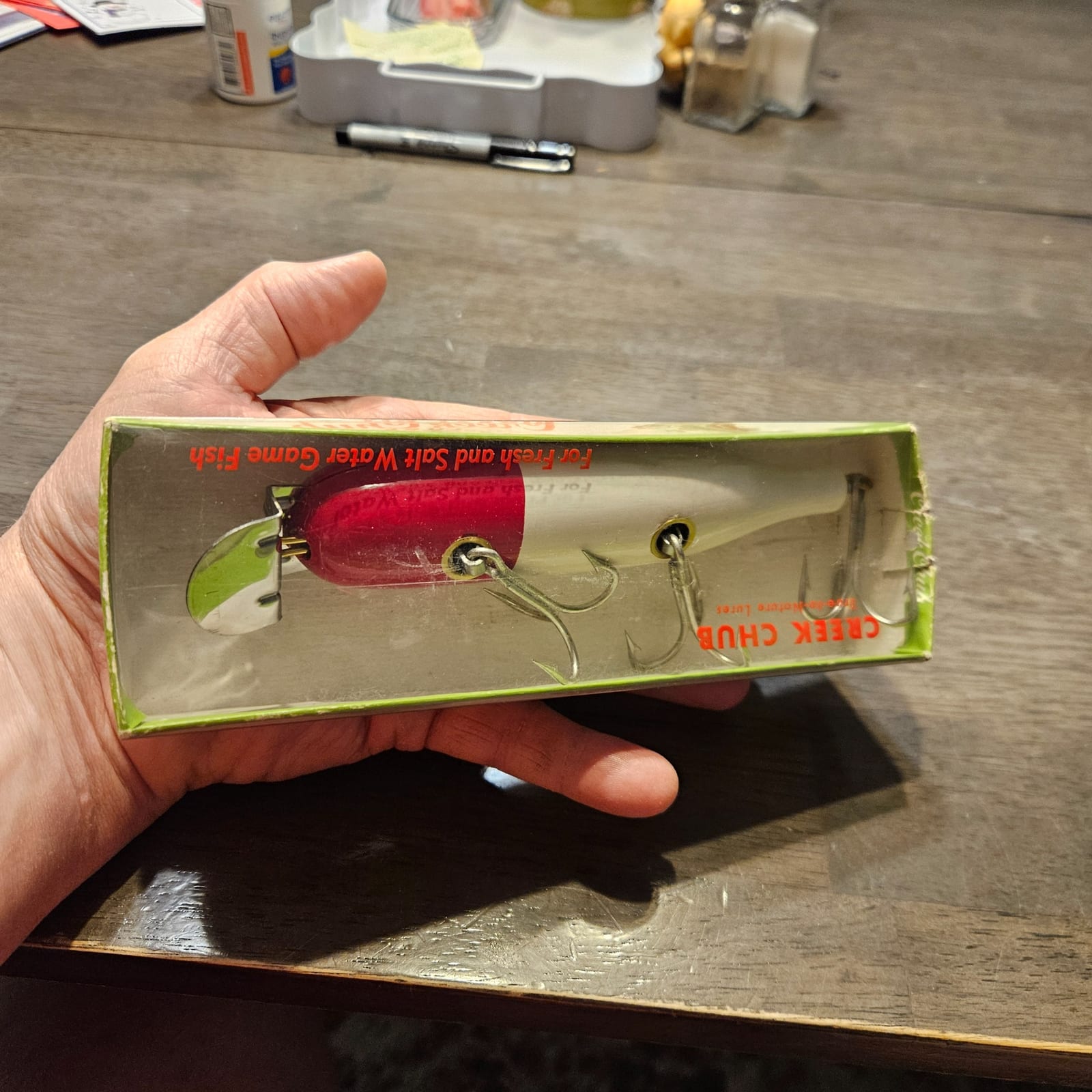
Vintage Creek Chub fishing lure (boxed crankbait/topwater lure)
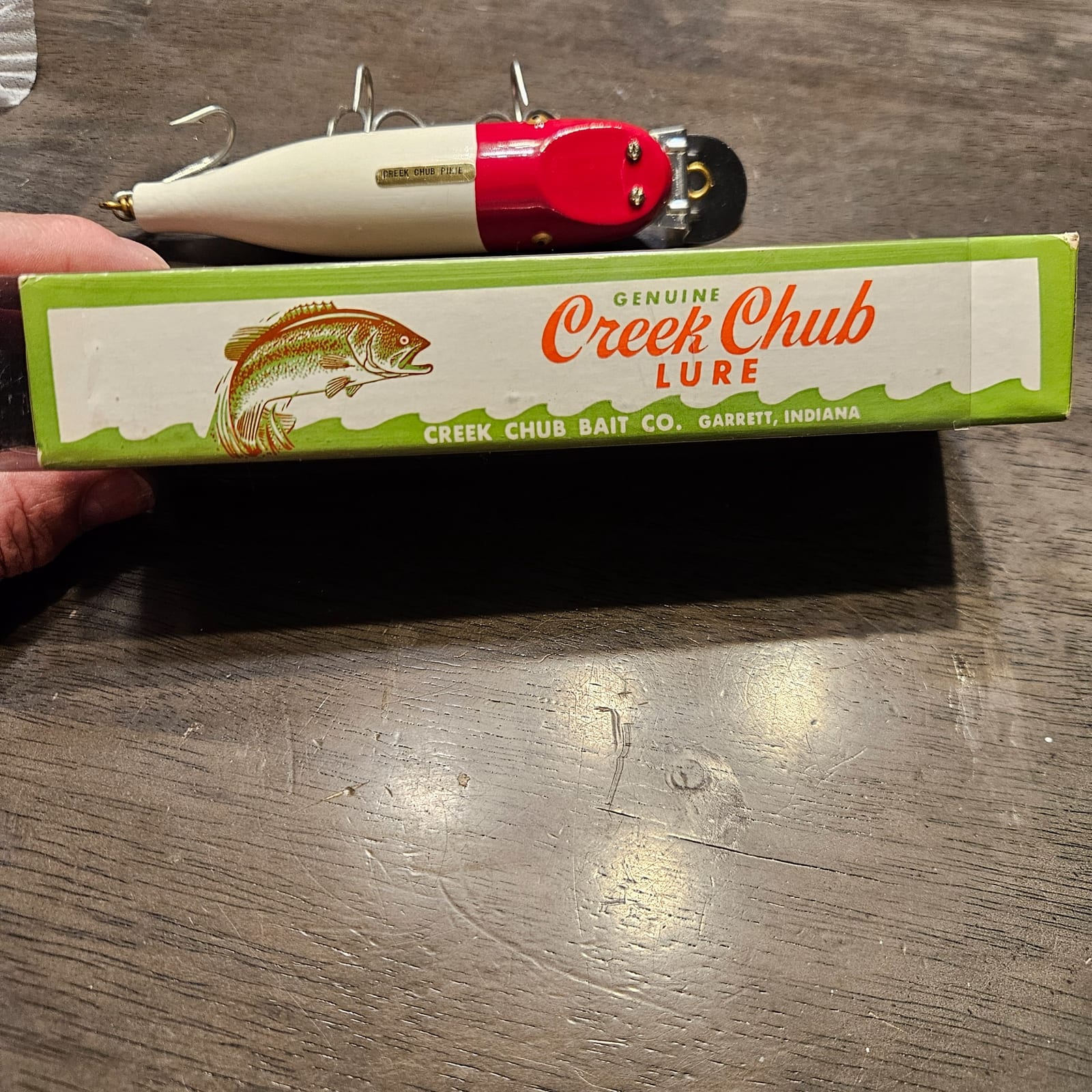
Creek Chub Pike-style wooden fishing lure in original box
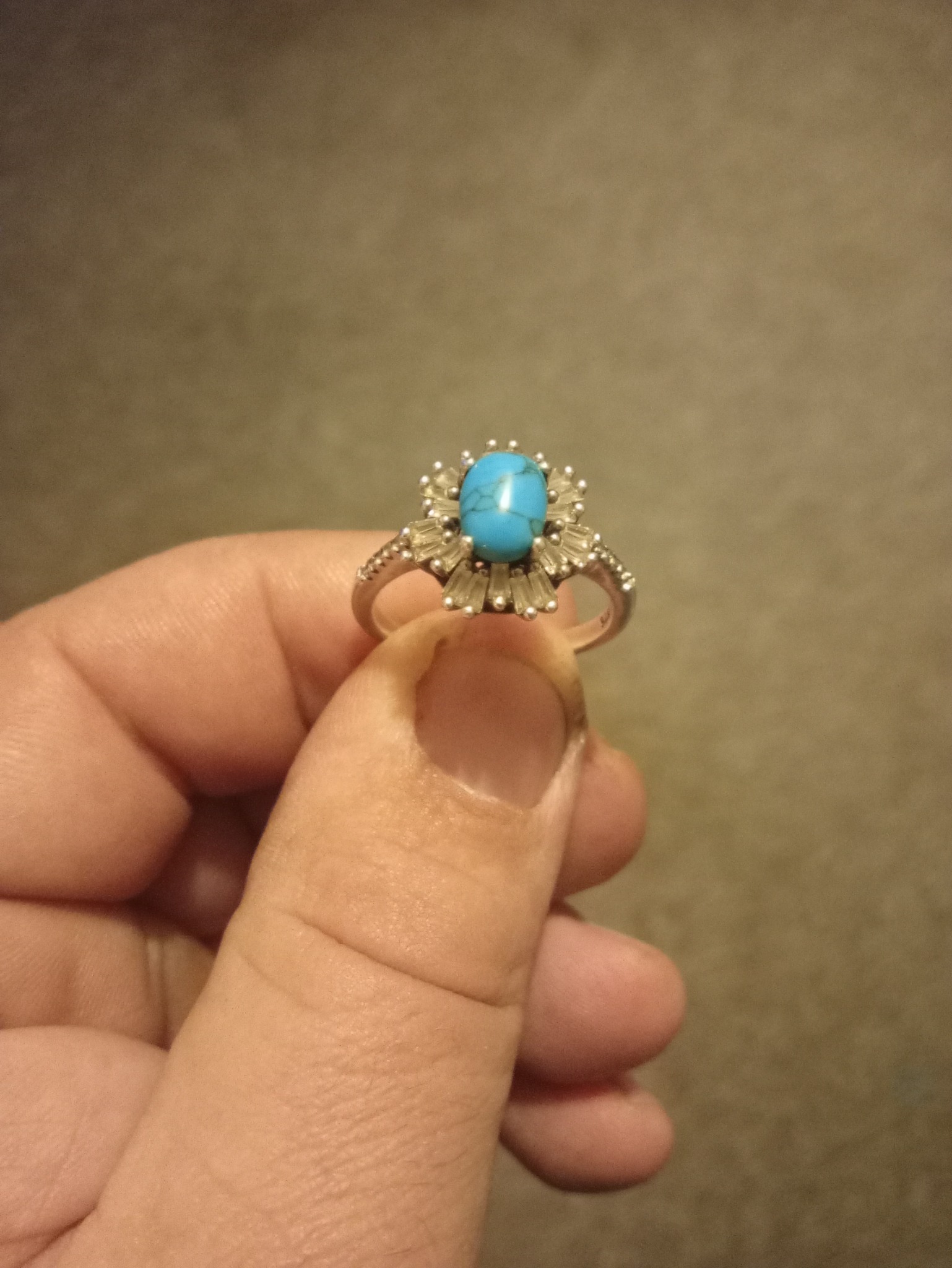
Turquoise-style floral cluster ring
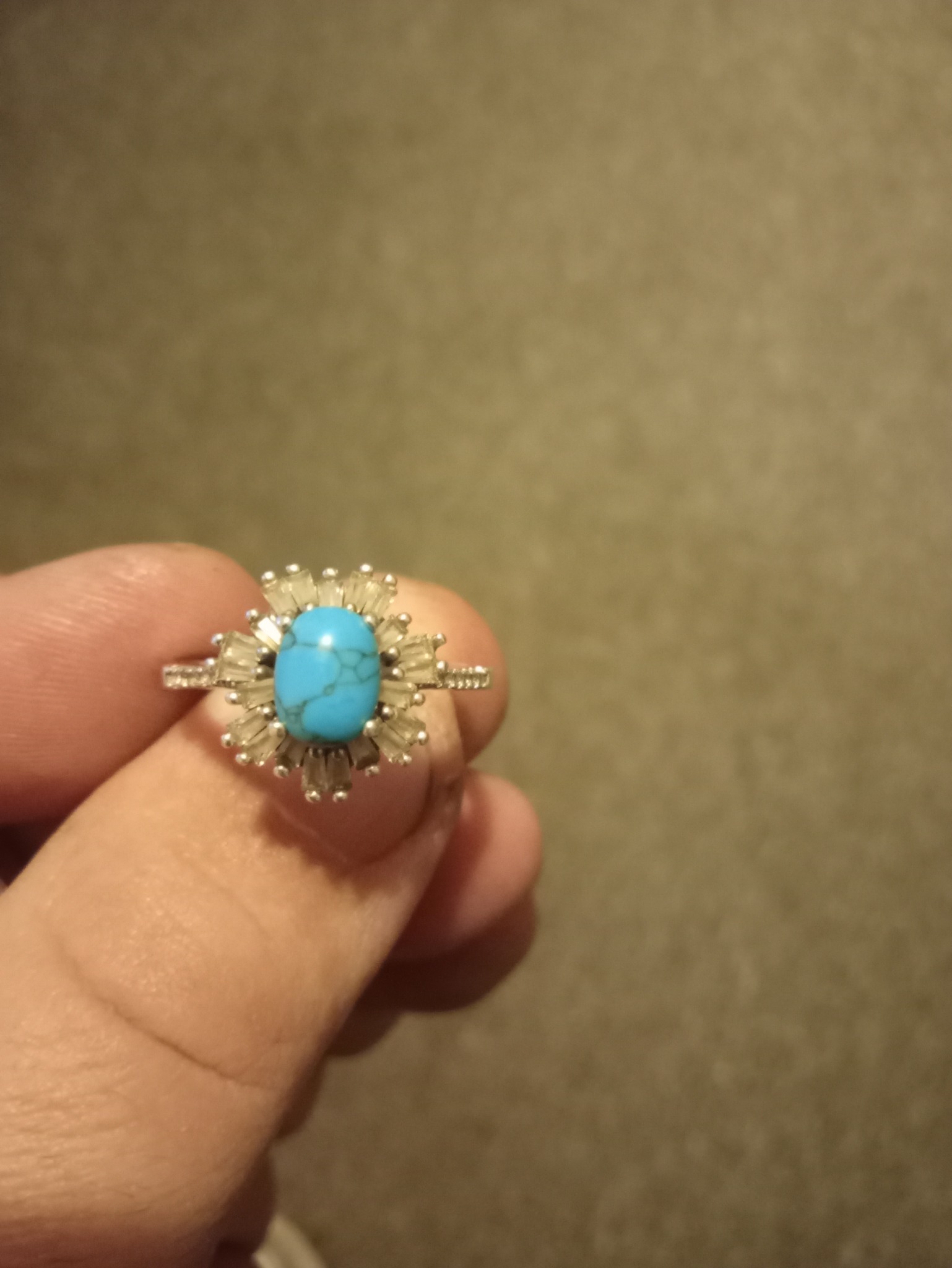
Turquoise cluster ring
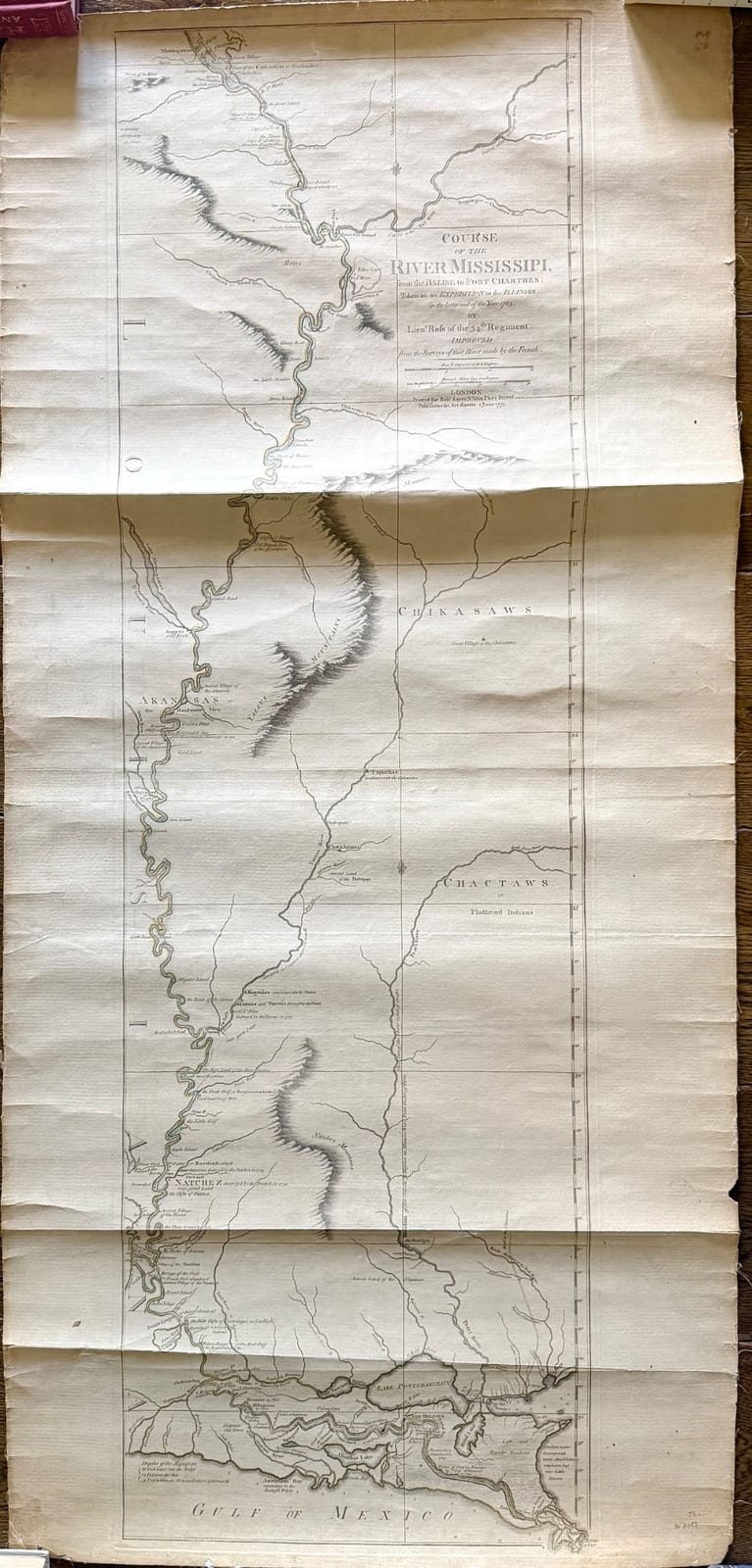
Antique engraved map of the Course of the River Mississippi
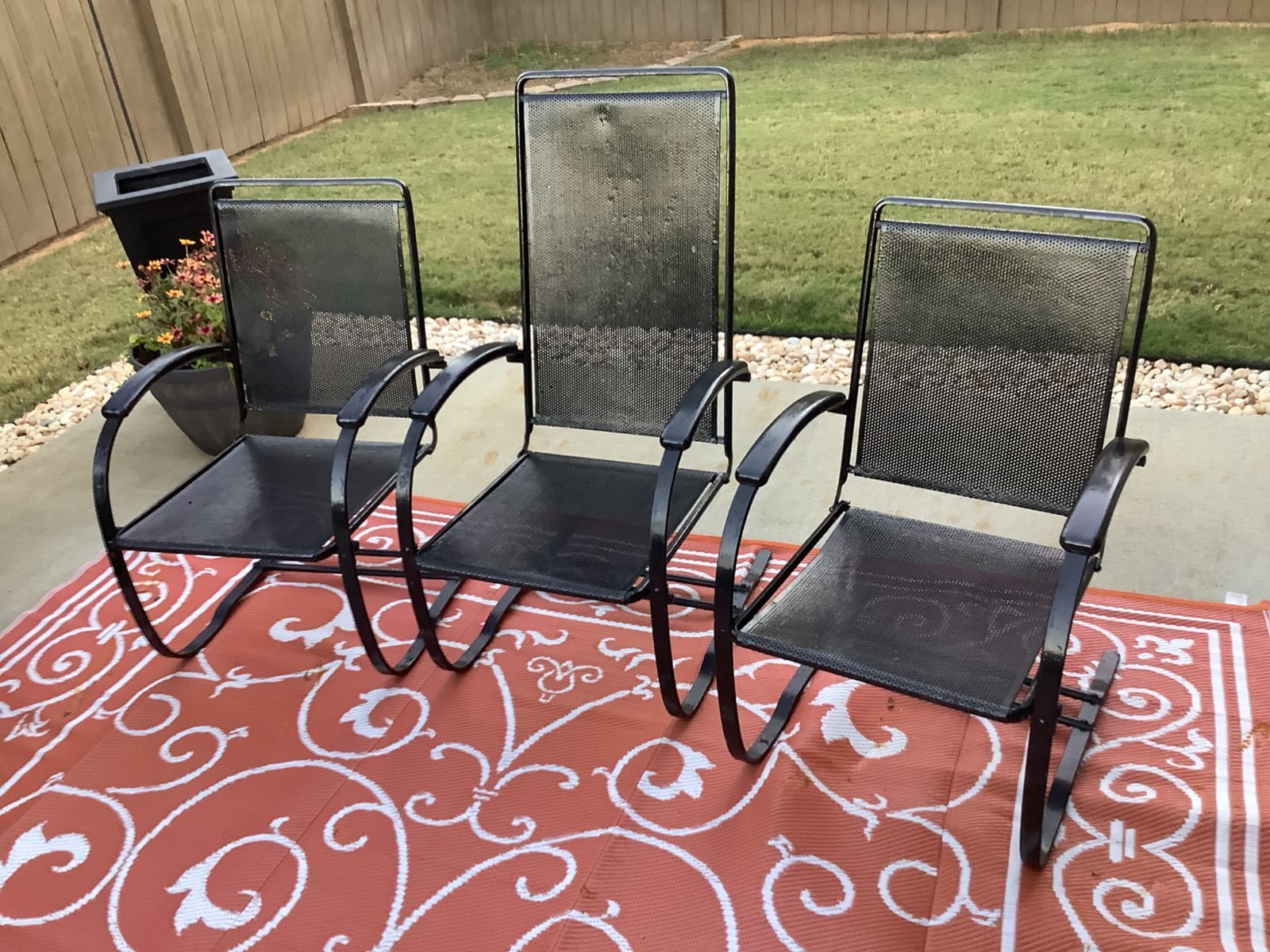
Set of three mid-century modern metal rocking lounge chairs
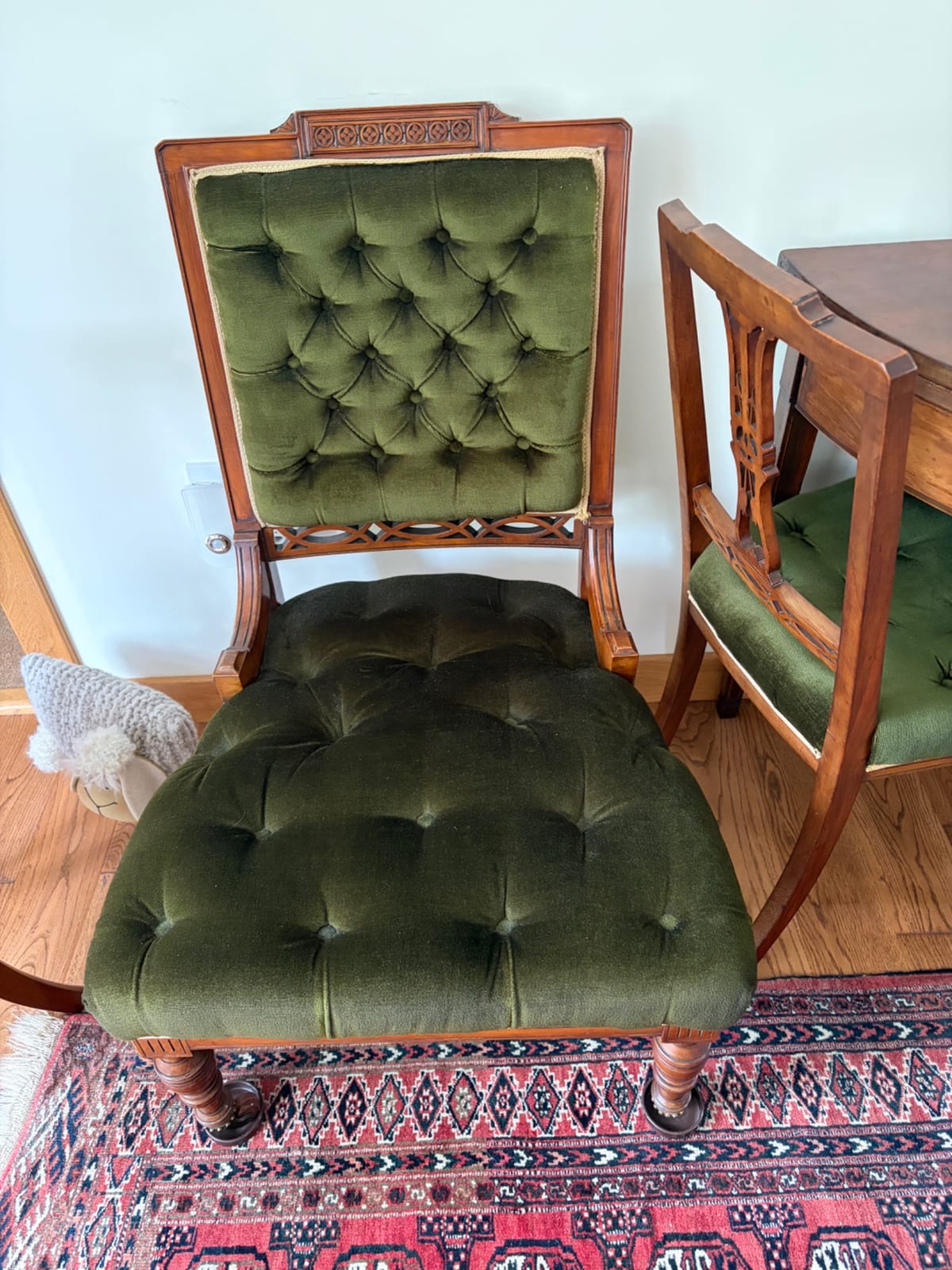
Victorian/Edwardian-style upholstered side chair or parlor chair