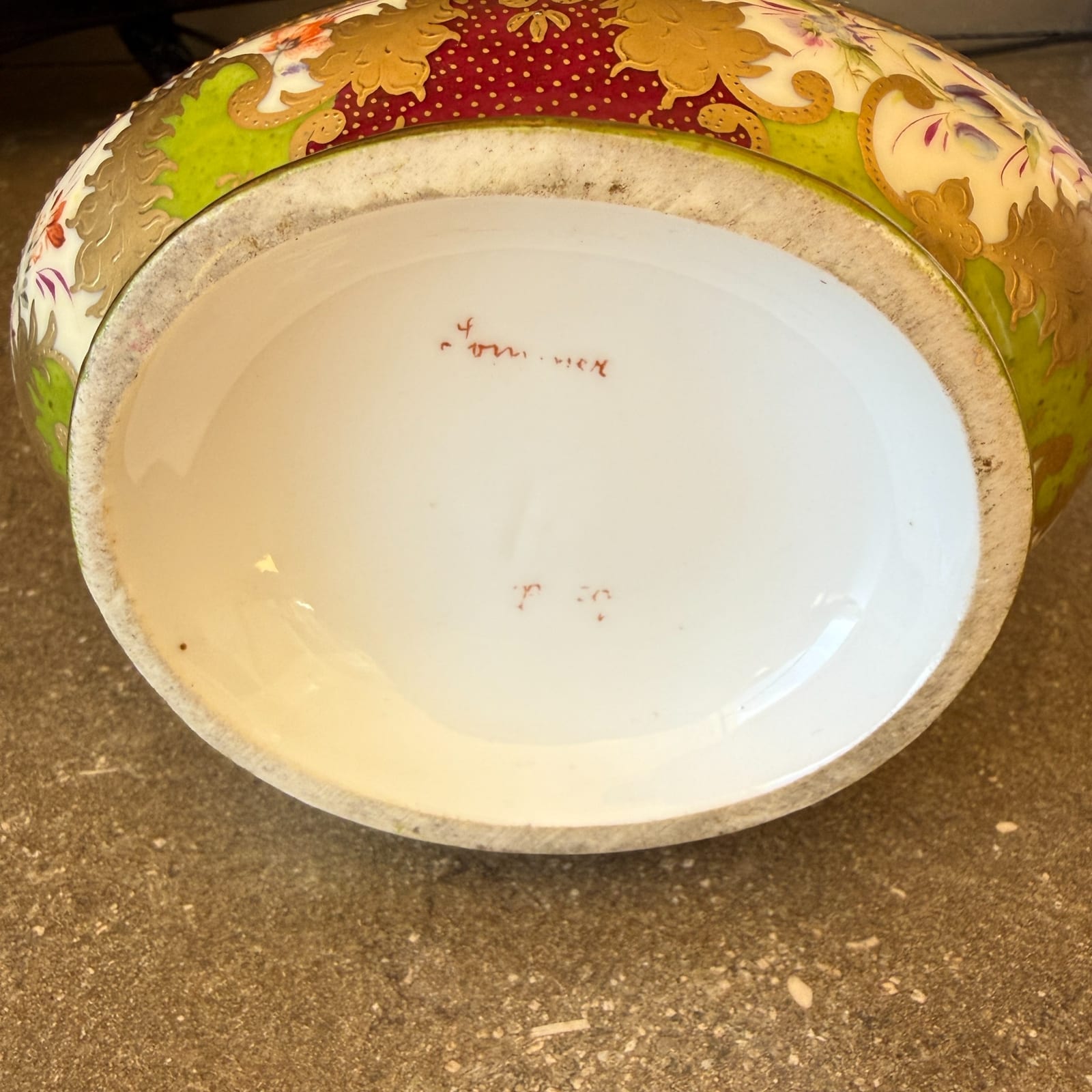
Decorative hand-painted porcelain bowl or vase base
Estimated Value
$75-$250
This appears to be a finely decorated porcelain vessel, likely a bowl, vase, or covered jar base, with elaborate polychrome enamel work and extensive gilt ornamentation. The exterior features a rich palette of red, green, cream, and gold with floral motifs and scrolling decorative elements typical of export decorative porcelain. The underside is unglazed around the foot ring and bears faint red hand-painted marks or a partial signature/mark, though it is too unclear to identify confidently. The craftsmanship suggests a decorative rather than utilitarian piece, with emphasis on ornate surface design and gilded embellishment.
Era
Late 19th century to early 20th century, likely Victorian/Edwardian period
Origin
Likely China or Japan, possibly export porcelain for the Western market
Material
Porcelain with overglaze enamel decoration and gilding
Condition
Fair. Visible wear to the foot rim, surface grime/discoloration, and possible age-related rubbing to the gilding. No obvious major cracks visible in the image, but the base shows significant use and wear.
Physical Details
Dimensions
Approximately 8-12 inches in diameter; height unknown from the image
Weight
Medium
Authentication
Authenticity Score
Medium. The hand-painted decoration, gilding, and wear are consistent with an older porcelain piece, but the exact maker, origin, and date cannot be confirmed from this single image and the base mark is illegible.
Provenance
Likely made for export to Europe or North America, possibly from a Chinese or Japanese porcelain workshop. The faint base marks may indicate a workshop or decorator's mark, but they are not legible enough to attribute securely.
Historical Significance
Decorative export porcelains of this type reflect the strong trade in luxury ceramics between East Asia and Western markets in the late 19th and early 20th centuries. Pieces with elaborate enamel and gilt decoration were popular as display objects and often copied across multiple workshops, making precise attribution important for value.
Restoration Notes
- •No clear restoration visible in the image
- •Possible surface wear and grime on the foot rim
- •Gilding shows age-related rubbing
This identification and value range are AI-generated research aids, not authentication, certification, or a formal appraisal. Learn about the limitations and when to consult a qualified professional appraiser.
Research this item further
Related Identifications
Browse all →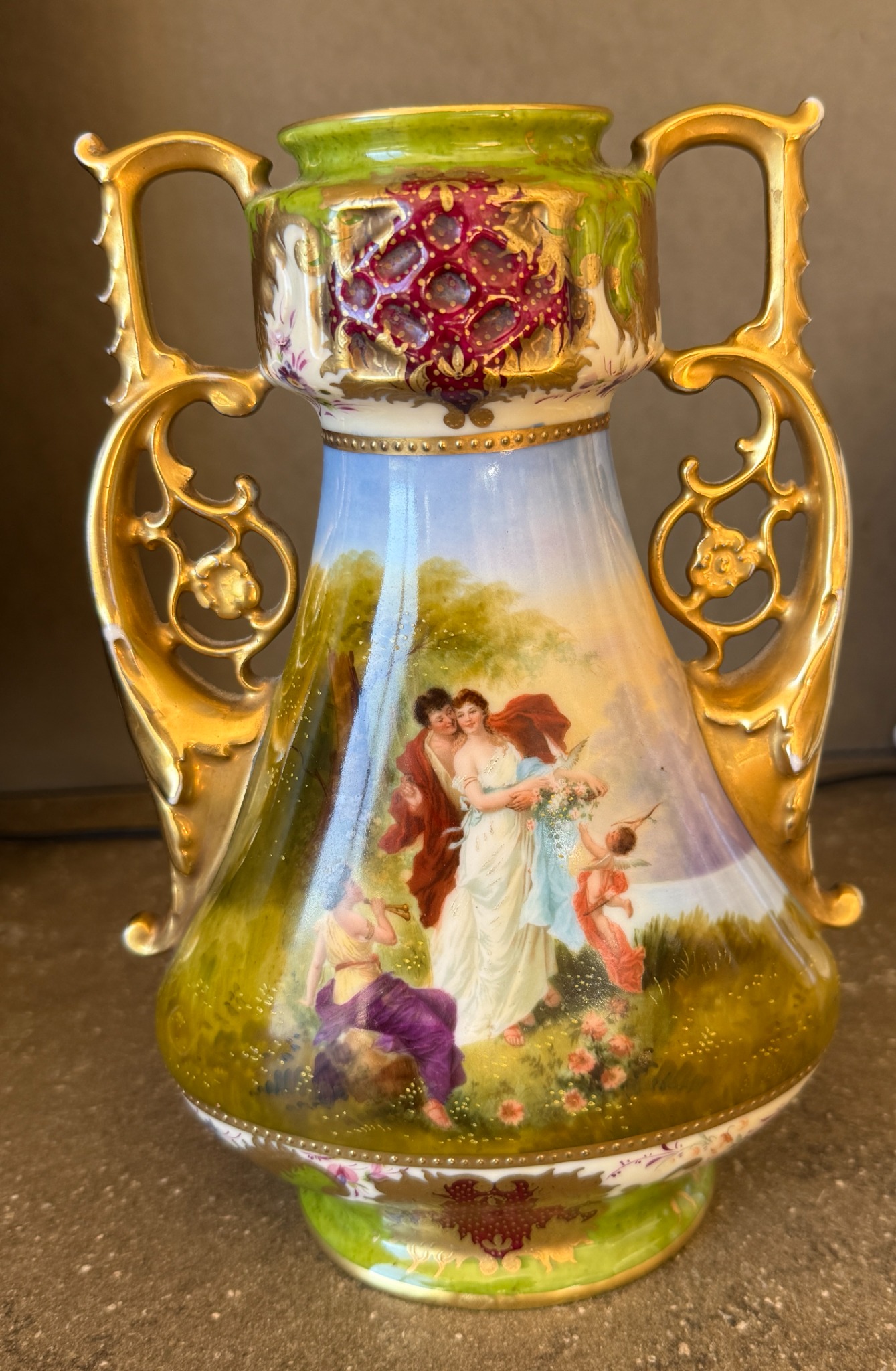
Decorative porcelain twin-handled vase or urn
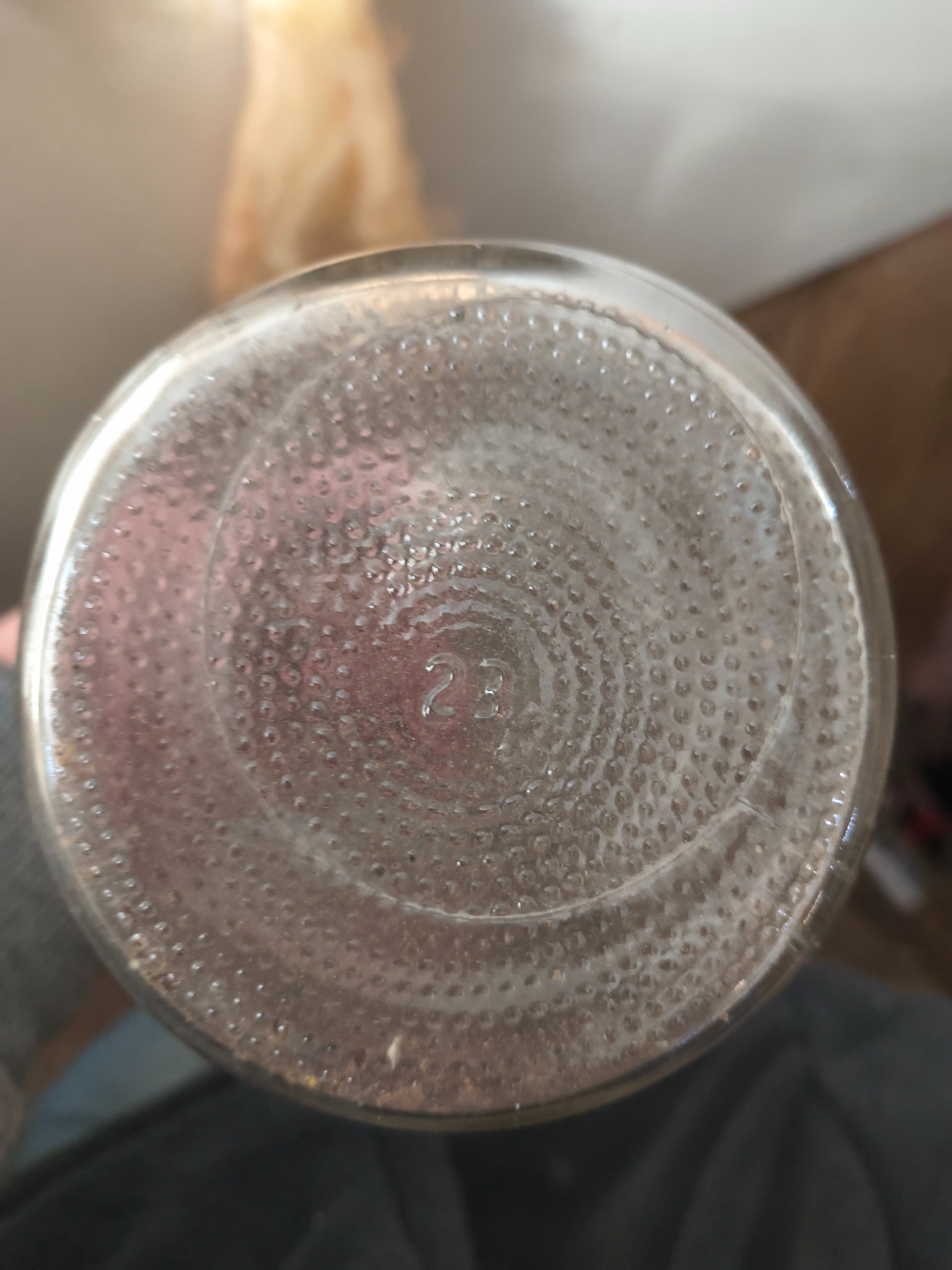
Hammered metal vessel or utensil base with stamped number "23"
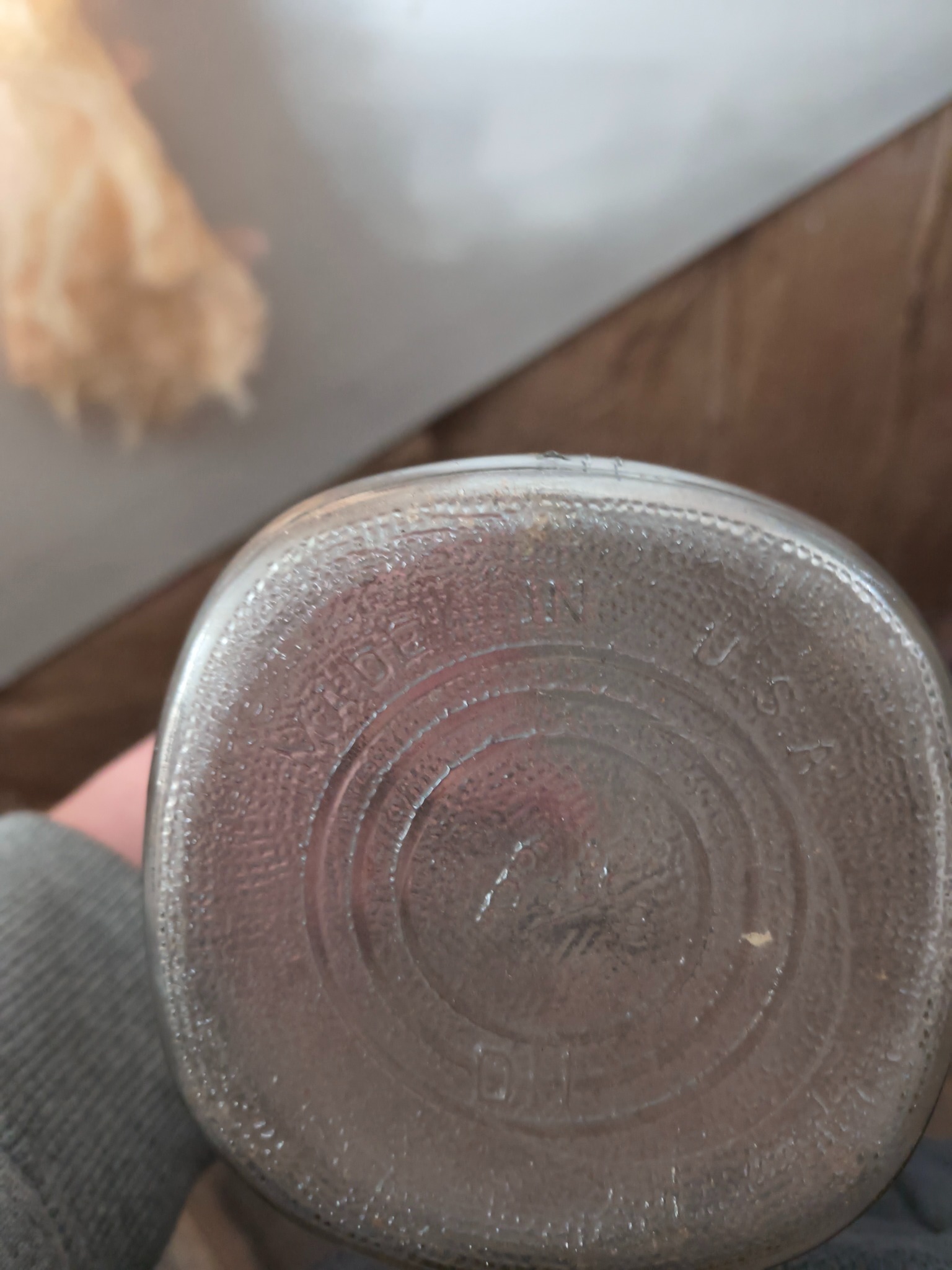
Embossed glass bottle or jar base (likely soda/mineral water bottle)
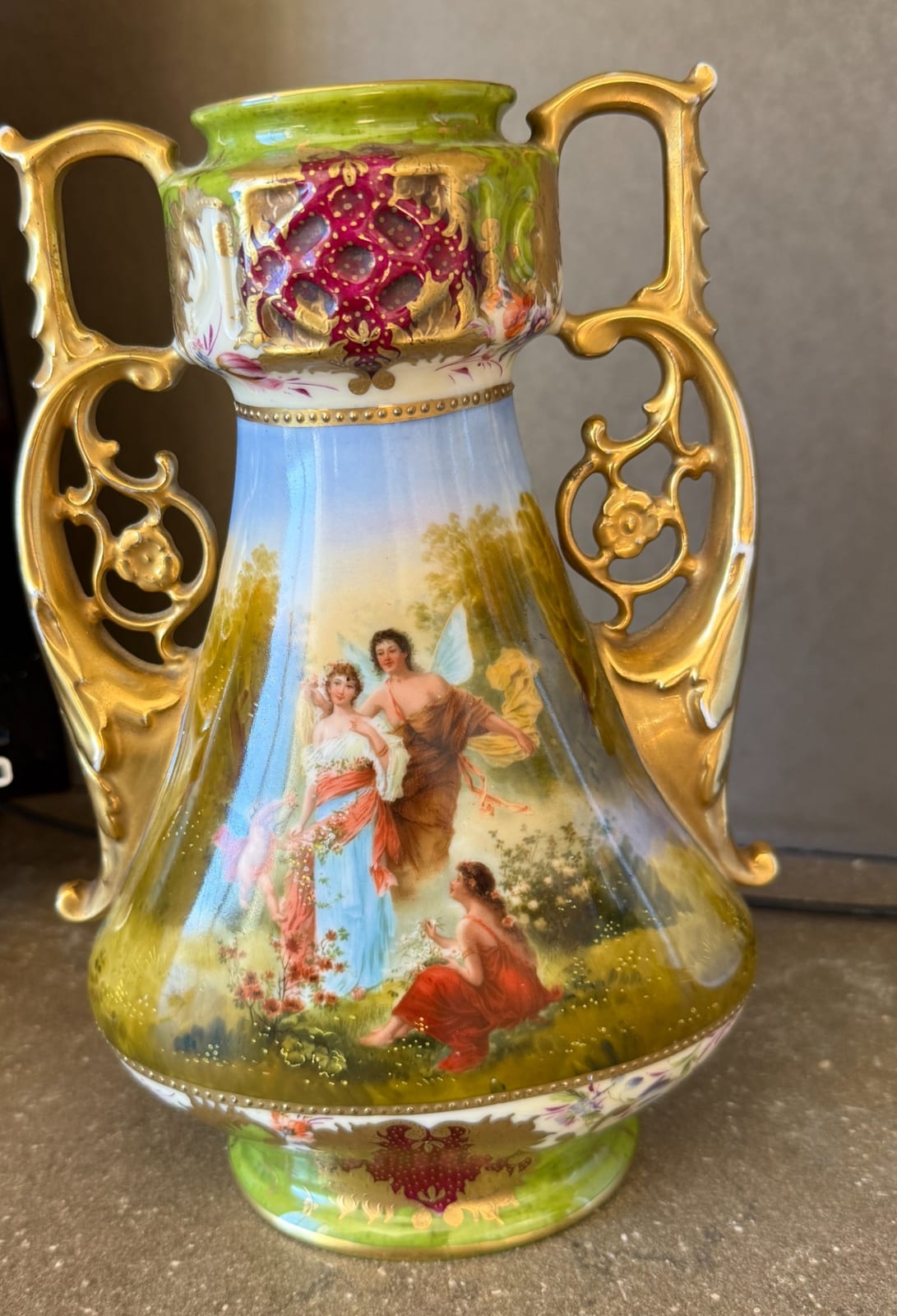
Ornate hand-painted porcelain ewer or decorative vase with gilt openwork handles
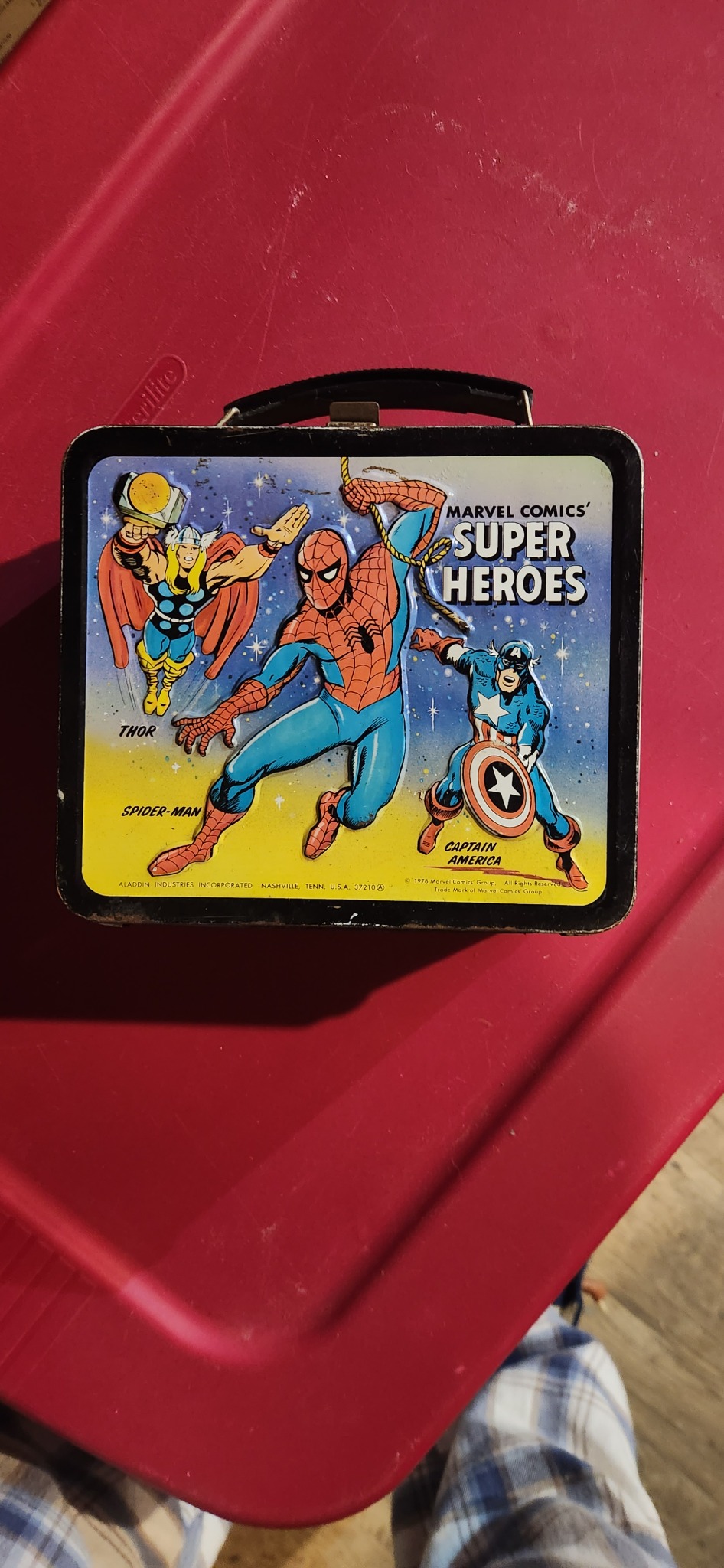
Marvel Comics Super Heroes metal lunchbox
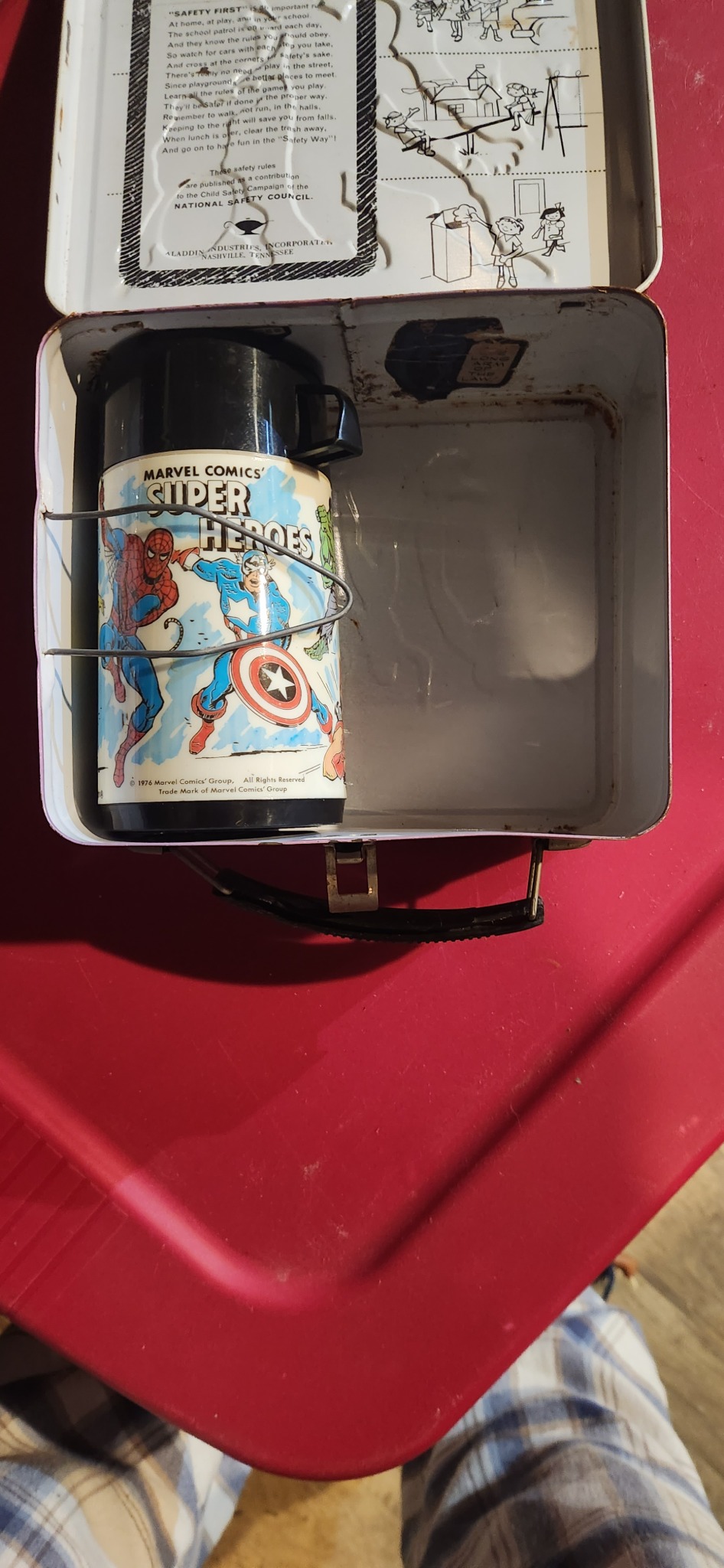
Vintage Marvel Comics 'Spider Heroes' thermos in lunchbox
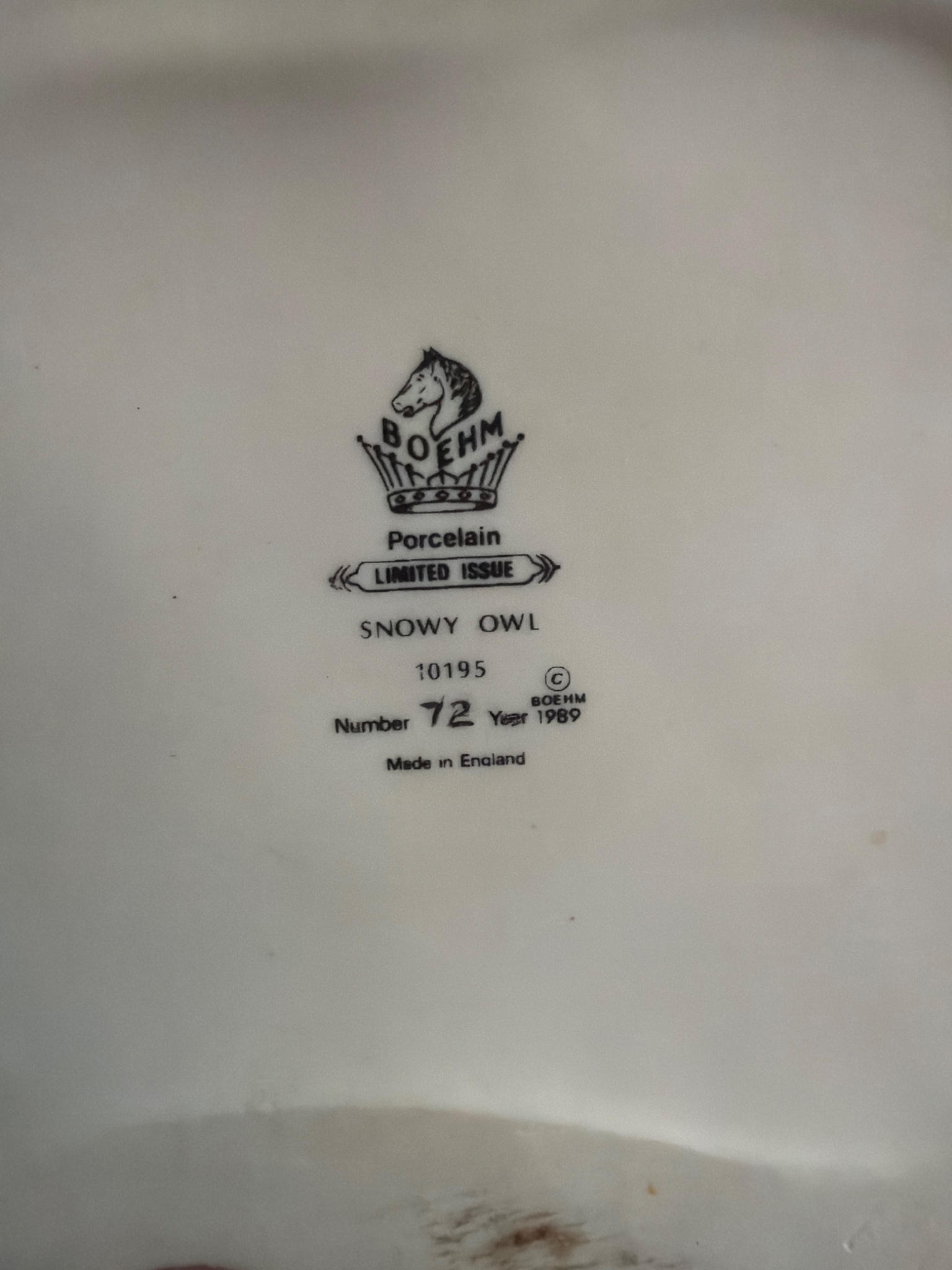
Boehm Porcelain Limited Issue "Snowy Owl" figurine/plaque