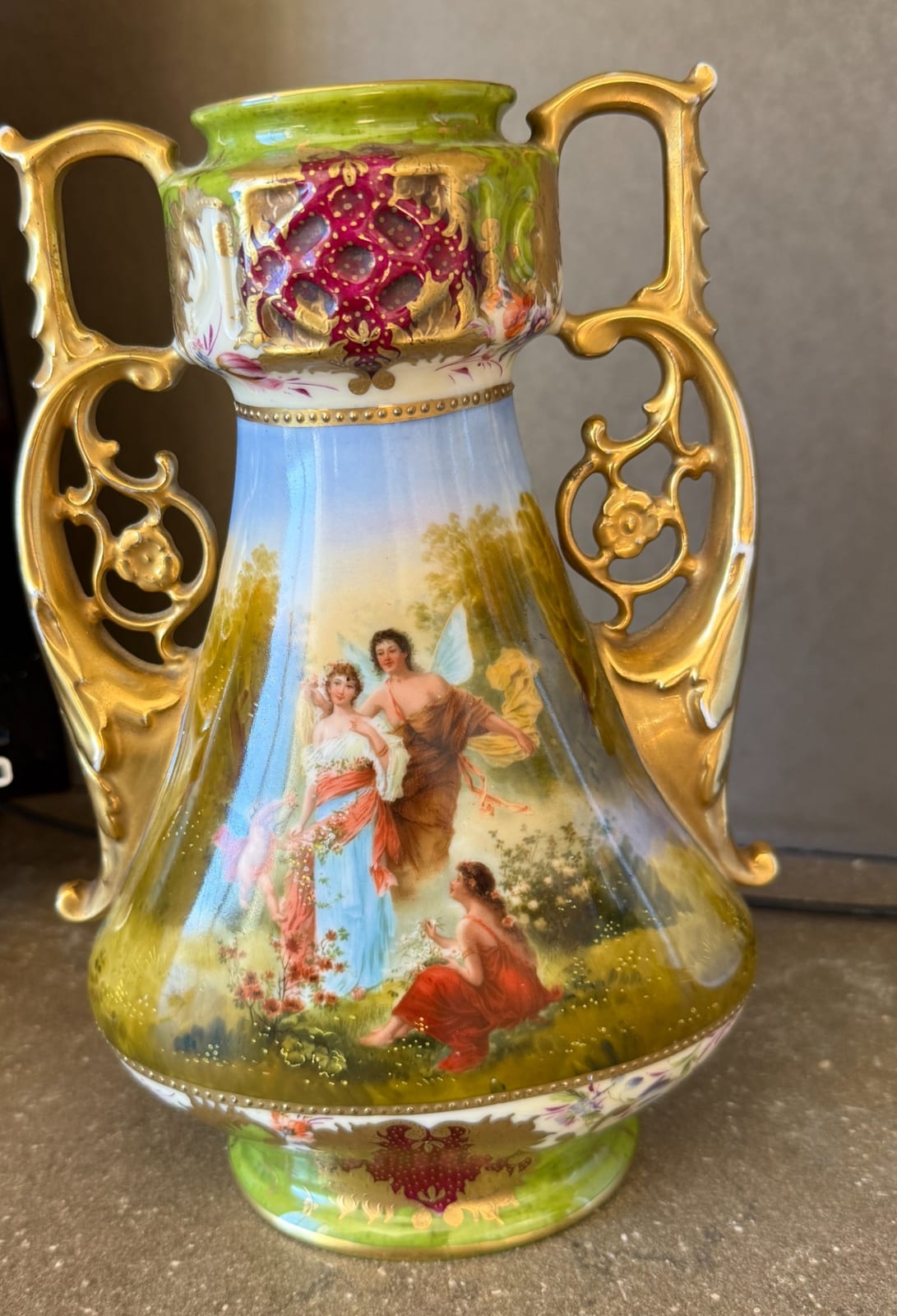
Ornate hand-painted porcelain ewer or decorative vase with gilt openwork handles
Estimated Value
$150-$450
A highly decorative porcelain ewer or vase featuring elaborate gilt openwork handles, a flared neck, and a bulbous body tapering to a pedestal foot. The surface is richly embellished with hand-painted figural scenes of classical-style winged figures and floral motifs. The upper neck and lower body display vivid green, magenta, and gold ornamentation with raised gilt detailing. The piece reflects the ornate aesthetic popular in late 19th- and early 20th-century decorative porcelain, likely intended as a display object rather than utilitarian tableware.
Era
Late Victorian to Edwardian period, approximately 1890s-1910s
Origin
Likely Continental Europe, possibly Germany or Austria; exact maker unknown
Material
Porcelain with heavy gilt decoration and hand-painted enamel accents
Condition
Good overall condition with visible surface wear to gilding and possible age-related rubbing; no obvious major chips or cracks visible from the image, though underside and handle junctions should be inspected for hidden damage
Physical Details
Dimensions
Approximately 10-14 inches tall, with a width across handles of about 8-10 inches
Weight
Medium
Authentication
Authenticity Score
Medium - the craftsmanship appears consistent with period decorative porcelain, but the exact maker, age, and originality cannot be confirmed from the single image and no mark is visible
Provenance
Likely produced by a European porcelain factory catering to export or decorative luxury markets; no visible maker's mark is apparent in the image, so precise provenance cannot be confirmed
Historical Significance
Pieces of this type reflect the late Victorian and Edwardian taste for elaborate, revivalist decorative arts, combining neoclassical figural imagery with lavish gilding and ornate form. Such objects were often produced for affluent households and display cabinets, and they illustrate the era's fascination with luxury porcelain and decorative excess.
Restoration Notes
- •No obvious restoration is visible in the image
- •Possible minor gilt wear and surface rubbing consistent with age
- •Handle edges and high-relief areas may have been retouched, but this cannot be confirmed visually
This identification and value range are AI-generated research aids, not authentication, certification, or a formal appraisal. Learn about the limitations and when to consult a qualified professional appraiser.
Research this item further
Related Identifications
Browse all →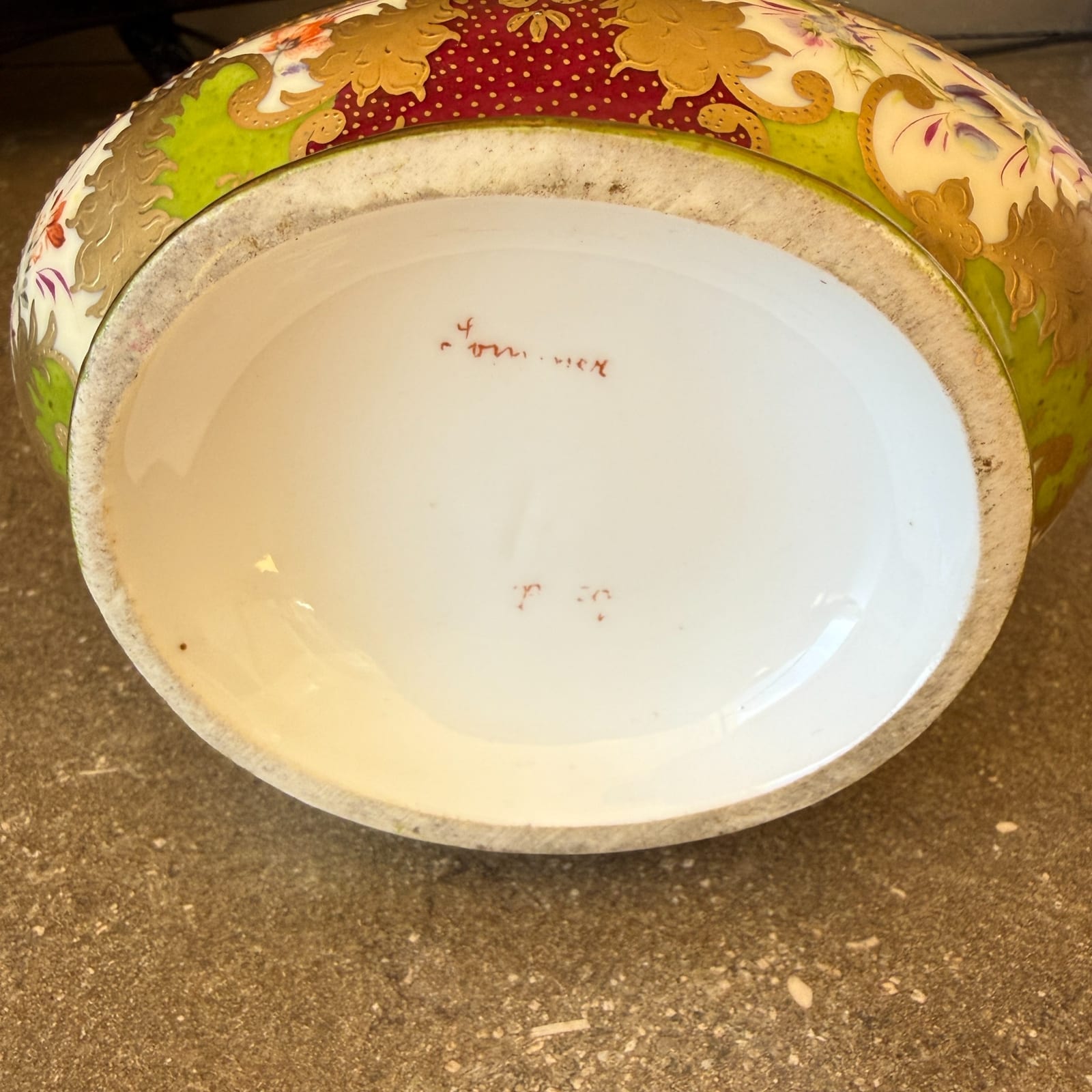
Decorative hand-painted porcelain bowl or vase base
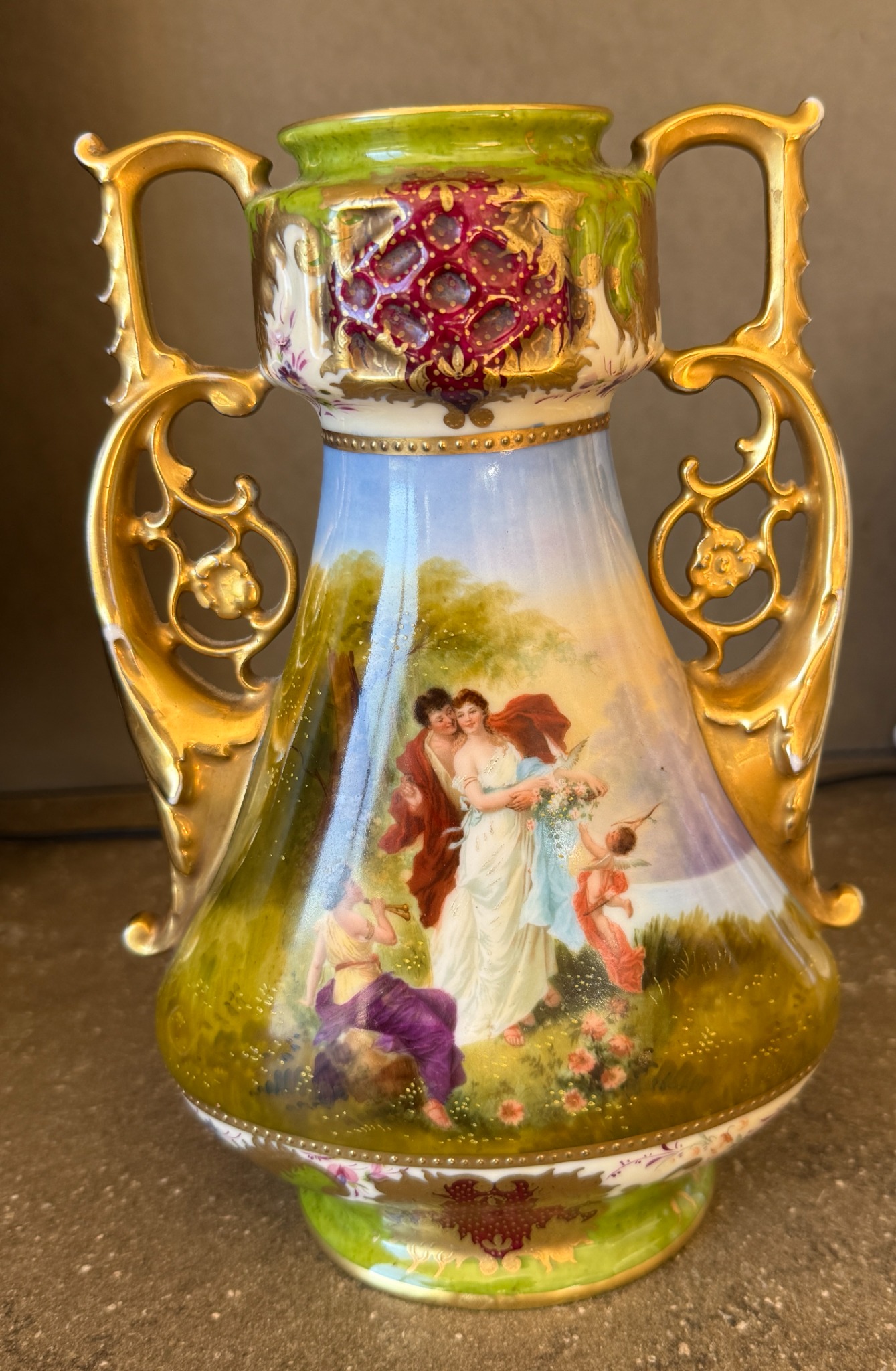
Decorative porcelain twin-handled vase or urn
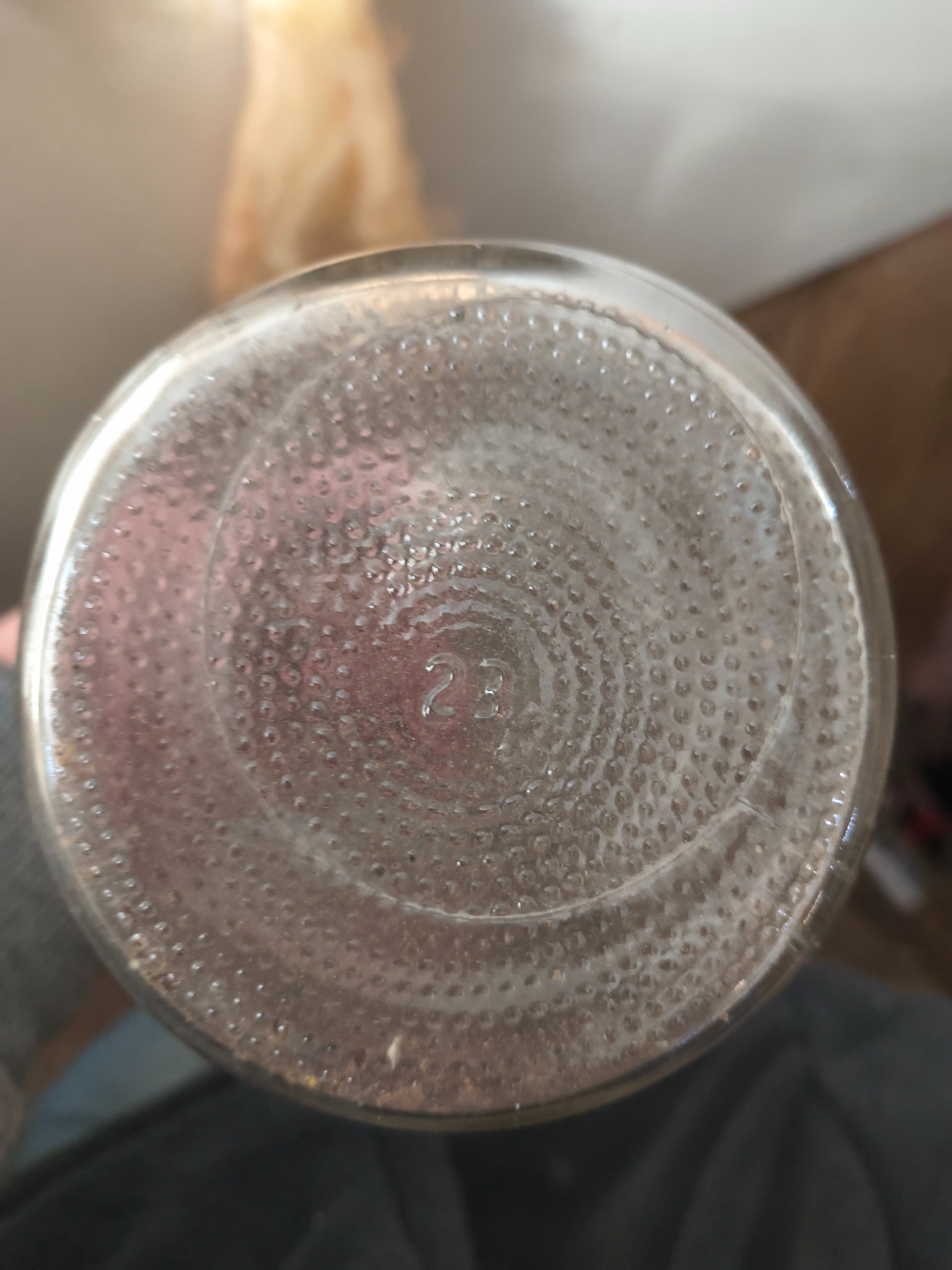
Hammered metal vessel or utensil base with stamped number "23"
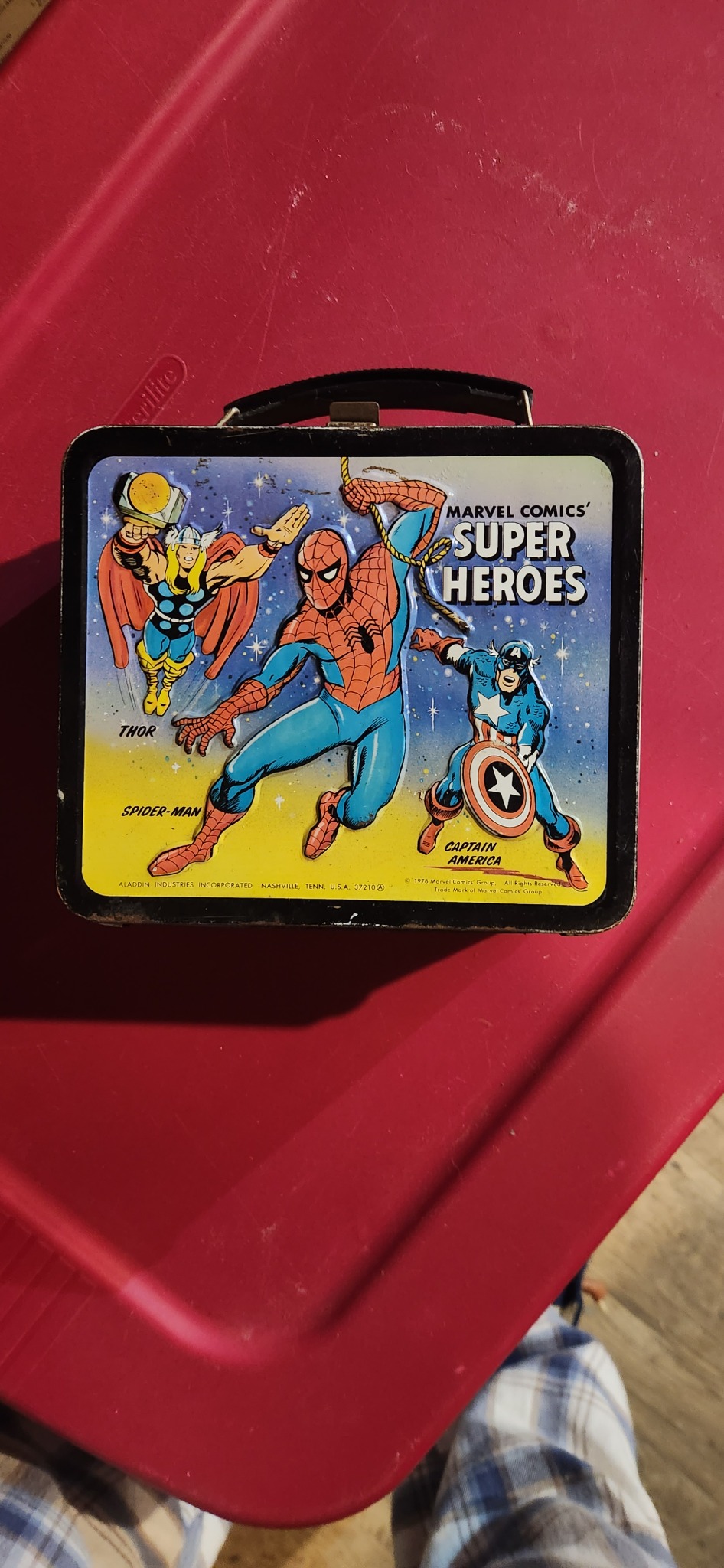
Marvel Comics Super Heroes metal lunchbox
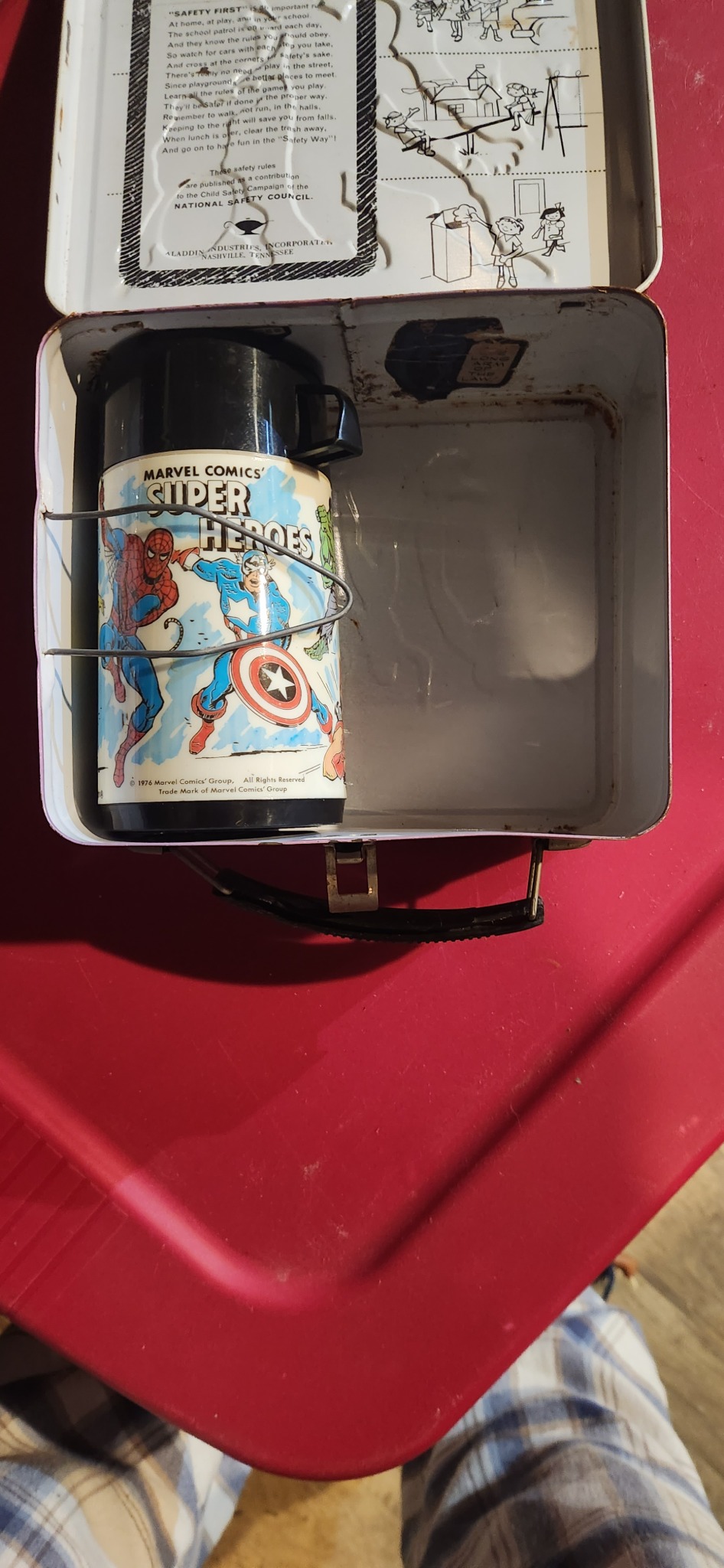
Vintage Marvel Comics 'Spider Heroes' thermos in lunchbox
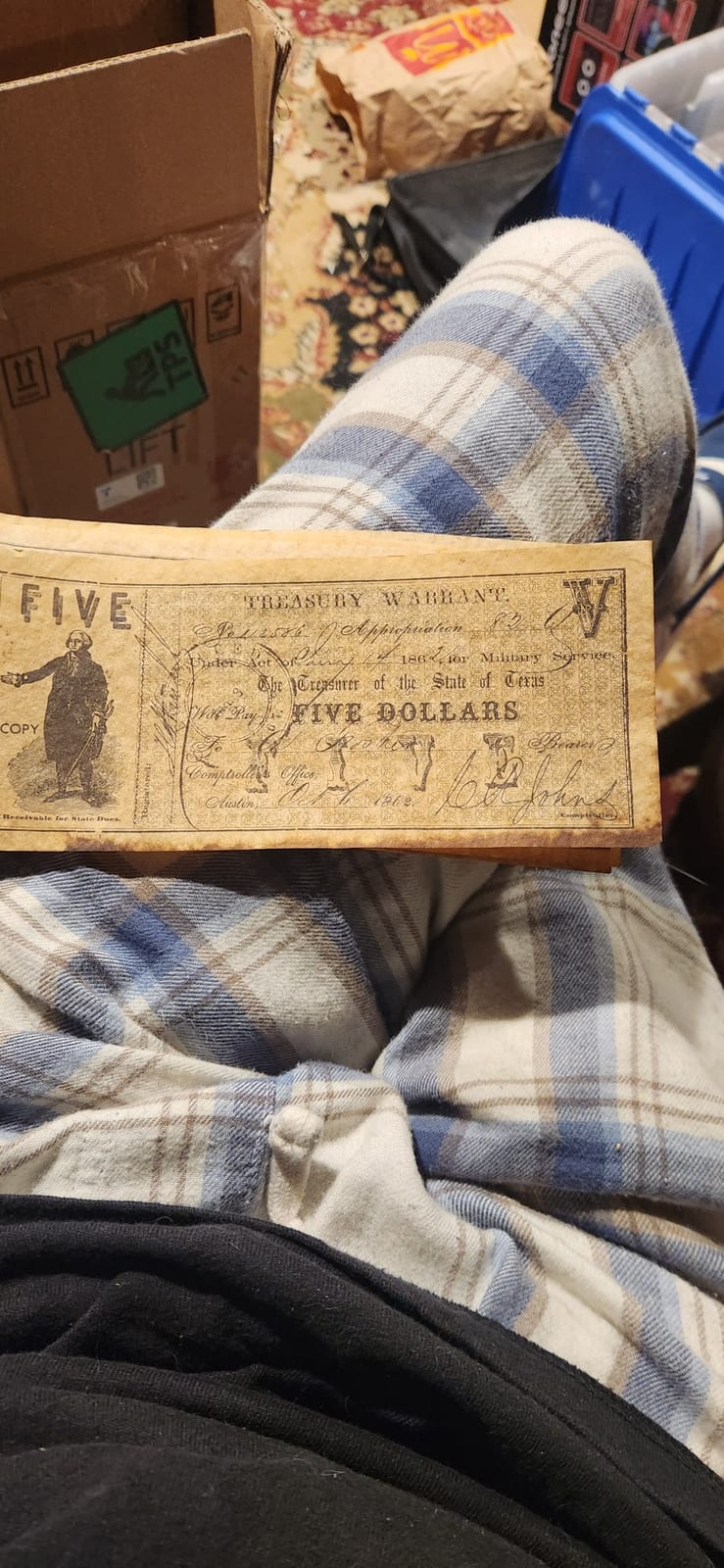
Confederate States of America Treasury Warrant / State of Texas military service payment document
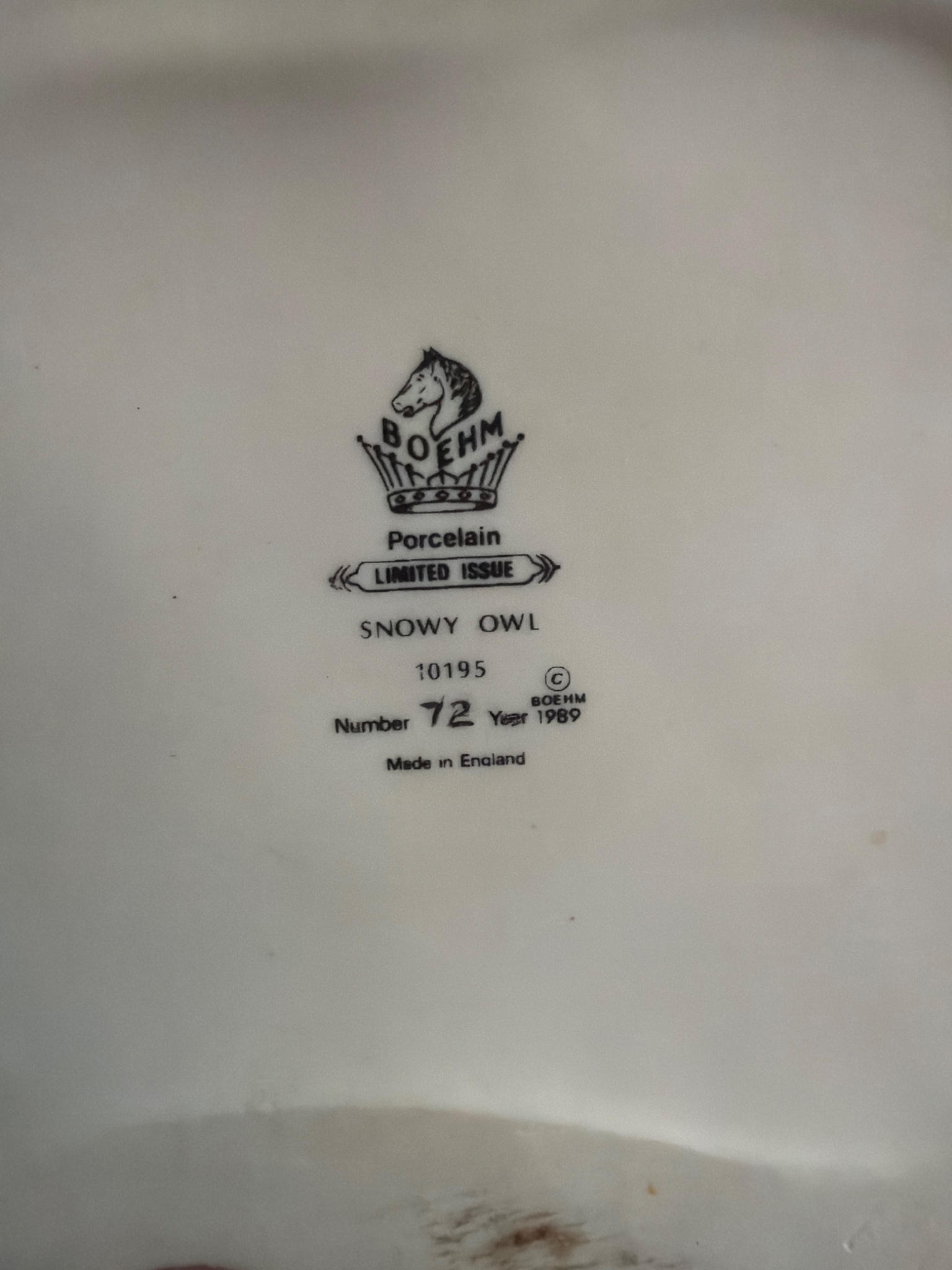
Boehm Porcelain Limited Issue "Snowy Owl" figurine/plaque