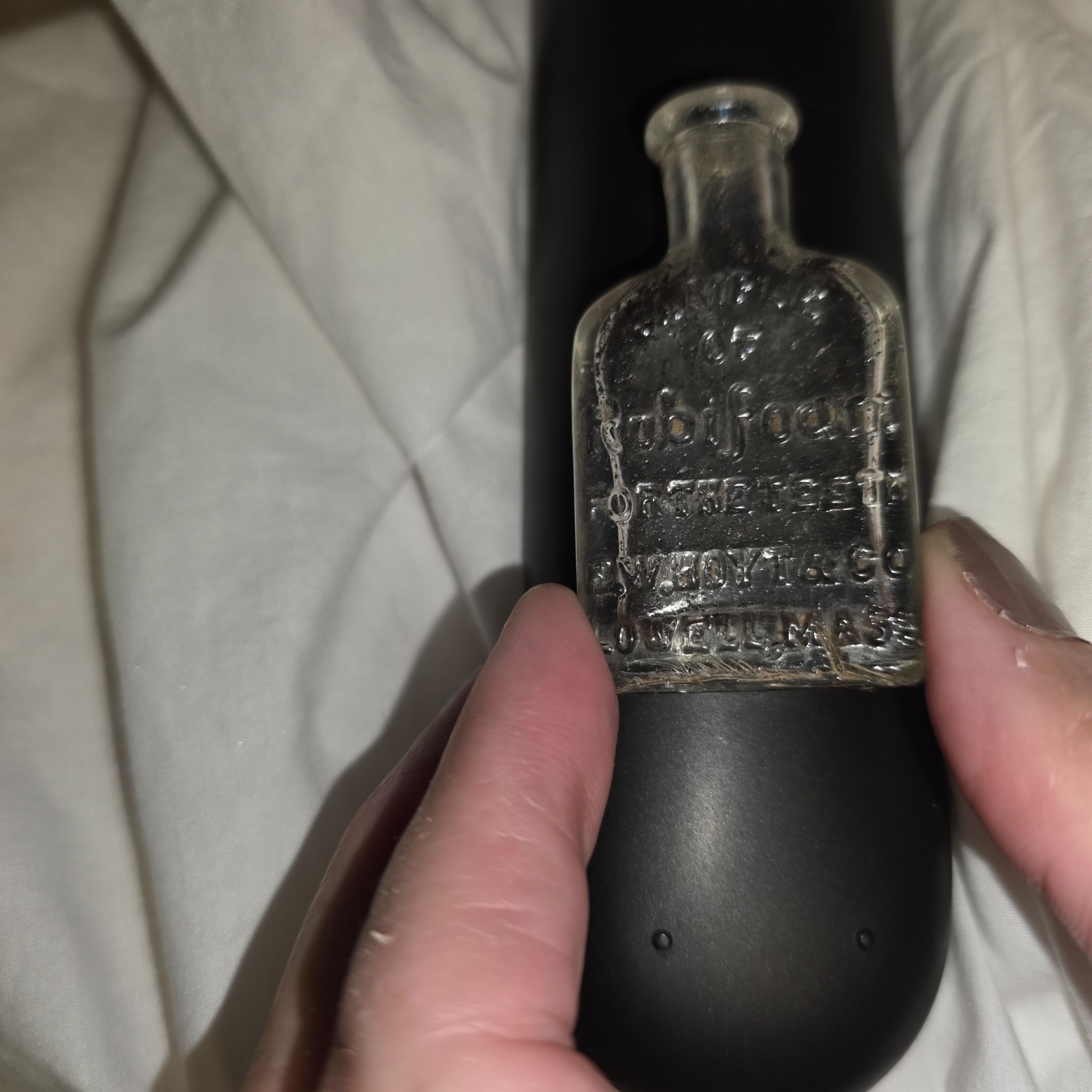
Embossed glass medicine bottle (likely patent medicine or pharmacy bottle)
Estimated Value
$10-$40 USD
Small clear glass bottle with a short neck and rounded shoulders, embossed with multiple lines of text. The lettering appears to include a maker or product name and a location line, with fragments visible such as '...boyl...,' '...W. H. & Co,' and '...WELL, MASS.' The bottle has the look of an old patent medicine, pharmacy, or chemical bottle, likely machine-made or transitional molded glass. The embossing is raised and fairly deep, suggesting mass production rather than hand-blown artisan glass. The form is utilitarian and compact, consistent with a medicine or tonic bottle intended for retail sale.
Era
Late 19th century to early 20th century (approximately 1890s-1920s)
Origin
United States, likely a regional pharmacy/manufacturer bottle
Material
Clear molded glass
Condition
Fair to Good; visible surface wear, residue, and age-related clouding/scratching. No obvious major chips or cracks visible in the photo, but the bottle appears dirty and possibly lightly worn from use or storage.
Physical Details
Dimensions
Approximately 4 to 5 inches tall
Weight
Light
Authentication
Authenticity Score
Medium; the bottle appears genuinely old based on glass wear, embossing style, and form, but the exact identification cannot be confirmed from the visible text alone.
Provenance
Likely from a U.S. pharmaceutical or bottling company, possibly manufactured in or associated with Lowell, Massachusetts. Exact maker and product cannot be confirmed from the image alone due to partial obscured lettering.
Historical Significance
Patent medicine and pharmacy bottles are important artifacts of early commercial medicine and advertising history. Embossed bottles often reflect regional businesses, proprietary remedies, and the growth of mass-produced glass packaging in the late 19th and early 20th centuries.
This identification and value range are AI-generated research aids, not authentication, certification, or a formal appraisal. Learn about the limitations and when to consult a qualified professional appraiser.
Research this item further
Related Identifications
Browse all →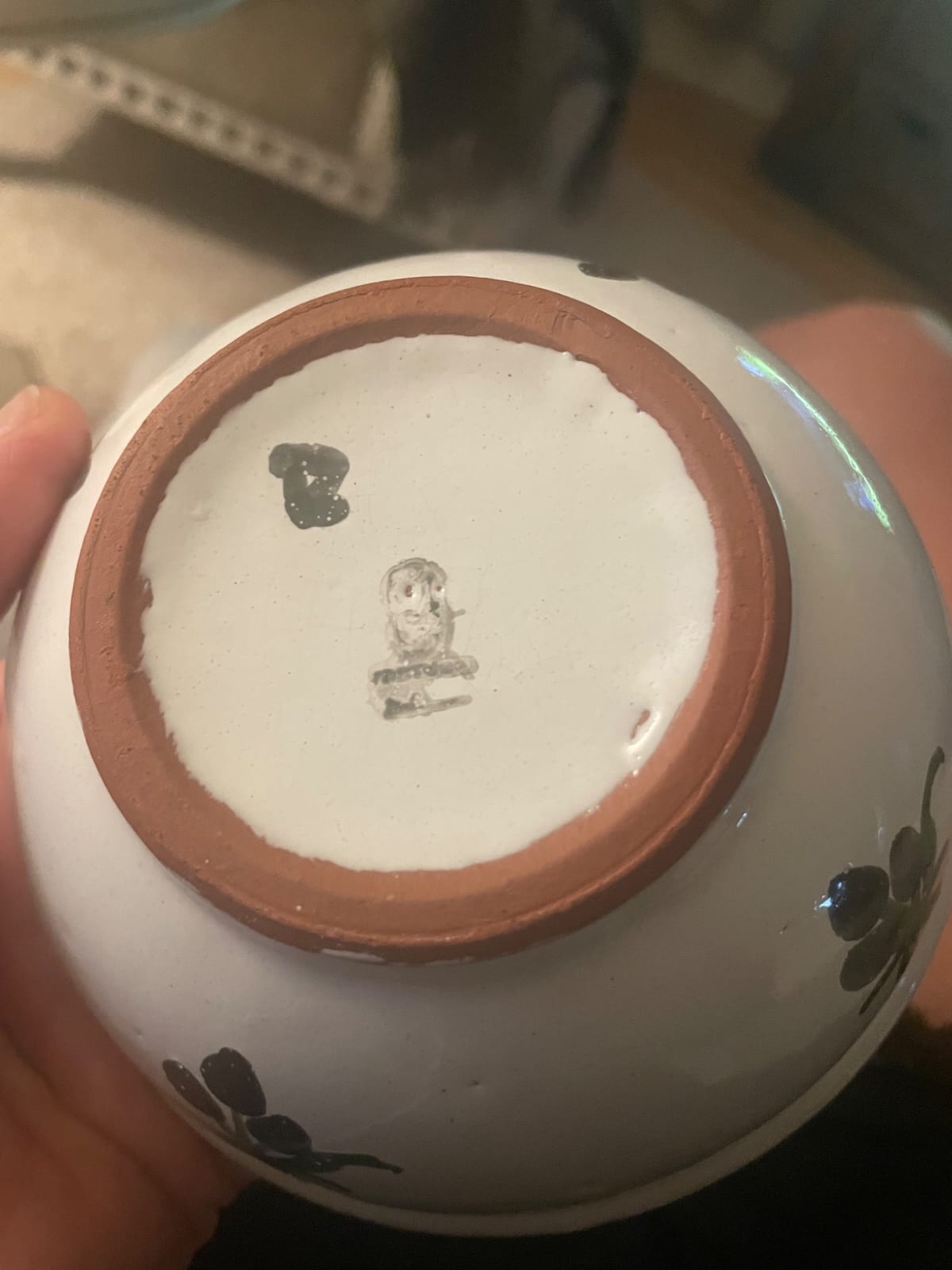
Small hand-painted ceramic bowl or tea bowl
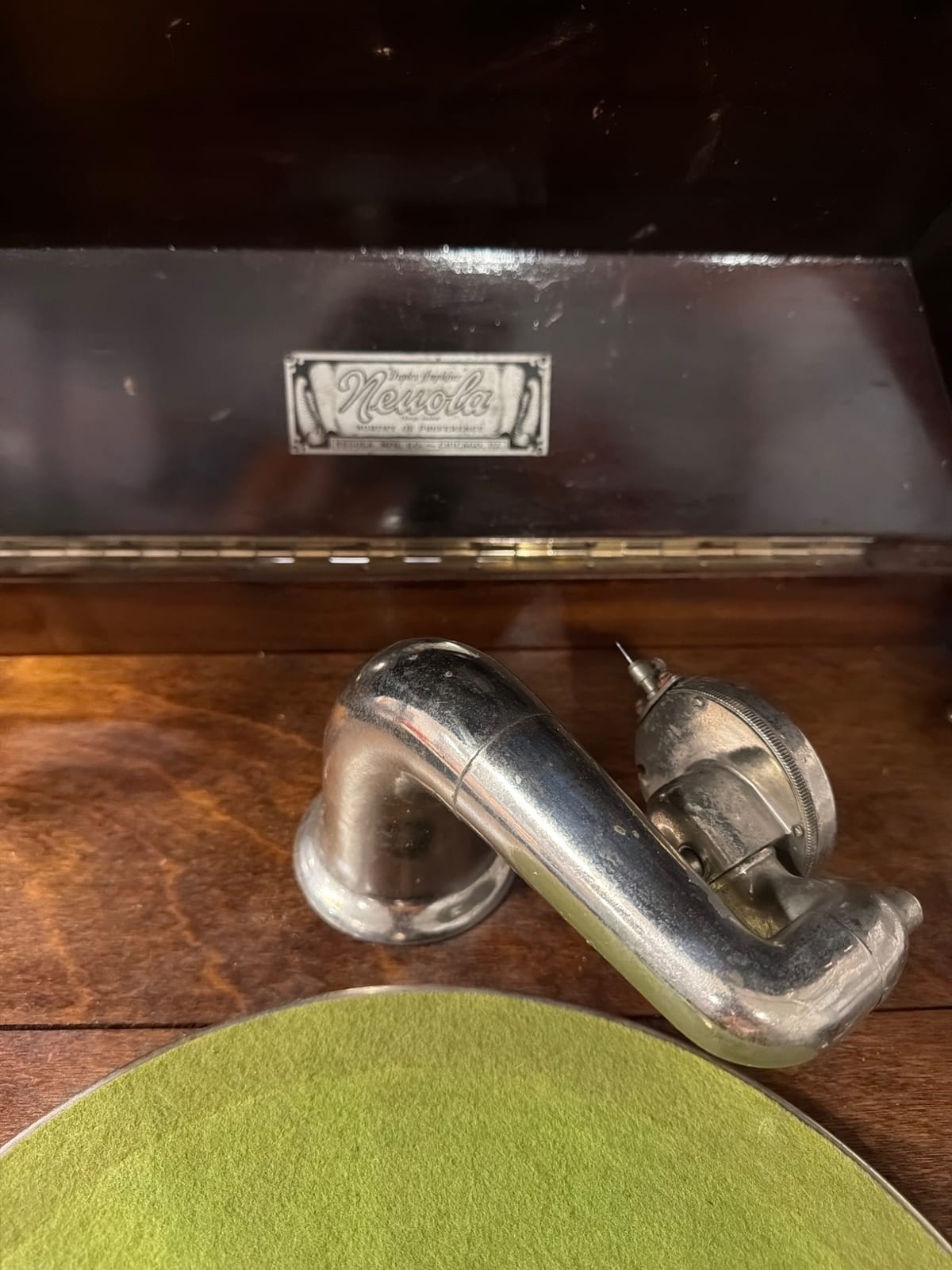
Neutrola branded phonograph/record player tonearm assembly
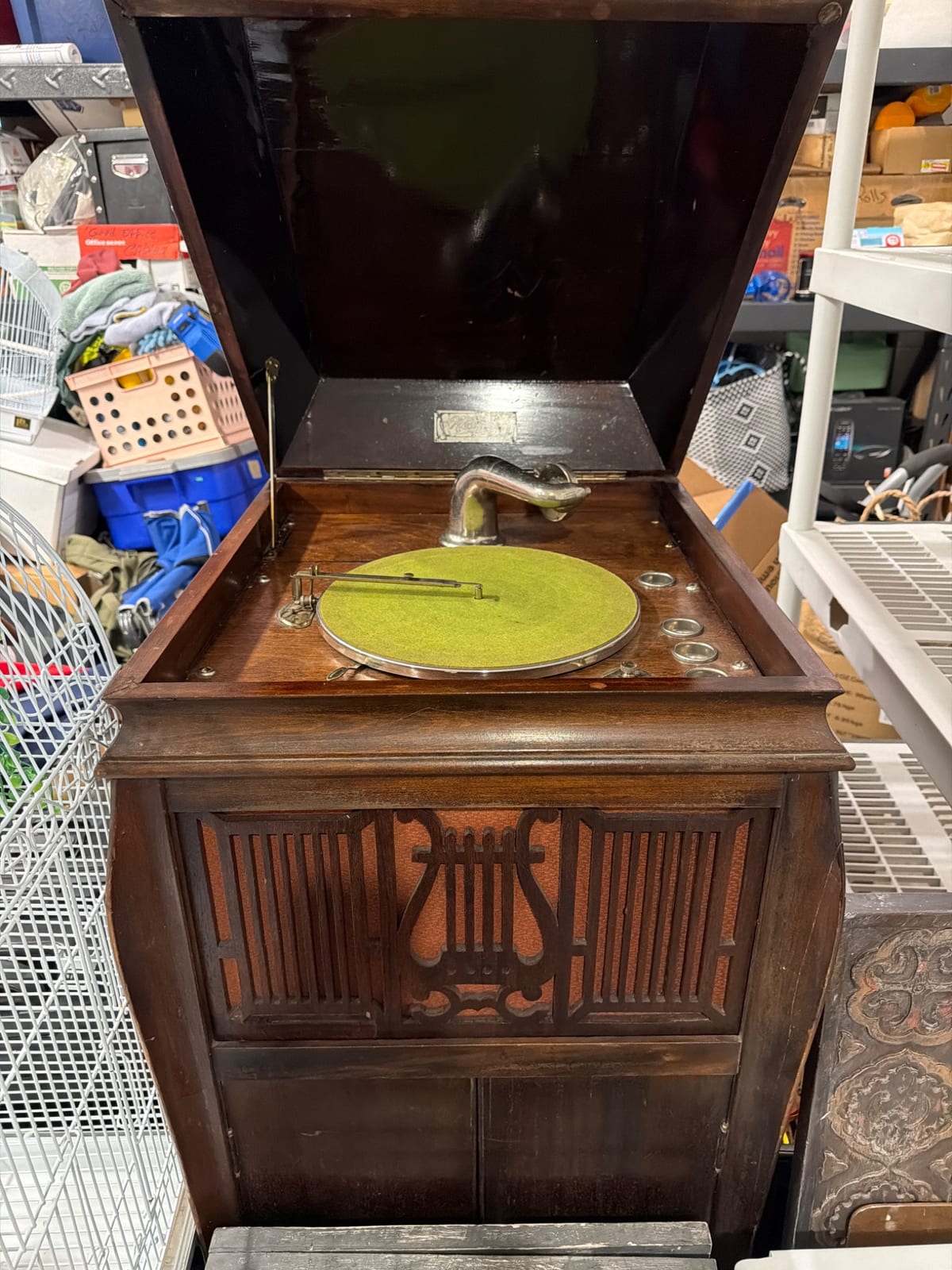
Cabinet gramophone / wind-up phonograph
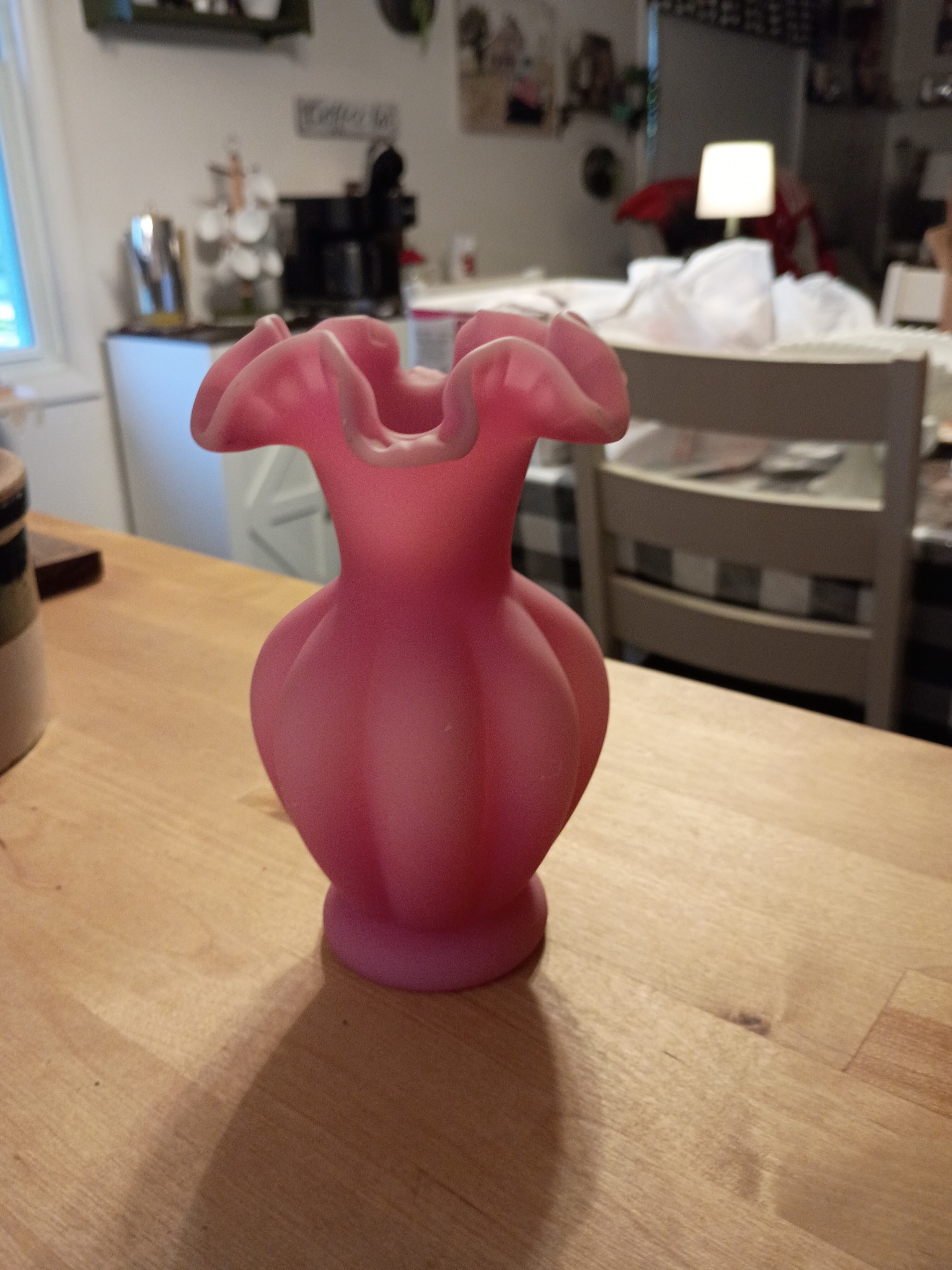
Frosted pink art glass vase with ruffled rim
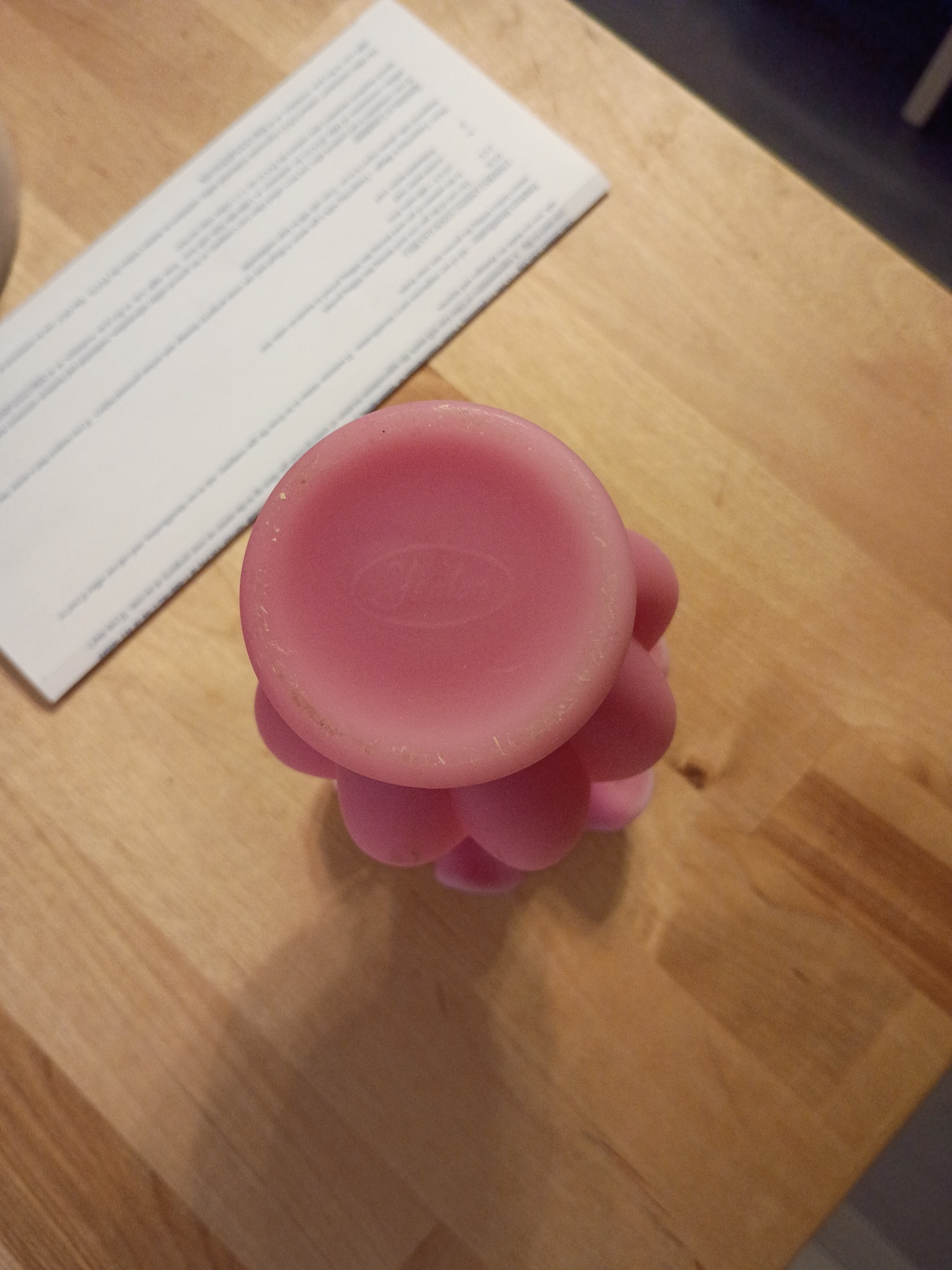
Pink molded glass candle holder or decorative glass votive/base
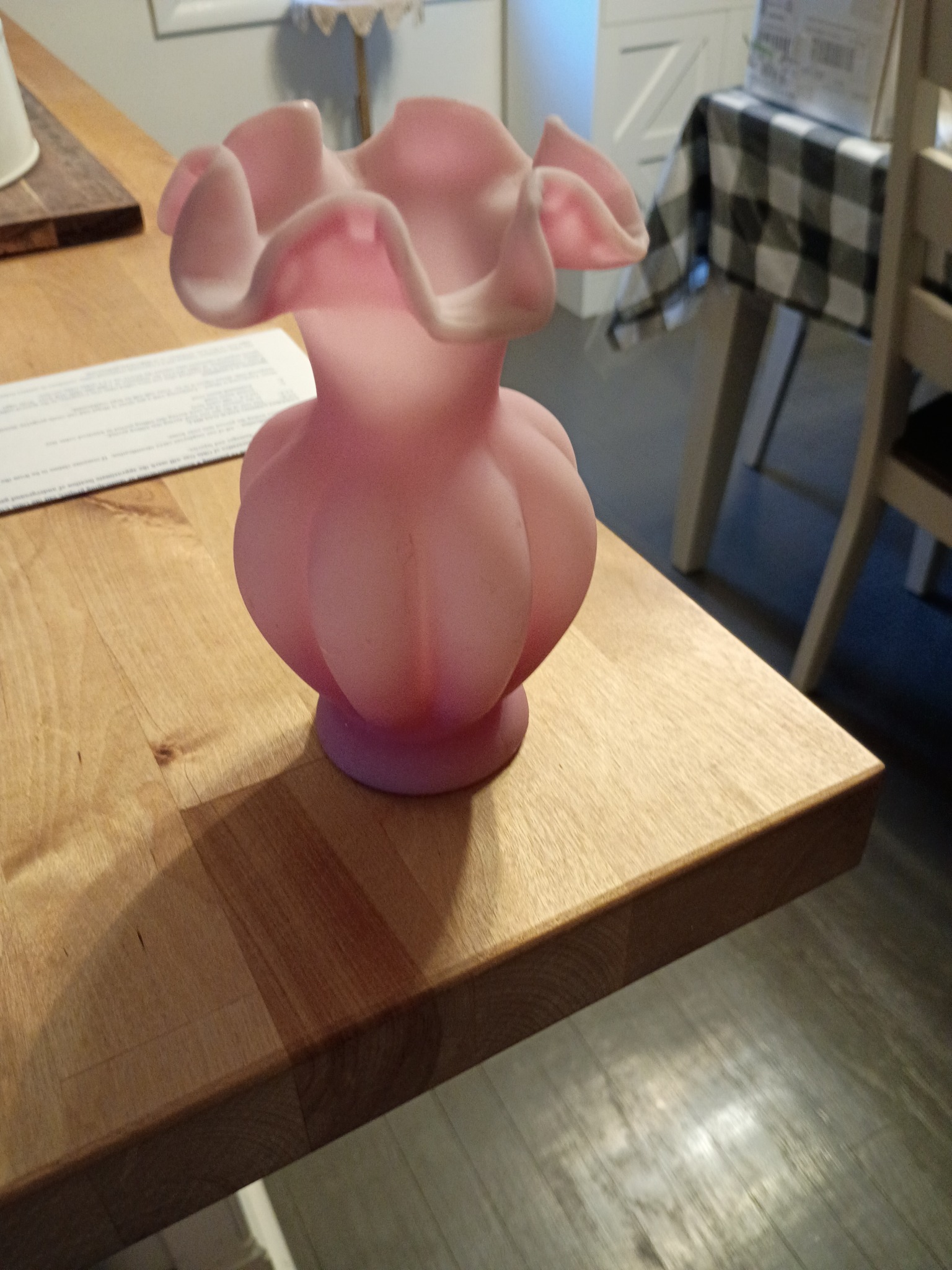
Frosted pink art glass vase