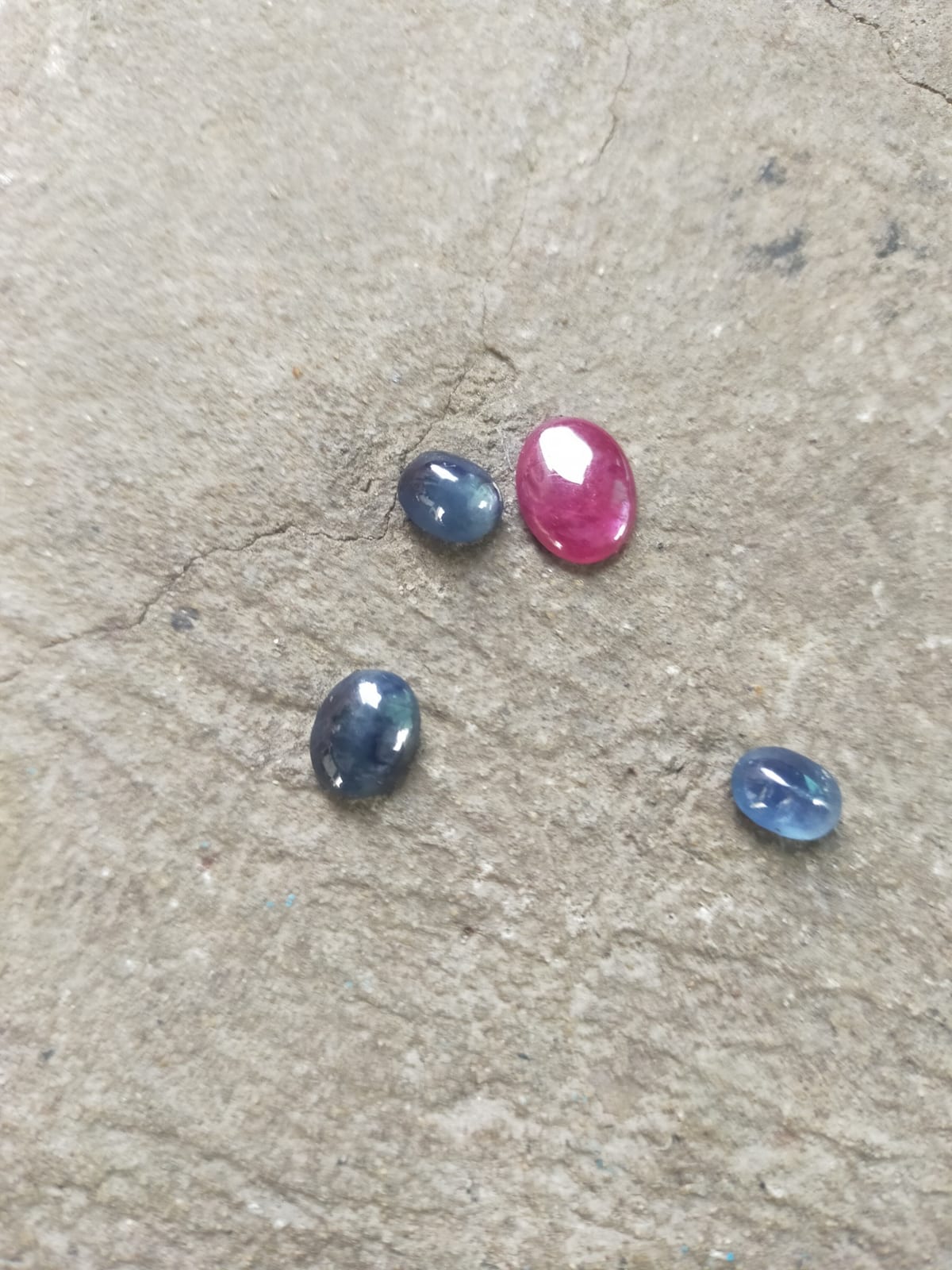
Loose polished cabochon gemstones (likely synthetic or low-grade natural stones)
Estimated Value
$10-$200 total for the group, depending on whether they are natural gemstones, treated stones, or glass/synthetic material
The image shows four oval cabochon-cut loose stones in blue, pink, and dark blue tones. They are smoothly polished with domed tops and flat or slightly rounded backs, suggesting they are intended for jewelry settings. The stones display varying translucency and internal inclusions, with the pink stone appearing the most vivid and the darker blue stones showing more cloudiness. Based on appearance alone, these could be natural semi-precious stones, heavily treated gems, or synthetic materials. No mounting, hallmark, or antique setting is visible, so they are best described as loose gemstone cabochons rather than antique jewelry.
Era
Contemporary / Modern
Origin
Unknown; likely commercially cut and polished, possibly from South Asia or East Asia
Material
Polished gemstone cabochons; exact species unknown (possibly sapphire, spinel, glass, or dyed quartz/corundum simulants)
Condition
Good overall; surfaces appear polished and intact with no obvious chips, but internal inclusions/cloudiness are visible in some stones
Physical Details
Dimensions
Largest stone approximately 12-16 mm long; smallest approximately 8-12 mm long
Weight
Light
Authentication
Authenticity Score
Low to Medium; the stones appear genuine in form as polished cabochons, but the exact material cannot be confirmed from the image and could include synthetic or imitation stones
Provenance
Unknown; no identifying marks or contextual evidence visible. Likely modern lapidary or jewelry trade origin.
Historical Significance
Loose cabochon gemstones are widely used in jewelry making and lapidary work. While the stones themselves are not clearly antique, cabochon cutting is a traditional gemstone style used for centuries, especially for opaque or included stones.
This identification and value range are AI-generated research aids, not authentication, certification, or a formal appraisal. Learn about the limitations and when to consult a qualified professional appraiser.
Research this item further
Related Identifications
Browse all →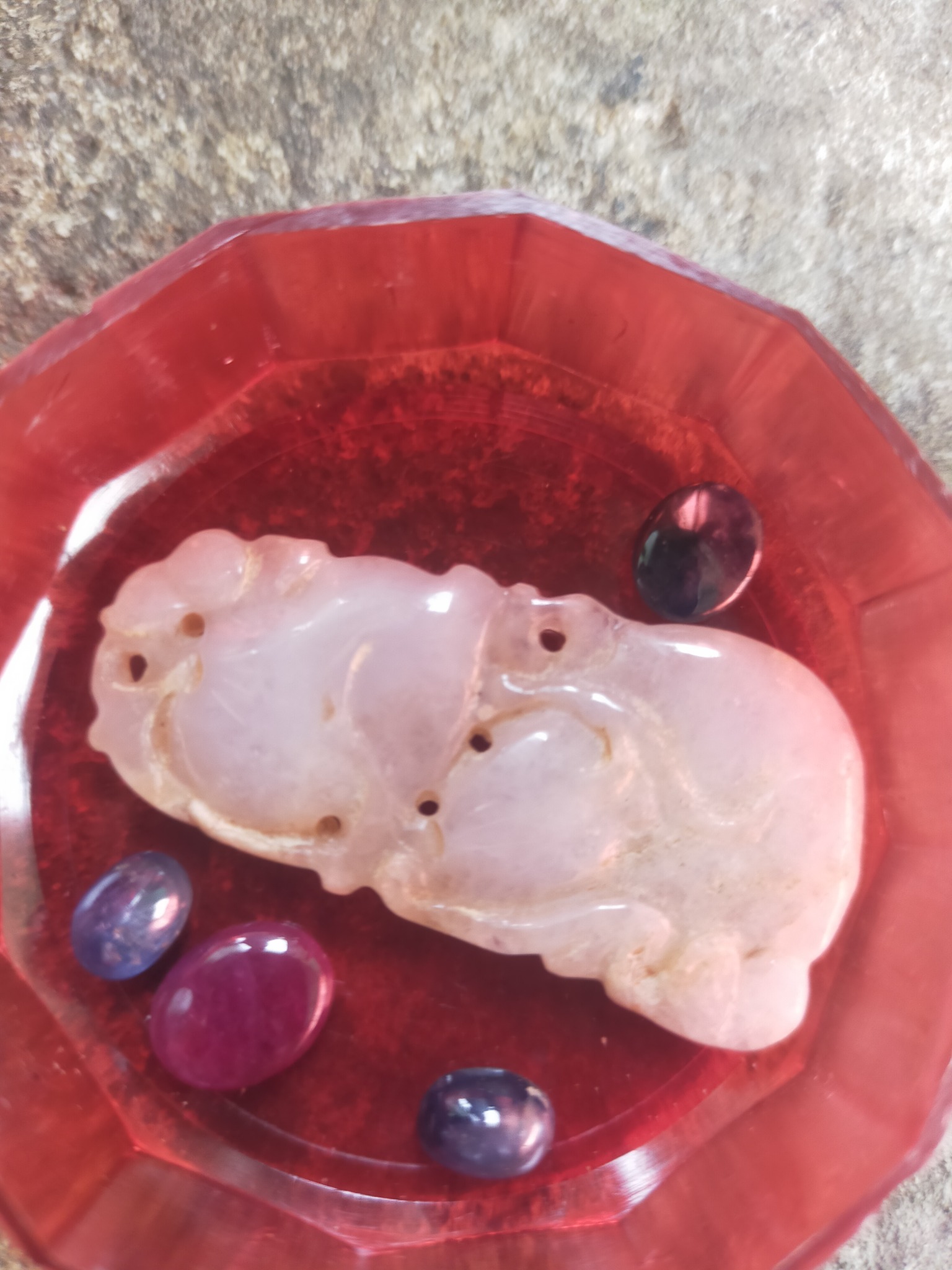
Carved hardstone pendant or plaque with cabochon stones
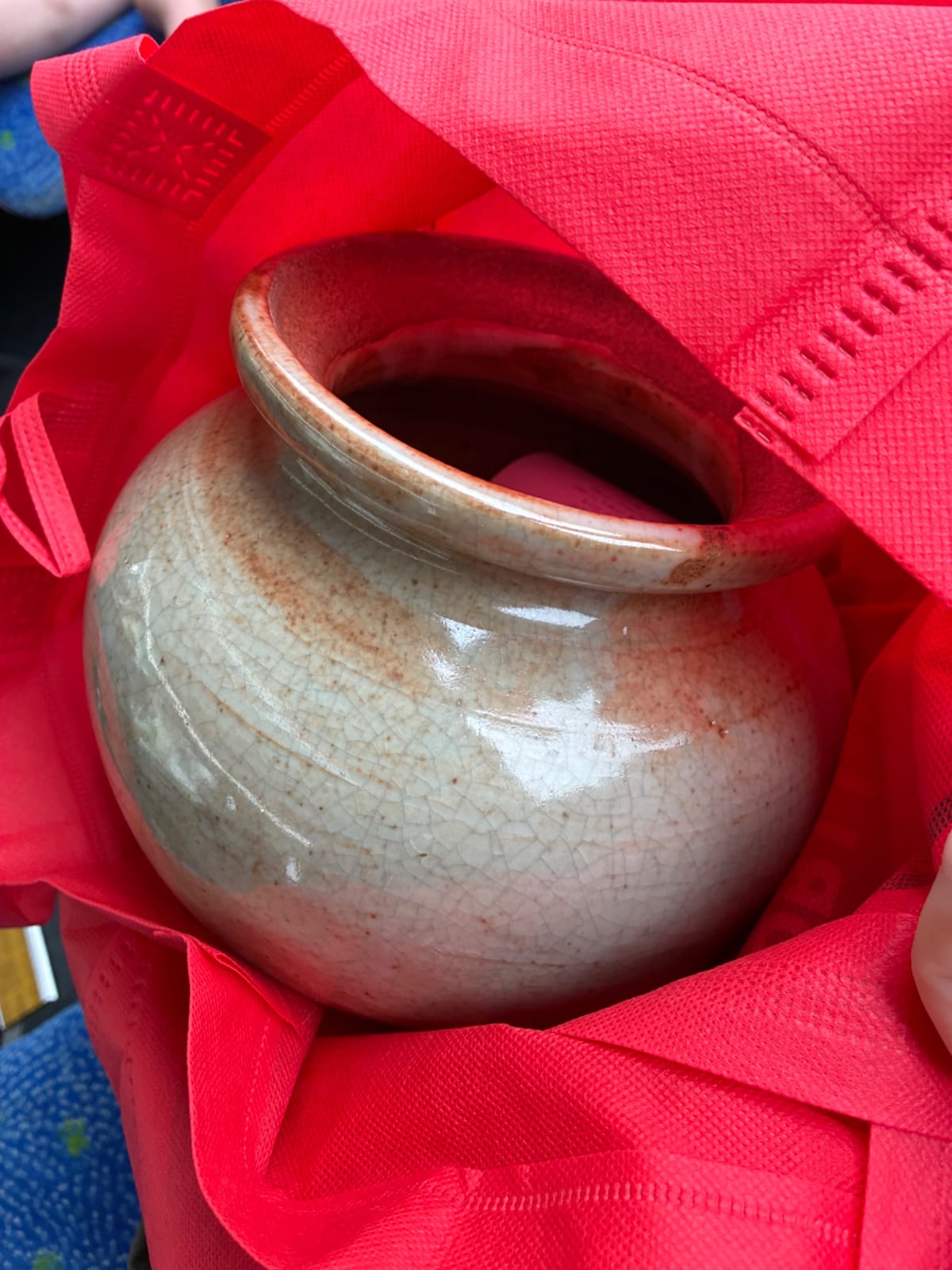
Small ceramic jar or vase (possibly Asian stoneware)
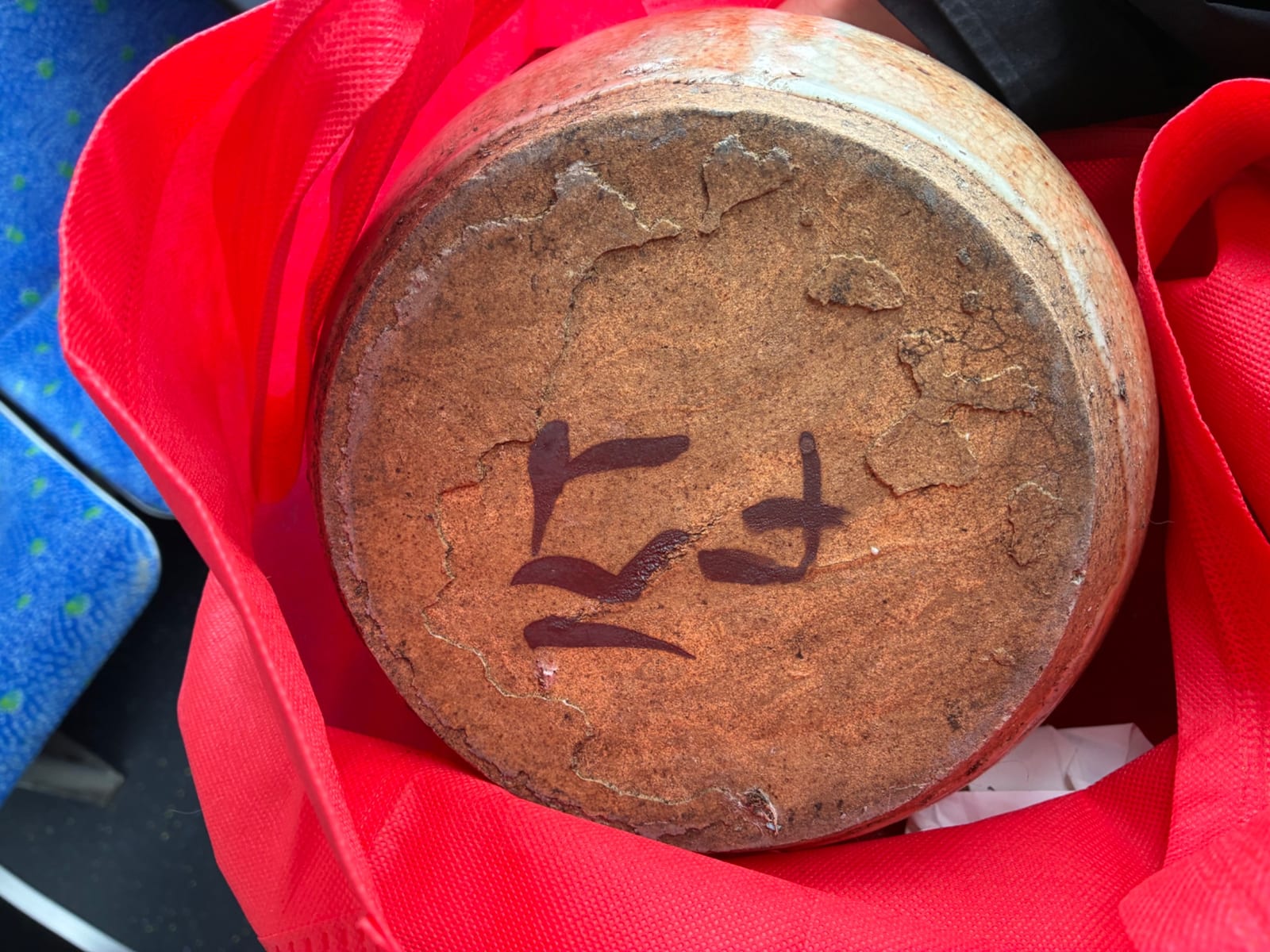
Japanese ceramic bowl or jar base (signed)
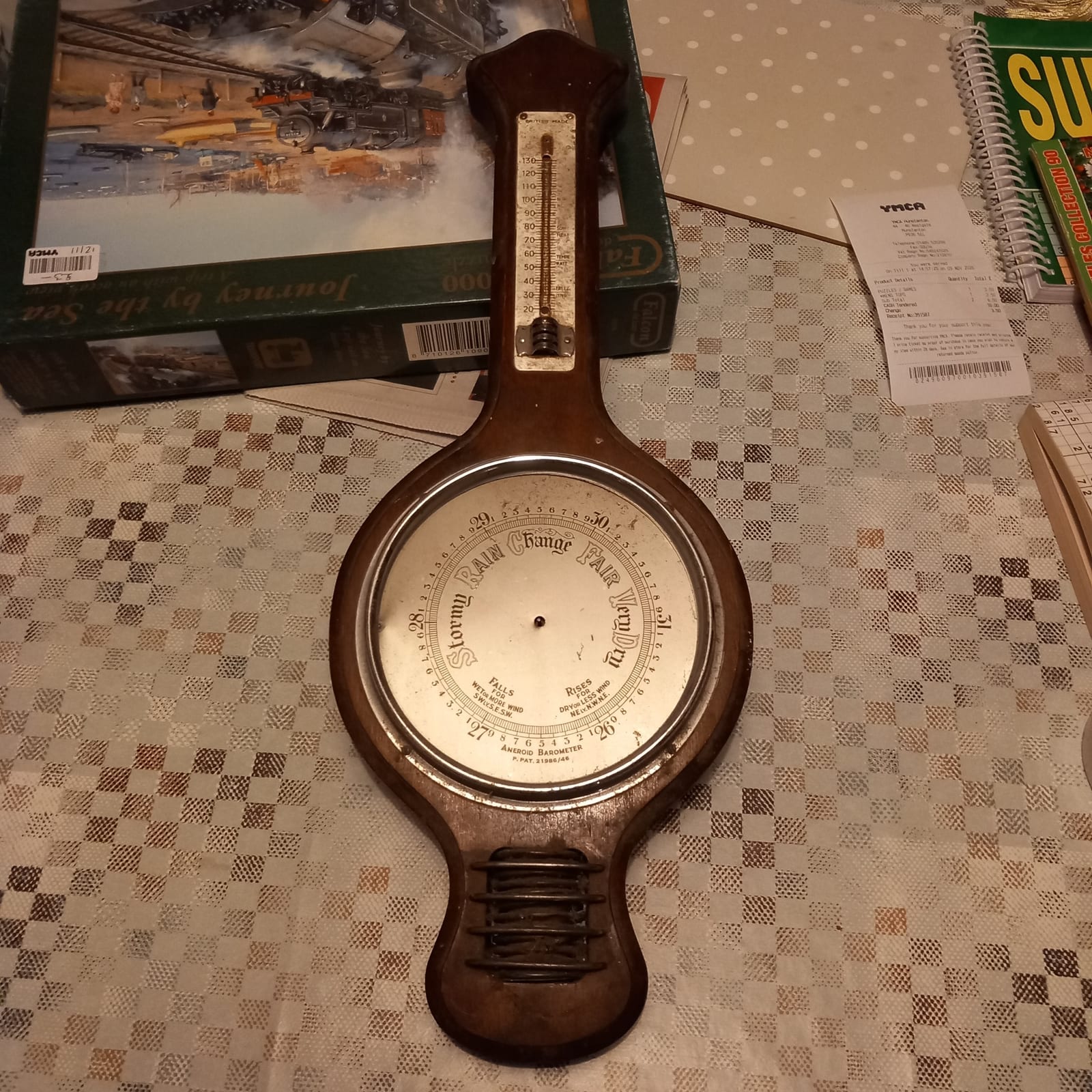
Wall-mounted aneroid barometer with thermometer
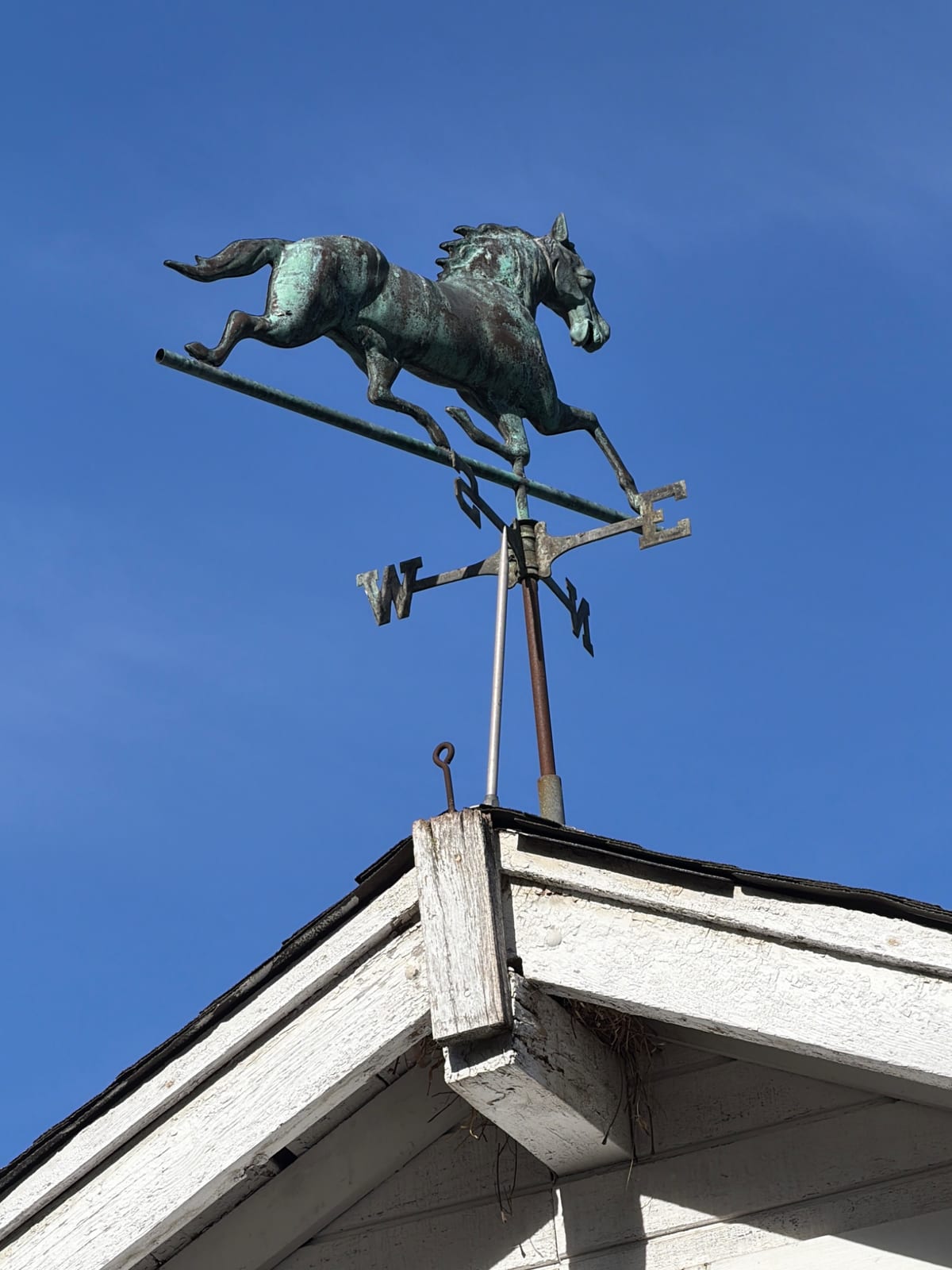
Horse weather vane
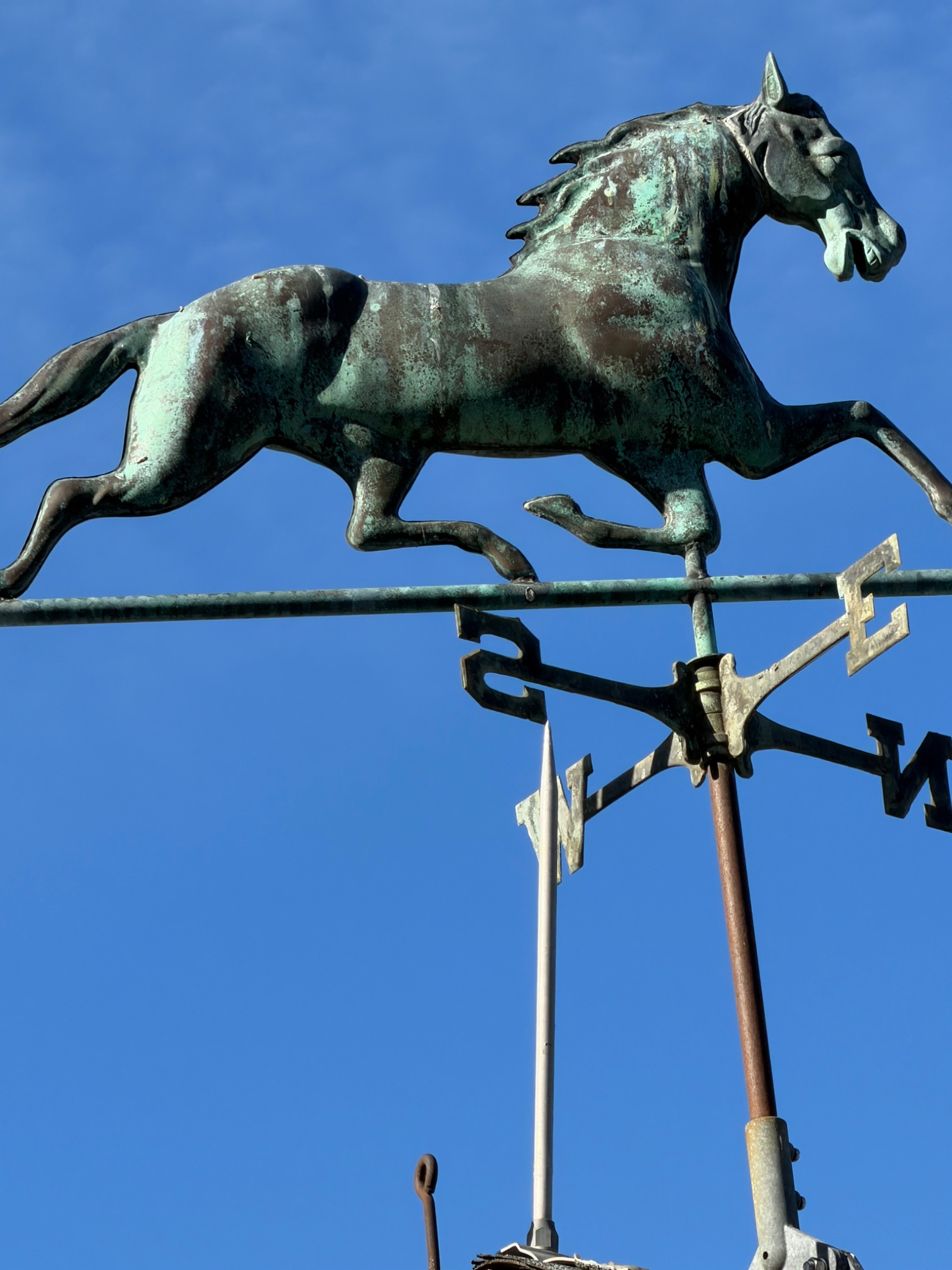
Horse weather vane
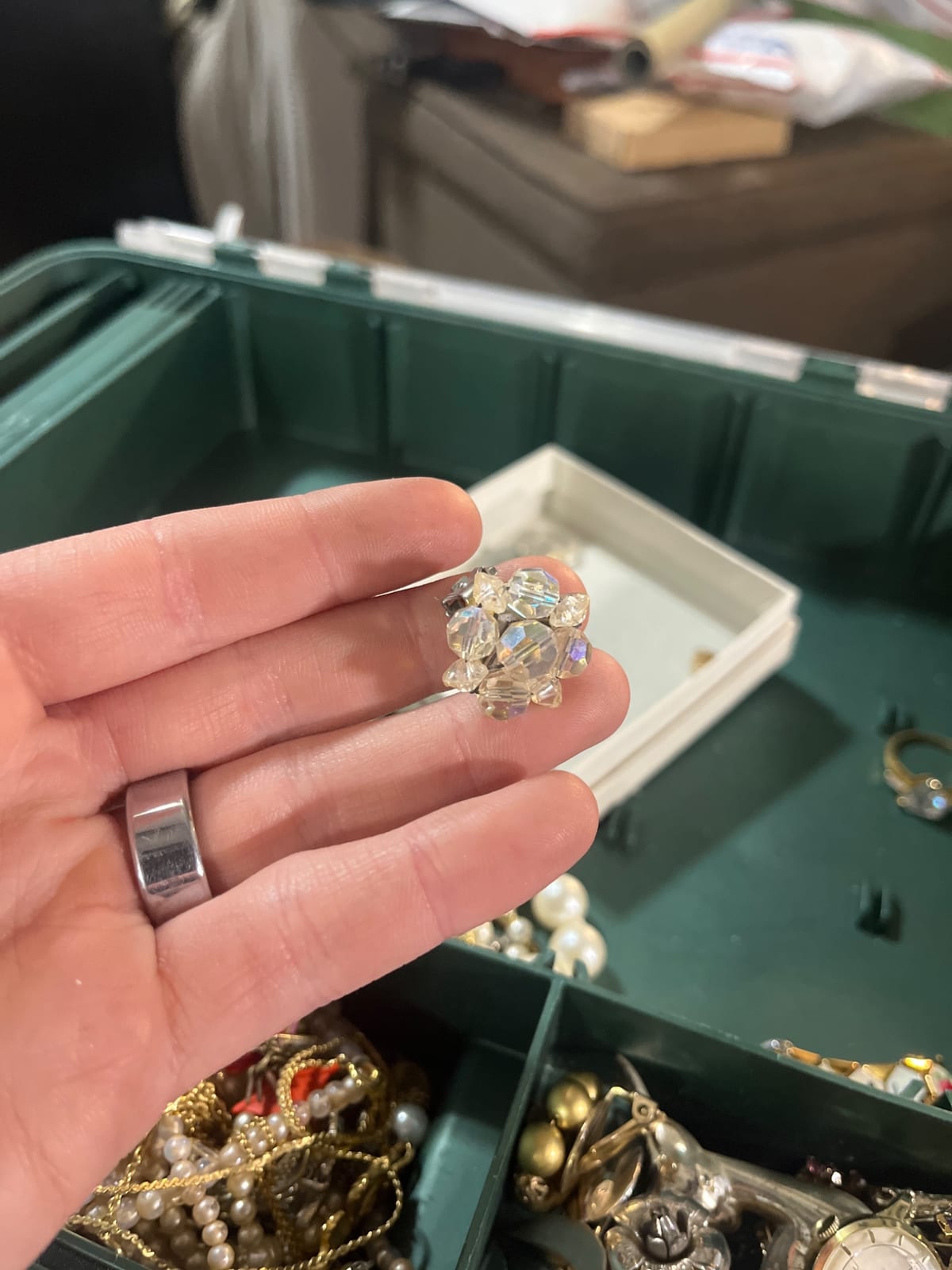
Vintage crystal cluster clip-on earring (single earring visible)
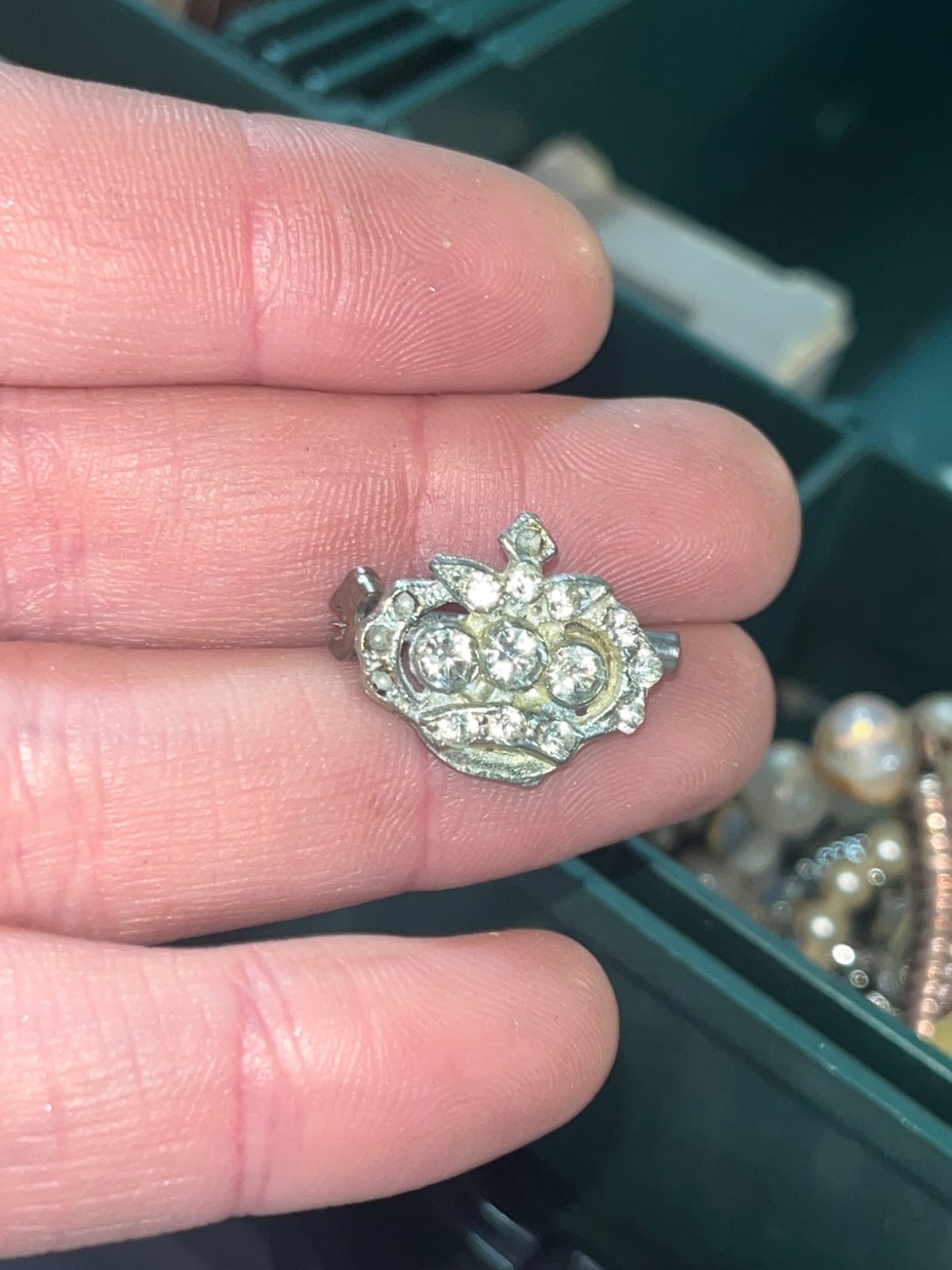
Small rhinestone jewelry component or broken decorative clasp