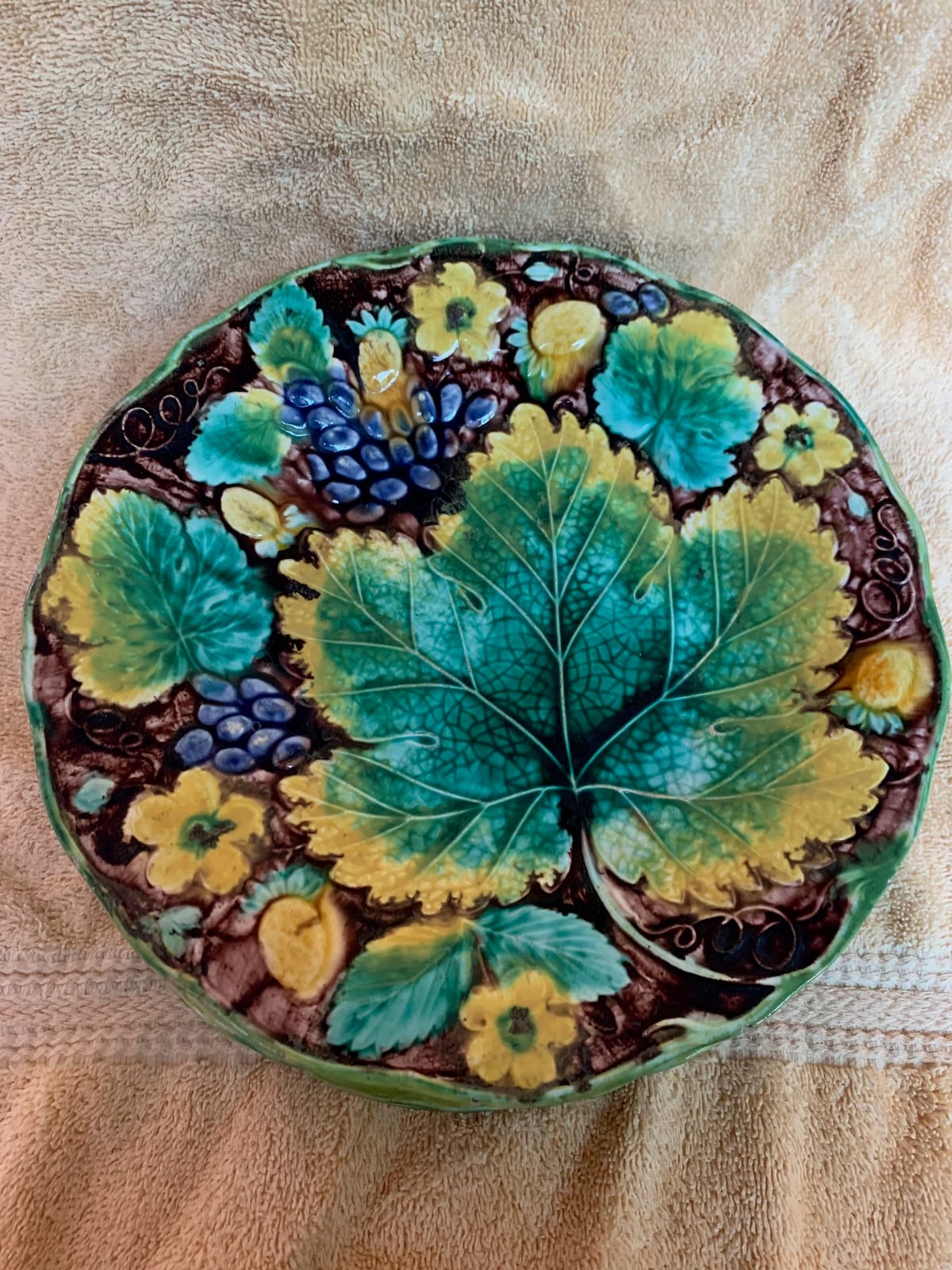
Majolica-style decorative ceramic plate or charger with grape and vine motif
Estimated Value
$40-$150 USD
A round decorative ceramic plate or shallow charger featuring a highly raised, colorful fruit-and-foliage design. The central motif is a large green grape leaf with prominent veining, surrounded by clusters of blue-purple grapes and yellow flowers with turquoise-green leaves. The piece uses rich, glossy glazes in green, yellow, brown, and blue, characteristic of majolica or majolica-style decorative wares. The relief modeling and naturalistic botanical theme suggest a late 19th-century aesthetic, though this may also be a later decorative reproduction inspired by historic majolica patterns.
Era
Late 19th century to early 20th century (Victorian/Art Nouveau revival style), exact date unknown
Origin
Likely Europe, possibly France, Portugal, Italy, or England; exact origin unknown without back mark
Material
Glazed earthenware or majolica-type ceramic
Condition
Good to Fair; visible surface wear and possible glaze crazing/edge wear, but no obvious major chips or cracks visible from the front image
Physical Details
Dimensions
Approximately 10 to 12 inches in diameter, based on visual scale
Weight
Medium
Authentication
Authenticity Score
Medium-Low; the style is consistent with antique majolica, but the exact age, maker, and authenticity cannot be confirmed from the front image alone
Provenance
Likely produced as decorative tableware or wall display ware for the European or export market. Without a visible maker's mark, provenance cannot be determined confidently.
Historical Significance
Majolica and majolica-style ceramics were popular in the Victorian era and later revival periods for their vivid glazes and naturalistic relief decoration. Grape and vine motifs were especially common in decorative ceramics and symbolized abundance and domestic refinement.
Restoration Notes
- •No clear restoration is visible from the front image
- •Possible minor edge wear or glaze loss along the rim
This identification and value range are AI-generated research aids, not authentication, certification, or a formal appraisal. Learn about the limitations and when to consult a qualified professional appraiser.
Research this item further
Related Identifications
Browse all →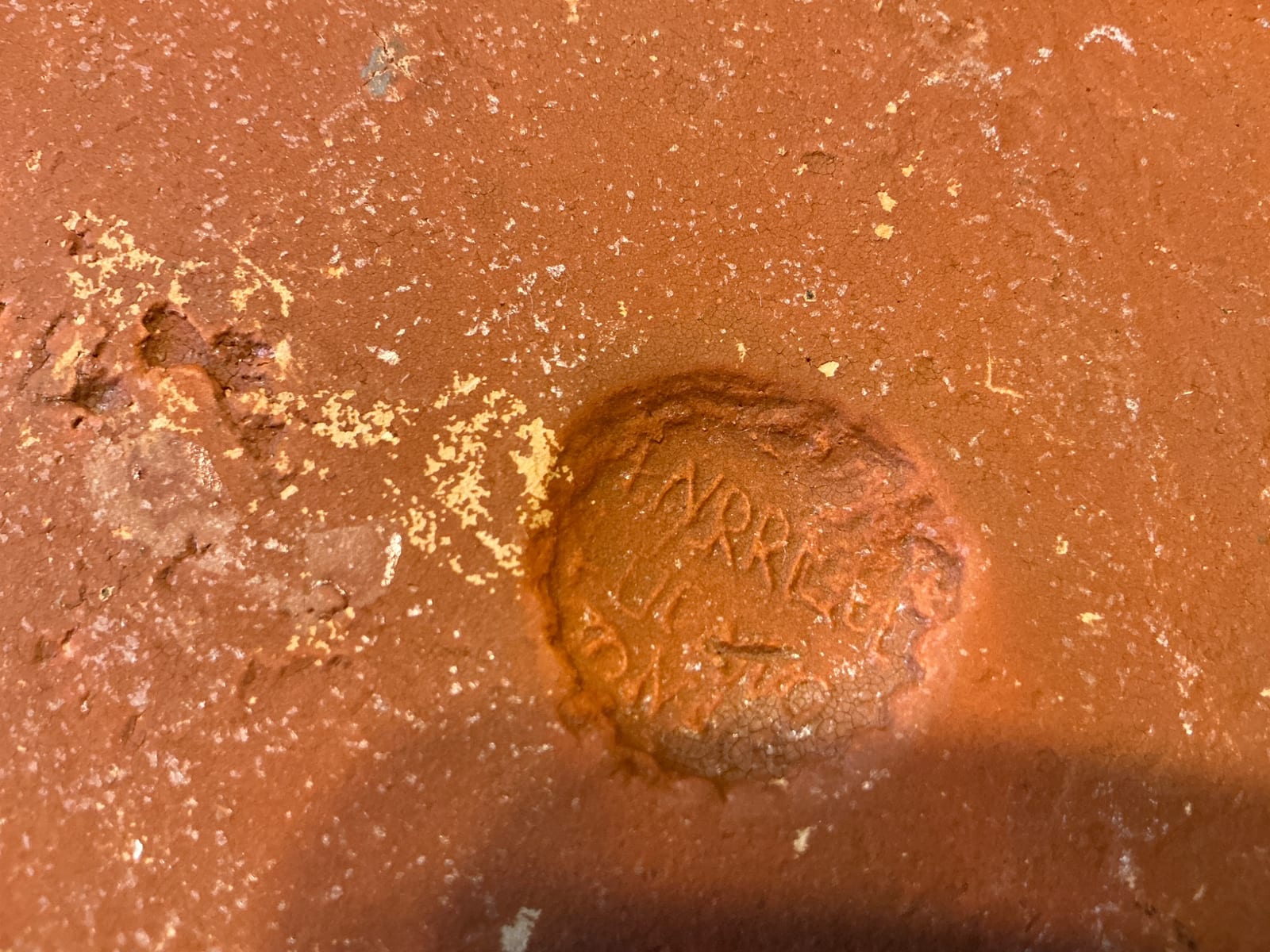
Salt-glazed stoneware or earthenware vessel base with impressed maker's mark
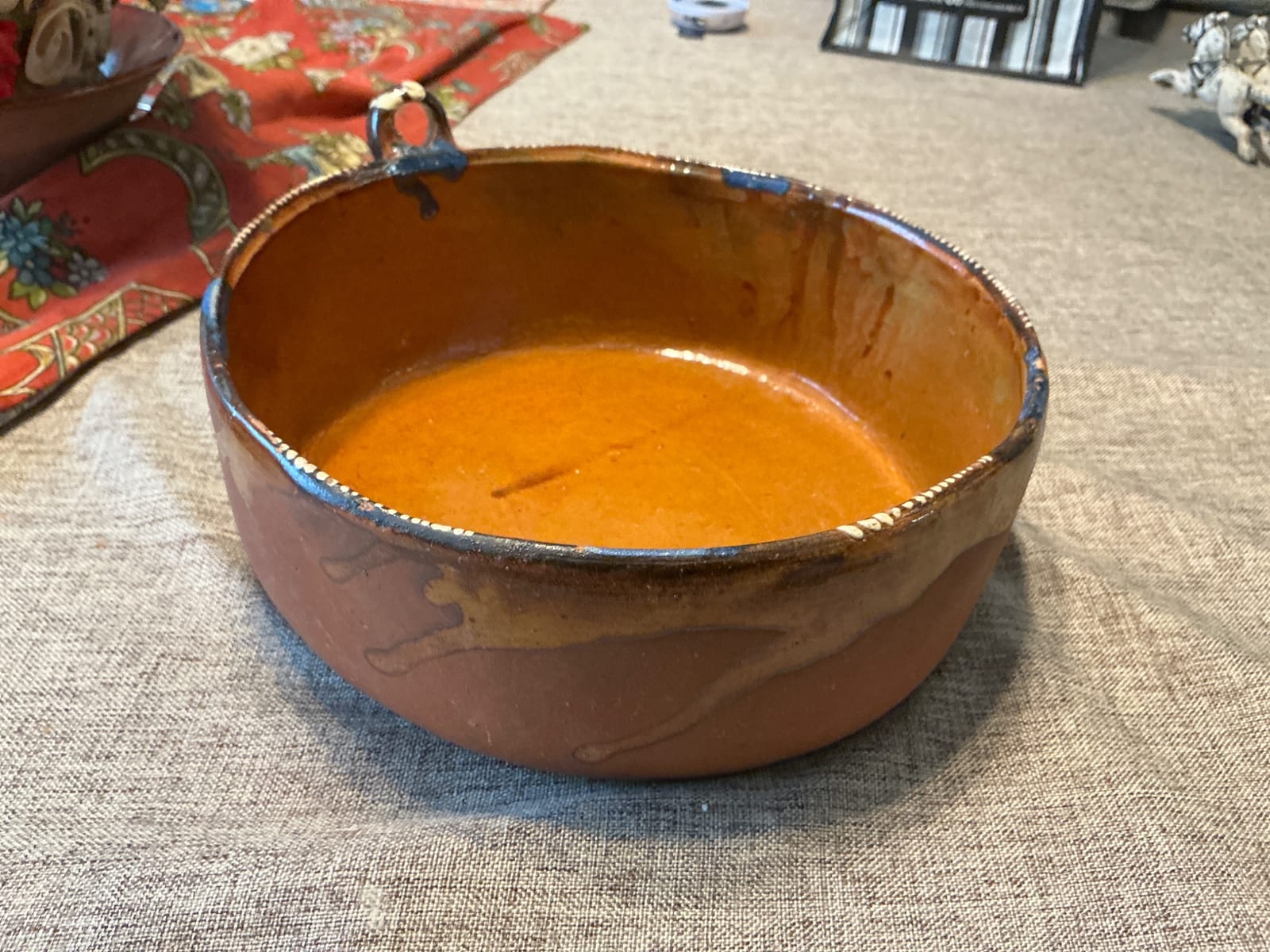
Glazed earthenware bowl or small serving vessel with loop handle
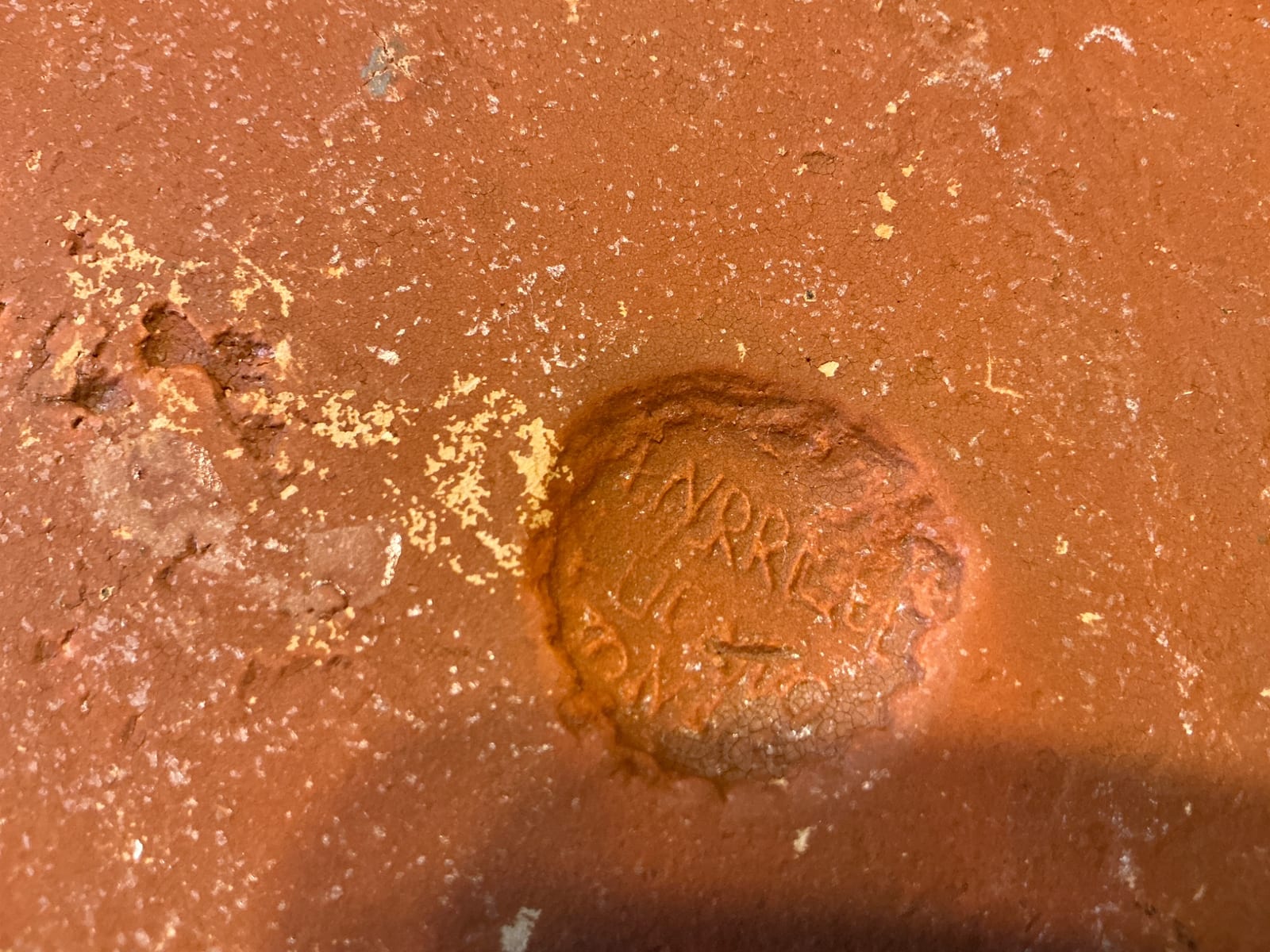
Glazed earthenware or terracotta vessel base with impressed maker's mark
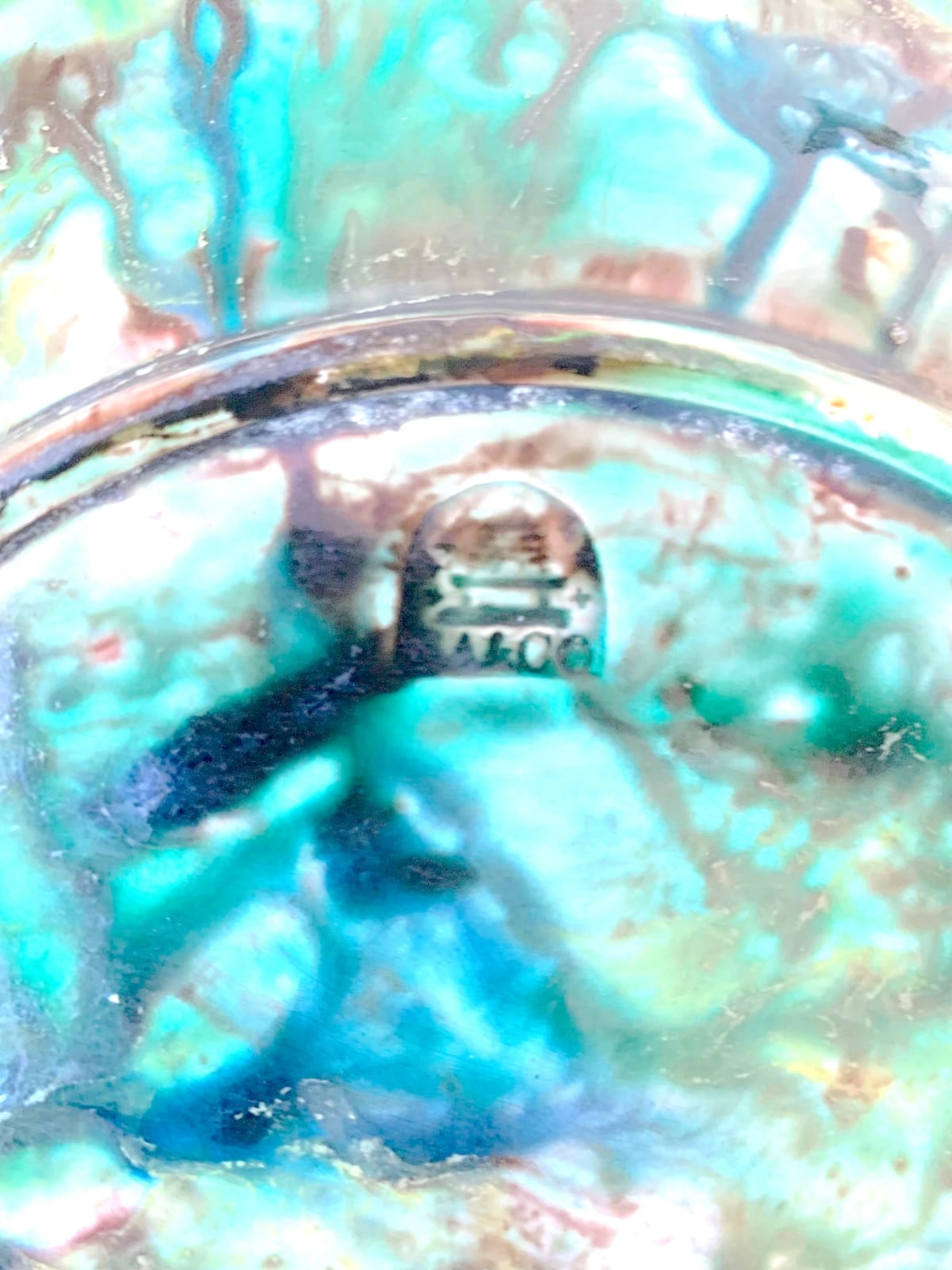
Abalone shell or mother-of-pearl decorative object with silver mount/mark
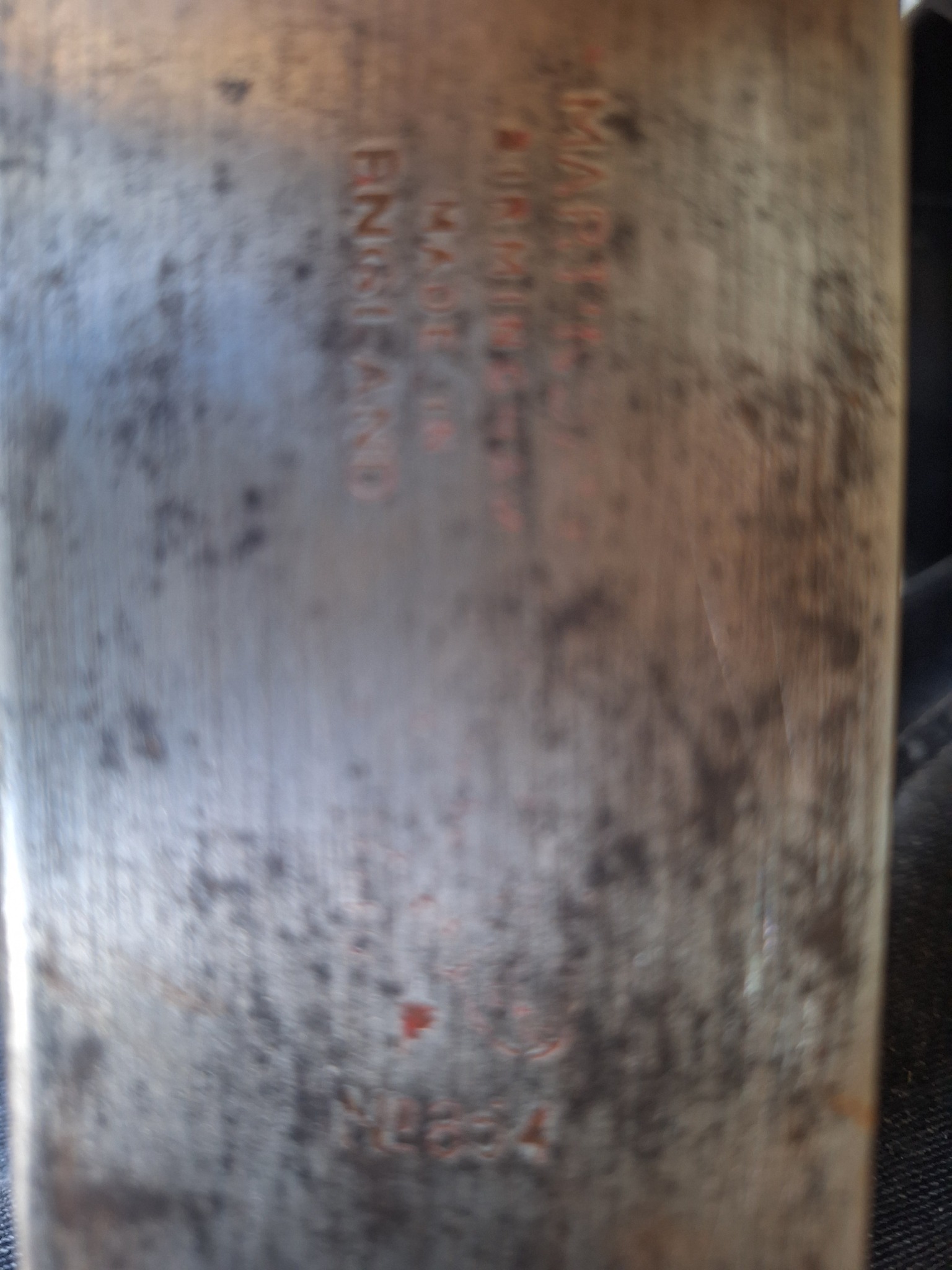
Metal cylindrical vessel or container with stamped maker's mark

Vintage machete or large utility knife
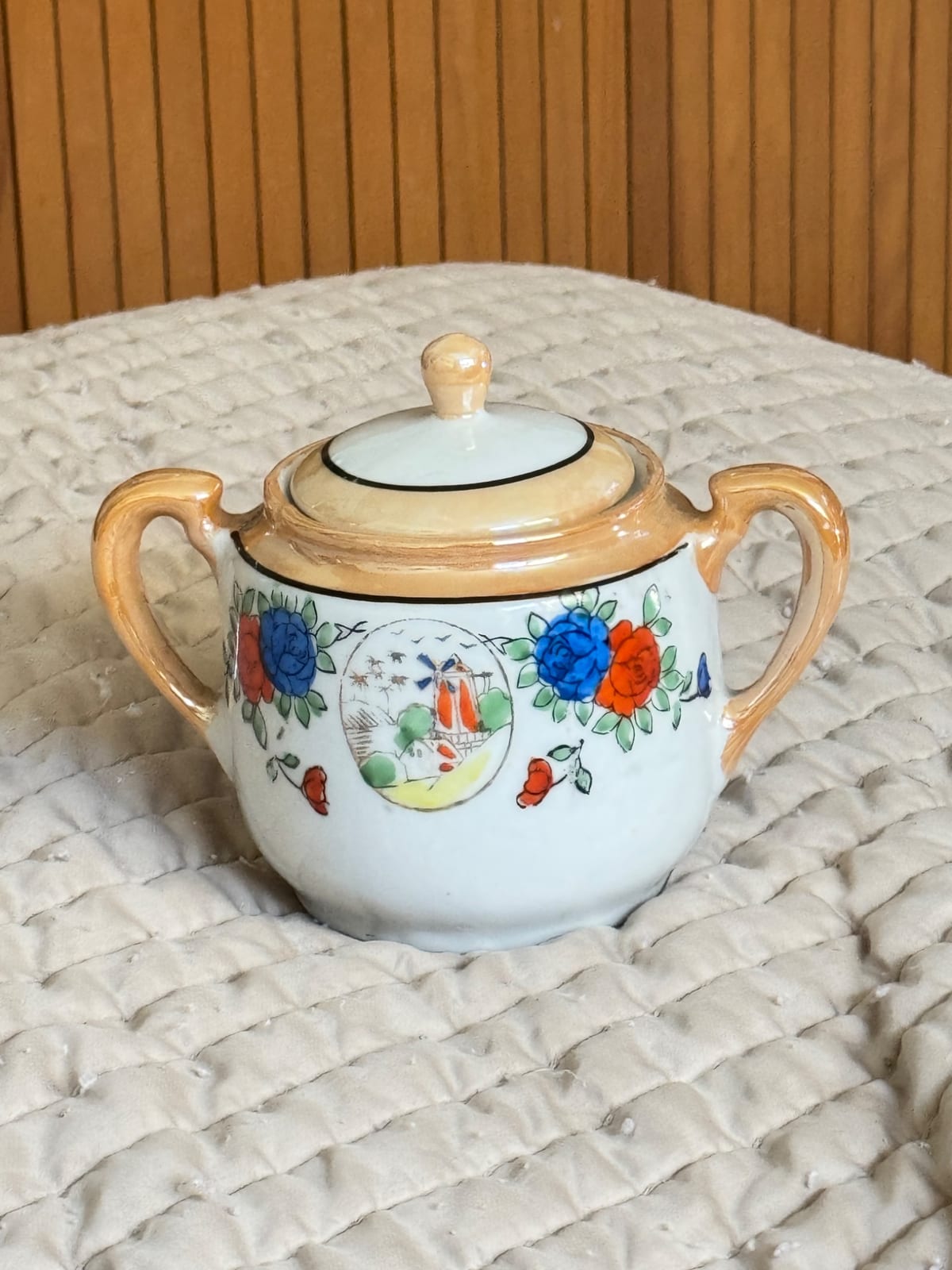
Small hand-painted porcelain sugar bowl with lid
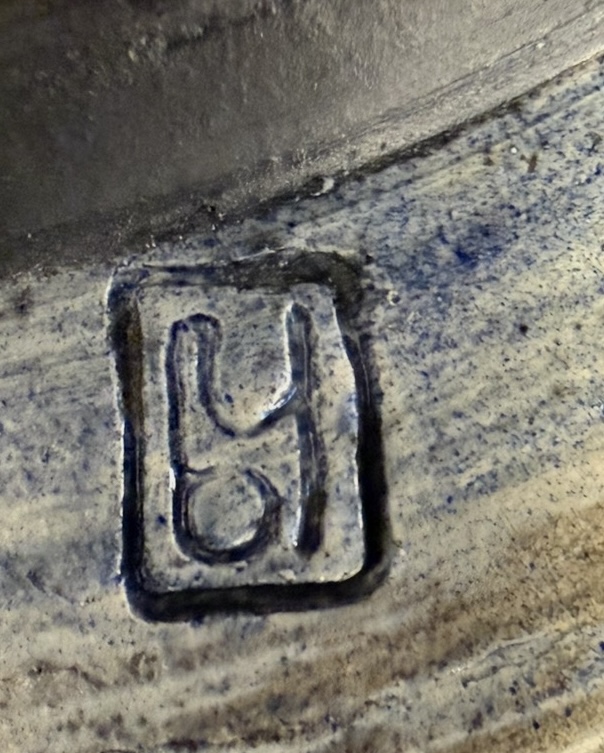
Ceramic or pottery maker's mark / monogram stamp