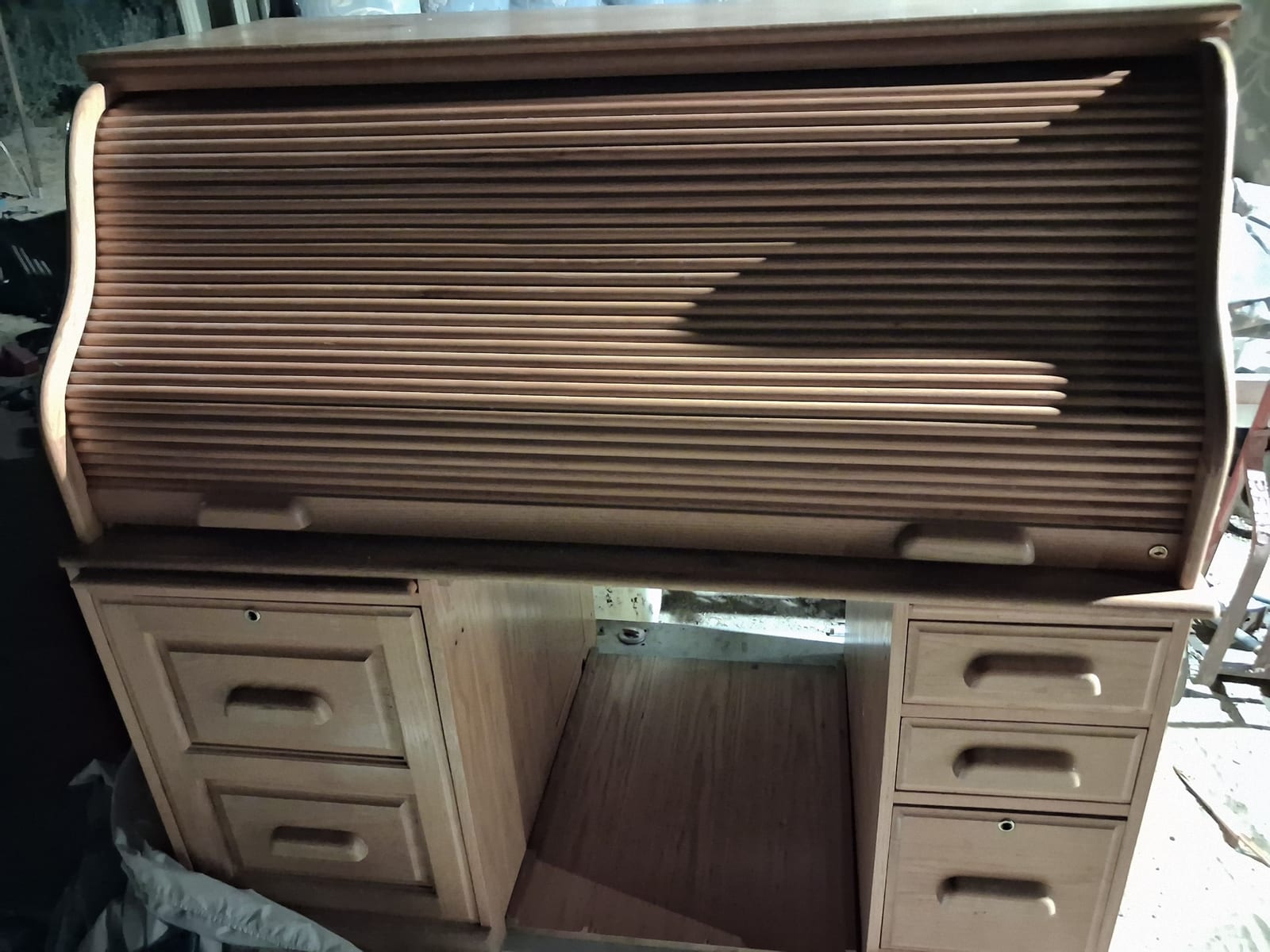
Roll-top desk / tambour-front office desk
Estimated Value
$150-$500
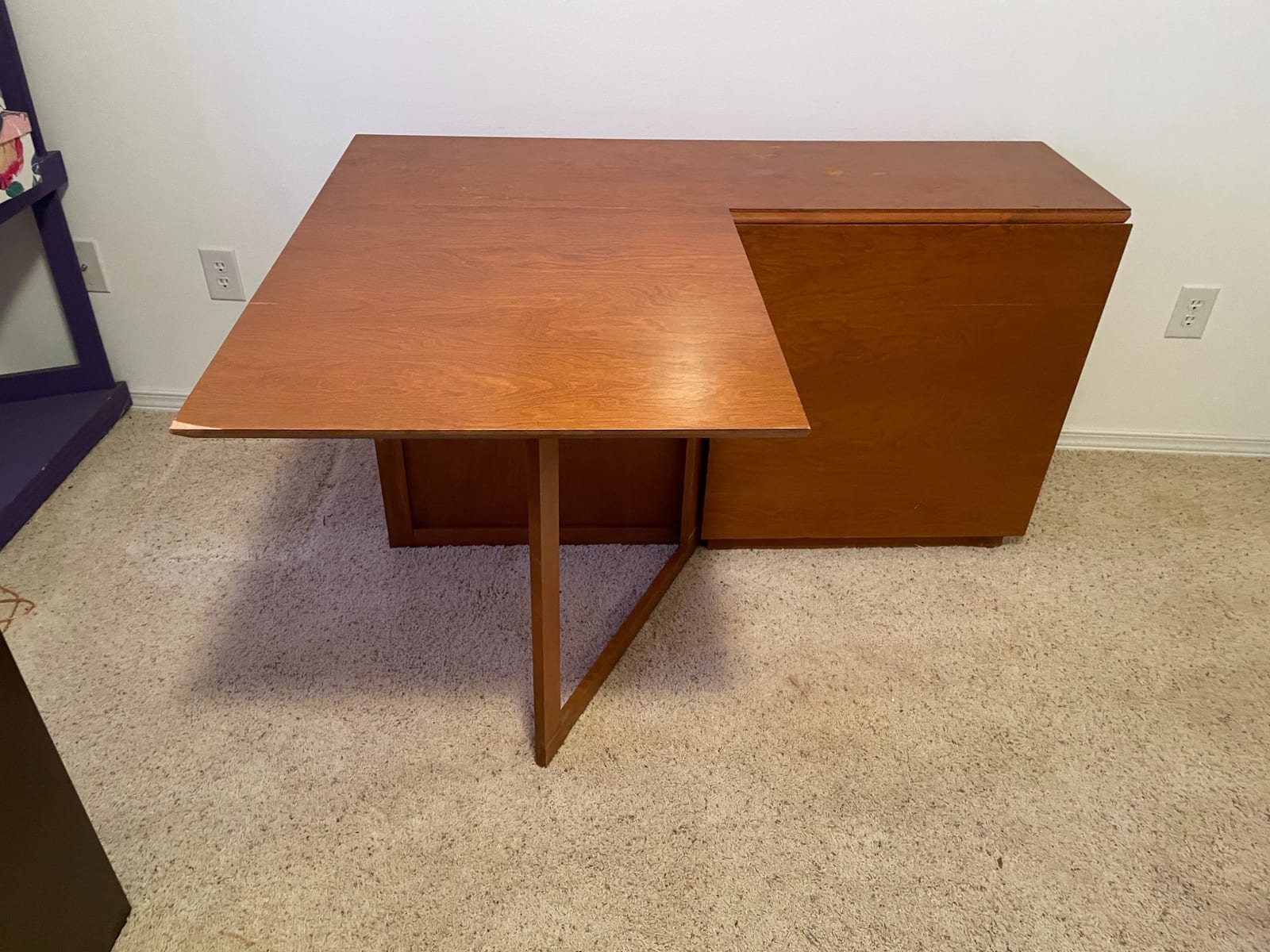
A mid-century roll-top desk with a tambour-style curved shutter that slides into the upper cabinet to conceal the writing compartment. The desk features a broad desktop, a central kneehole, and multiple drawers on both sides for office storage. The upper section has horizontal slatted/tambour construction with rounded side trim, suggesting a functional office or home study piece rather than a high-style antique. The design is utilitarian and mass-produced in appearance, with simple recessed drawer pulls and a light wood finish.
Era
Mid-20th Century, likely 1950s-1970s
Origin
Likely United States or Western Europe
Material
Veneered wood or laminate over hardwood/engineered wood; molded wood or plastic drawer pulls
Condition
Fair to Good. Visible surface wear, dust, and age-related discoloration. The roll-top/tambour slats appear intact, but the piece shows general use wear and possible missing hardware or finish loss. No obvious major structural breakage visible from the image.
Physical Details
Dimensions
Approximately 48-60 inches wide, 30-36 inches deep, and 45-55 inches tall
Weight
Heavy
Authentication
Authenticity Score
Medium. The item appears genuine as a vintage roll-top desk, but the exact age, maker, and originality of finish/hardware cannot be confirmed from the single image.
Provenance
Likely from a domestic office, school, or administrative setting; exact maker and provenance cannot be determined from the image alone. No visible maker's mark or label is apparent.
Historical Significance
Roll-top desks were popular in the late 19th and early 20th centuries and remained common in mid-century offices and homes. They are valued for their practical storage and compact closure system, representing a long tradition of office furniture design.
Restoration Notes
- •No clear evidence of restoration visible
- •Possible refinishing or cleaning based on the uniform light finish, but not confirmable from the image
This identification and value range are AI-generated research aids, not authentication, certification, or a formal appraisal. Learn about the limitations and when to consult a qualified professional appraiser.
Research this item further
Related Identifications
Browse all →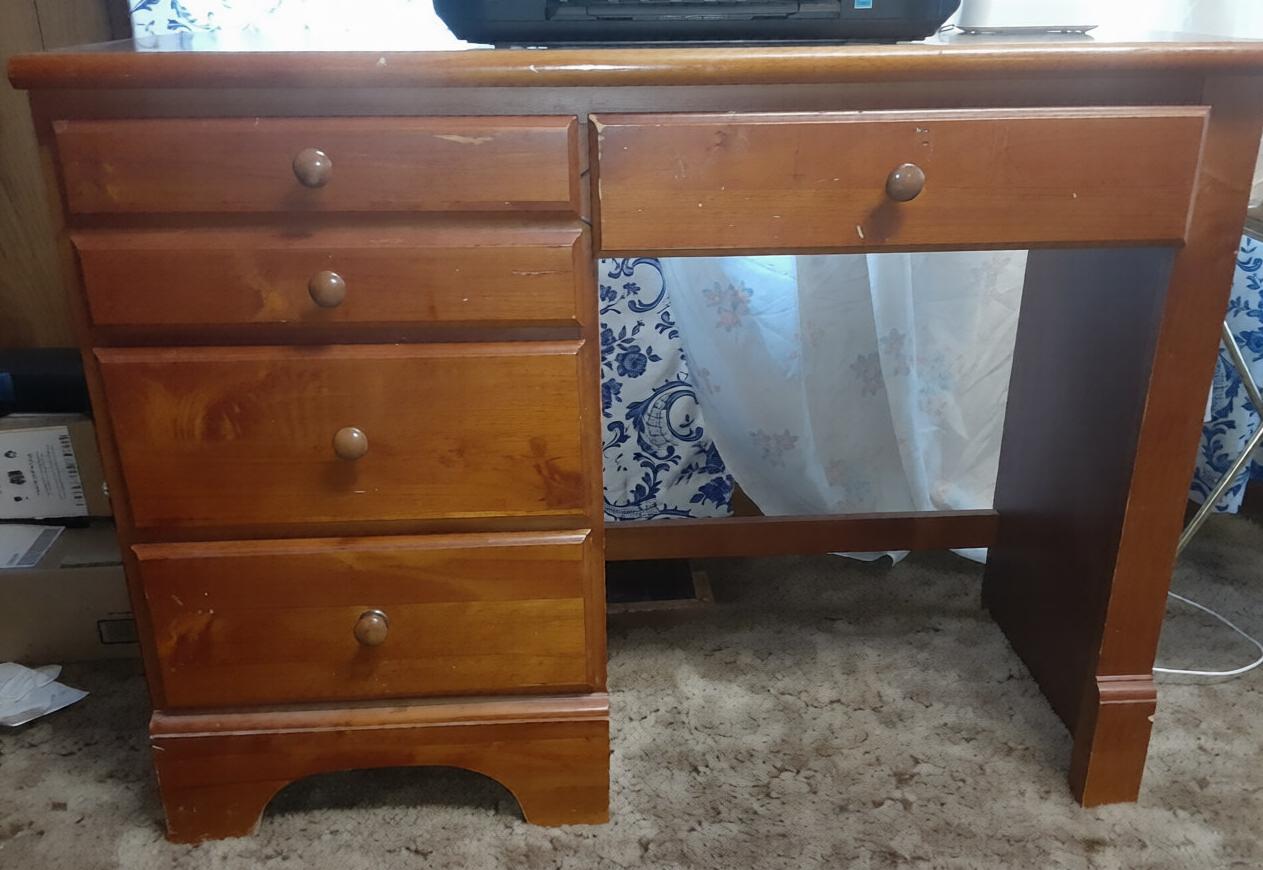
Wooden writing desk / vanity desk with drawers
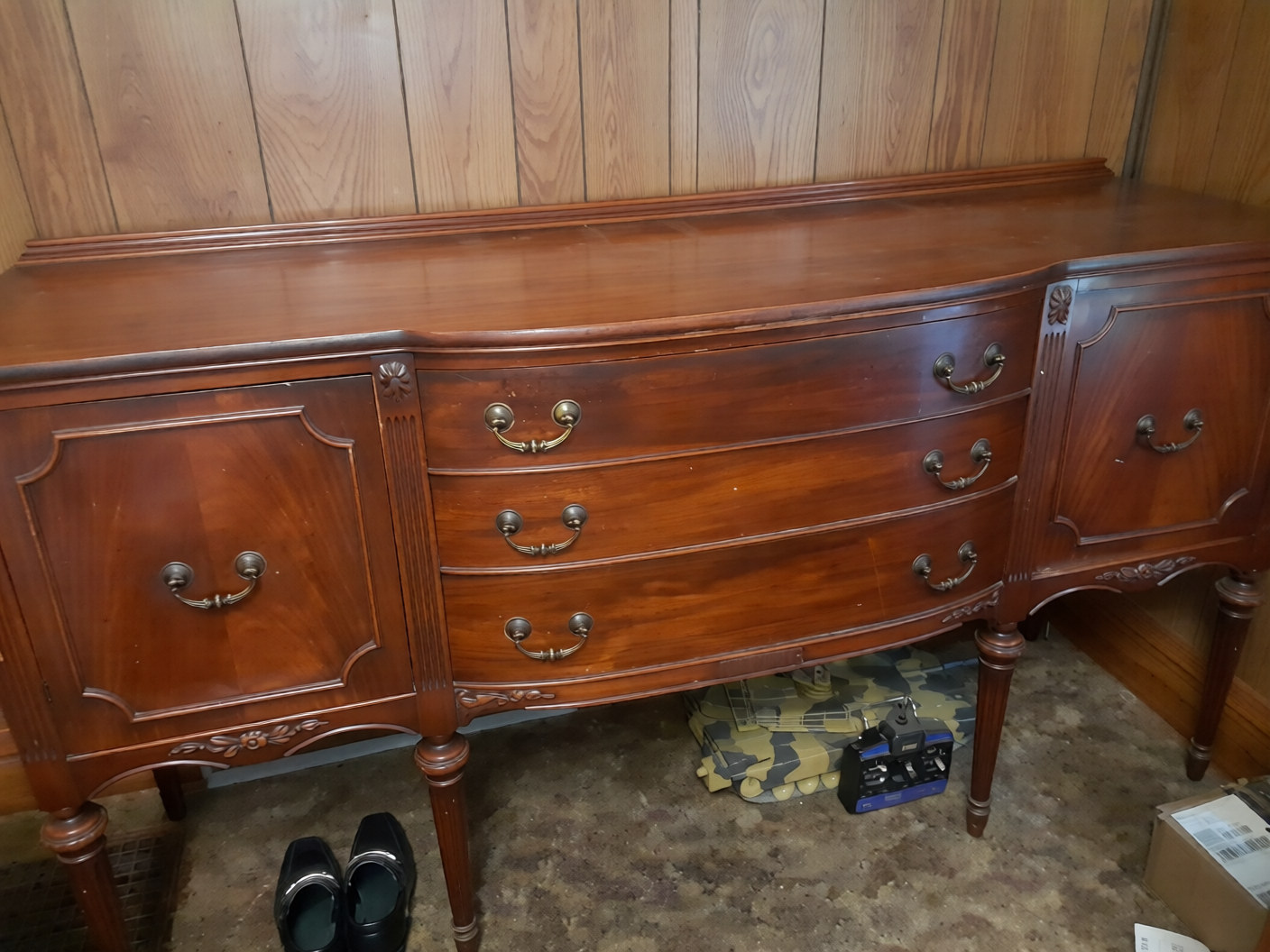
Mahogany sideboard / buffet server
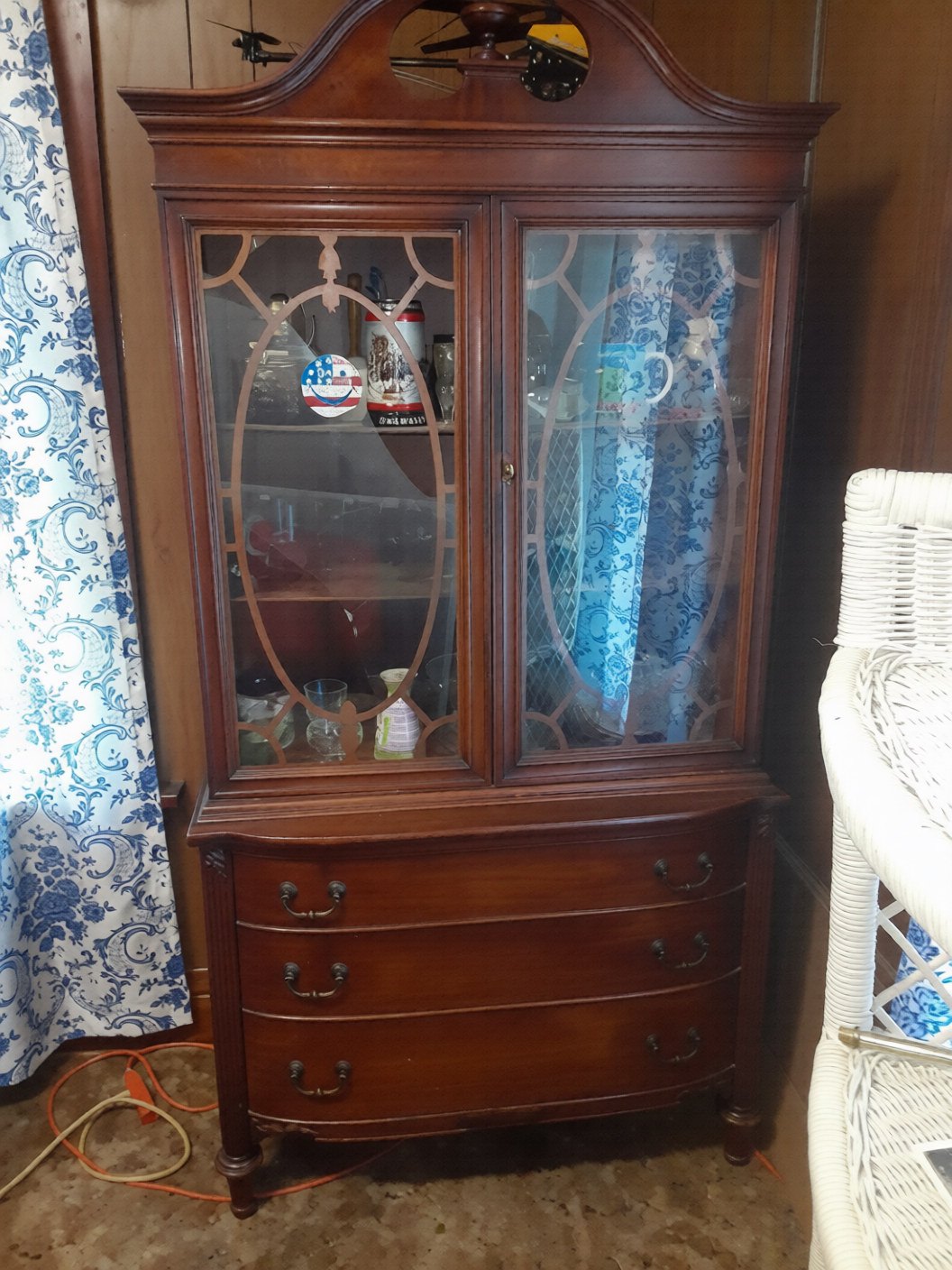
Mahogany china cabinet / display cabinet with curved-front lower drawers
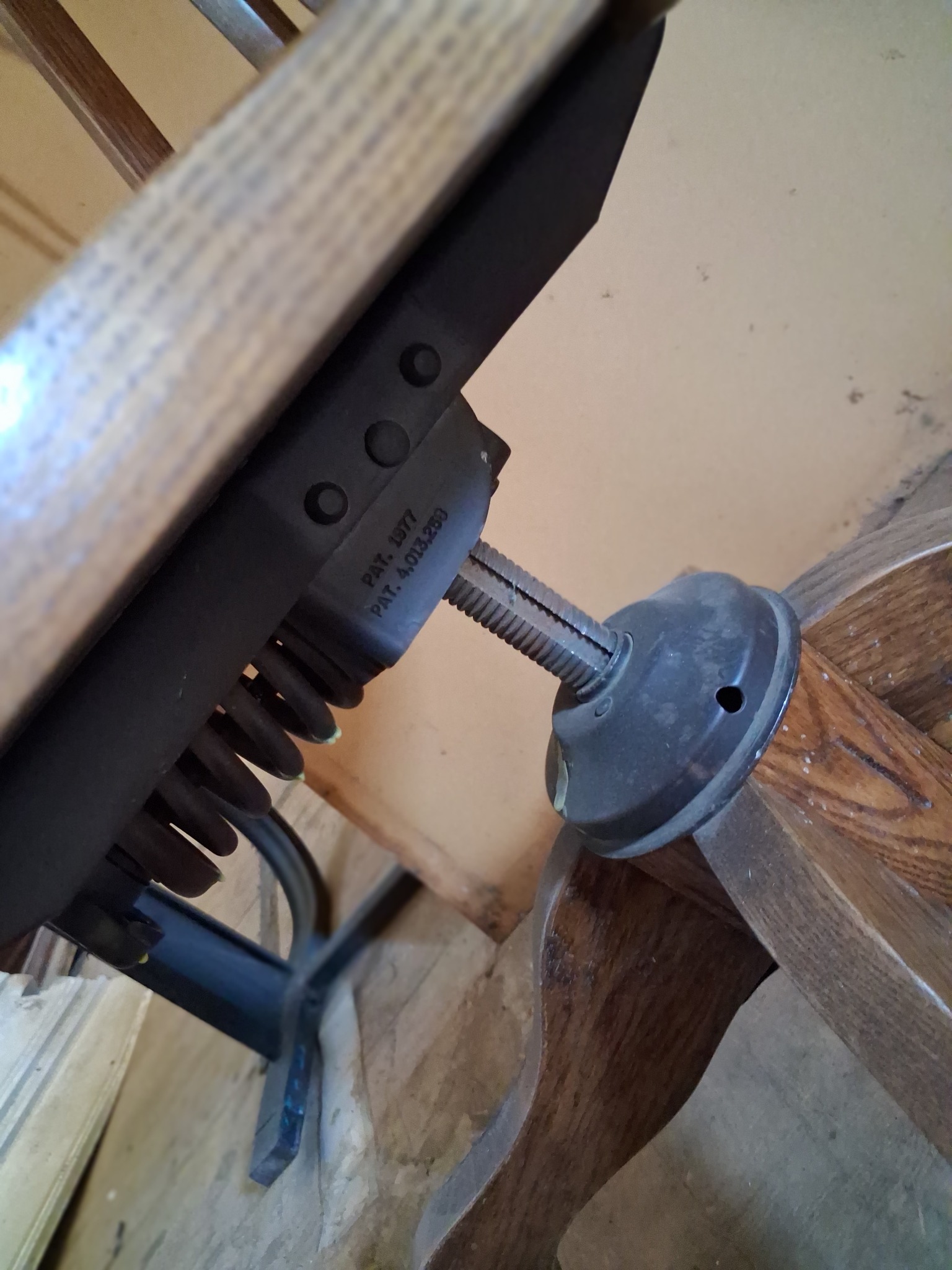
Ceiling fan motor housing / mounting assembly
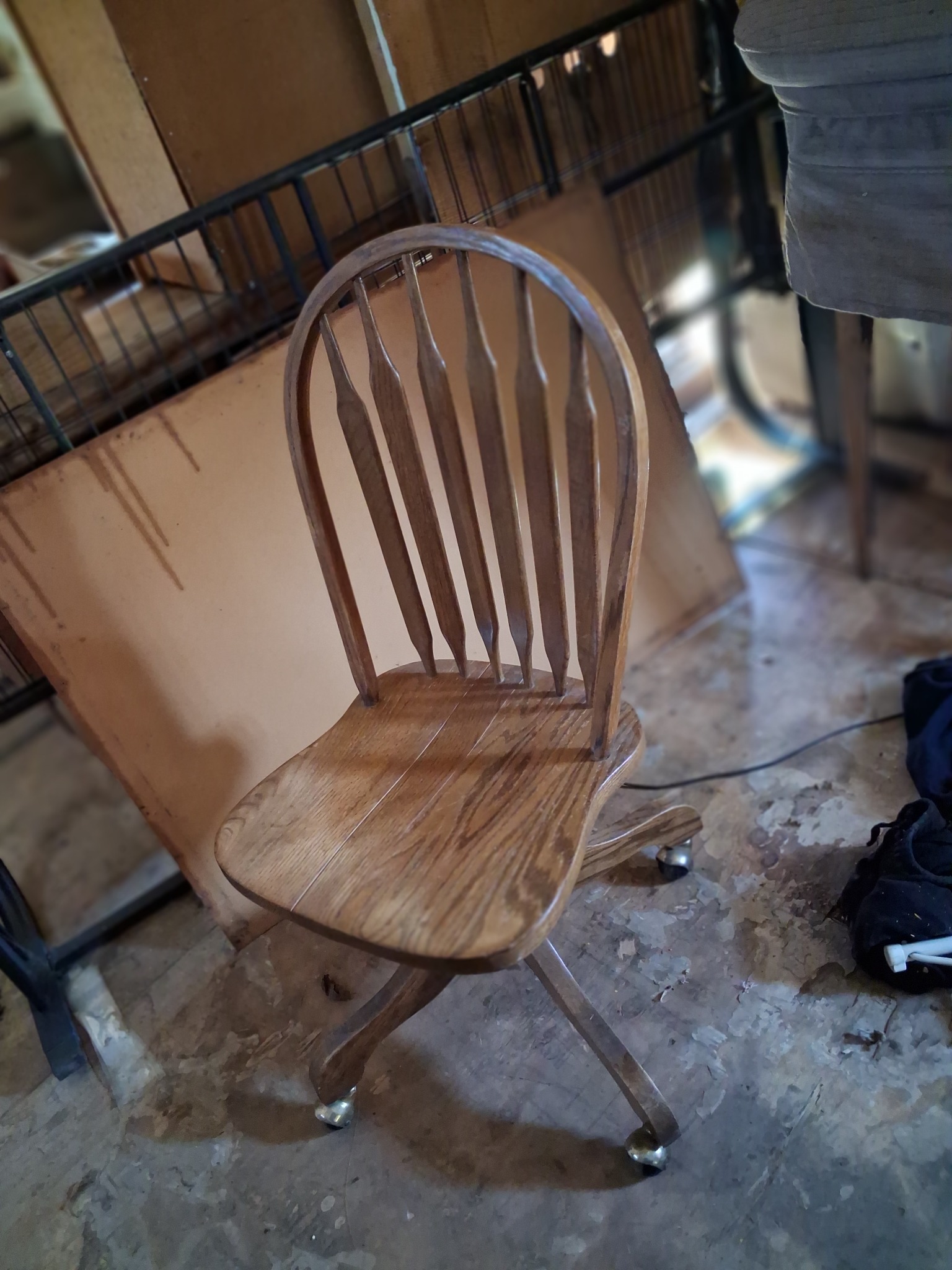
Wooden Windsor-style swivel desk chair
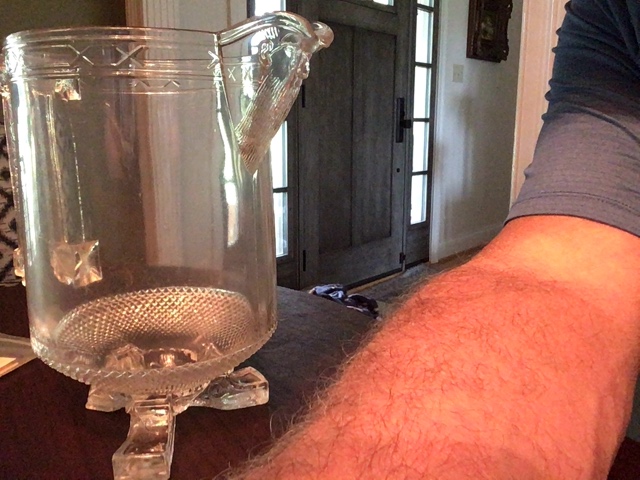
Cut glass ice bucket or champagne cooler
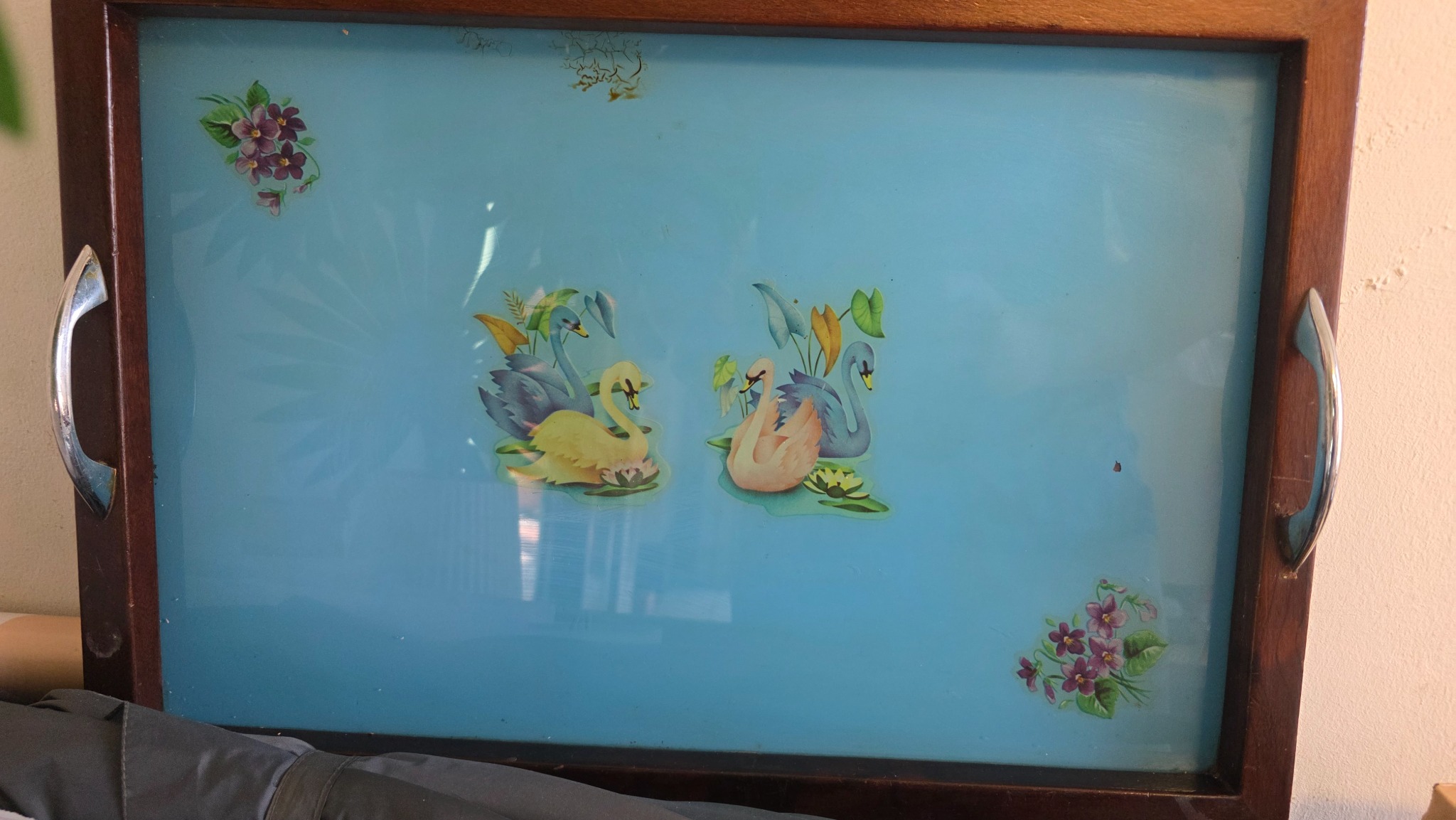
Decorative serving tray with swan motif
Mid-century modern drop-leaf desk or table