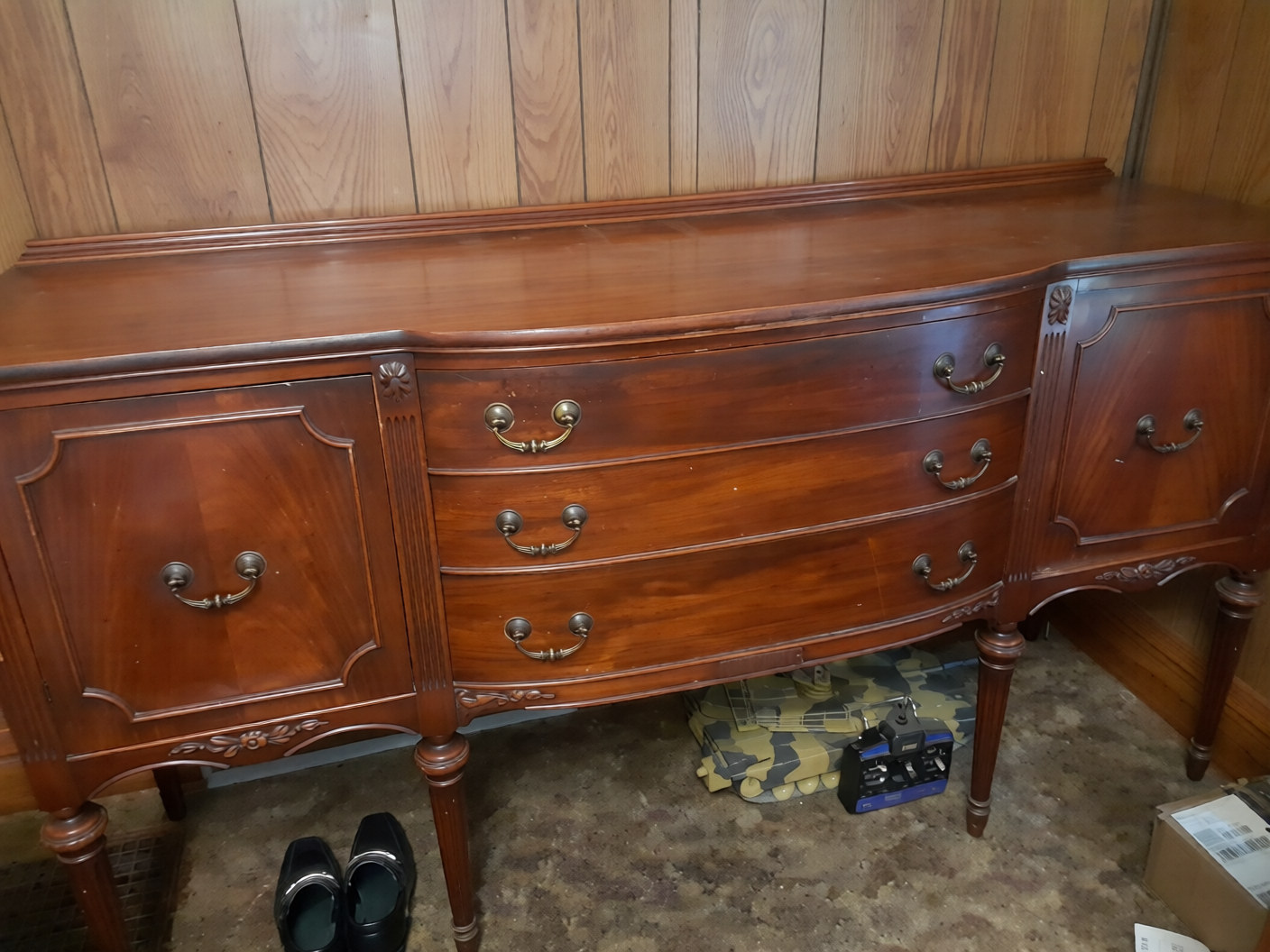
Mahogany sideboard / buffet server
Estimated Value
$300-$900
A large traditional sideboard or buffet server featuring a long rectangular top, three central drawers, and cabinet doors on both sides. The piece has a warm reddish-brown mahogany appearance, carved decorative accents at the corners and apron, and turned front legs. The hardware consists of matching pull handles in a classic double-loop style. The design suggests a formal dining-room furnishing intended for storage of tableware, linens, or serving pieces. The styling is conservative and revival-inspired rather than highly ornate, consistent with mid-20th-century furniture made in a traditional Georgian or Colonial Revival manner.
Era
Early to mid-20th century, likely 1930s-1950s (traditional revival style)
Origin
Likely United States or United Kingdom
Material
Mahogany veneer or solid mahogany with brass or brass-tone hardware
Condition
Good overall condition with visible surface wear, minor scratches, and age-related finish dulling; appears structurally intact with no obvious major breaks or missing components from the image
Physical Details
Dimensions
Approximately 60-72 inches wide, 18-22 inches deep, and 34-40 inches tall
Weight
Heavy
Authentication
Authenticity Score
Medium - The piece appears authentic as a period-style wooden sideboard, but exact age, maker, and whether it is antique versus vintage cannot be confirmed from the image alone
Provenance
Likely from a domestic dining room setting; exact maker and provenance are unknown without labels, stamps, or interior photos. The style suggests mass-produced or semi-custom furniture from a mid-century furniture maker rather than a high-end 19th-century original.
Historical Significance
Sideboards and buffets were central to formal dining-room furnishings in the late 19th and early 20th centuries, reflecting the importance of entertaining and household display. This example represents the continued popularity of traditional furniture forms in the early-to-mid 20th century.
Restoration Notes
- •Finish appears possibly refreshed or polished
- •No obvious major repairs visible from the image
- •Minor wear consistent with age and use
This identification and value range are AI-generated research aids, not authentication, certification, or a formal appraisal. Learn about the limitations and when to consult a qualified professional appraiser.
Research this item further
Related Identifications
Browse all →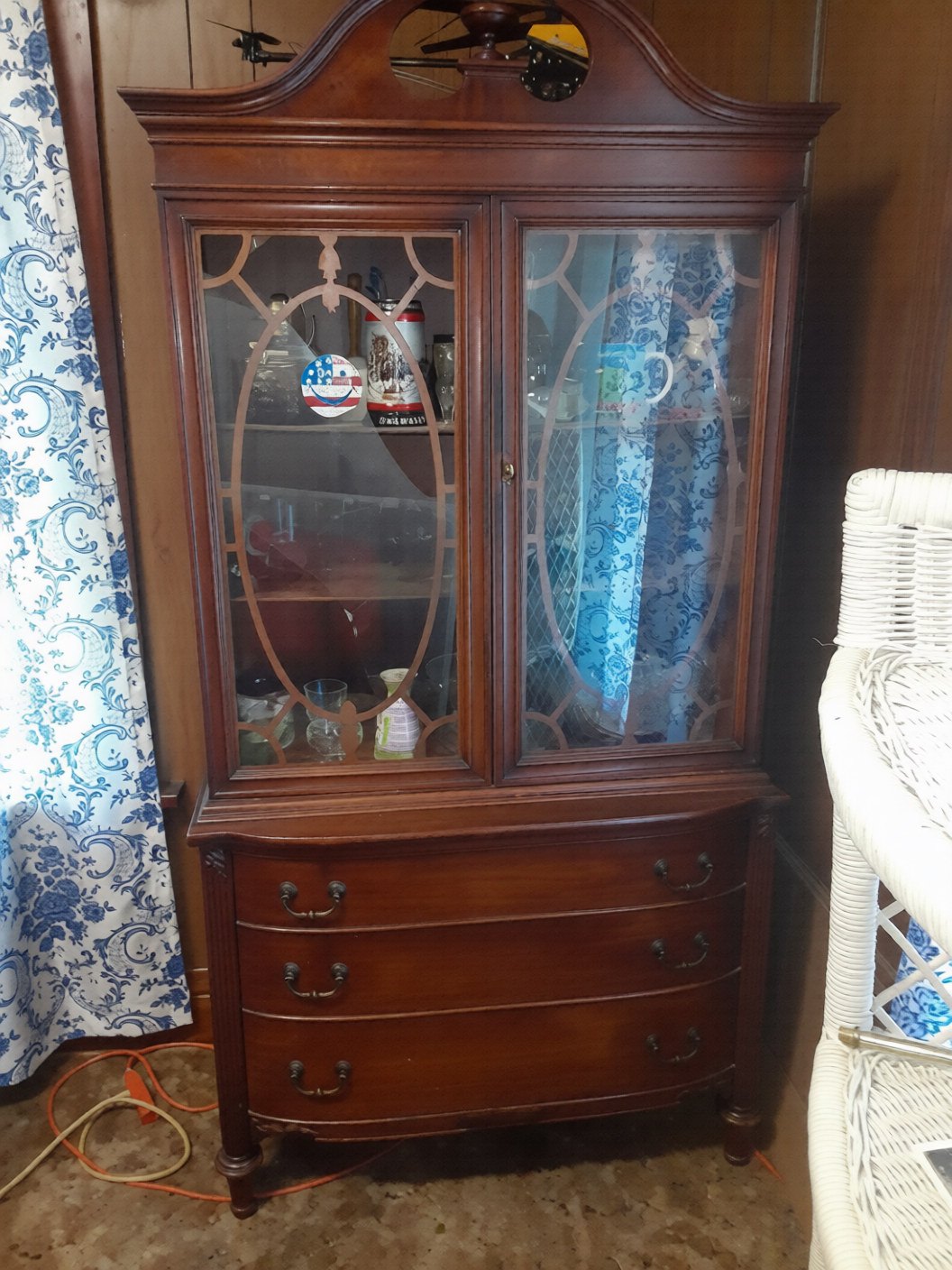
Mahogany china cabinet / display cabinet with curved-front lower drawers

Unknown ceramic or porcelain plate/bowl fragment with worn decorative transfer or painted detail
Unknown painted ceramic or porcelain vessel fragment
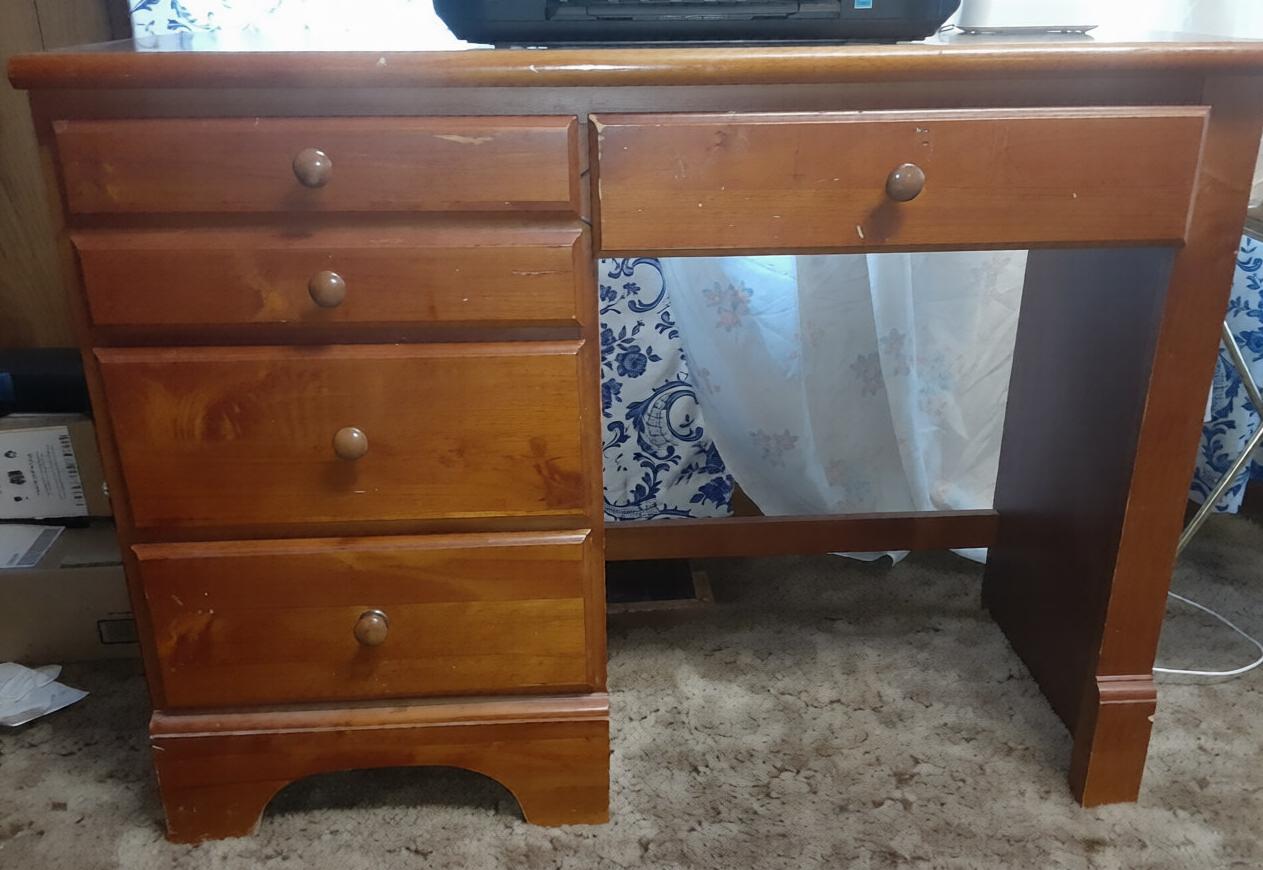
Wooden writing desk / vanity desk with drawers
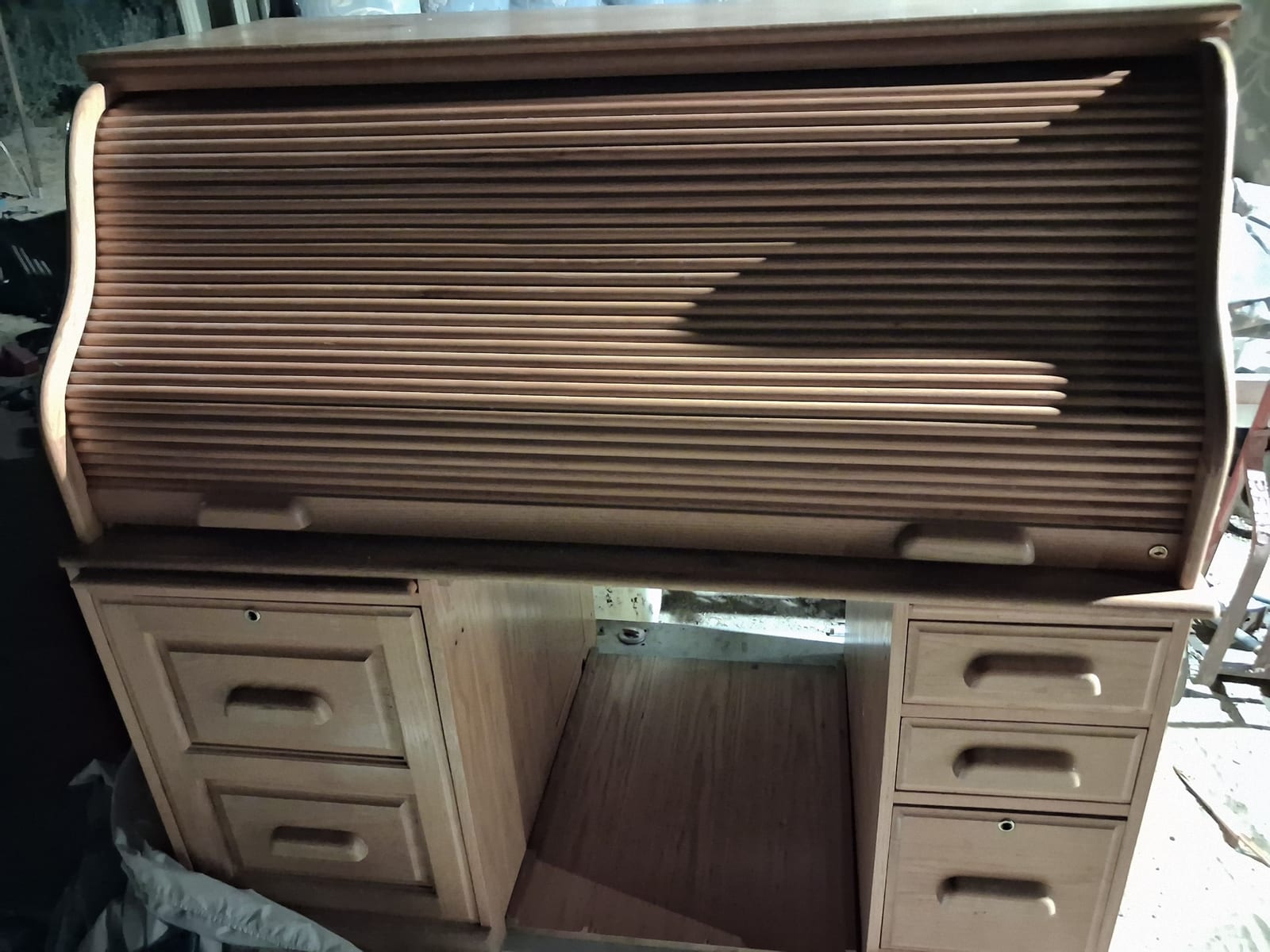
Roll-top desk / tambour-front office desk
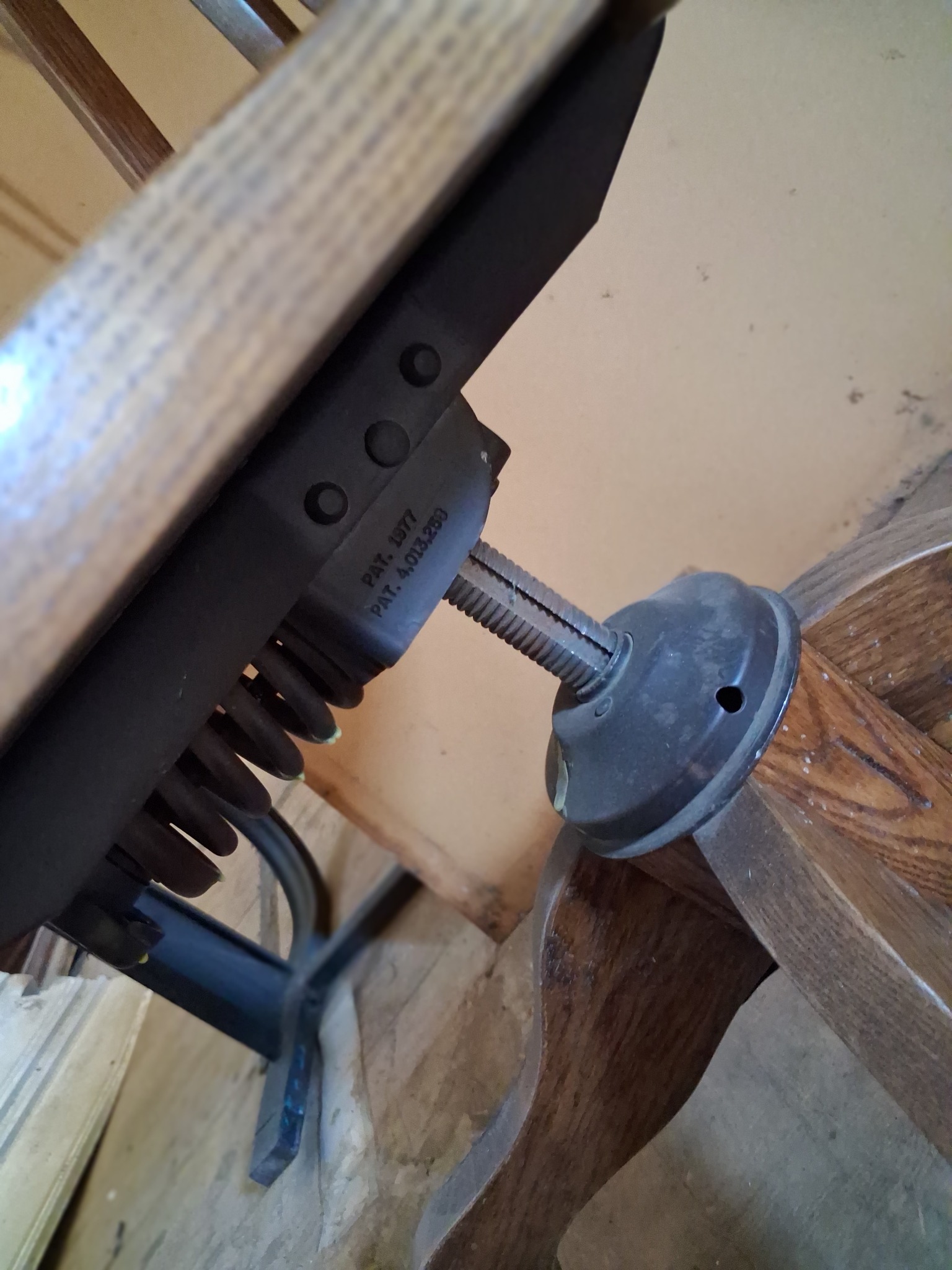
Ceiling fan motor housing / mounting assembly
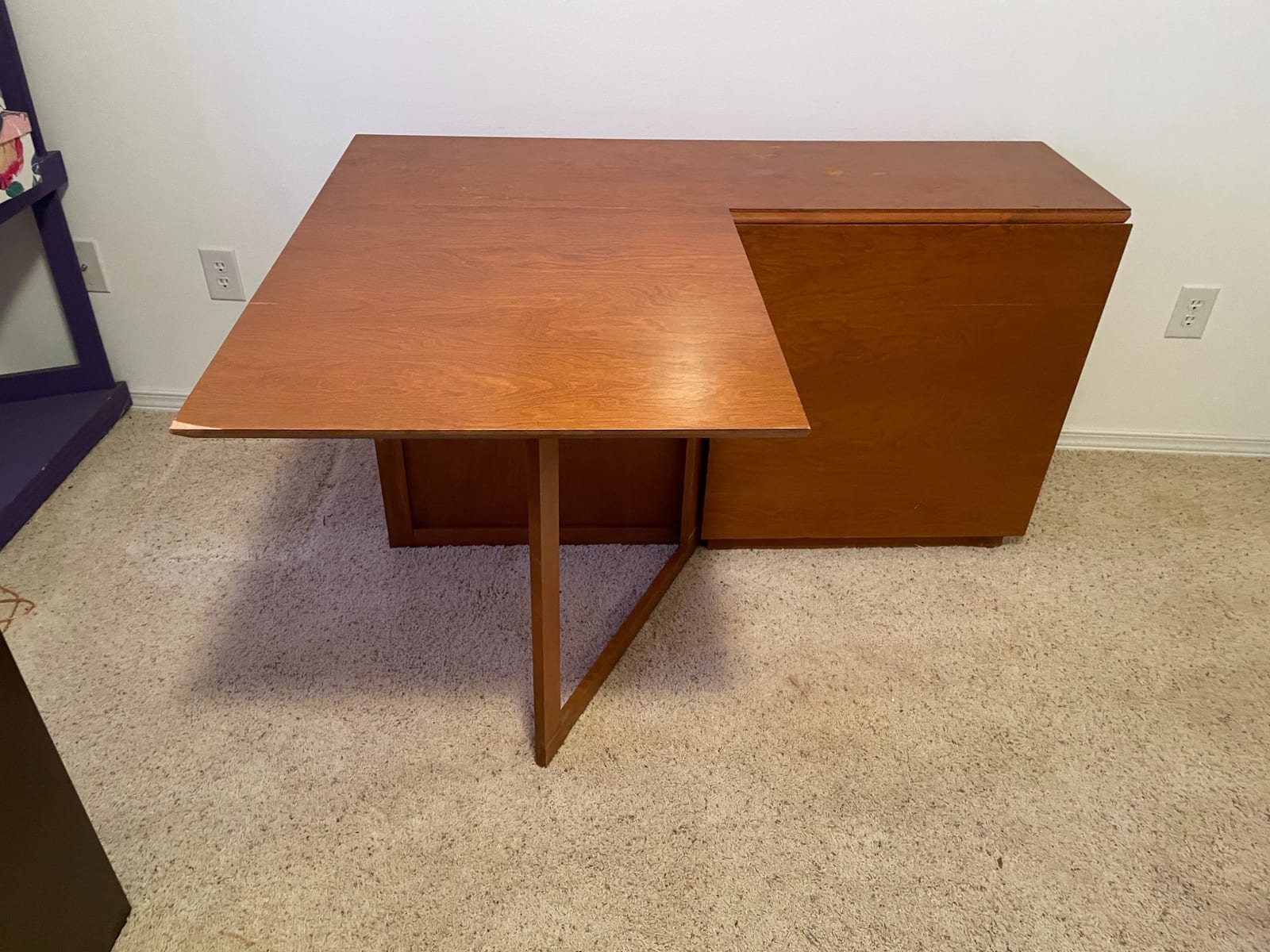
Mid-century modern drop-leaf desk or table
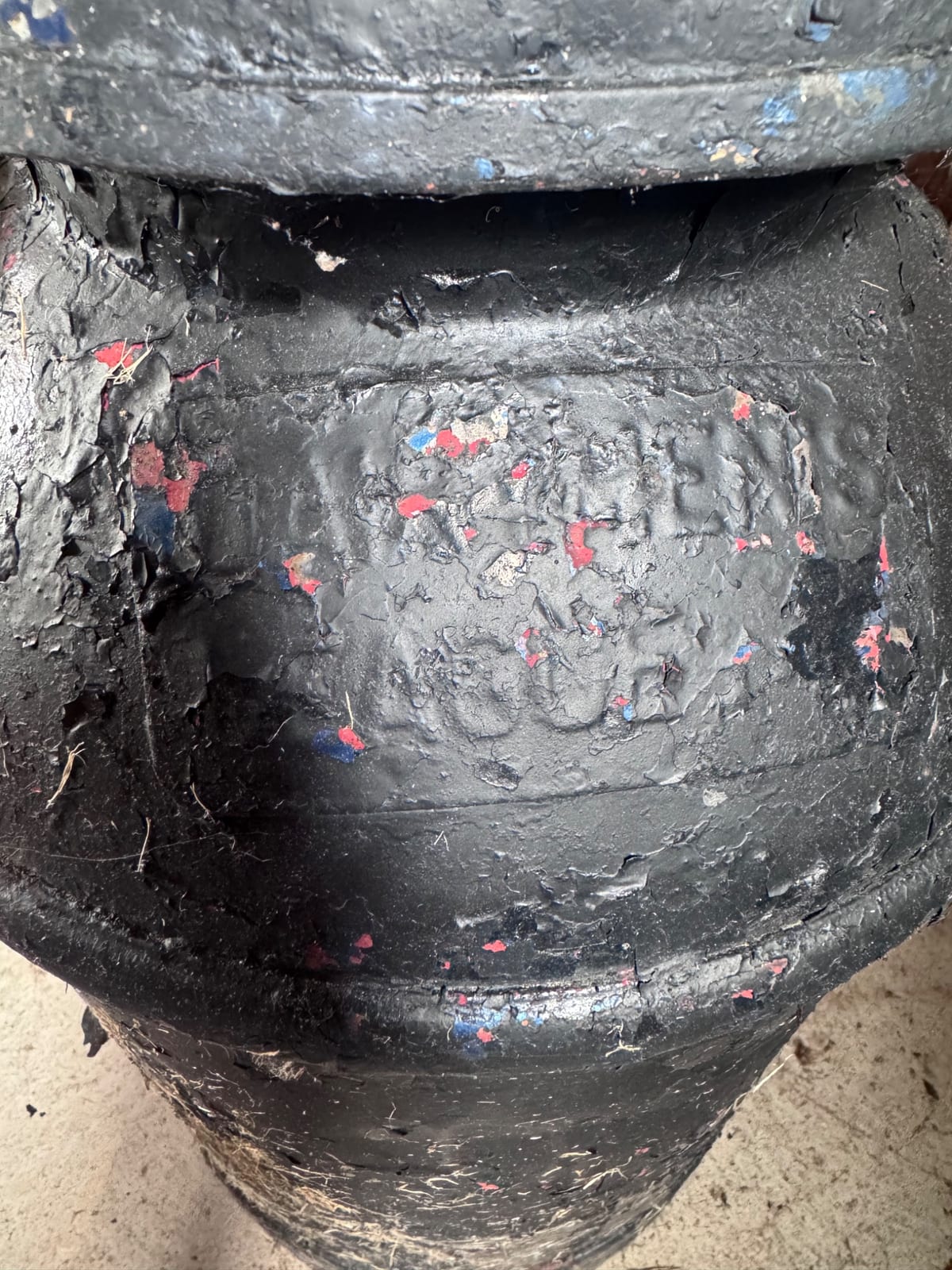
Unknown black-painted carved wooden vessel or pedestal fragment