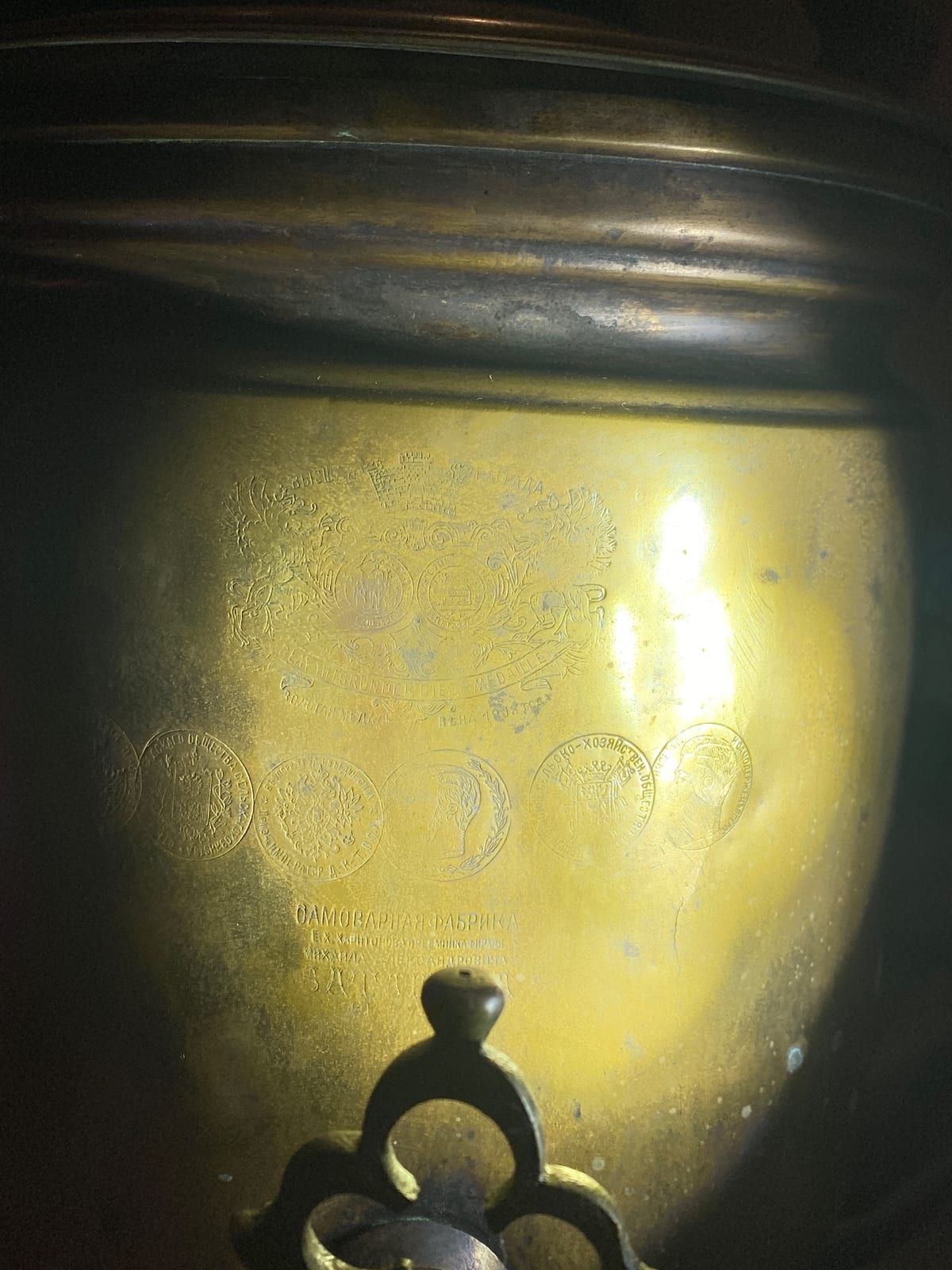
Russian brass samovar
Estimated Value
$150-$450
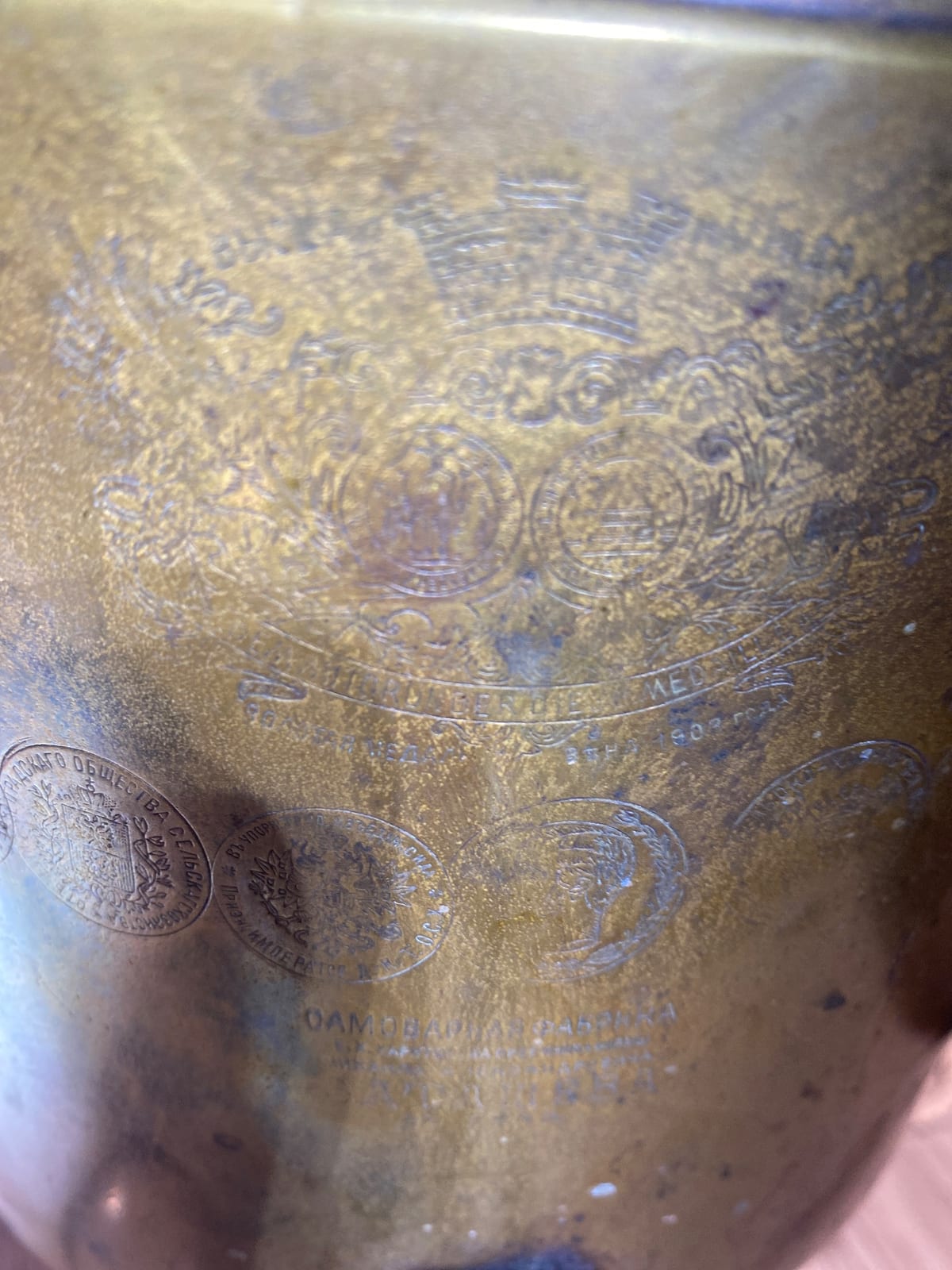
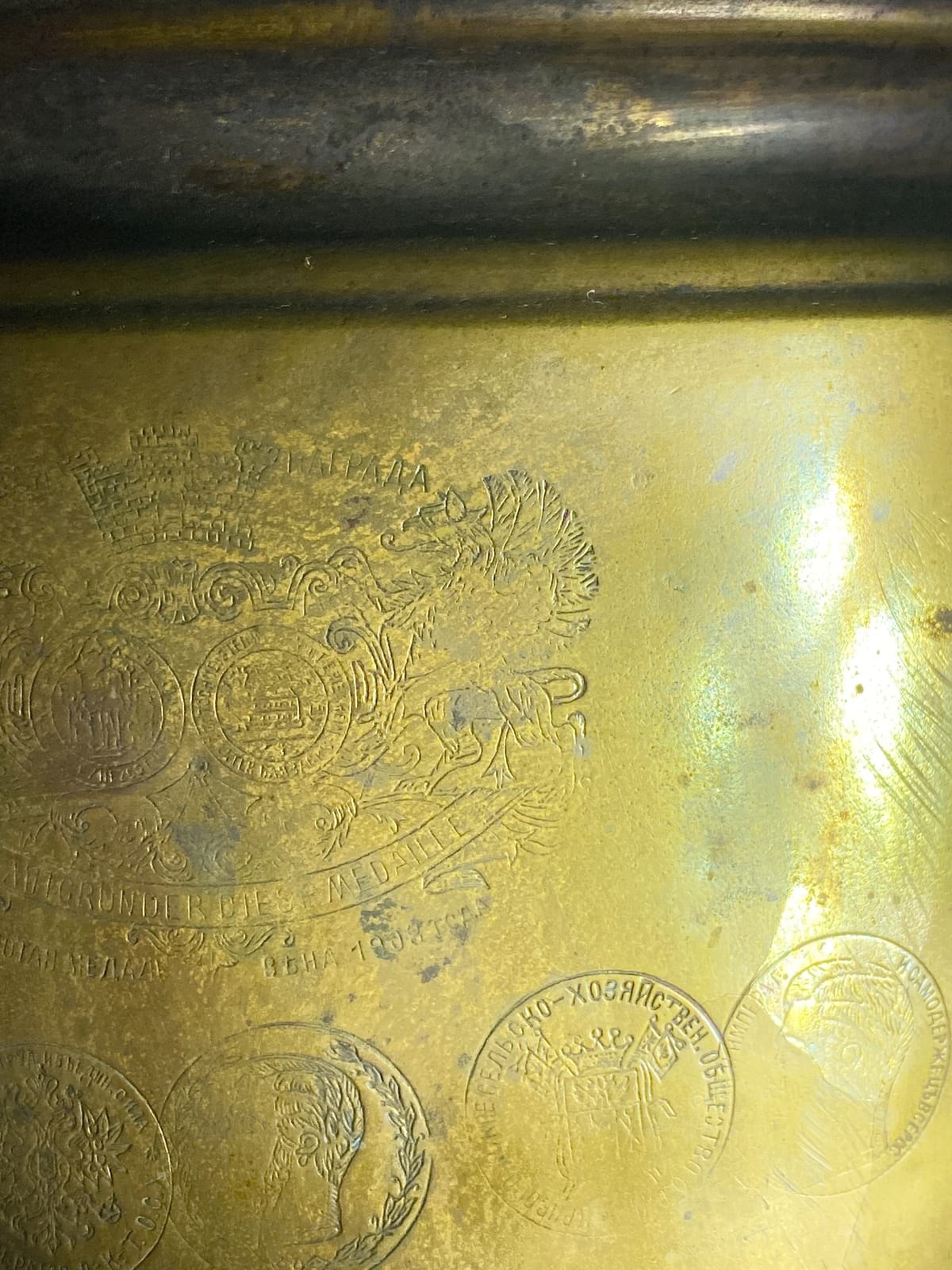
This appears to be a traditional Russian samovar, a large heated vessel used for boiling water for tea. The photographed section shows a polished brass body with multiple impressed factory medals and Cyrillic inscriptions, including references to a 'samovar factory' and likely award emblems from exhibitions. The decorative stamps suggest a commercially produced piece from a recognized Russian manufacturer, probably from the Tula region, which was the historic center of samovar production. The form and finish are consistent with a late Imperial Russian household samovar rather than a later decorative reproduction, though a full inspection of the tap, lid, handles, and maker's mark would be needed for confirmation.
Era
Late 19th century to early 20th century (Imperial Russia / pre-Soviet period, likely c. 1890s-1910s)
Origin
Tula, Russia (likely), based on the samovar factory markings and Russian-language stamps
Material
Brass or brass-plated metal, with possible steel/iron internal components
Condition
Fair to Good; visible surface tarnish, oxidation, wear to the finish, and age-related scuffing. The body appears structurally intact, but the photographed area shows significant patina and possible minor surface corrosion. No obvious major dents are visible in this image.
Physical Details
Dimensions
Unknown exact size; likely approximately 18-28 inches tall based on typical samovar proportions
Weight
Heavy
Authentication
Authenticity Score
Medium; the Cyrillic factory markings and construction are consistent with an authentic antique samovar, but the image only shows a partial close-up, so maker identification and dating cannot be confirmed with high confidence
Provenance
Likely made in Tula, Russia, a major samovar manufacturing center. The Russian-language factory mark and medal-style emblems suggest production for the domestic Russian market, possibly by a well-known pre-revolutionary workshop or factory.
Historical Significance
Samovars are iconic objects of Russian social and domestic history, closely associated with tea culture, hospitality, and 19th-century household life. Examples with original factory medals and pre-Soviet markings are of interest to collectors, especially if the maker can be identified and the piece retains original fittings.
Restoration Notes
- •No clear evidence of restoration visible in the image
- •Surface wear, tarnish, and oxidation present
- •Possible cleaning/polishing in the past, though not certain
This identification and value range are AI-generated research aids, not authentication, certification, or a formal appraisal. Learn about the limitations and when to consult a qualified professional appraiser.
Research this item further
Related Identifications
Browse all →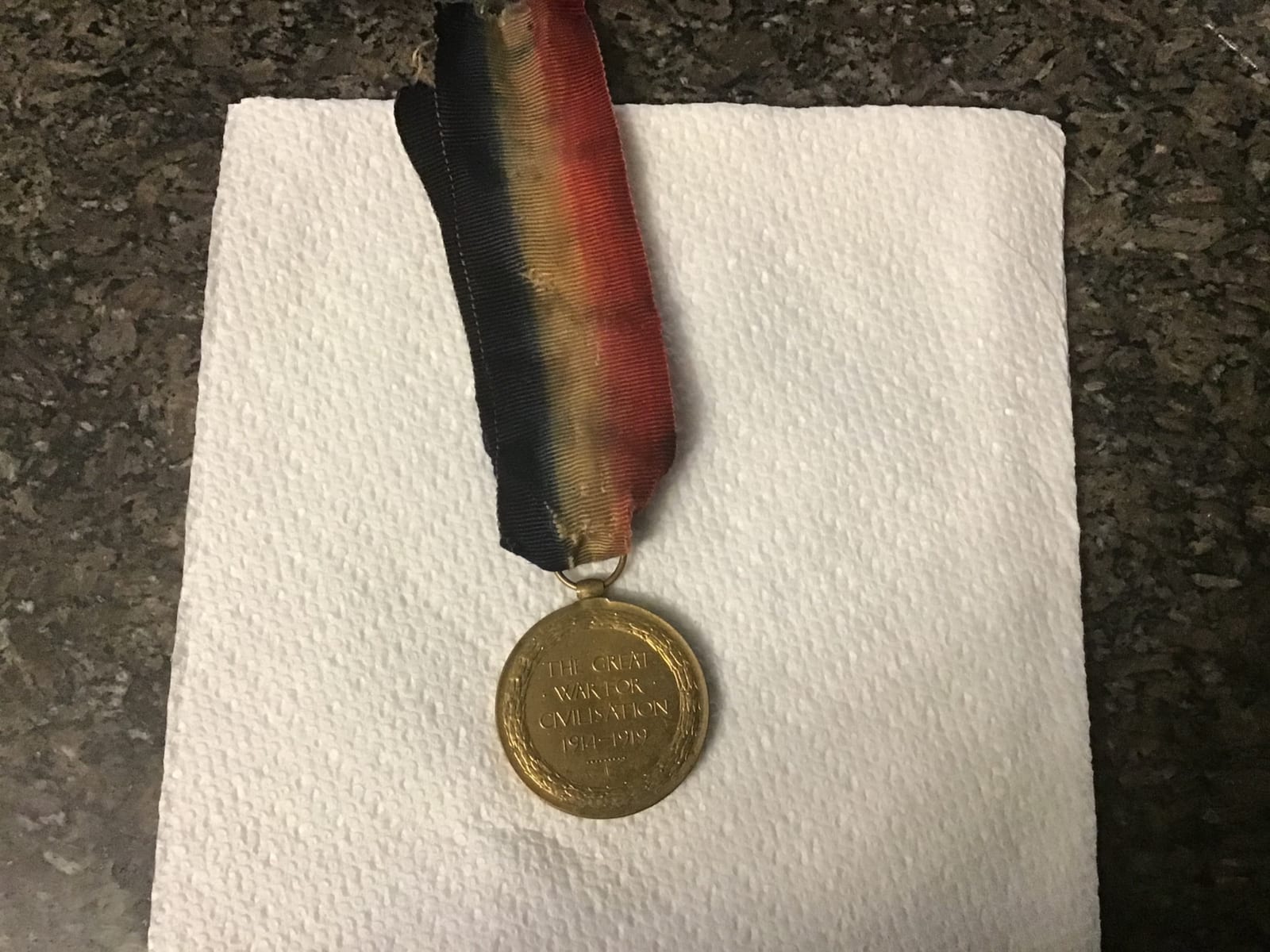
World War I Victory Medal (Great War for Civilisation) with ribbon
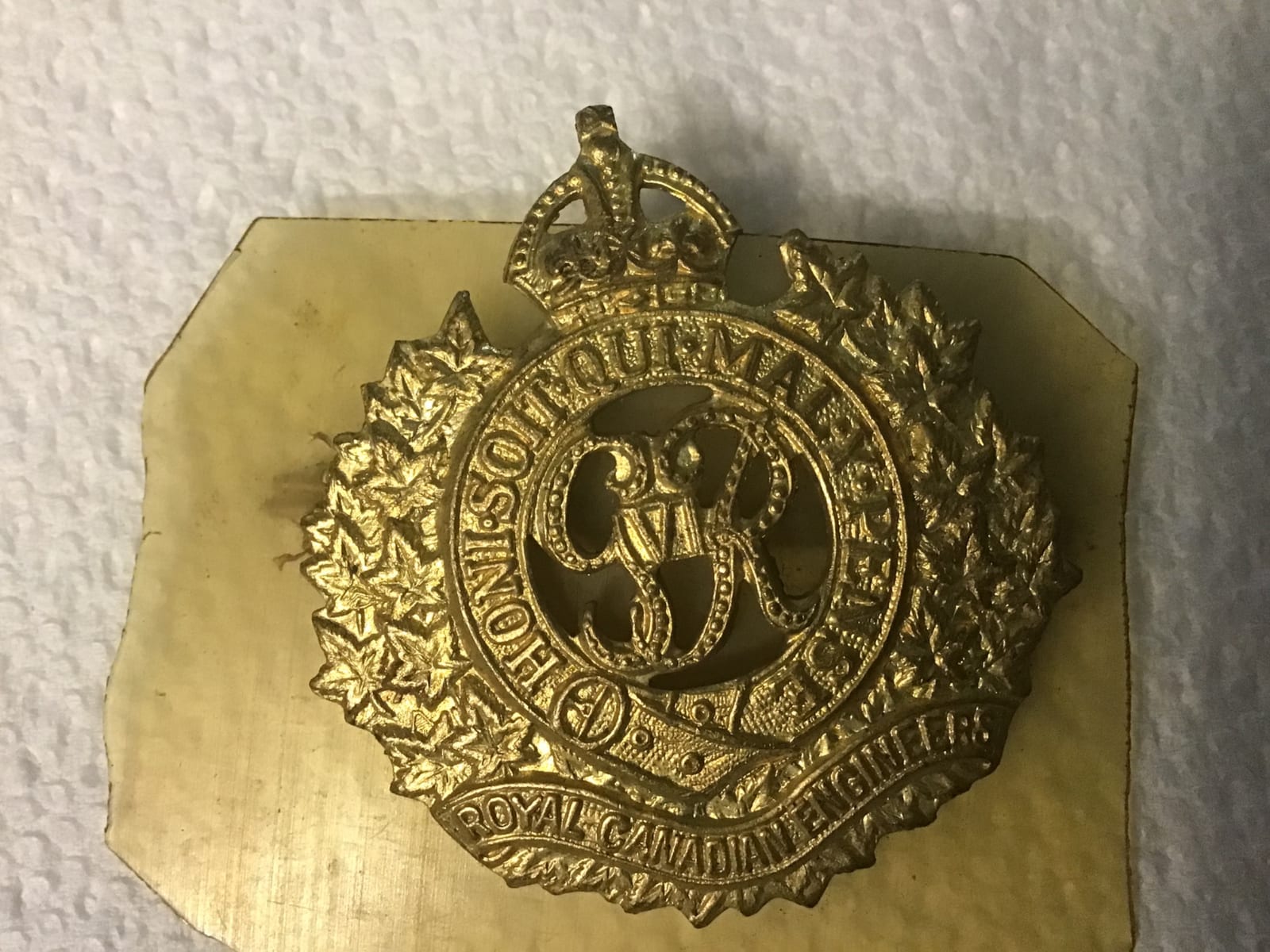
Royal Canadian Mounted Police (RCMP) cap badge or uniform badge
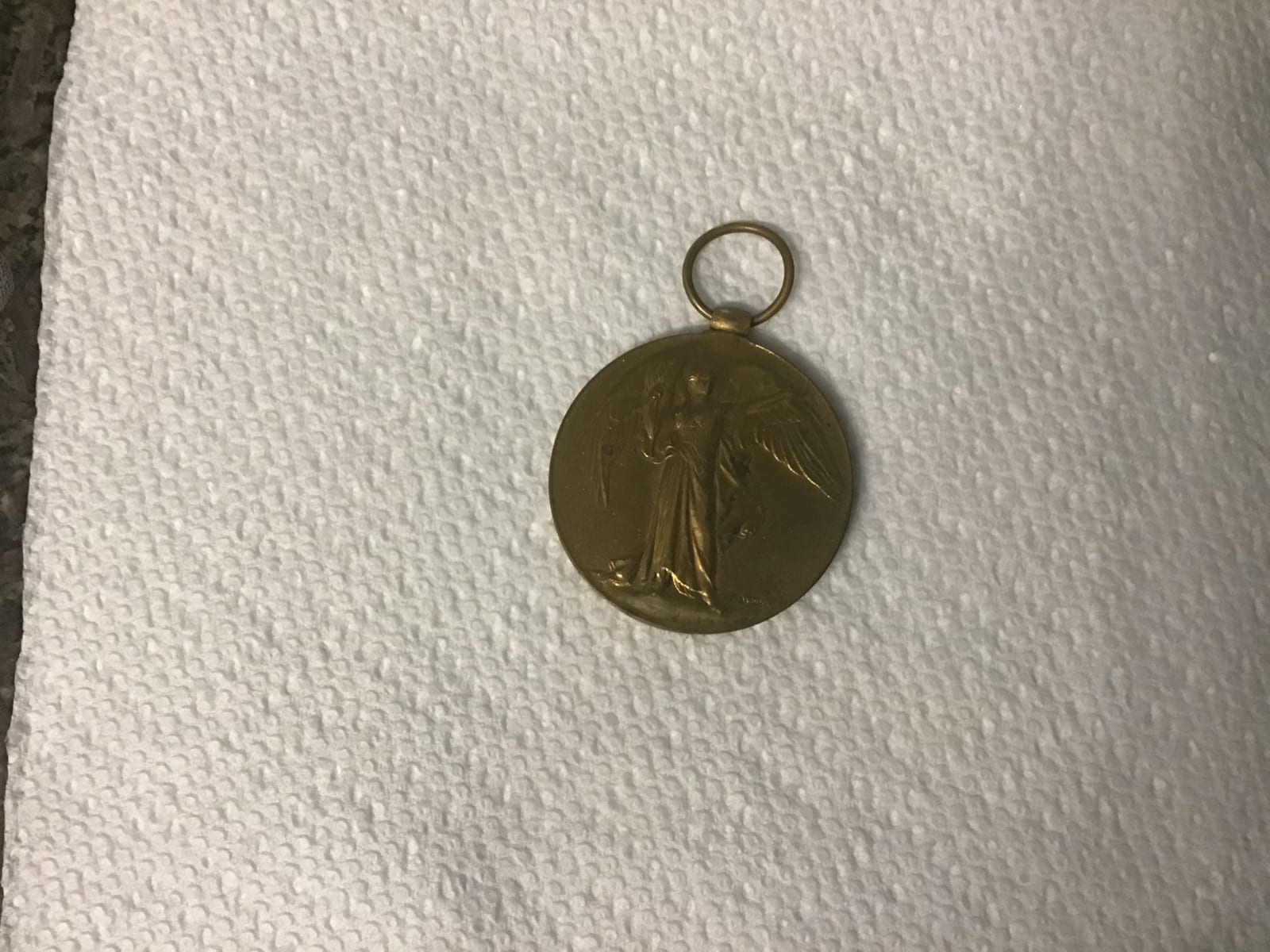
Religious pendant medallion with angelic figure
Russian Imperial-era commemorative brass/bronze vessel or samovar body with stamped seals
Brass samovar or large brass tea urn with Russian imperial-style commemorative engravings