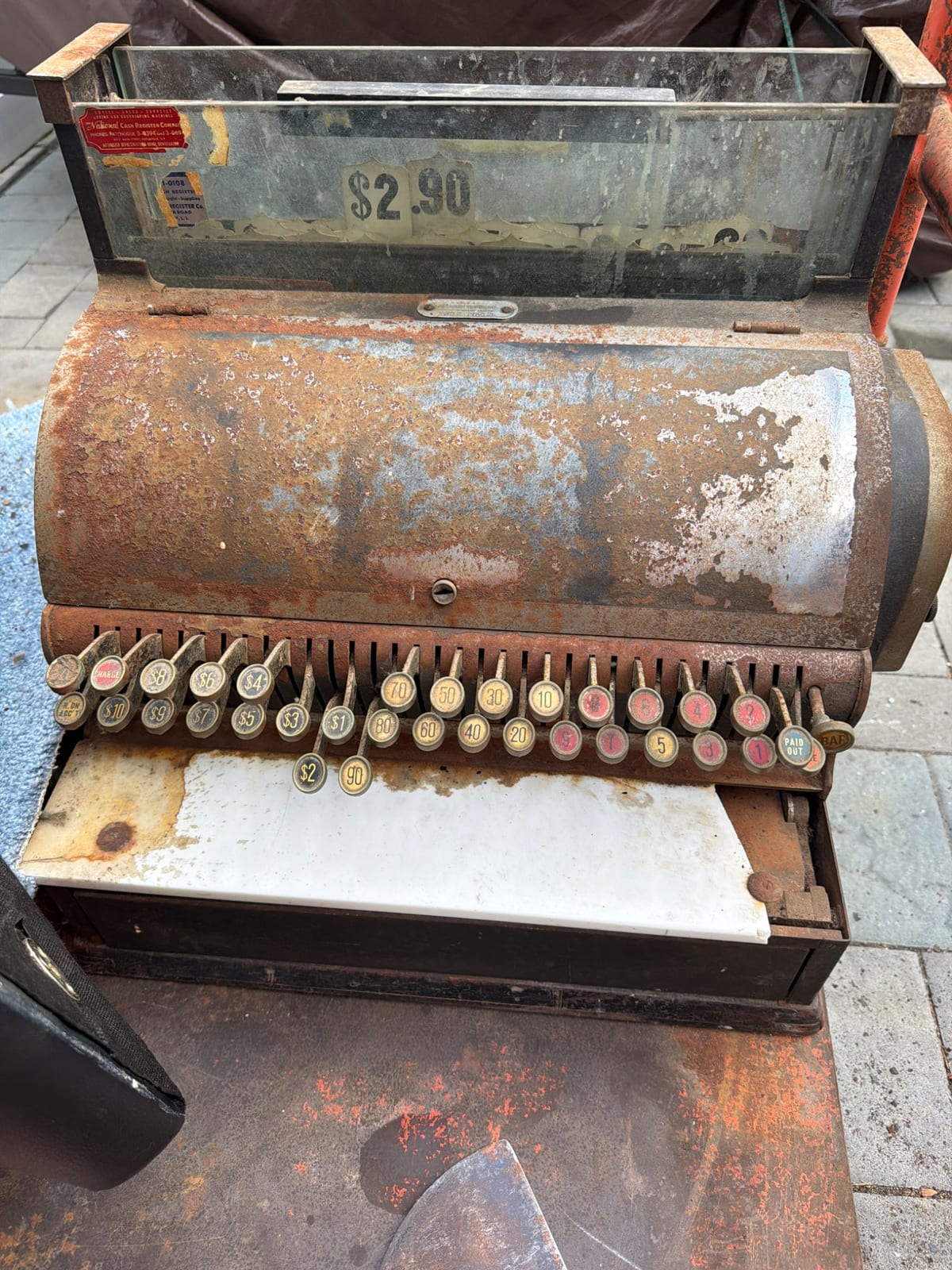
Vintage mechanical cash register
Estimated Value
$150-$500 as-is; $600-$1,500 if identified to a desirable maker and fully functional/restored
This appears to be an antique mechanical cash register with a glass-fronted display and a dense array of denomination keys, including coin and currency values such as 1, 5, 10, 25, 50, and dollar amounts. The machine has a large curved metal housing, a receipt or display area beneath the glass, and a heavily corroded painted steel body. The visible labels and key layout suggest a commercial register used in retail or service settings. The overall design is utilitarian and typical of early 20th-century mechanical registers, possibly from a well-known manufacturer such as National Cash Register or a similar competitor, though the exact maker is not confirmed from the image alone.
Era
Early to mid-20th century, likely 1920s-1940s
Origin
United States
Material
Painted steel, glass, brass/metal components, paper labels
Condition
Fair to Poor; heavy surface rust, significant paint loss, oxidation, grime, and visible age-related wear. Appears incomplete or at least not fully restored, though the key mechanism and number keys are present.
Physical Details
Dimensions
Approximately 18-24 inches wide, 18-24 inches tall, and 12-18 inches deep
Weight
Heavy
Authentication
Authenticity Score
Medium; the construction, key arrangement, and aged materials are consistent with an authentic vintage mechanical cash register, but the maker and exact model cannot be confirmed from the visible markings alone.
Provenance
Likely from a retail business in the United States; the visible price tag and old paper labels suggest it may have remained in commercial use for many years before being retired. Specific provenance cannot be determined from the image.
Historical Significance
Mechanical cash registers are important artifacts of early retail history and the modernization of point-of-sale systems. They reflect the rise of standardized pricing, business accounting, and anti-theft mechanisms in stores during the late 19th and early 20th centuries.
Restoration Notes
- •No clear evidence of professional restoration visible
- •Possible old repainting or touch-up in areas, but most of the surface appears original and heavily weathered
- •Significant rust and corrosion indicate long-term exposure and lack of conservation
This identification and value range are AI-generated research aids, not authentication, certification, or a formal appraisal. Learn about the limitations and when to consult a qualified professional appraiser.
Research this item further
Related Identifications
Browse all →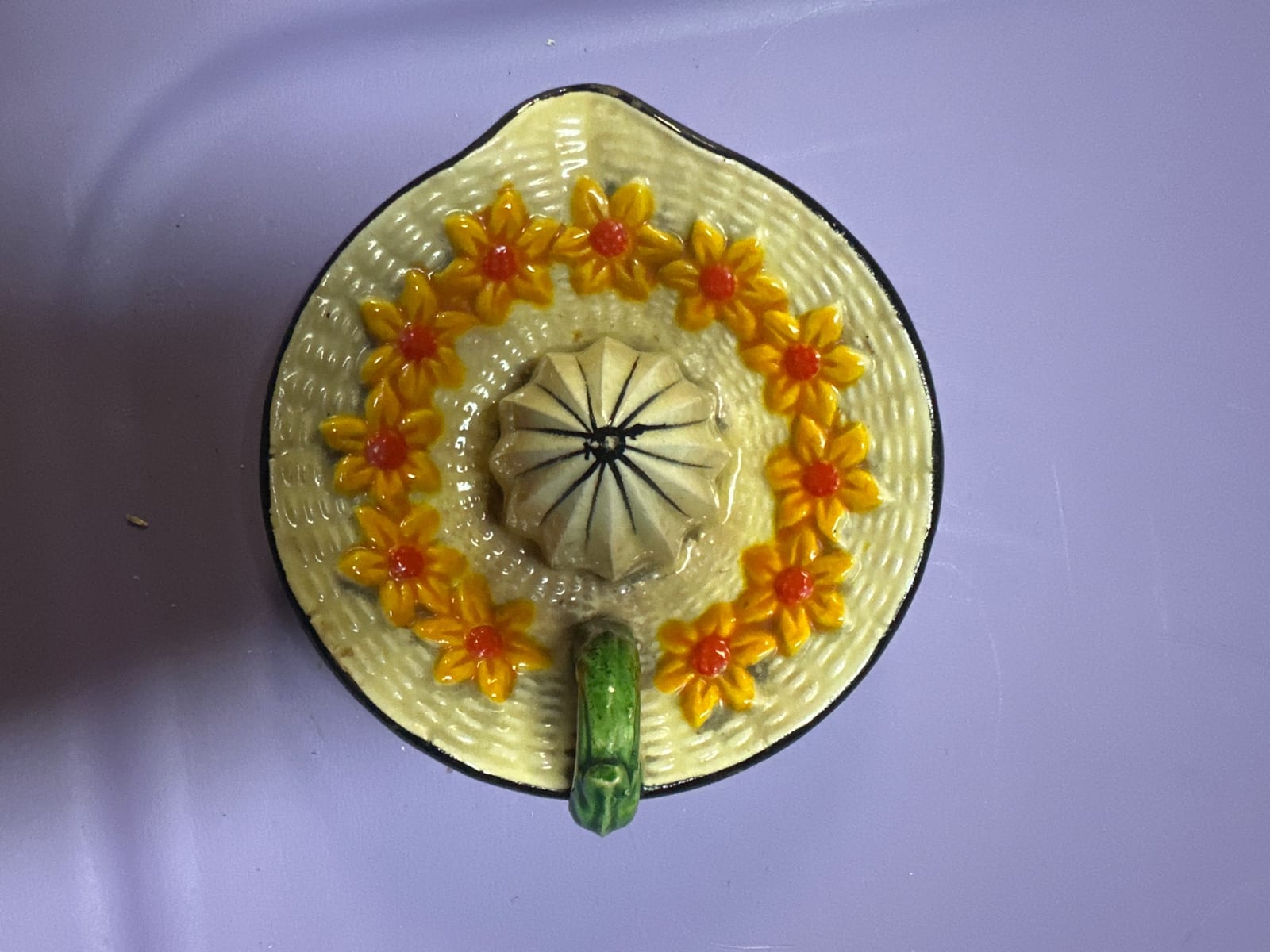
Decorative ceramic wall plaque or trinket dish with floral motif
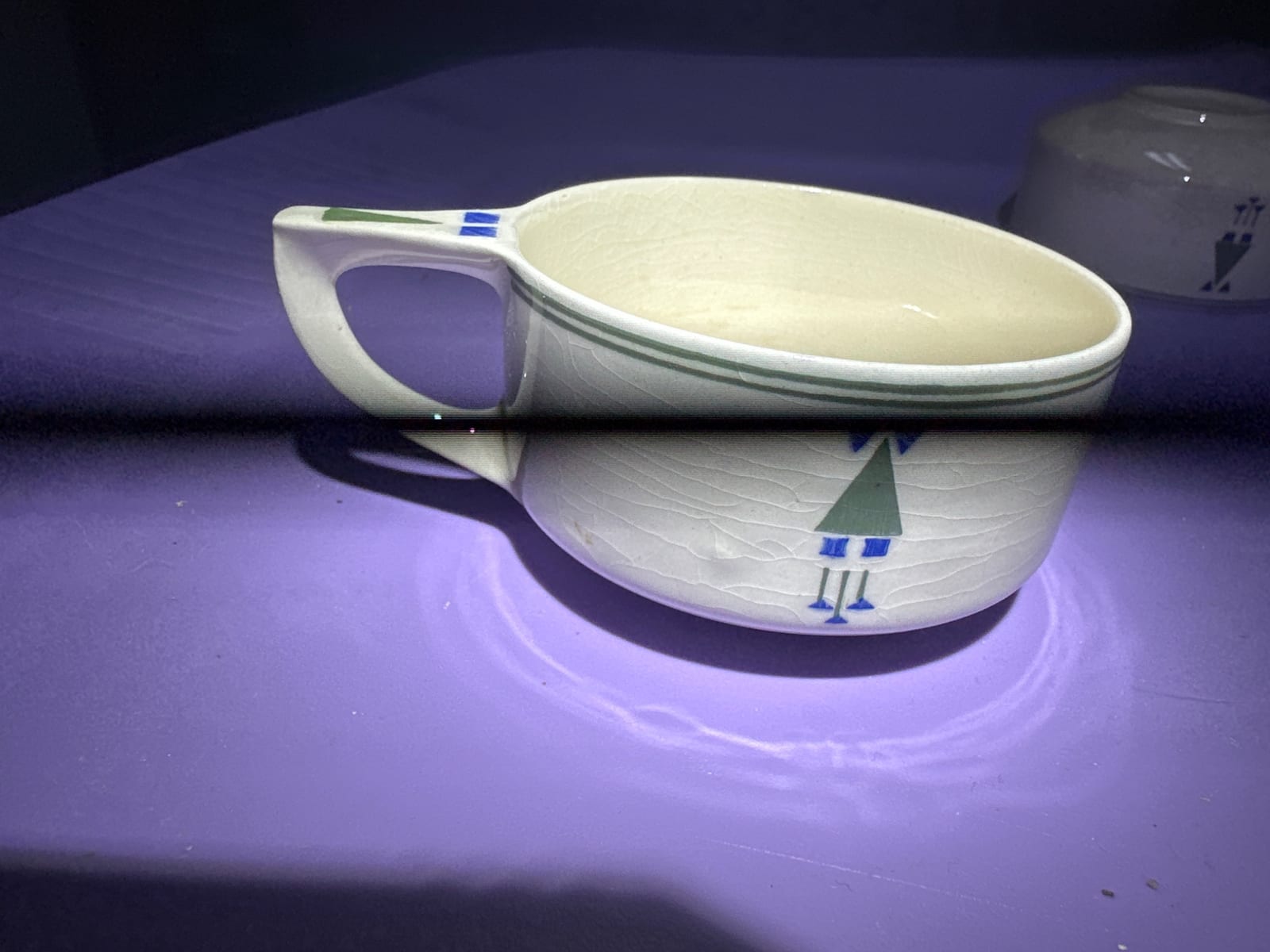
Art Deco-style ceramic handled bowl or sauce boat
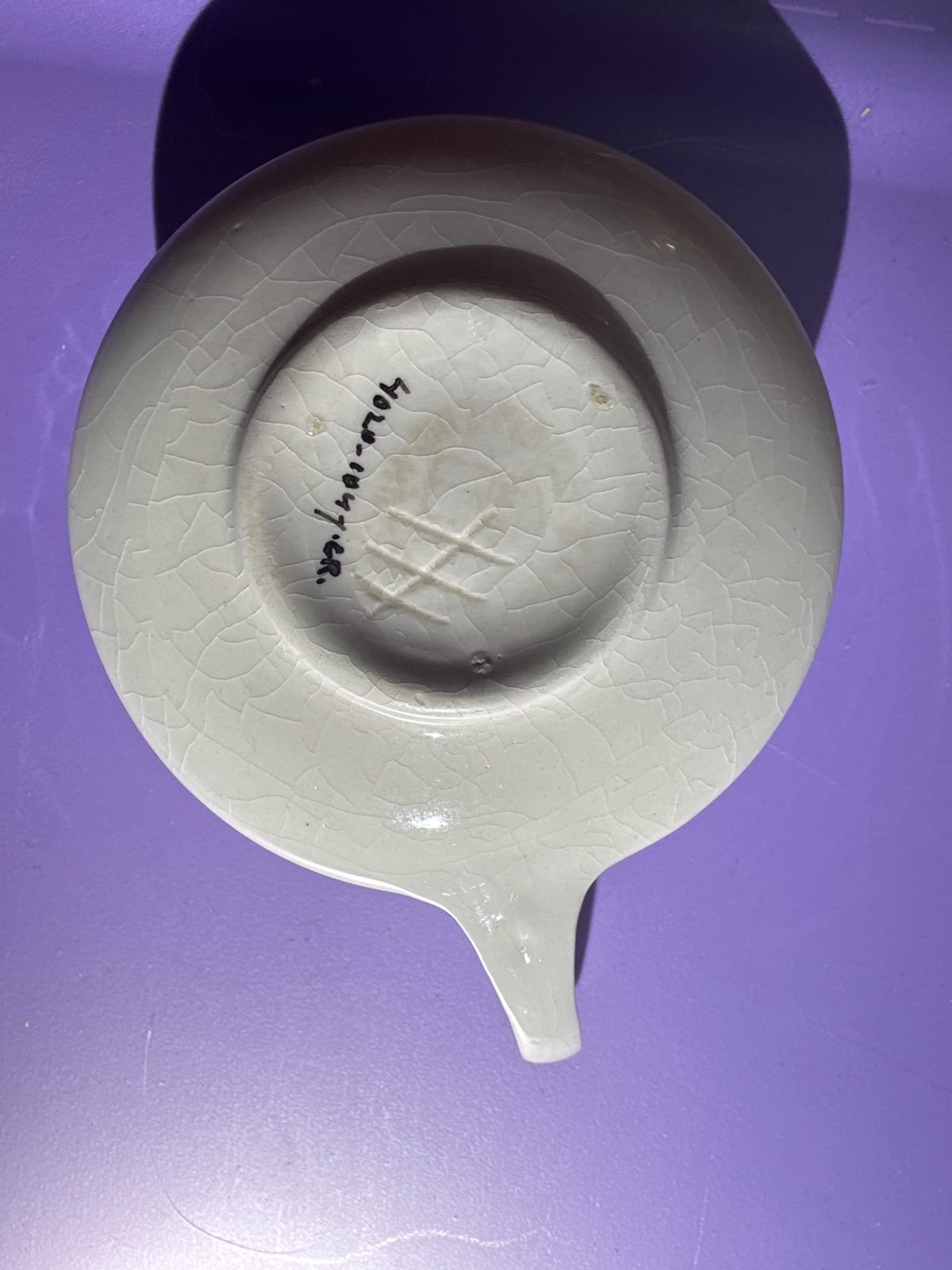
Ceramic teacup saucer or small underplate
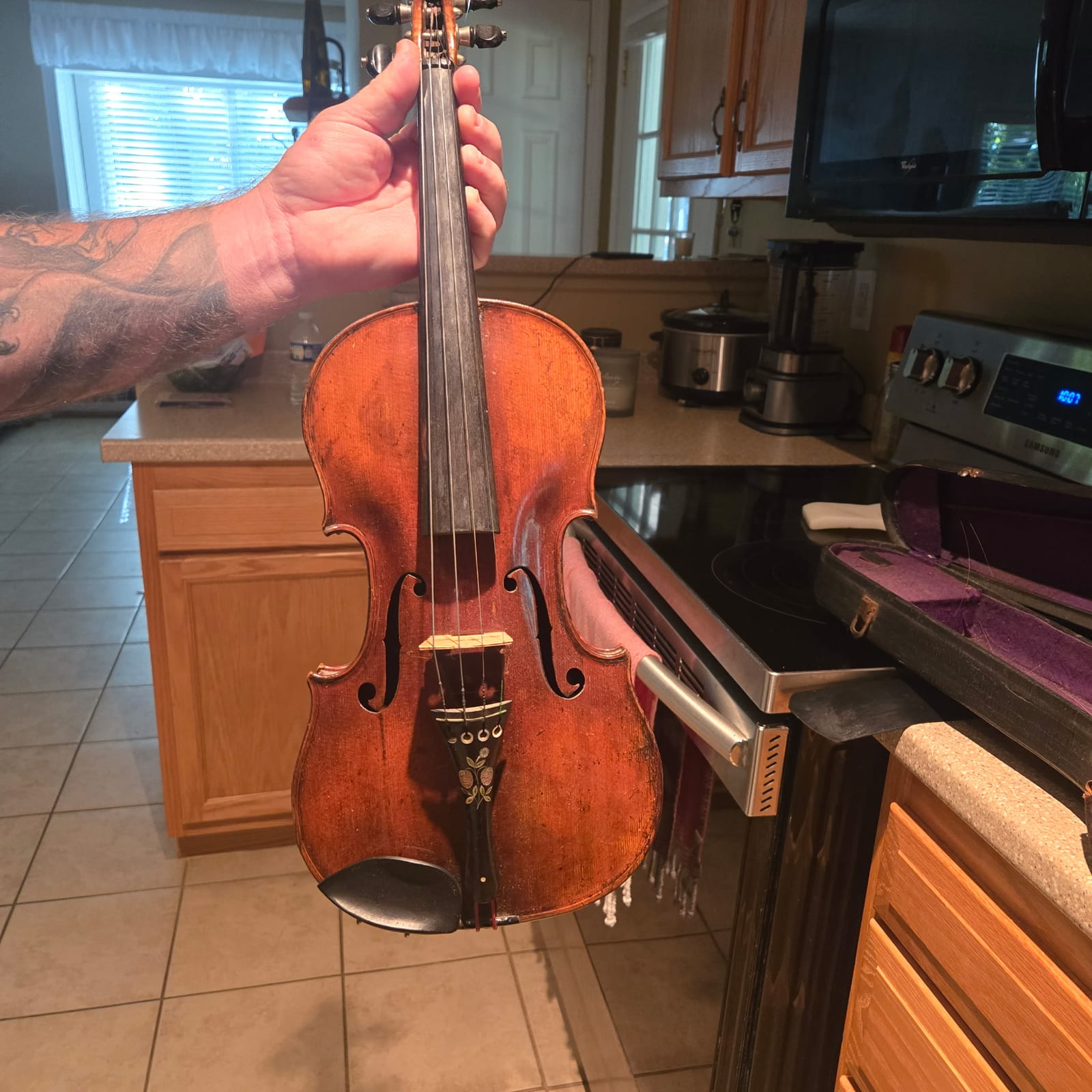
Violin (likely early 20th-century student or trade instrument)
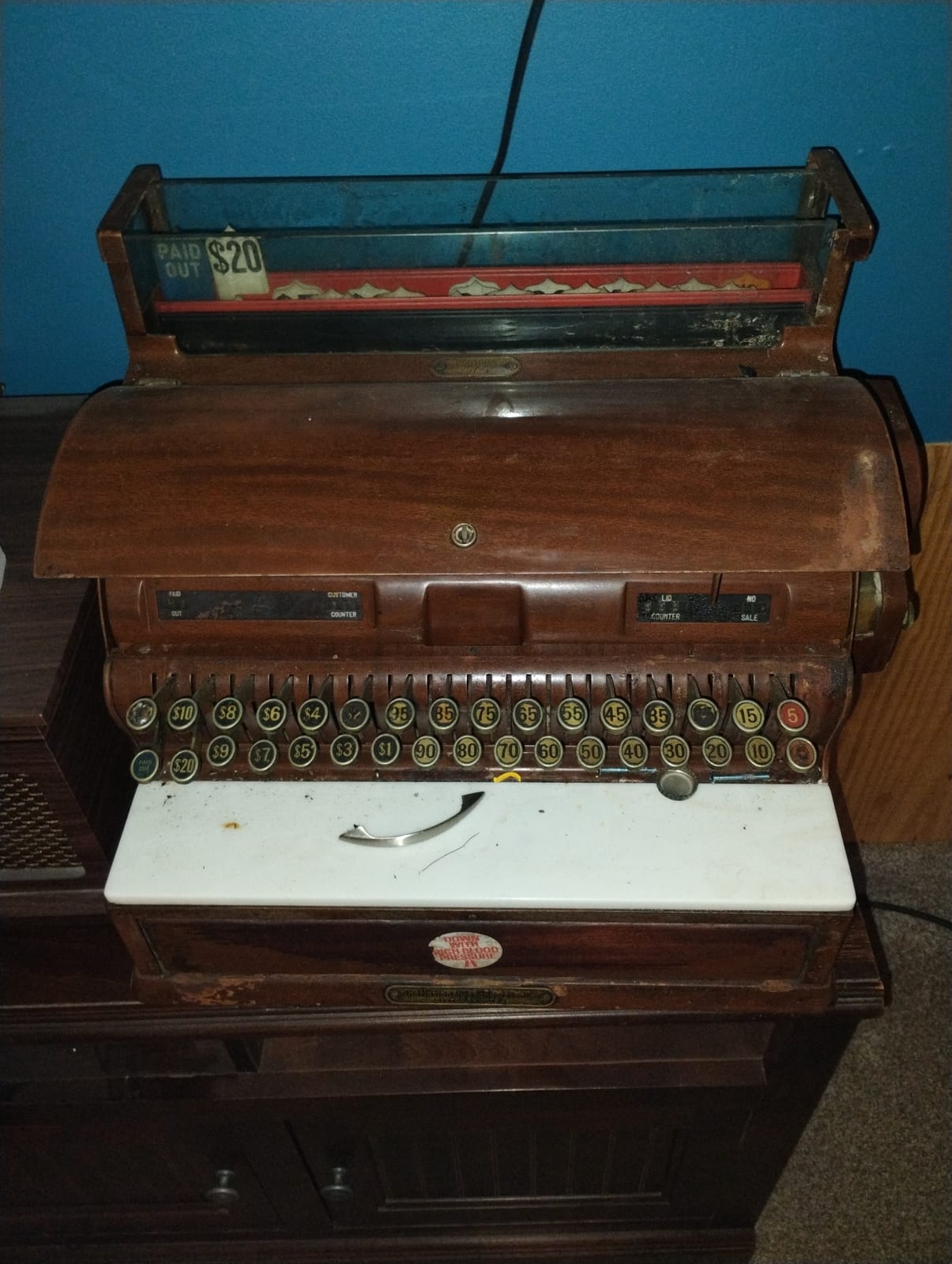
Vintage mechanical cash register / coin-operated money changer