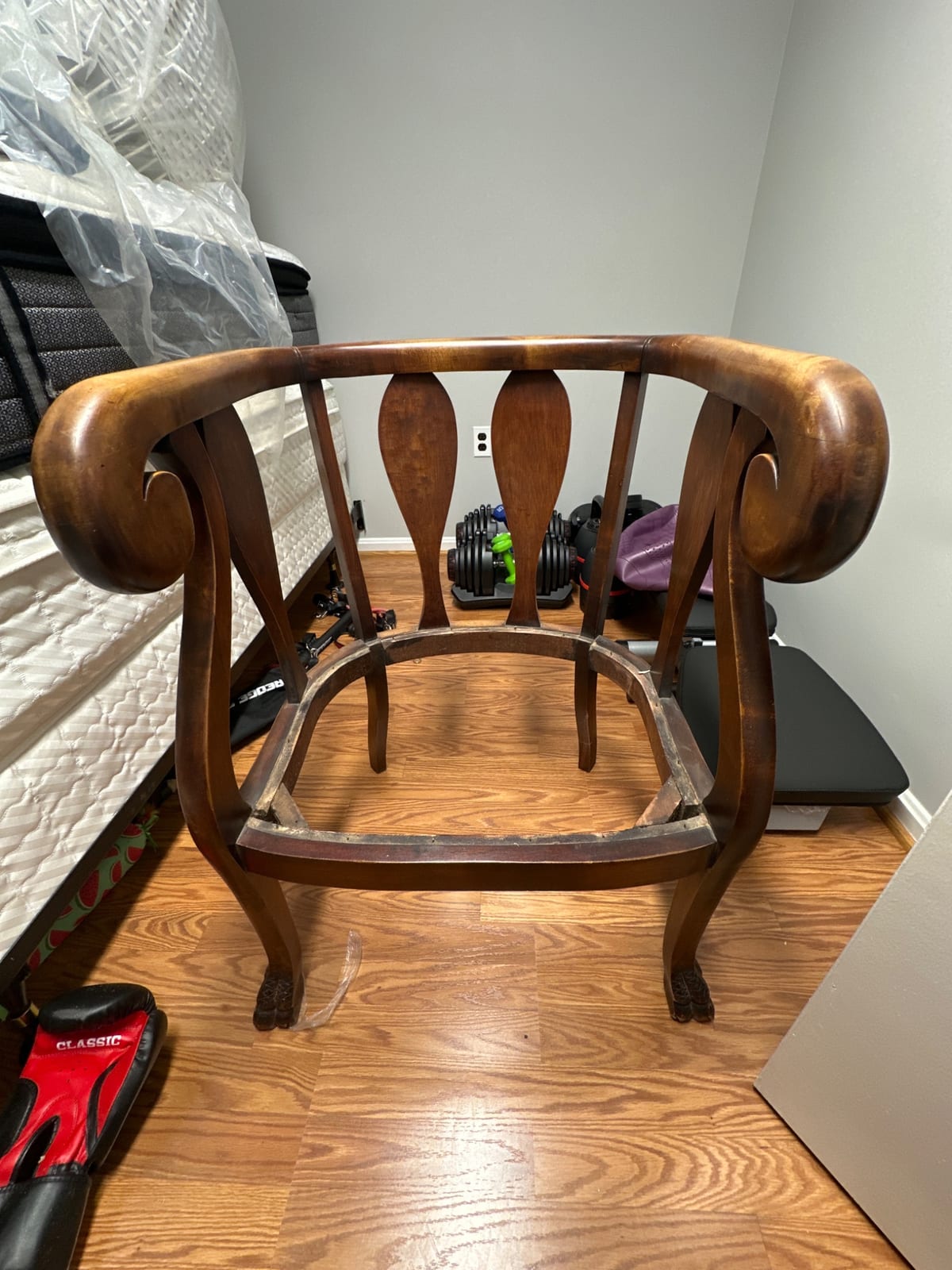
Bentwood armchair frame (Thonet-style side chair)
Estimated Value
$150-$500 as-is; $600-$1,200 if confirmed original 19th/early 20th century Thonet or comparable maker and professionally restored
This appears to be a bentwood armchair frame in the Thonet tradition, recognizable by its continuous curved arms, splayed legs, and slender back spindles with teardrop-shaped splats. The design is characteristic of steam-bent beech furniture popular in the late 19th and early 20th centuries. The chair has a warm brown stained finish and elegant, lightweight construction. The seat is missing its original woven cane or upholstered insert, exposing the seat rails and frame. No maker's mark is visible in the image, so attribution remains tentative.
Era
Late 19th century to early 20th century (Victorian/Edwardian period), possibly later reproduction
Origin
Central Europe, likely Austria or Germany
Material
Bent beech wood with stained finish
Condition
Fair. The frame appears structurally intact but shows notable wear, finish loss, scuffs, and possible separation or missing seat caning/upholstery. The seat area is incomplete, suggesting restoration or disassembly. Surface wear is consistent with age and use.
Physical Details
Dimensions
Approximately 34-38 inches tall, 20-24 inches wide, and 18-22 inches deep
Weight
Light
Authentication
Authenticity Score
Medium. The form and construction strongly suggest an authentic bentwood chair frame, but without a visible maker's mark, underside label, or close-up joinery details, it is not possible to confirm whether it is an original antique or a later reproduction.
Provenance
Likely from a European bentwood furniture tradition, possibly produced by Thonet or a Thonet-style manufacturer for domestic or café use. Exact provenance cannot be confirmed from the image alone.
Historical Significance
Bentwood furniture was a major innovation in 19th-century industrial design, especially associated with Michael Thonet and the rise of mass-produced modern seating. These chairs are historically significant for their efficient manufacturing, elegant curves, and widespread use in homes, cafés, and public interiors across Europe and beyond.
Restoration Notes
- •Seat appears to be missing original cane or upholstery
- •Visible finish wear and surface abrasion
- •Possible prior repair or replacement at seat rails and joints cannot be ruled out
This identification and value range are AI-generated research aids, not authentication, certification, or a formal appraisal. Learn about the limitations and when to consult a qualified professional appraiser.
Research this item further
Related Identifications
Browse all →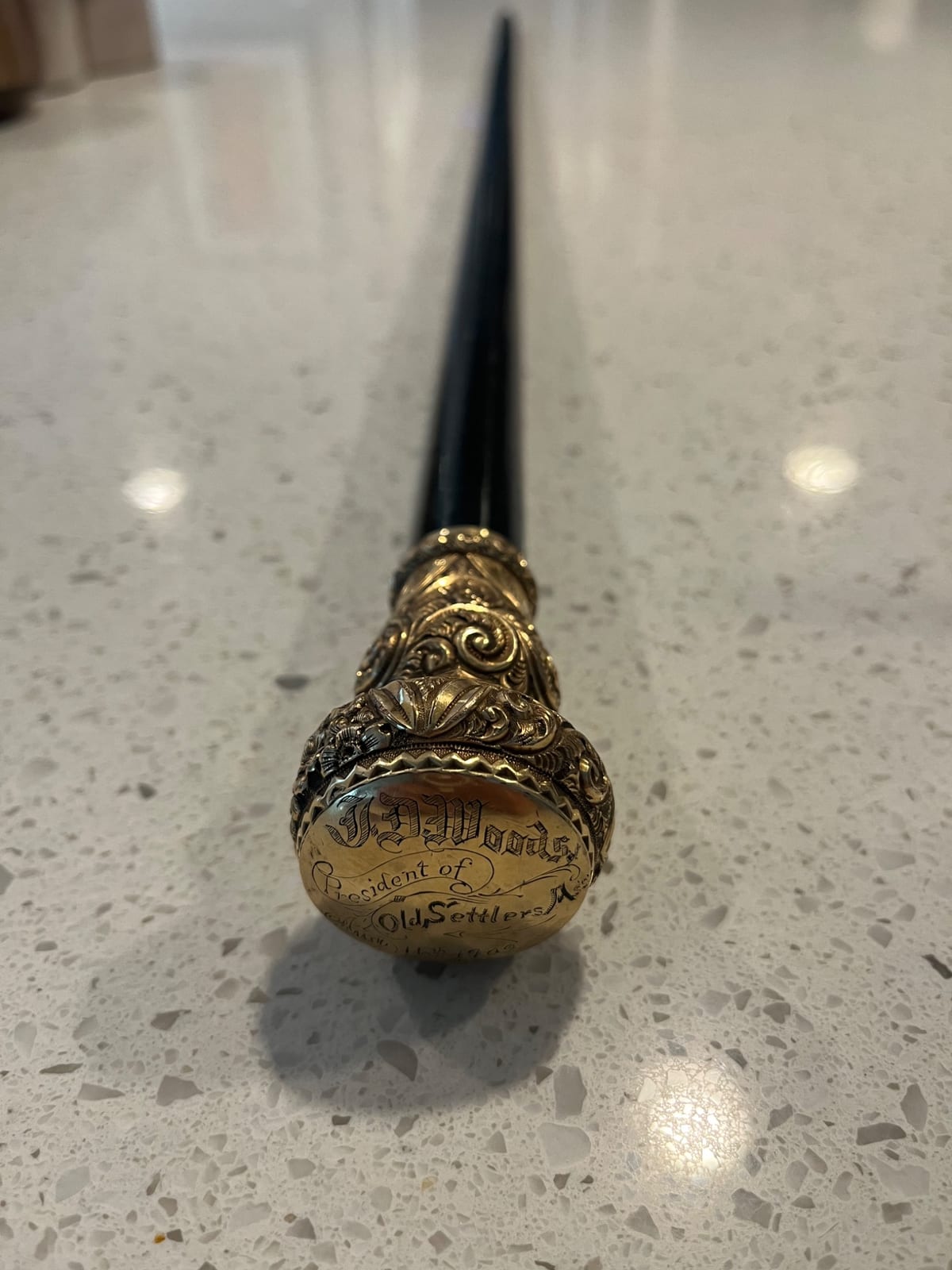
Ornate presentation cane or ceremonial walking stick with engraved commemorative pommel
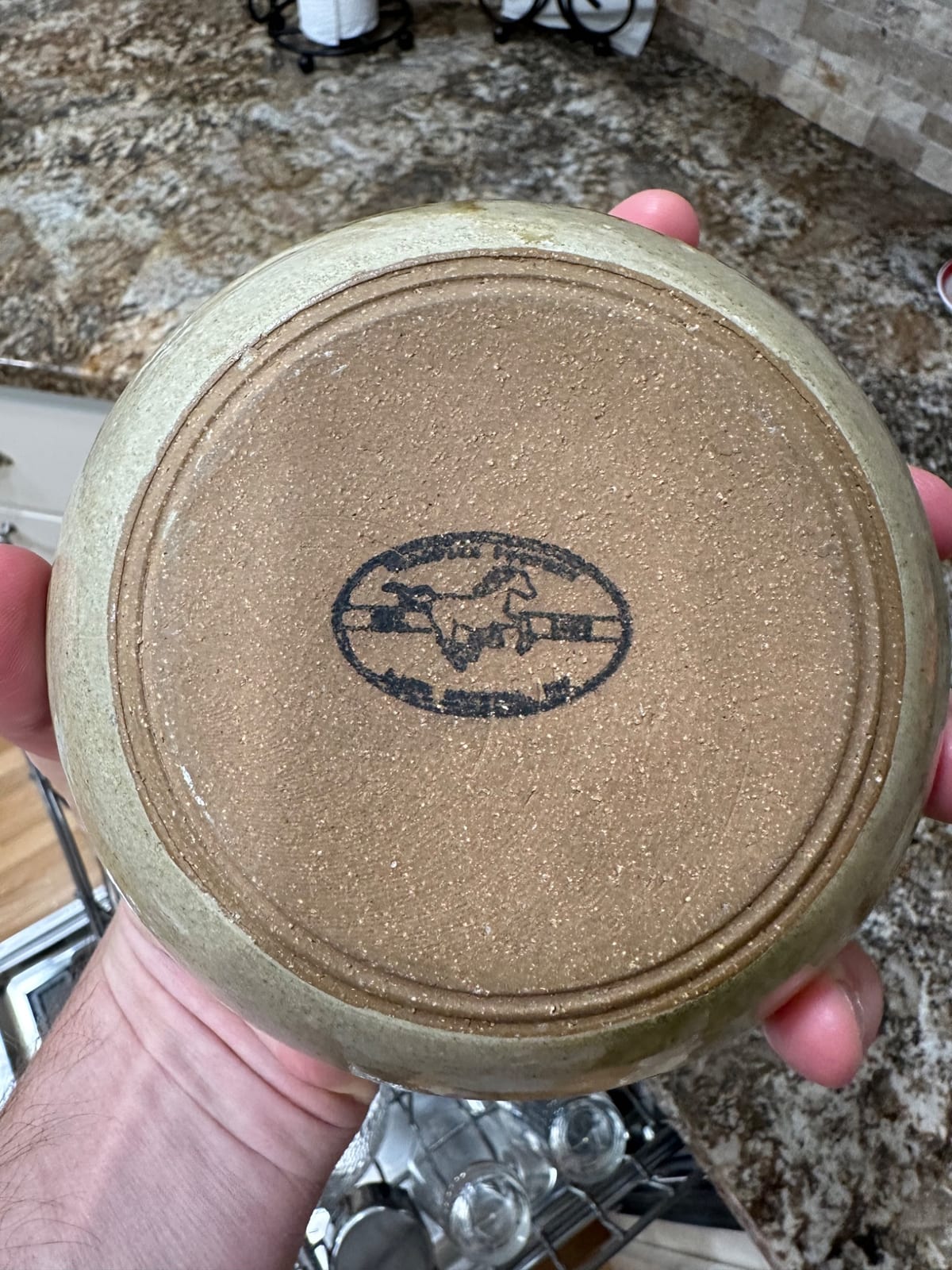
Small glazed ceramic bowl or dish with maker's mark
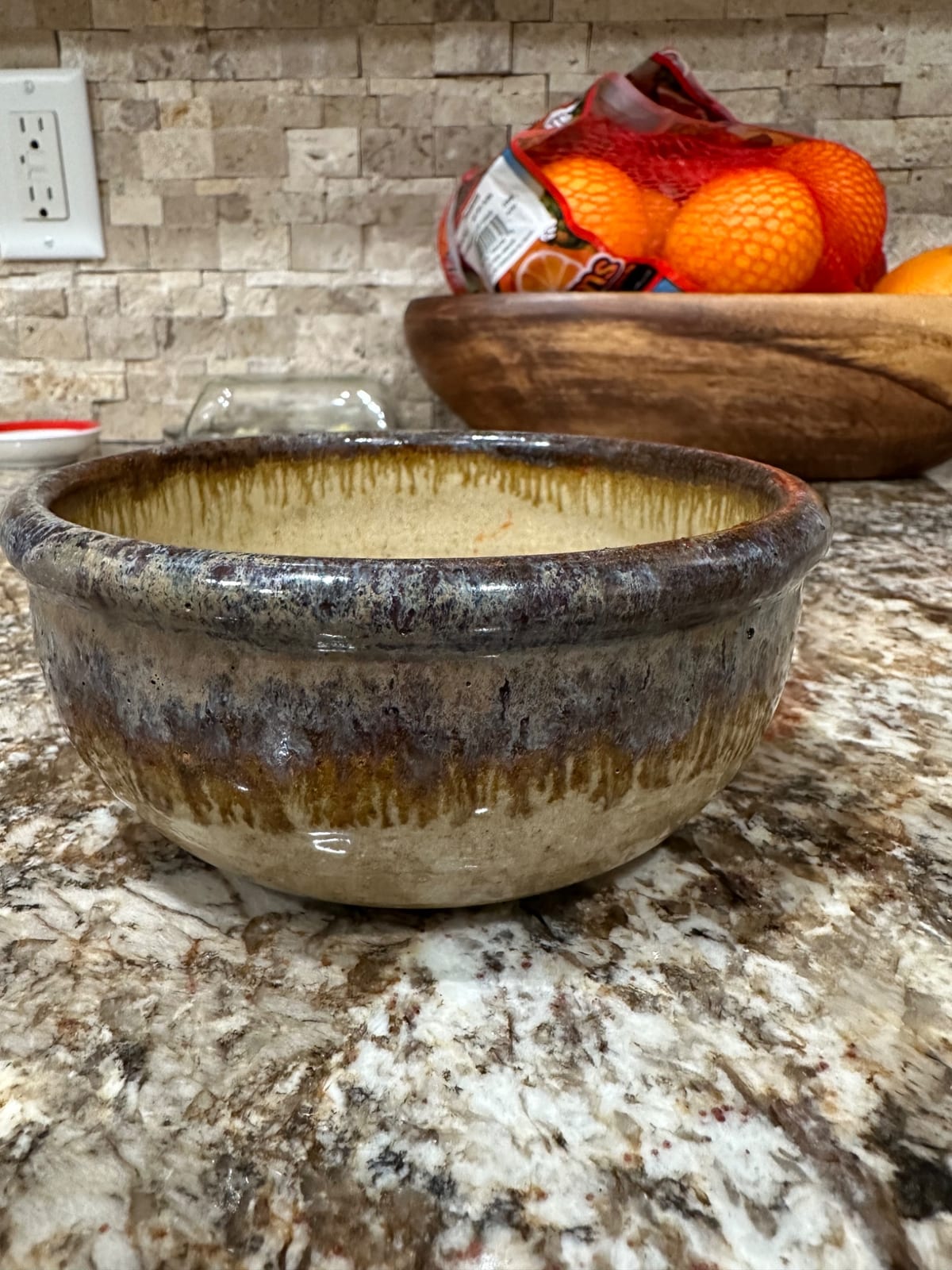
Studio pottery bowl / ceramic serving bowl
Framed portrait print or painting of a child in an ornate carved frame
Folding campaign-style or safari chair with cane/rattan seat and back
Vintage folding cane-seat chair
Bentwood upholstered side chair